
Content
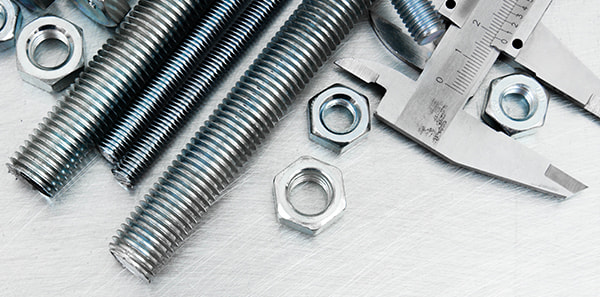
Carbon steel hexagon nuts are essential fastening components widely used in mechanical, construction, and industrial applications. Their six-sided shape allows for easy wrenching, even load distribution, and strong clamping force. Carbon steel provides high strength, durability, and resistance to wear, making these nuts suitable for heavy-duty applications in machinery, automotive, and structural projects.
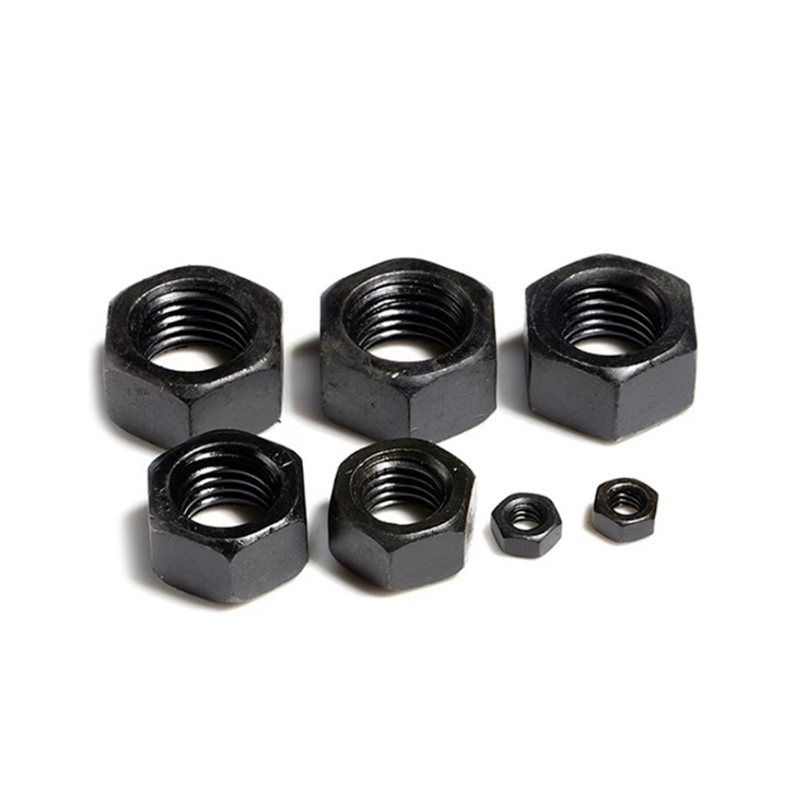
The performance of carbon steel hexagon nuts is largely determined by their material composition and treatment process.
Carbon steel used in hexagon nuts typically contains iron with a controlled percentage of carbon, ranging from low to medium. This composition ensures a balance between hardness and toughness, making the nuts resistant to deformation under high torque and mechanical stress.
Carbon steel hexagon nuts are often heat-treated to improve their mechanical properties. Common treatments include quenching and tempering, which increase tensile strength, reduce brittleness, and extend service life. This makes them suitable for heavy-load and high-vibration environments.
Carbon steel hexagon nuts are available in various types to meet specific installation and load requirements.
Standard hex nuts are the most commonly used type and are designed for general fastening applications. They conform to international standards such as ISO, DIN, and ANSI, providing reliable performance in mechanical assemblies.
Lock hex nuts include features such as nylon inserts, deformed threads, or serrated faces to prevent loosening under vibration or dynamic loads. They are ideal for automotive, machinery, and structural applications where secure fastening is critical.
Heavy hex nuts have larger dimensions and thicker walls compared to standard hex nuts, providing higher load-bearing capacity. They are commonly used in structural steel connections, bridges, and heavy machinery assemblies.
These nuts are highly versatile and used across multiple industries due to their strength and reliability.
Choosing the right hexagon nut depends on factors such as load requirements, environmental conditions, and installation specifications.
Hexagon nuts are available in different grades indicating their tensile strength. Selecting the appropriate grade ensures that the nut can withstand the mechanical forces applied without failure. Common grades include 4, 8, and 10 according to ISO standards.
Matching the nut’s thread type with the bolt is critical. Coarse threads are suitable for general purposes, while fine threads provide higher load capacity and better vibration resistance. Thread fit tolerance must meet the application standards to avoid loosening or stripping.
Carbon steel nuts can be coated with zinc, black oxide, or other plating methods to improve corrosion resistance. The choice of coating depends on environmental exposure, including humidity, outdoor use, and chemical contact.
Proper installation and maintenance are crucial for the long-term performance of carbon steel hexagon nuts.
The following table compares common types of carbon steel hexagon nuts for quick selection:
| Nut Type | Strength | Applications | Special Features |
|---|---|---|---|
| Standard Hex Nut | Medium | General fastening | Basic design, cost-effective |
| Lock Hex Nut | Medium to high | Vibration-prone assemblies | Nylon insert, deformed threads, serrated face |
| Heavy Hex Nut | High | Structural steel, bridges | Thicker walls, higher load capacity |
Carbon steel hexagon nuts are fundamental components in mechanical and structural applications due to their strength, durability, and versatility. Selecting the correct type, grade, and surface treatment, combined with proper installation and maintenance, ensures reliable performance, extended service life, and safety in various industrial environments. They remain a cost-effective and practical choice for manufacturers, builders, and engineers.
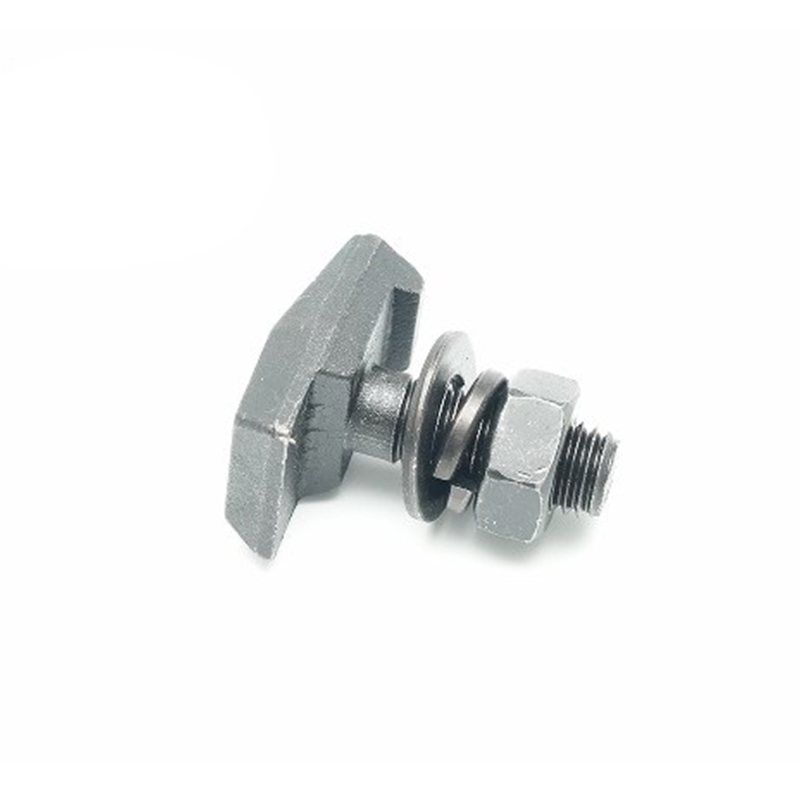 Carbon Steel Hot-Dip Galvanized T-Head Bolt DIN 186
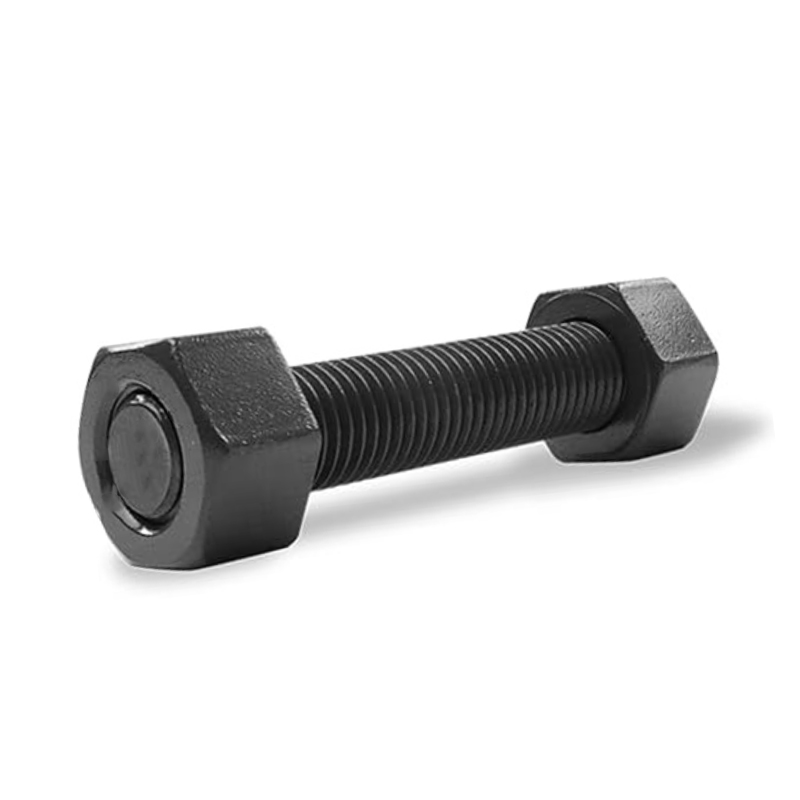 Carbon Steel M16×300 Grade 8.8 Galvanized / Black Full Threaded Bar
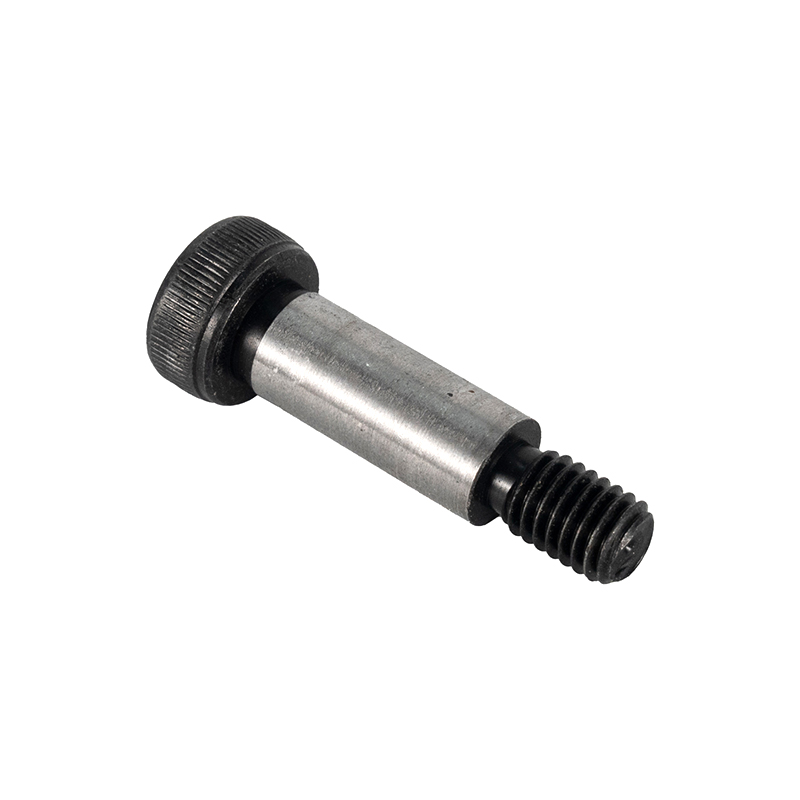 Carbon Steel 1-8 UNC x 4" Metric Shoulder Bolts
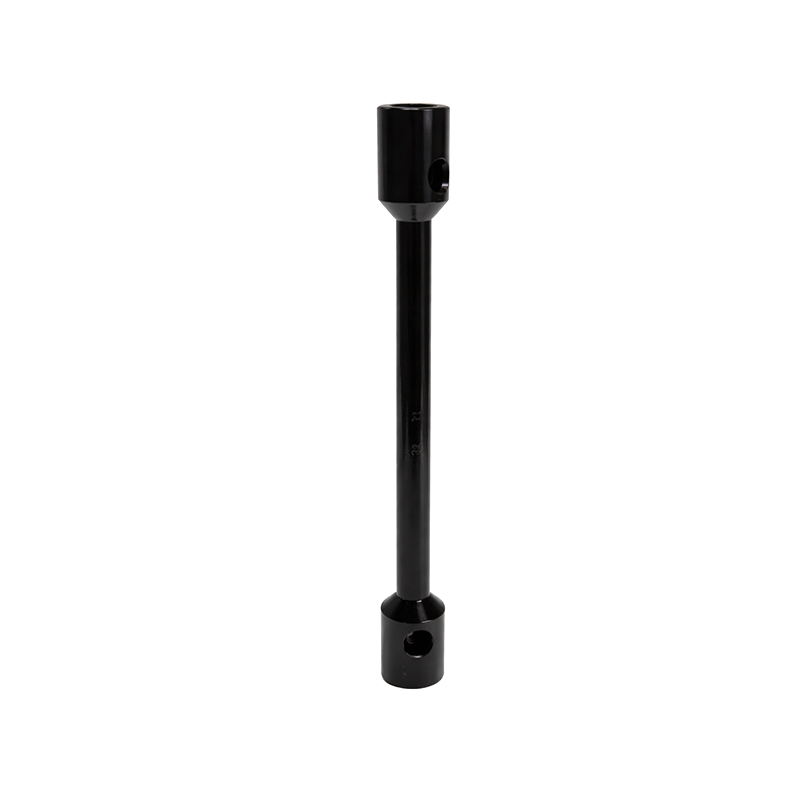 Carbon Steel Heavy Duty Two Way Wheel Spanner
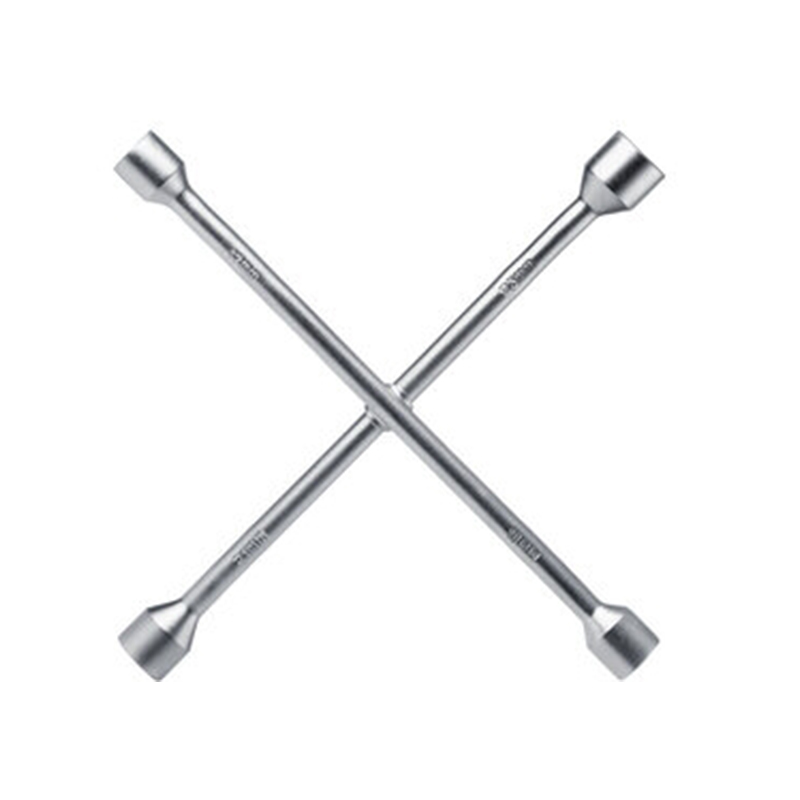 Carbon Steel 4*30*100 Car Wheel Lug Nut Cross Wrench
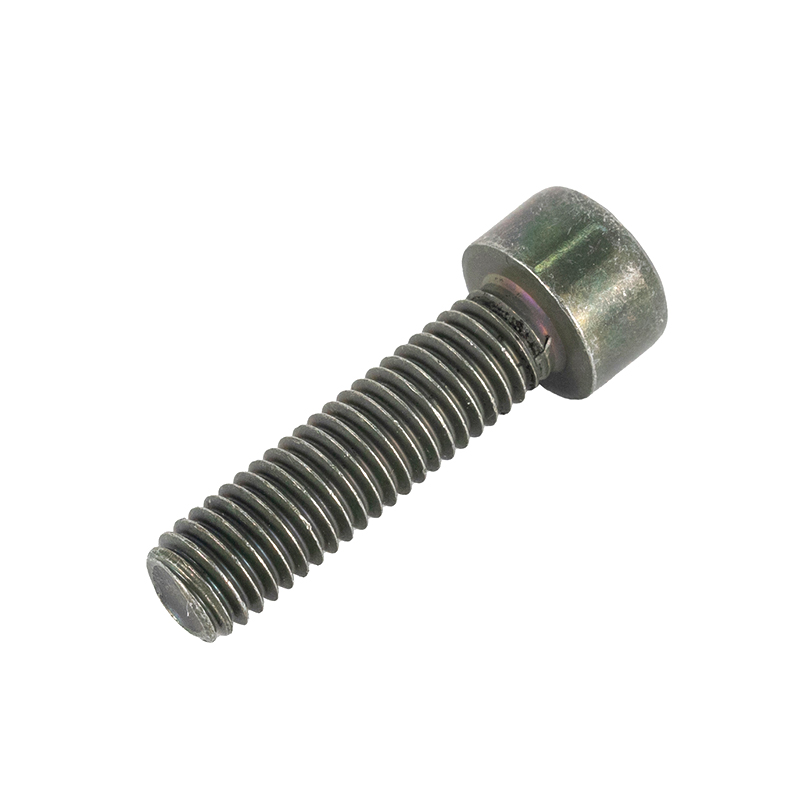 M3*40 Carbon Steel Black Oxide Hexagon Socket Screws
 Contact Information
 Address



 中文简体
中文简体 Português
 Español
 Deutsch
 русский
 عربى
عربى