
Content
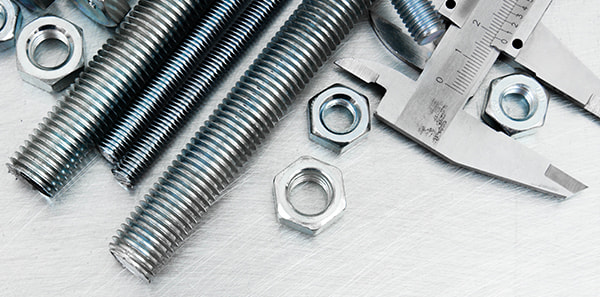
Bolts are fasteners used to securely join components in machinery, construction, automotive, and household applications. They are manufactured in either metric or standard (imperial) sizes, and identifying the type correctly is crucial for selecting the right nut or tool for installation.
Metric bolts are measured in millimeters, while standard bolts use inches. The two systems have different thread patterns, head markings, and sizing conventions, making it important to distinguish them accurately to avoid cross-threading or improper fastening.
One of the first steps in determining if a bolt is metric or standard is to examine the markings on the bolt head. Manufacturers often stamp numbers and letters that indicate the bolt grade, material, and thread type.
Metric bolts may include numbers such as 8.8, 10.9, or 12.9, which indicate tensile strength according to ISO standards. Standard bolts often display markings like 2, 5, or 8, referencing SAE strength grades. Unmarked bolts require measurement for confirmation.
Accurate measurement of the bolt diameter and thread pitch is the most reliable method to identify whether a bolt is metric or standard. Use a caliper or thread gauge to measure:
By comparing the measurements to standard charts, you can confirm the bolt type and select the correct mating nut or tool.
Thread pitch charts list common bolt diameters and corresponding thread spacing for both metric and standard bolts. This makes it easier to match unknown bolts to their system.
| Bolt Type | Diameter | Thread Pitch | Measurement Unit |
| Metric | M6, M8, M10 | 1.0, 1.25, 1.5 mm | Millimeters |
| Standard | #10, 1/4", 5/16" | 20, 18, 16 TPI | Inches |
Several tools make it easier to distinguish between metric and standard bolts:
When unsure, always measure multiple bolts from the same batch to confirm consistency. Metric bolts often have finer threads and smoother angles compared to standard bolts. Avoid forcing nuts onto bolts if the fit is tight, as mixing systems can strip threads.
Proper identification ensures correct assembly, reduces the risk of damage, and improves the reliability of mechanical connections in construction, automotive, and industrial applications.
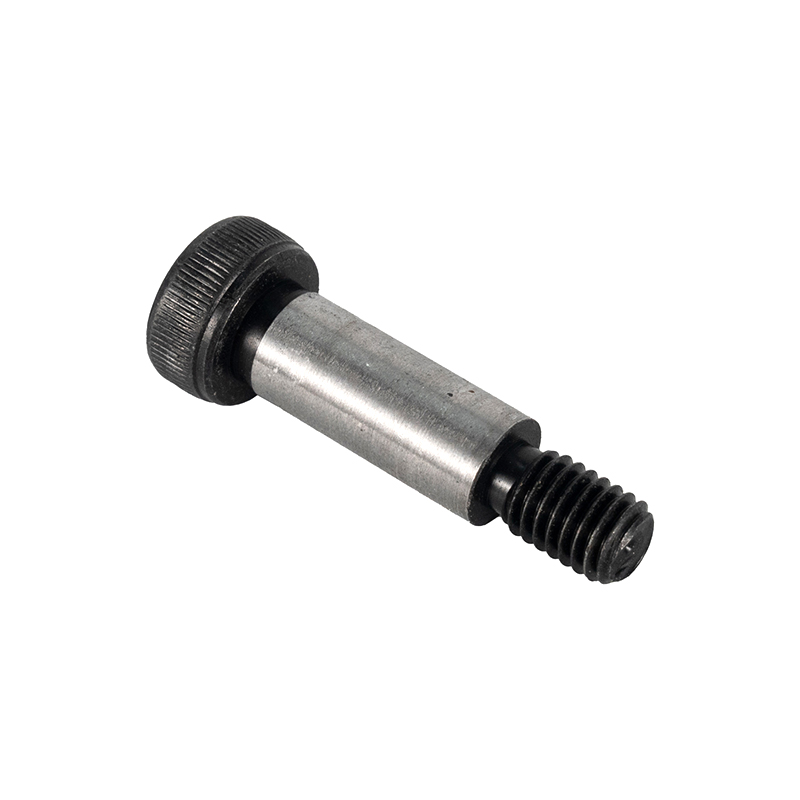 Carbon Steel 1-8 UNC x 4" Metric Shoulder Bolts
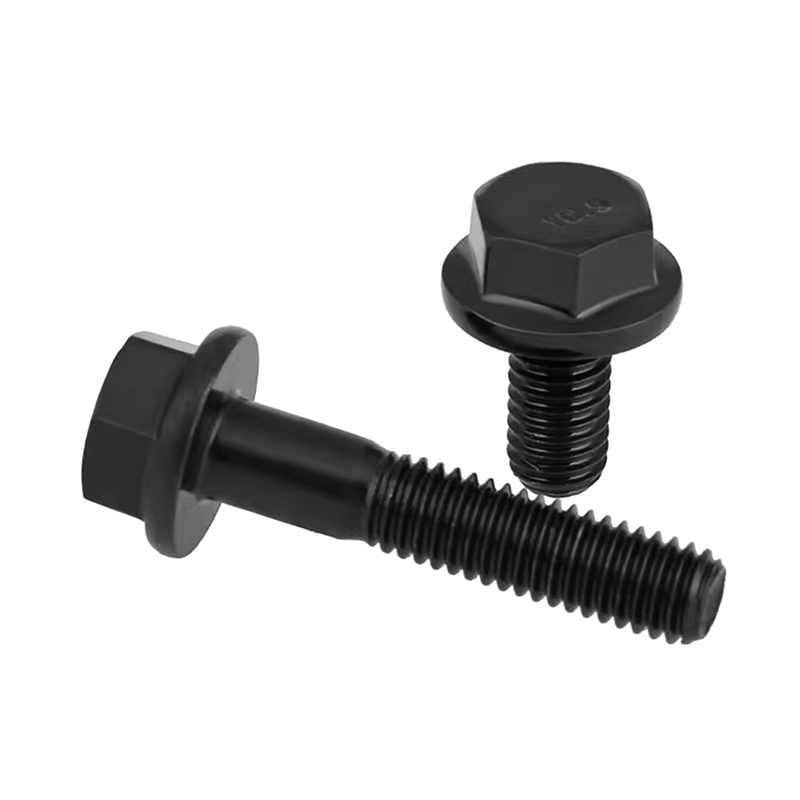 Alloy Steel M6*20 Galvanized Hexagonal Flange Bolts
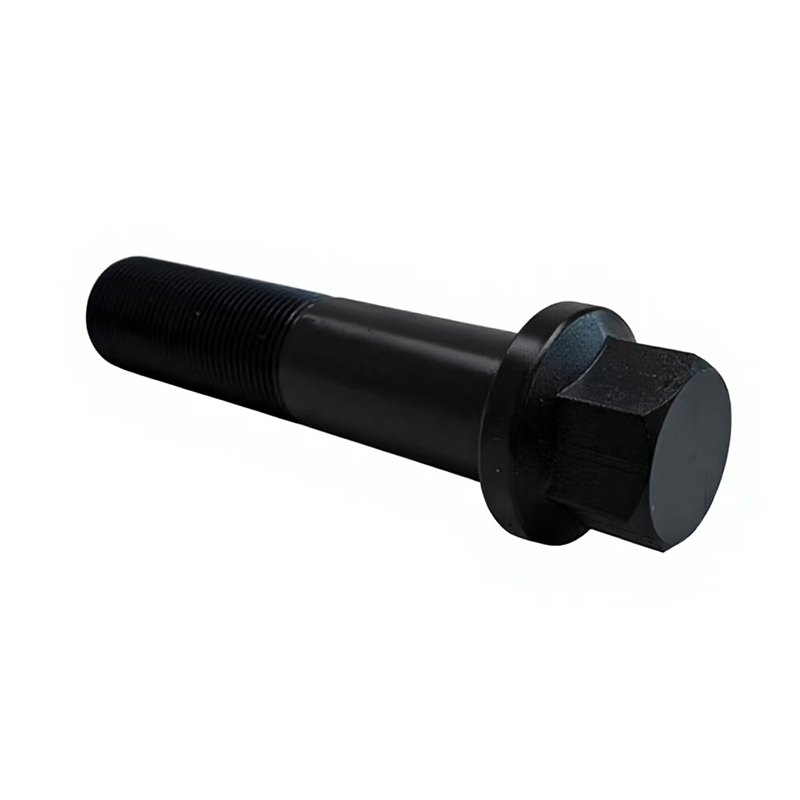 M8×40 Carbon Steel Grade 8.8 Black Cylinder Head Flange Bolts
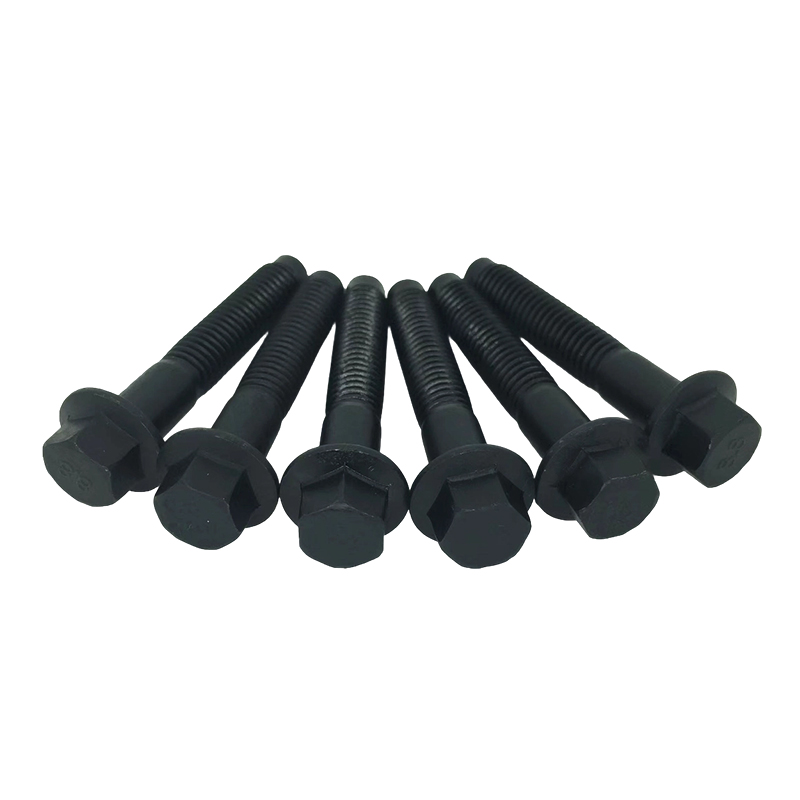 M5*10 Grade 8.8 Carbon Steel Flanged Hex Head Bolts
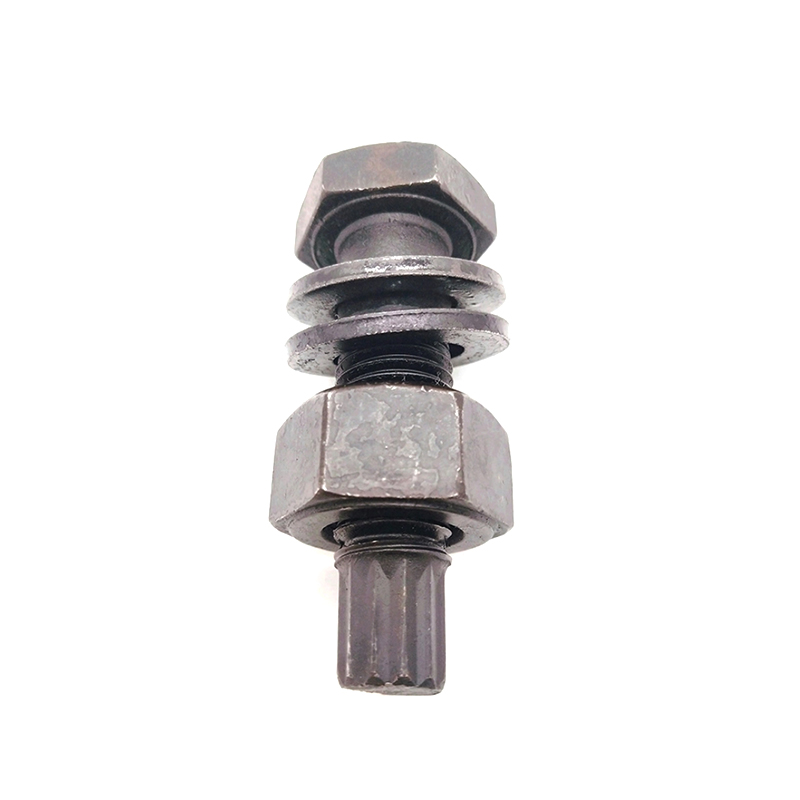 M24*200 Alloy Steel High-Strength Bolts for Steel Structure
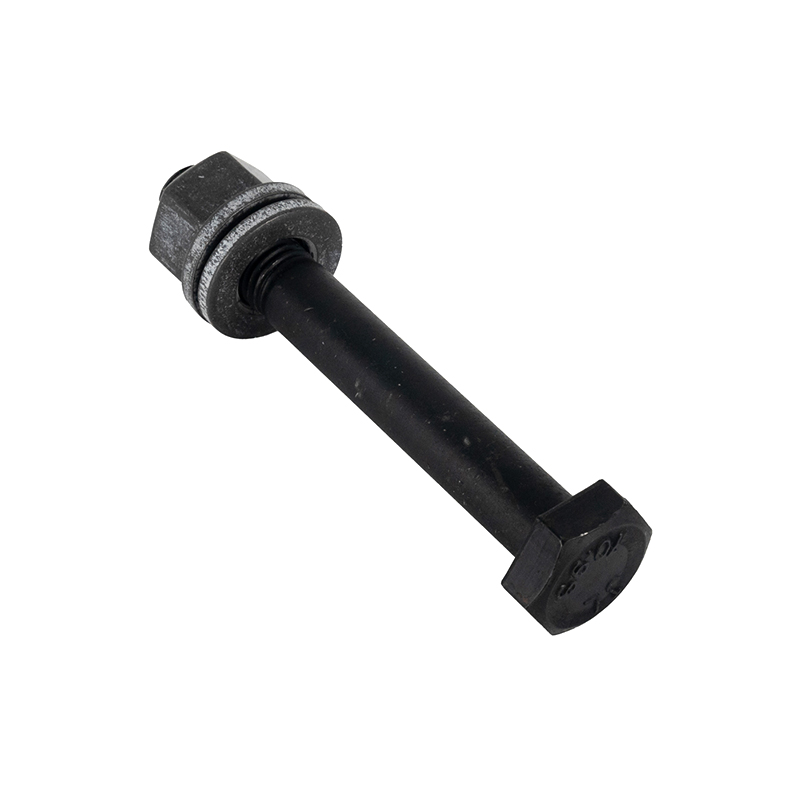 Steel Structure M20*120 Zinc Plated High-Strength Bolts
 Contact Information
 Address



 中文简体
中文简体 Português
 Español
 Deutsch
 русский
 عربى
عربى