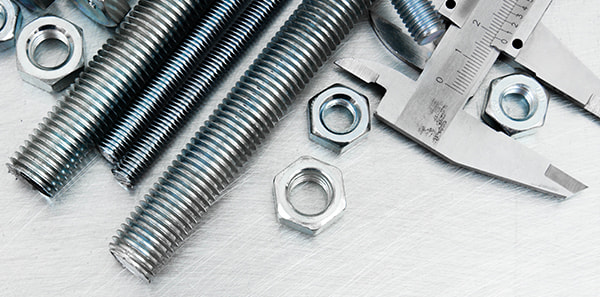

Content
Carbon steel hexagon screws and alloy steel hexagon screws differ primarily in composition and performance focus. Carbon steel relies mainly on carbon content to achieve strength, while alloy steel incorporates additional elements such as chromium or molybdenum to enhance mechanical properties. Choosing carbon steel over alloy steel is often a deliberate decision based on load requirements, cost control, and application environment rather than maximum strength alone.
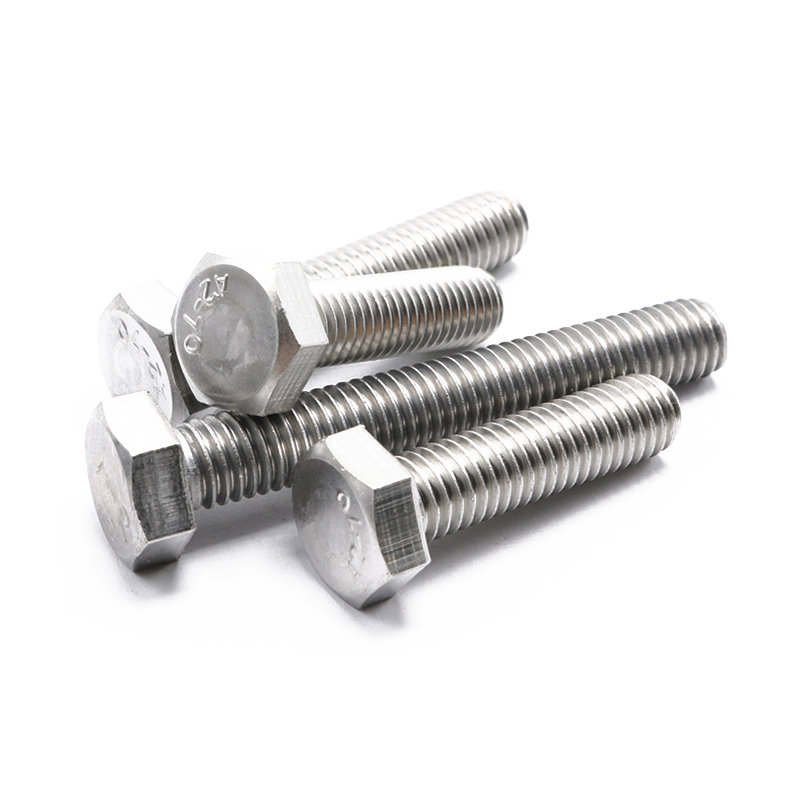
Carbon steel hexagon screws are suitable when the connection does not require extreme tensile or yield strength. Many structural and mechanical assemblies operate well within the load capacity provided by standard carbon steel grades. In such cases, selecting alloy steel would not improve functional performance but would increase material cost.
When projects involve high fastener quantities, material cost becomes a significant factor. Carbon steel hexagon screws offer a balance between mechanical reliability and procurement efficiency. For assemblies where alloy-level strength is unnecessary, carbon steel reduces overall project cost without compromising safety or service life.
Many construction and engineering standards specify carbon steel fasteners for routine connections. In these applications, design calculations already account for the mechanical properties of carbon steel. Using alloy steel would not align with the original design assumptions and may complicate certification or inspection processes.
Carbon steel hexagon screws generally provide predictable torque-to-clamp-force behavior. This makes them easier to install in field conditions where torque control equipment may be limited. Alloy steel fasteners often require stricter torque management due to their higher strength and reduced margin for over-tightening.
In assemblies not exposed to high shock loads, sudden impacts, or extreme cyclic stress, carbon steel hexagon screws deliver stable performance. Alloy steel fasteners are better suited for high-stress dynamic systems, while carbon steel remains appropriate for static or low-variation loads.
Carbon steel hexagon screws are commonly selected when environmental conditions are controlled or when surface treatments provide sufficient corrosion protection. In indoor installations or protected outdoor assemblies, carbon steel combined with suitable coatings meets durability requirements without the need for alloy enhancement.
| Condition | Carbon Steel Suitability | Alloy Steel Necessity |
| Moderate static loads | Appropriate | Not required |
| High impact or shock loads | Limited | Recommended |
Carbon steel hexagon screws are easier to replace and more readily available across global supply chains. For equipment that undergoes regular maintenance or disassembly, selecting carbon steel simplifies spare part management and reduces downtime caused by sourcing specialized alloy fasteners.
Carbon steel hexagon screws should be used instead of alloy steel when application loads, environmental conditions, and design standards align with their mechanical capabilities. A practical evaluation of actual service requirements allows engineers and buyers to avoid unnecessary over-specification while maintaining reliable fastening performance.
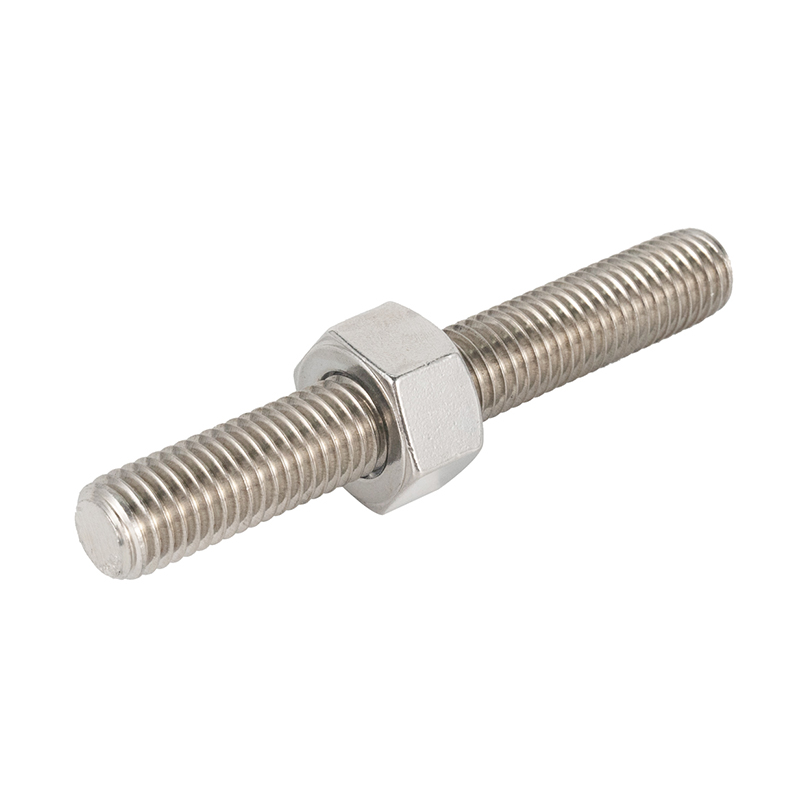 M10×300 Carbon Steel Grade 8.8 Galvanized Fully Threaded Rods
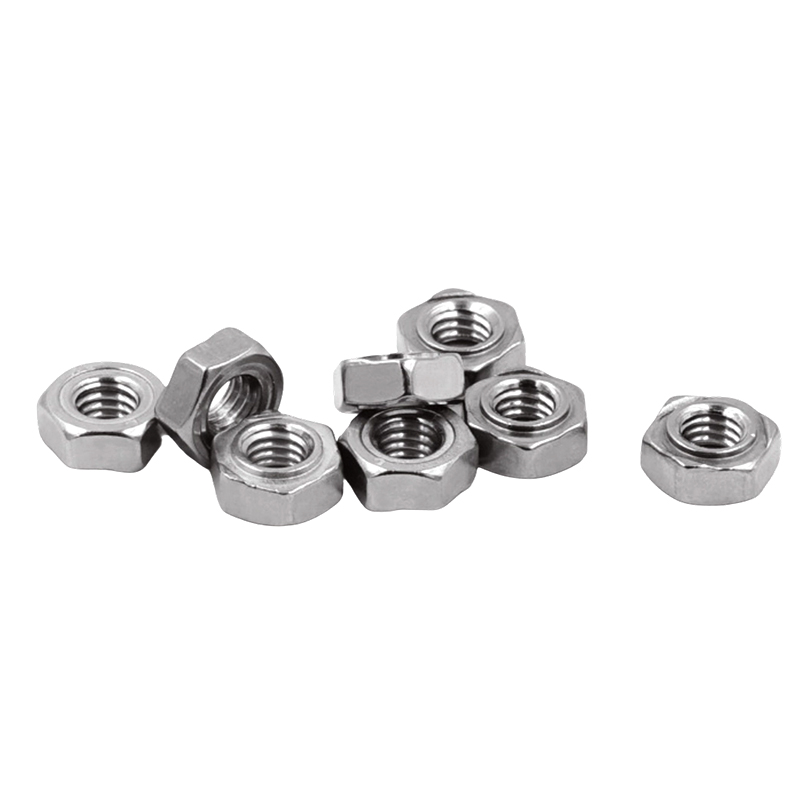 DIN934 Stainless Steel 316 M1 Hex Nuts
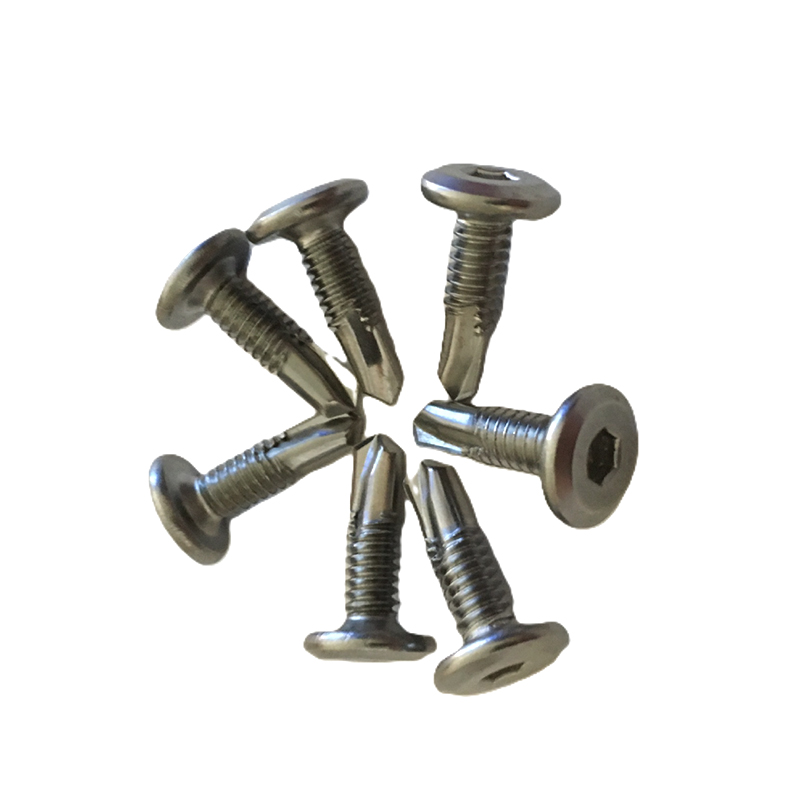 DIN7504M 410 Stainless Steel Self Drilling Tail Screws
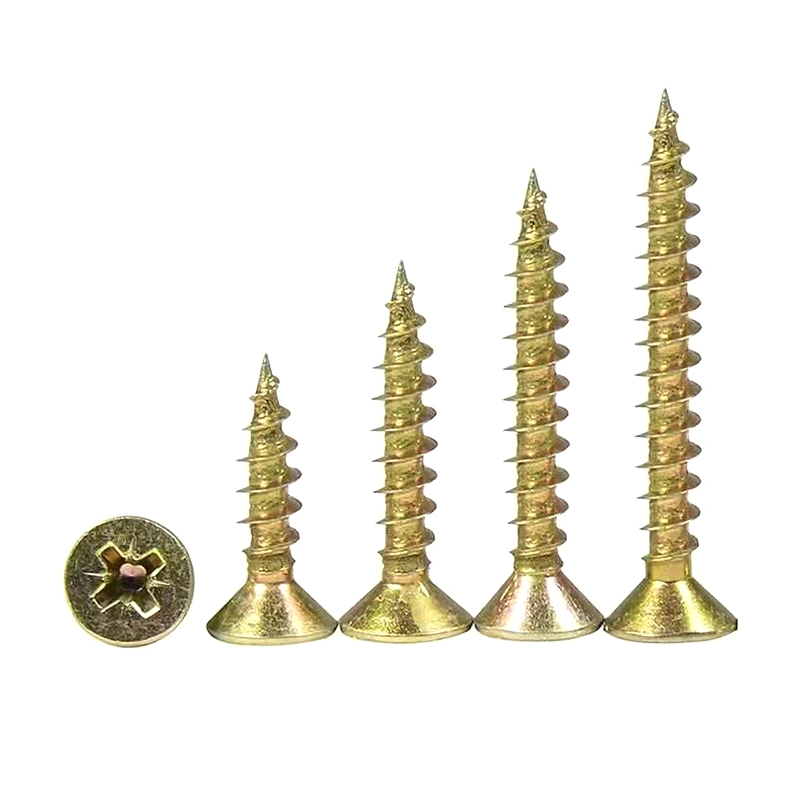 ST3.5*8 Black Zinc Self Tapping Screws
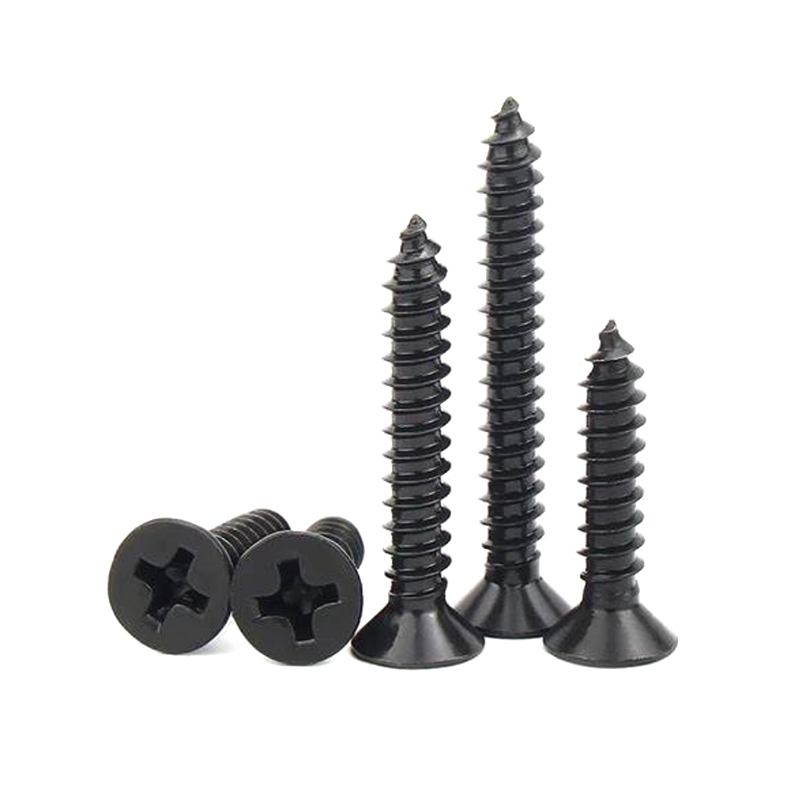 ST3.5*6.5 DIN7981 Stainless Steel 304 Plain Self Tapping Screws
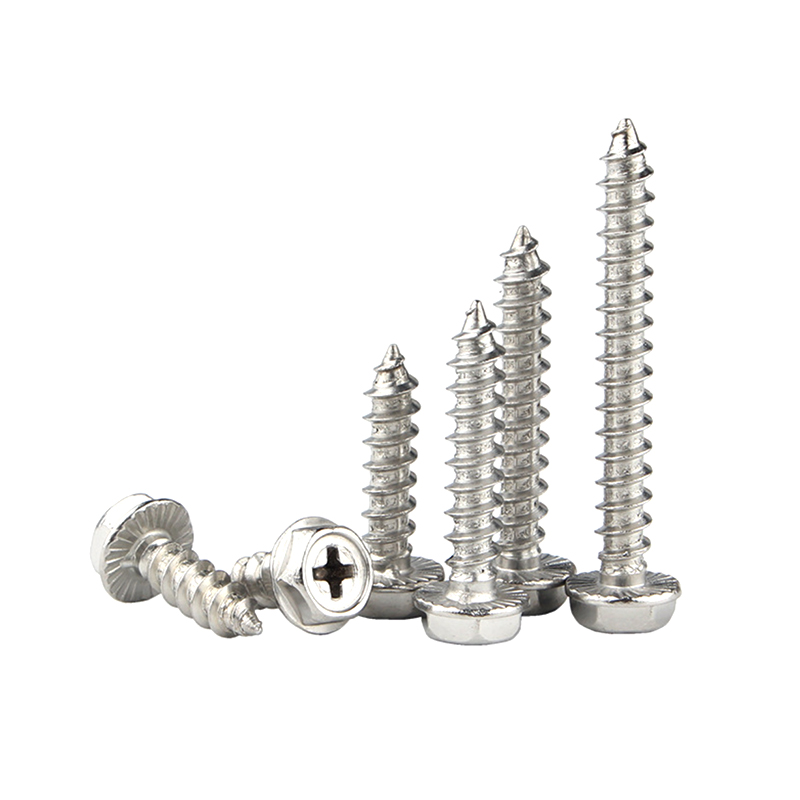 ST3.9*6.5 Galvanized Self Tapping Screws for Metal
 Contact Information
 Address



 中文简体
中文简体 Português
 Español
 Deutsch
 русский
 عربى
عربى