
Content
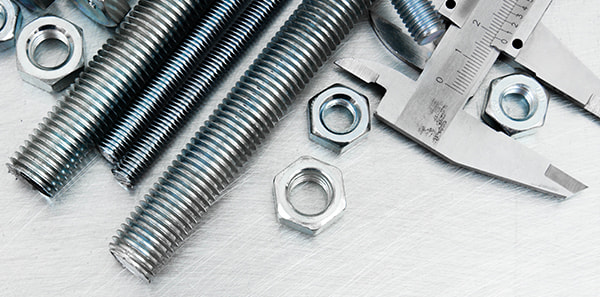
A full threaded rod bar is a continuous-thread fastener designed to provide adjustable clamping and load distribution along its entire length. Because threads extend from one end to the other, nuts and connectors can be installed at any position, allowing flexible fastening, tensioning, and alignment in structural, mechanical, and construction applications.
Compared with partially threaded bolts, full threaded rod bars offer greater versatility during installation. Engineers often select them when assemblies require adjustable spacing, long anchor connections, or the ability to cut rods to custom lengths on site. These characteristics make them widely used in steel structures, HVAC suspension systems, equipment mounting frames, and reinforced concrete anchoring systems.
In many industrial projects, installers choose rod diameters ranging from M6 to M36 depending on load requirements. For example, M12 or M16 threaded rods are frequently used in building support systems where loads typically range between several hundred kilograms and several tons. The exact capacity depends on material grade, installation method, and thread engagement length.
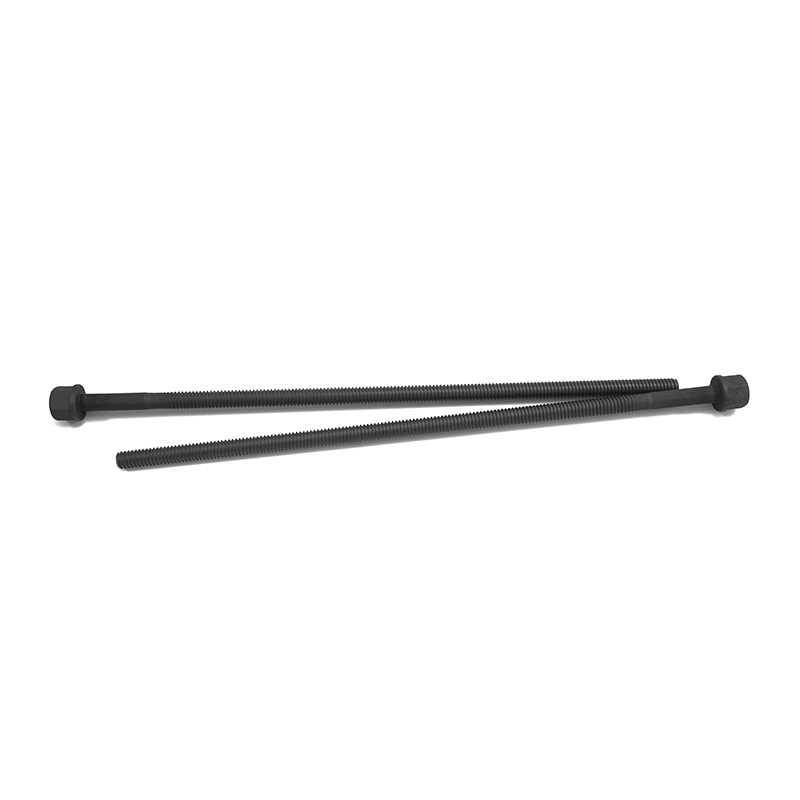
The defining feature of a full threaded rod bar is its uninterrupted thread profile. This design significantly improves installation flexibility because nuts, washers, couplers, and anchors can be positioned anywhere along the rod. When connecting multiple structural components, the installer can easily adjust alignment without replacing the fastener.
Another advantage is the ability to cut rods to specific lengths without losing usable thread sections. In construction sites, rods are commonly delivered in lengths such as 1 meter, 2 meters, or 3 meters and then trimmed according to project requirements. Since threads extend across the entire rod, the remaining segments remain functional after cutting.
These characteristics make full threaded rod bars especially useful in suspended installations such as pipe supports or cable trays, where height adjustment and positioning accuracy are essential.
Material selection plays a critical role in determining the load capacity, corrosion resistance, and service life of threaded rods. Manufacturers produce full threaded rod bars in several material grades depending on the intended environment and mechanical requirements.
| Material | Typical Grade | Application Example |
|---|---|---|
| Carbon Steel | 4.8 / 5.8 / 8.8 | General construction and mechanical fastening |
| Alloy Steel | 10.9 / 12.9 | High-load industrial equipment connections |
| Stainless Steel | A2 / A4 | Marine, outdoor, and corrosive environments |
For outdoor installations or humid environments, stainless steel threaded rods are often selected because they resist rust without requiring additional coatings. In contrast, carbon steel rods may use protective finishes such as galvanizing to extend corrosion resistance.
Full threaded rod bars are widely used across multiple industries because they combine structural strength with installation flexibility. Their ability to connect components across long distances makes them valuable in infrastructure and mechanical assembly systems.
For example, in a suspended pipe support system installed in industrial plants, M16 threaded rods can support loads exceeding 2,000 kilograms when properly anchored and installed with suitable safety factors. This capability makes them suitable for large mechanical installations.
Selecting the appropriate threaded rod requires evaluating load conditions, environmental exposure, and installation requirements. Engineers typically consider several key parameters before choosing the rod diameter and material grade.
In practical engineering scenarios, choosing a rod diameter one size larger than the calculated minimum requirement is a common safety approach. This practice provides additional load capacity and improves reliability in long-term installations.
Proper installation also plays a crucial role. Adequate thread engagement length, correct torque application, and suitable washers or locking nuts help maintain stable connections and prevent loosening during operation.
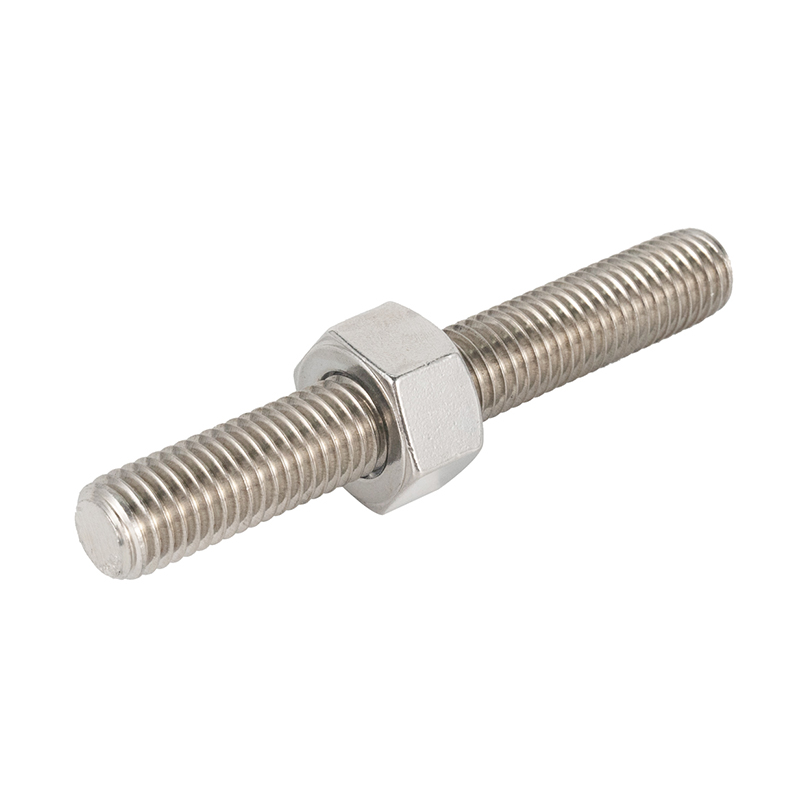 M10×300 Carbon Steel Grade 8.8 Galvanized Fully Threaded Rods
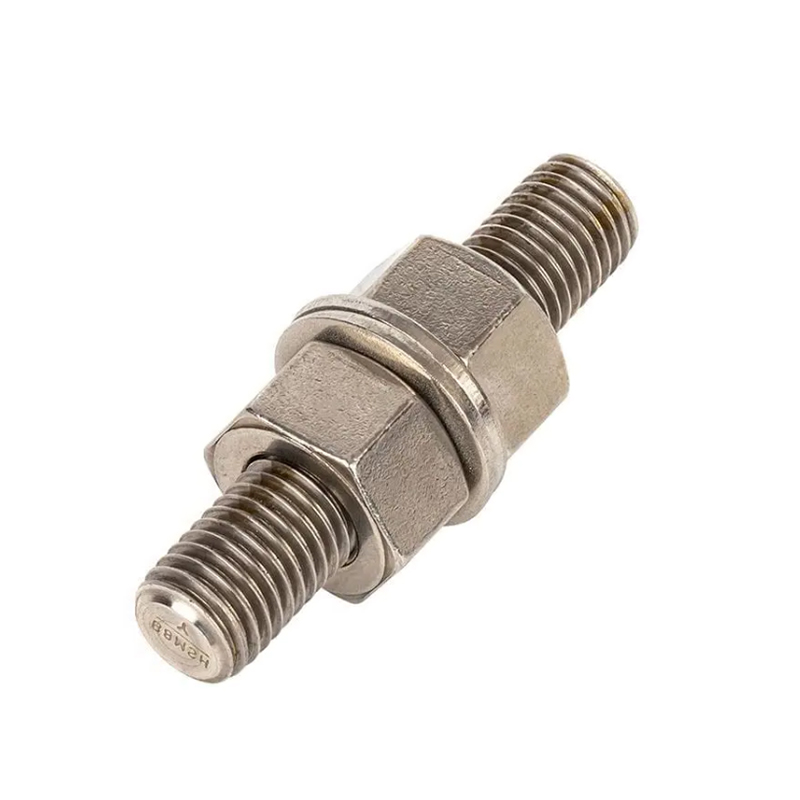 L7 Galvanized / Black / HDG Surface 3/4*10" Full Threaded Bar
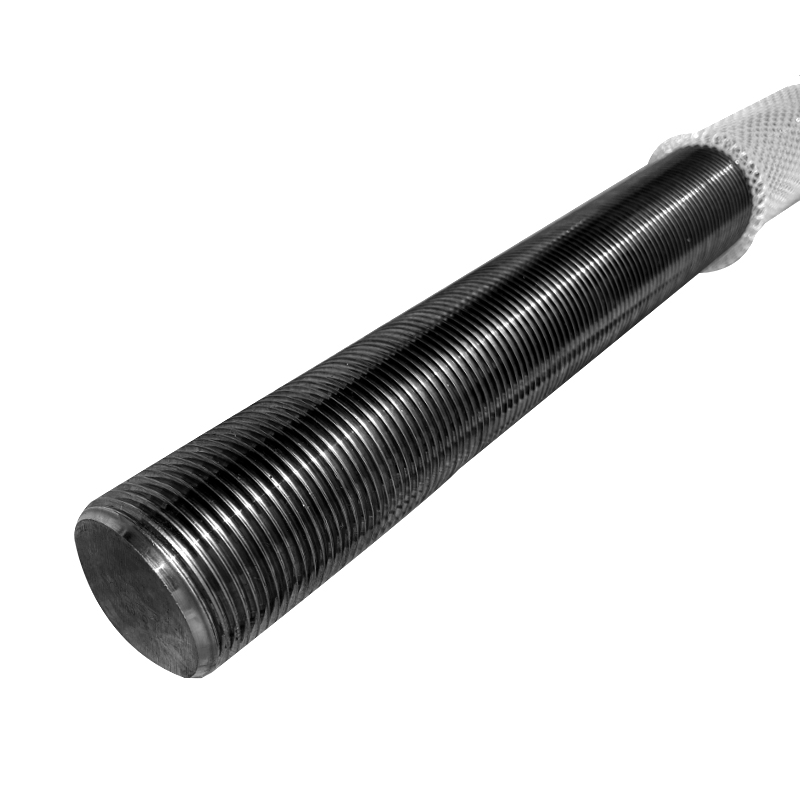 M27*300 PTFE Blue / Dacromet Coated ASTM A320 L7 Fully Threaded Rods
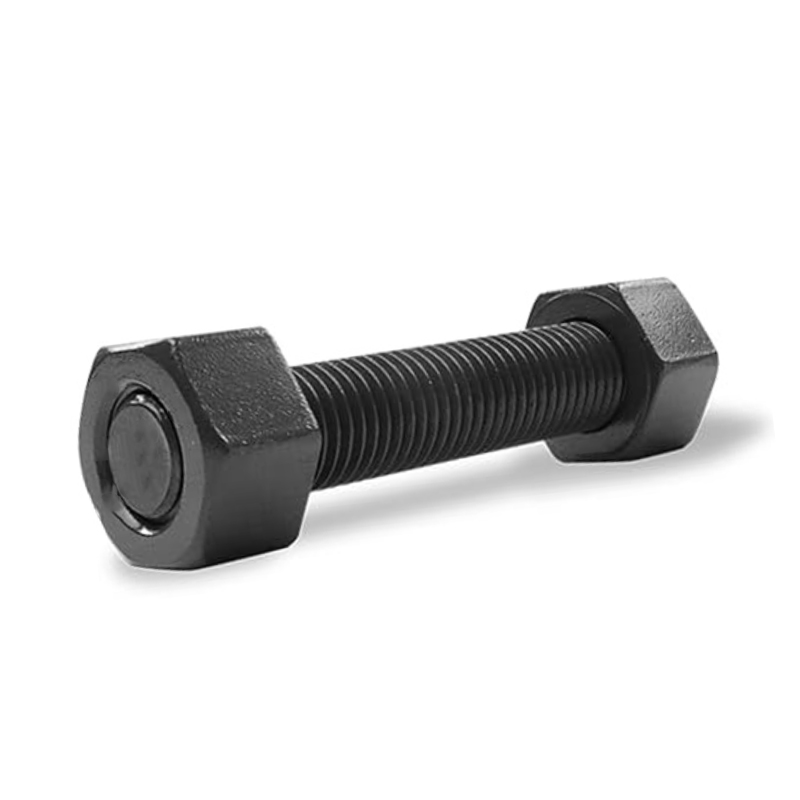 Carbon Steel M16×300 Grade 8.8 Galvanized / Black Full Threaded Bar
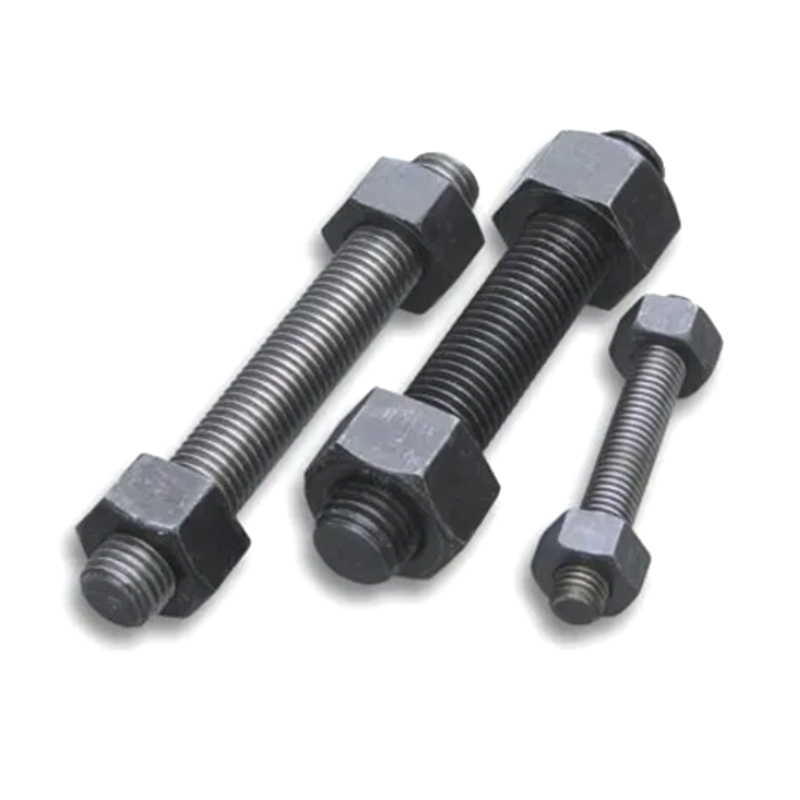 M16*300 Carbon Steel Grade 8.8 PTFE Blue Coated Fully Threaded Studs
1-8 UNC *5" Alloy Steel ASTM A193 B7 Threaded Rods
M16*300 Carbon Steel Grade 8.8 PTFE Blue Coated Fully Threaded Studs
1-8 UNC *5" Alloy Steel ASTM A193 B7 Threaded Rods
 Contact Information
 Address



 中文简体
中文简体 Português
 Español
 Deutsch
 русский
 عربى
عربى