
Content
Automotive screws play a critical role in modern vehicle engineering, providing secure fastening solutions across structural, mechanical, and aesthetic components. As a specialized category of fasteners, automotive screws must meet strict performance requirements, including vibration resistance, corrosion protection, and precise torque control. The concept of a series profile refers to the standardized geometry, thread design, and dimensional characteristics that define how a screw performs in specific automotive applications. Understanding both automotive screws and their series profile is essential for engineers, manufacturers, and maintenance professionals.
Automotive screws are designed to withstand demanding conditions such as temperature fluctuations, mechanical stress, and exposure to moisture or chemicals. Their structural integrity and reliability are crucial for vehicle safety and longevity.
Common materials include carbon steel, stainless steel, and alloy steel. Carbon steel screws offer strength and cost-effectiveness, while stainless steel provides superior corrosion resistance. In some cases, brass or plastic screws are used for lightweight or non-conductive applications. The material selection directly impacts durability, load-bearing capacity, and environmental resistance.
Thread geometry is a defining feature of automotive screws. Fine threads are often used for precision assemblies, while coarse threads are preferred for faster installation and better performance in softer materials. The thread profile must ensure optimal grip and minimize loosening under vibration.
Surface coatings such as zinc plating, black oxide, or phosphate coatings are applied to enhance corrosion resistance and reduce friction during installation. Advanced coatings may also provide anti-seize or anti-galling properties, which are essential in high-performance automotive environments.
Different types of automotive screws are used depending on the application. Each type is defined by its head style, drive type, and thread configuration, forming part of its series profile.
The series profile of automotive screws refers to a set of standardized parameters that define their geometry and compatibility. These parameters include thread pitch, diameter, head type, and drive system. A consistent series profile ensures interchangeability and compatibility across different automotive components and manufacturers.
Automotive screws follow international standards such as ISO, DIN, and SAE. These standards define the exact dimensions and tolerances for each series profile, ensuring that screws fit precisely into designated components. Accurate dimensions are critical for maintaining assembly integrity and preventing mechanical failure.
The drive system, such as Phillips, Torx, or hex, is part of the series profile. Automotive applications often favor Torx drives due to their ability to transmit higher torque with reduced risk of cam-out. The choice of drive system affects installation efficiency and tool compatibility.
Common head types include pan head, flat head, and hex head. Each configuration serves a specific purpose, such as flush mounting or providing a larger bearing surface. The head design is an integral part of the series profile, influencing both functionality and aesthetics.
Automotive screws are used throughout a vehicle, from the engine compartment to the interior trim. Their versatility makes them indispensable in both structural and non-structural applications.
| Type | Material | Application | Advantages |
| Self-tapping | Carbon Steel | Plastic/Sheet Metal | Easy installation |
| Machine Screw | Stainless Steel | Precision Assembly | High accuracy |
| Flange Screw | Alloy Steel | Structural Parts | Load distribution |
Choosing the right automotive screws involves evaluating several factors, including load requirements, environmental conditions, and compatibility with the existing series profile. Engineers should consider torque specifications, thread engagement length, and material compatibility to ensure optimal performance.
It is also important to select screws that comply with industry standards and are tested for automotive use. Using standardized series profile screws reduces the risk of assembly errors and improves maintenance efficiency.
Regular inspection of automotive screws is essential to maintain vehicle safety. Over time, screws may loosen due to vibration or thermal expansion. Applying proper torque during installation and using thread-locking compounds can help prevent loosening.
During maintenance, damaged or corroded screws should be replaced with identical components that match the original series profile. This ensures consistent performance and avoids compatibility issues.
As the automotive industry evolves, the design of automotive screws and their series profile continues to advance. Lightweight materials, improved coatings, and smart fastening technologies are becoming increasingly common. These innovations aim to enhance efficiency, reduce weight, and improve overall vehicle performance.
In electric and autonomous vehicles, the demand for precision and reliability is even higher. Automotive screws must adapt to new materials and assembly techniques, making the understanding of series profile more important than ever.
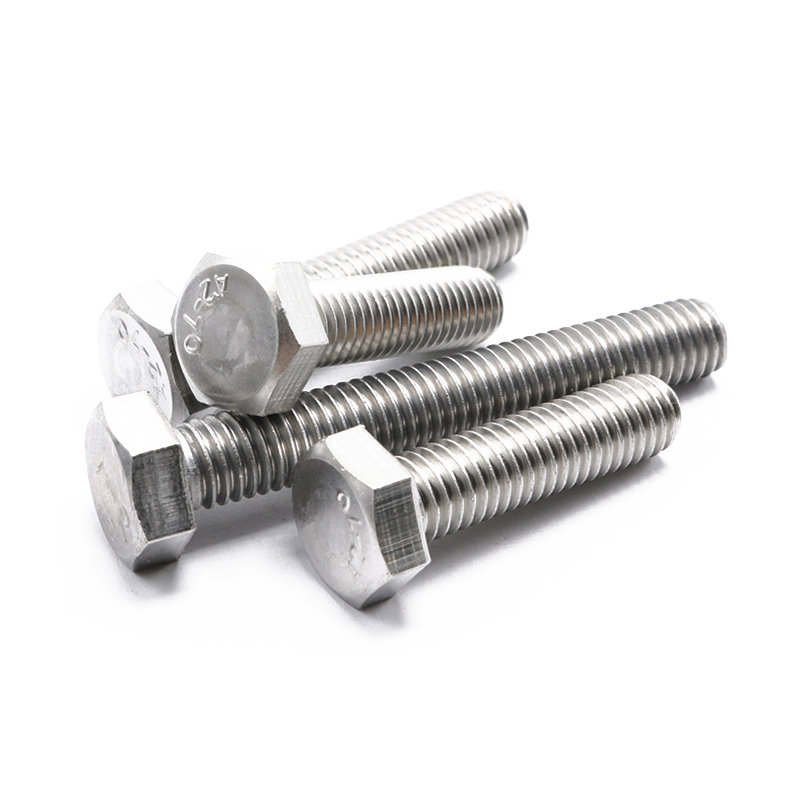
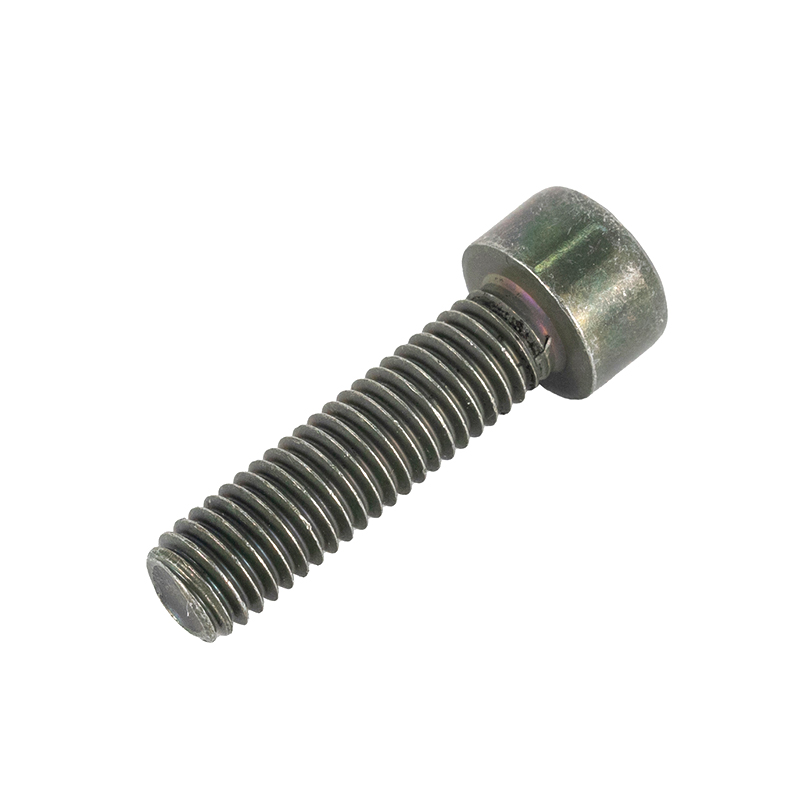 M3*40 Carbon Steel Black Oxide Hexagon Socket Screws
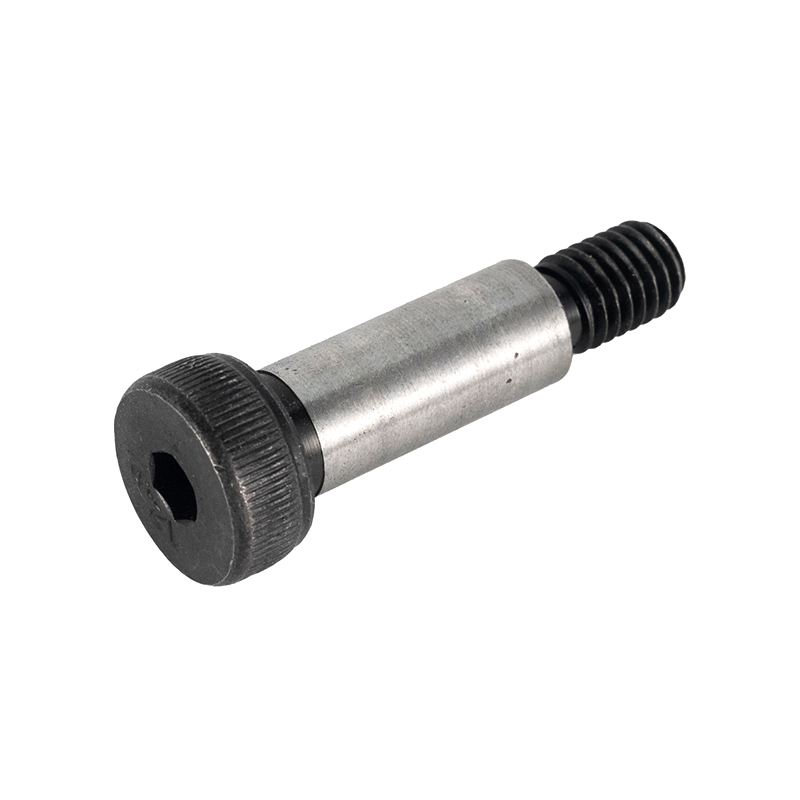 1-8 UNC x 5" Zinc Plated Alloy Steel Socket Head Shoulder Screws
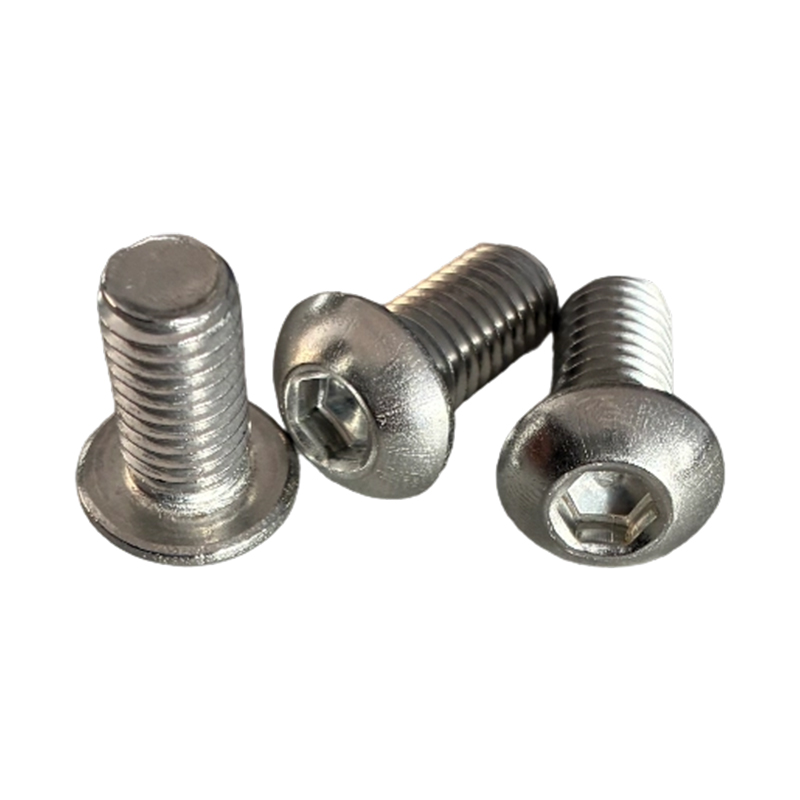 M3*40 Grade 8.8 Carbon Steel Black Button Screws
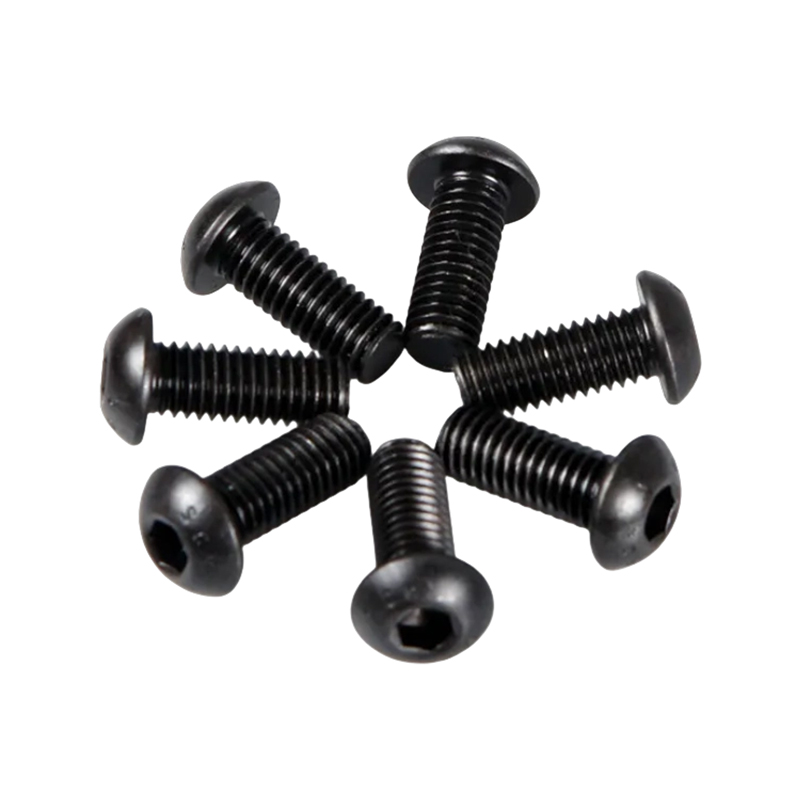 M6*100 Alloy Steel Black Phosphate Coated Button Screws
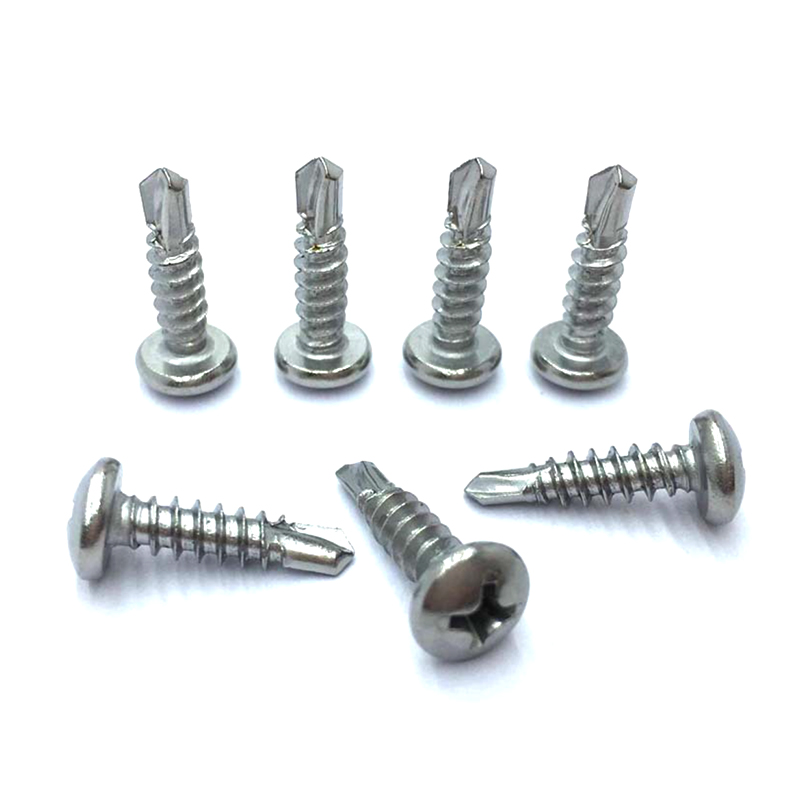 DIN 7504K SS304 Plain Cross Head Self Drilling Screws
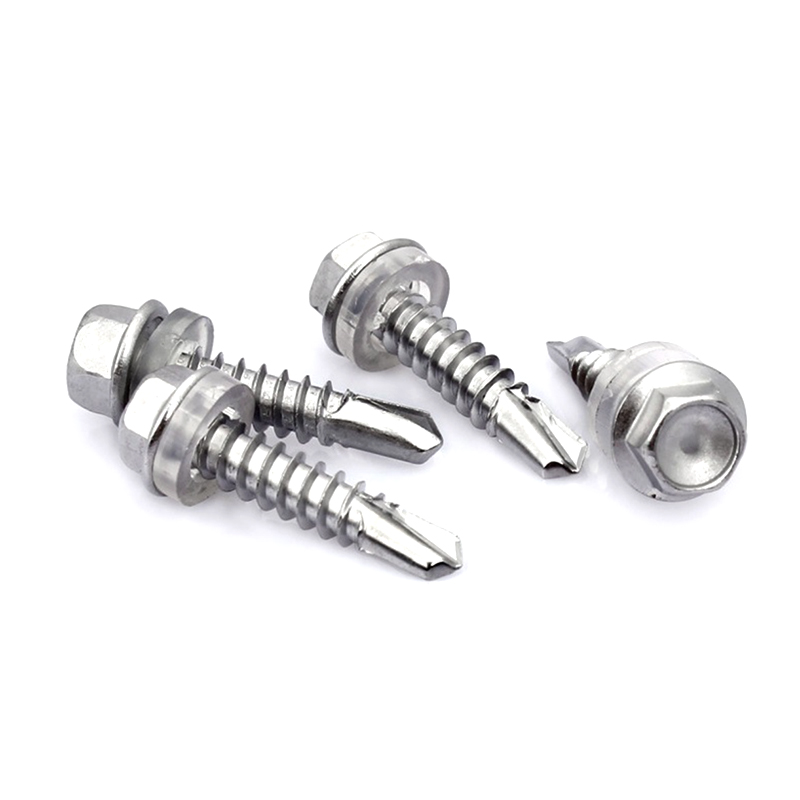 ST2.9*9.5 Stainless Steel Hex Socket Self Drilling Screws
 Contact Information
 Address



 中文简体
中文简体 Português
 Español
 Deutsch
 русский
 عربى
عربى