Industry Knowledge
How Substrate Type Should Drive Your Self-Tapping Screw Selection
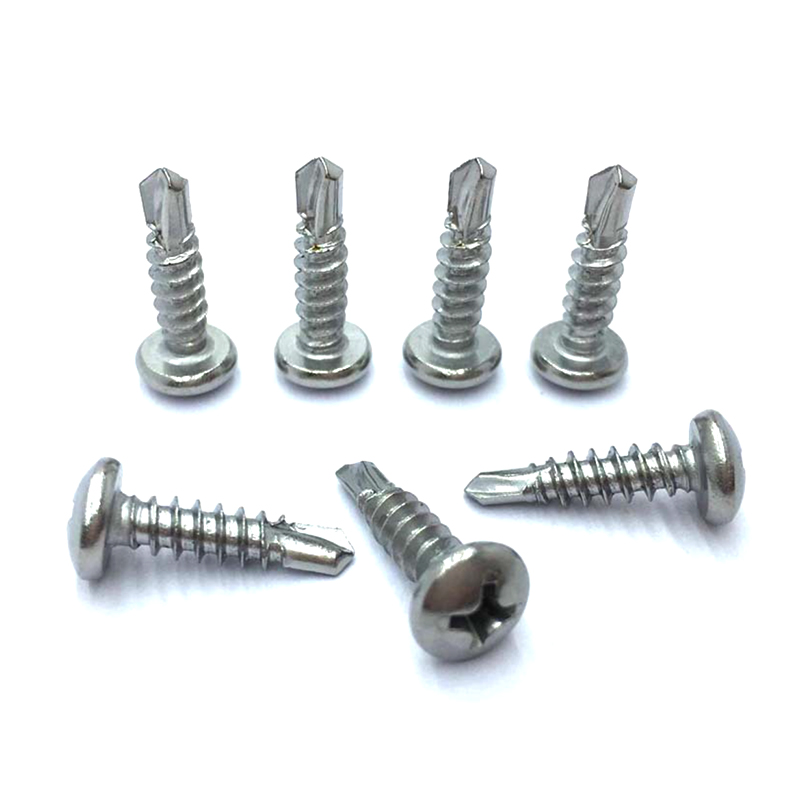
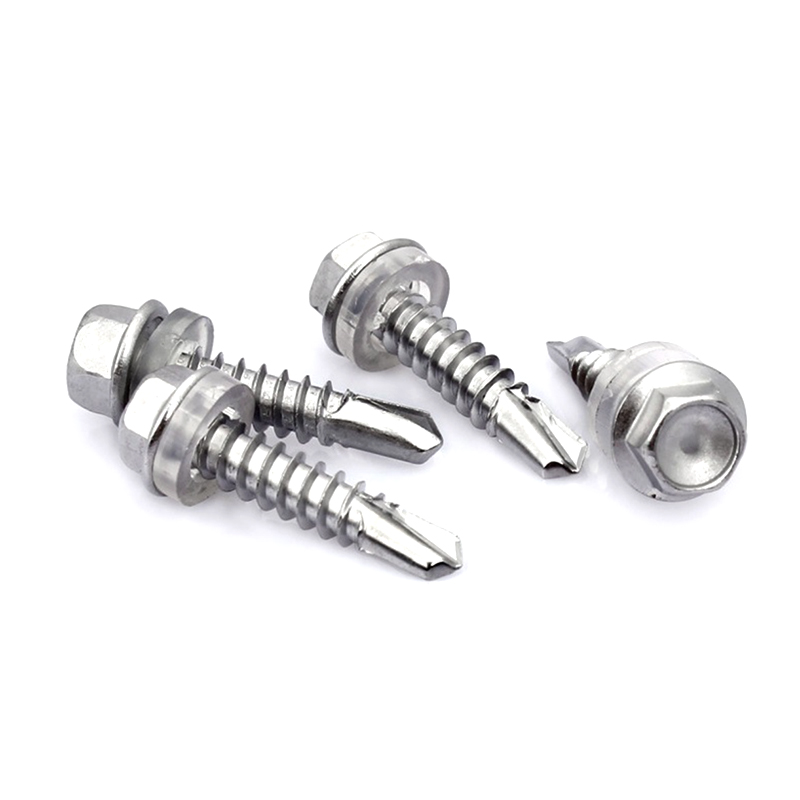
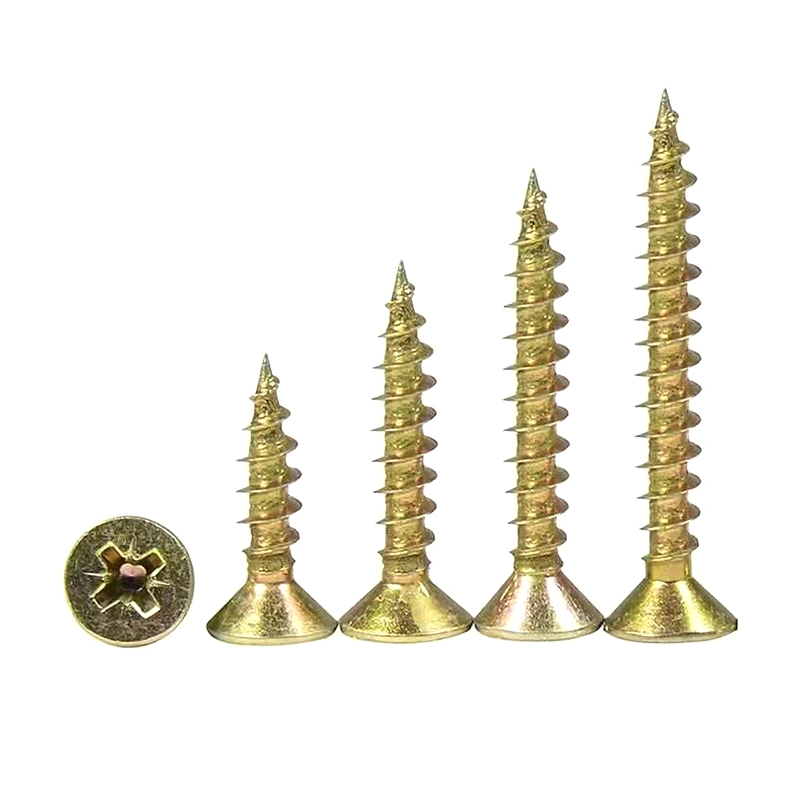
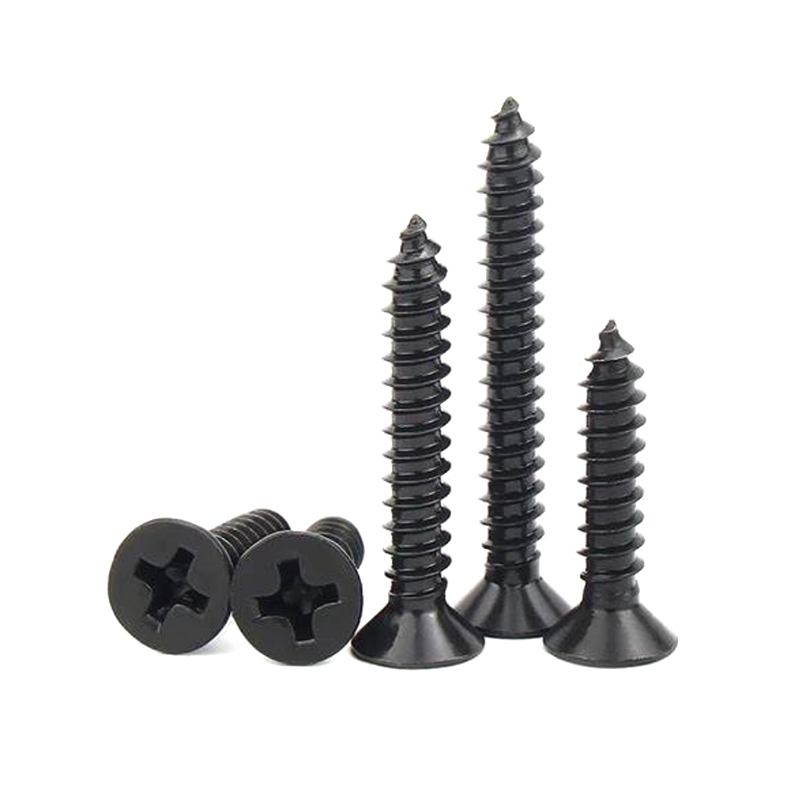
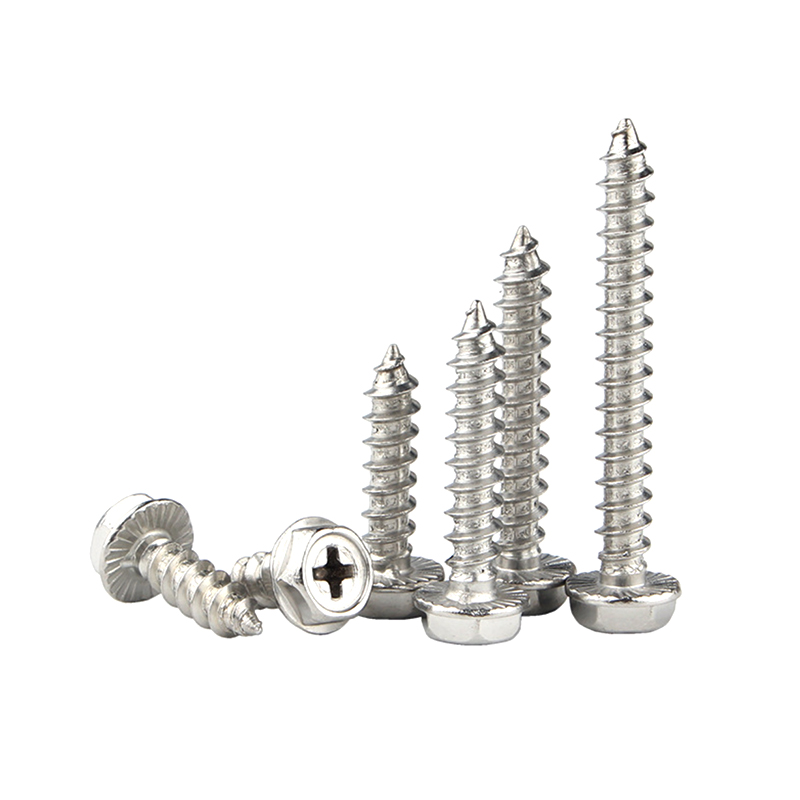
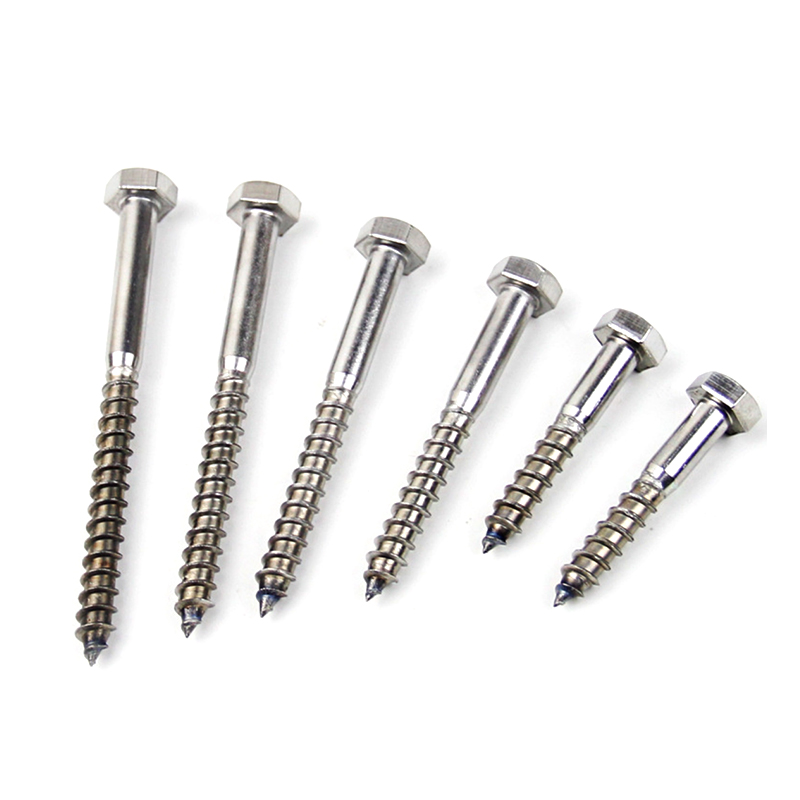
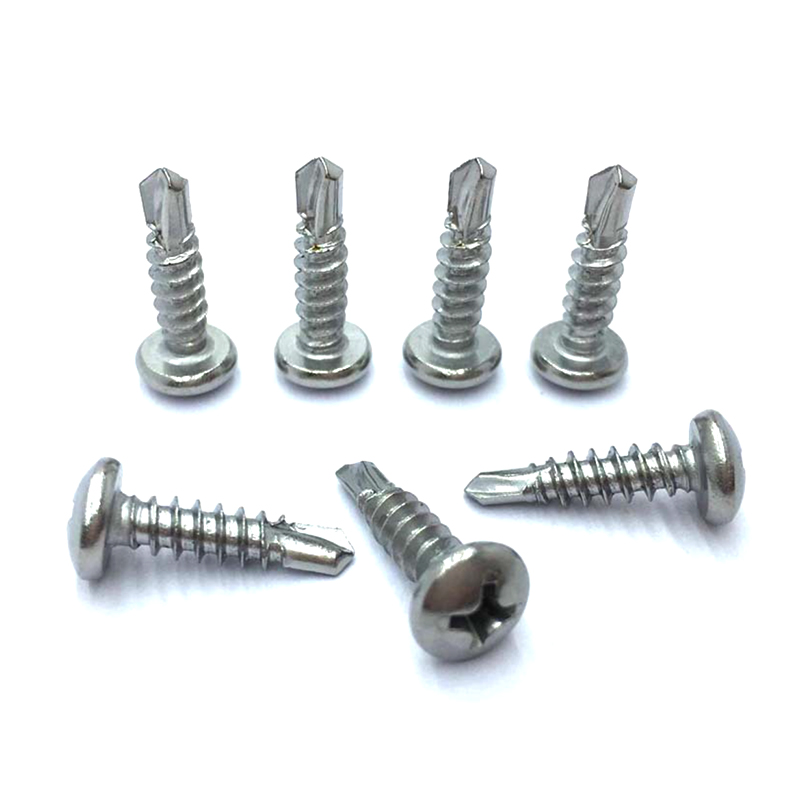
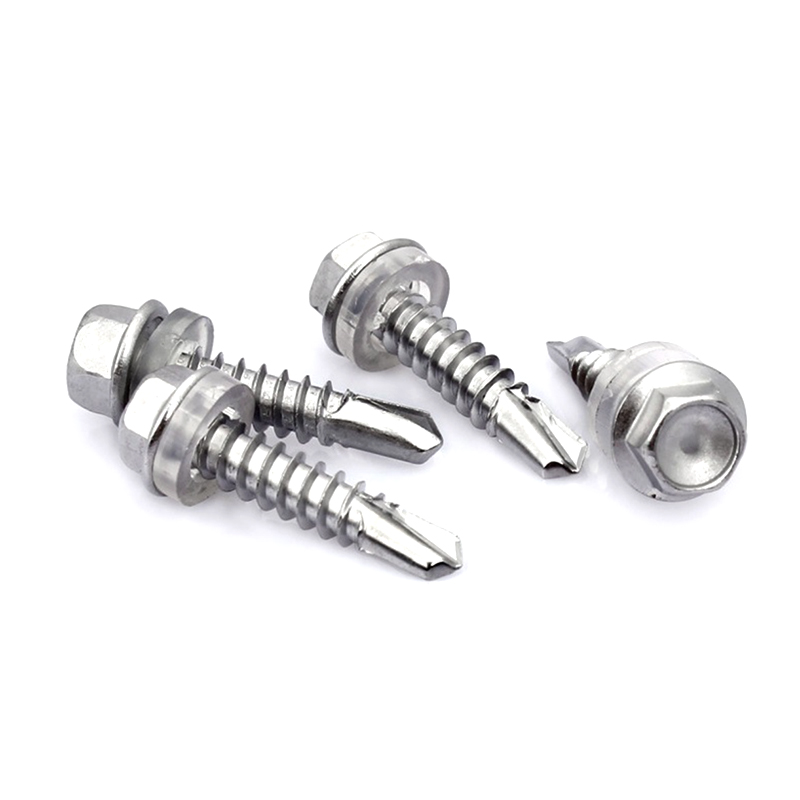
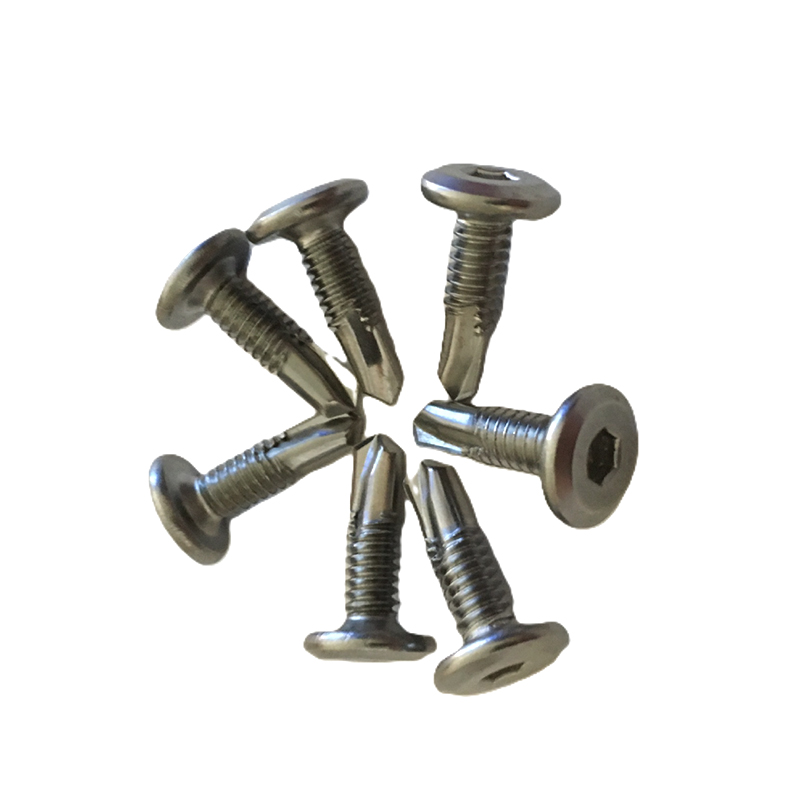
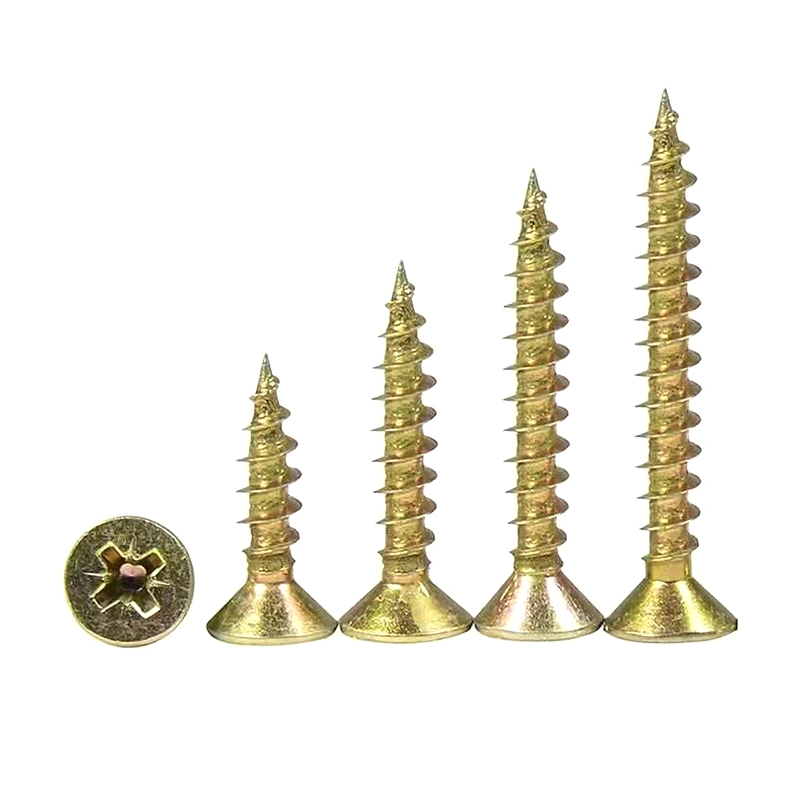
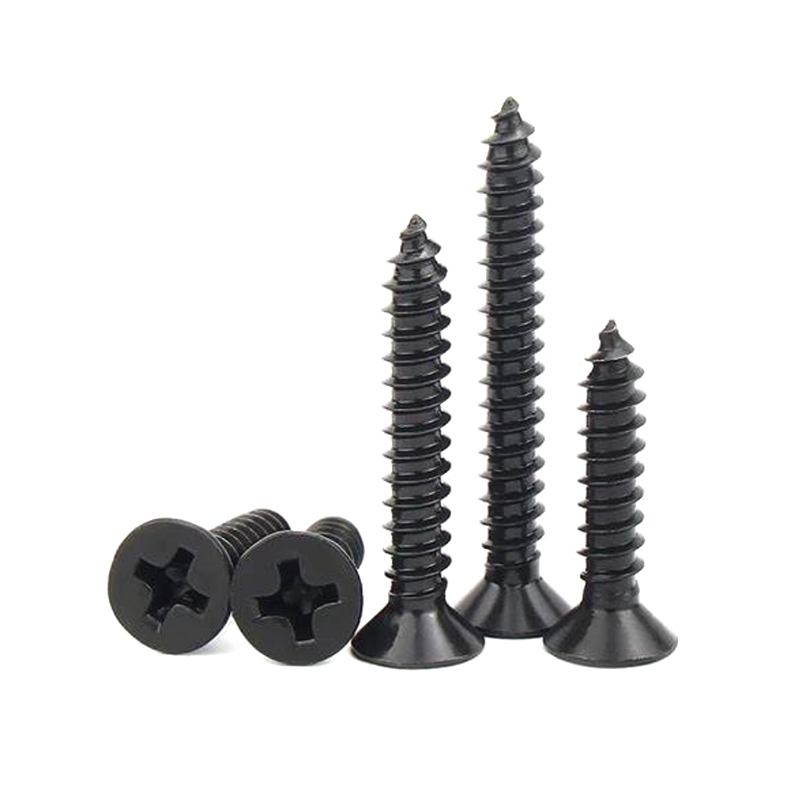
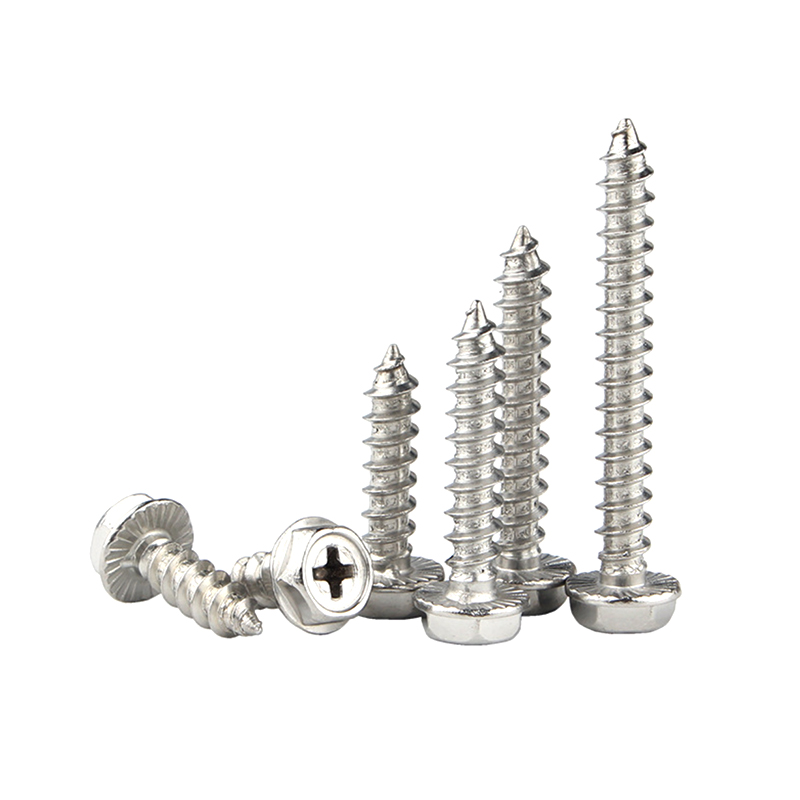
Choosing a self-tapping screw based solely on size is one of the most common and costly mistakes in fastening applications. The substrate material dictates not just the thread form but the tail geometry, the drive torque range, and whether thread-cutting or thread-forming action is appropriate. For thin sheet metal under 3mm, a pointed-tail (Type A or AB) self-tapping screw generates a tight thread engagement without pre-drilling, but only if the point angle and thread pitch are matched to the gauge. Flat-tail (blunt-tip) self-tapping screws are suited for plastic and pre-drilled holes in thicker materials, where a pointed end would split the substrate or misalign under vibration. Drill-tail (self-drilling) screws — often called TEK screws — integrate a drill bit tip with a tapping thread, enabling single-operation fastening through steel-to-steel joints of up to 12mm combined thickness depending on the drill point class (DP1 through DP5).
Beyond tail geometry, thread pitch matters significantly. Coarse threads (low TPI) are preferred for soft substrates like plastics and aluminum because they generate lower strip-out torque; fine threads (higher TPI) achieve greater pull-out resistance in hard metals. Shanghai Soverchannel Industrial Co., Ltd. engineers each screw configuration with this substrate-thread relationship in mind, ensuring that OEM orders for steel structure or curtain wall projects receive point class and pitch combinations that eliminate rework from stripped or mis-drilled fasteners.
Surface Treatment Performance in Real Corrosion Environments
Surface treatment is not a cosmetic decision — it defines service life under environmental stress. Three treatment systems dominate the Carbon Steel Self-tapping Screws market, each with distinct protection mechanisms and failure thresholds:
| Treatment |
Mechanism |
Salt Spray Hours (Typical) |
Best Application |
| Electro-Galvanizing |
Zinc sacrificial anode layer, 5–12 µm |
72–200 hrs |
Indoor, low-humidity, home appliances, furniture |
| Hot-Dip Galvanizing |
Thicker zinc-iron alloy layer, 45–85 µm |
500–1,000 hrs |
Outdoor steel structures, roofing |
| Dacromet Coating |
Zinc-aluminum flake in chromate binder, passivation layer |
500–1,500 hrs |
Outdoor, high-humidity, automotive underbody, curtain walls |
| Phosphating |
Iron phosphate conversion coating, base for paint or oil |
24–96 hrs (alone) |
Anti-galling, paint adhesion base, indoor mechanical parts |
Comparison of common surface treatments for carbon steel self-tapping screws by corrosion protection level and application scenario.
A critical but often overlooked point: Dacromet coating does not introduce hydrogen embrittlement risk, which makes it the preferred choice for high-strength screws (Grade 8.8 and above) where acid pickling and electroplating could compromise tensile properties. For engineers specifying Carbon Steel Self-tapping Screws in outdoor steel structures or curtain wall installations, Dacromet outperforms standard electro-galvanizing without the thickness variation issues associated with hot-dip processes on threaded fasteners.
Both 304 and 316 stainless steel are austenitic grades with excellent general corrosion resistance, but treating them as interchangeable in fastener specifications leads to premature failure in demanding environments. The differentiation centers on molybdenum content: 316 contains 2–3% Mo, which dramatically improves resistance to chloride-induced pitting — the dominant failure mode in coastal and marine installations.
For Stainless Steel Self-Drilling Screws in curtain wall and facade applications, the substrate and environment together determine grade selection:
- 304 SS — Suitable for inland environments, covered structures, and applications where chloride exposure is below 0.1 mg/cm²/day. Common in indoor furniture assembly, interior steel framing, and home appliances where aesthetics and rust-prevention are the primary drivers.
- 316 SS — Required for coastal zones (within 1–5 km of the ocean depending on prevailing winds), swimming pool enclosures, food processing facilities, and any application involving chlorinated water, de-icing salts, or chemical exposure. The added cost is typically 20–40% over 304 but eliminates replacement cycles that far exceed the premium.
- Galvanic compatibility — When stainless screws fasten into aluminum extrusions or galvanized substrates, the potential difference can accelerate corrosion of the base metal rather than the screw. Using an isolating washer or specifying a compatible coating on the contact interface is a practical mitigation that is frequently omitted in curtain wall detailing.
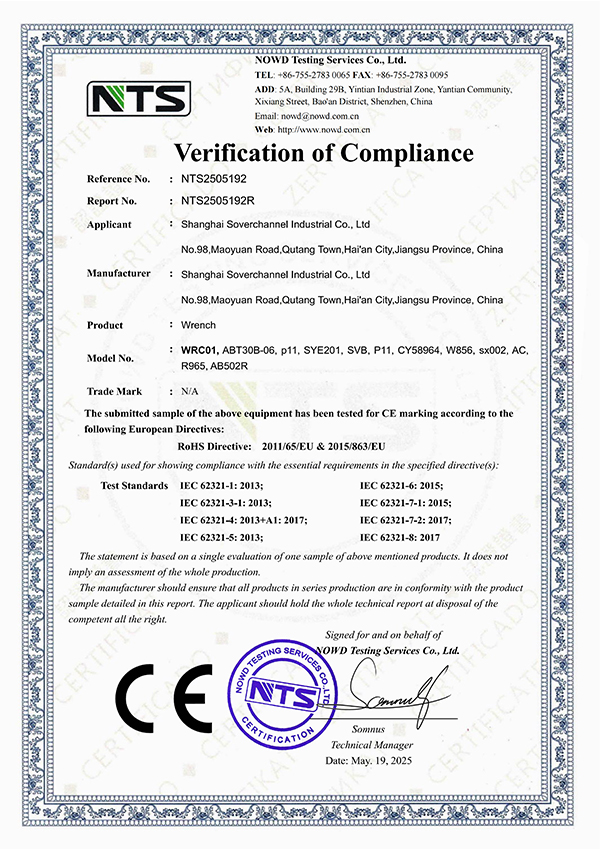
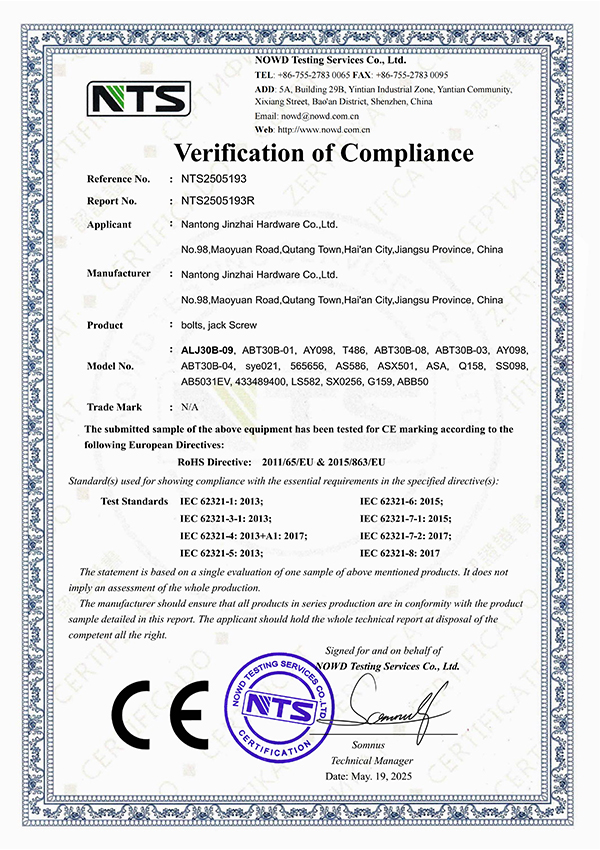
As a manufacturer with deep roots in precision fastener production, Shanghai Soverchannel Industrial Co., Ltd. provides material certification and third-party test reports with each shipment, enabling procurement teams to verify grade compliance rather than relying on visual inspection alone — a standard that matters most in regulated construction projects.
Non-Standard Customization: Where Off-the-Shelf Fasteners Fall Short
Standard catalog screws cover the majority of fastening scenarios, but certain structural, thermal, or dimensional constraints require non-standard configurations that catalog items simply cannot address. The most common customization triggers in industrial and construction applications include:
- Non-standard thread pitch combinations — Some composite panel systems require a coarser pitch at the shank for fast engagement with the outer skin and a finer pitch at the tip for controlled penetration into the structural subframe. This dual-pitch profile is not available in any standard DIN or ISO series.
- Extended drill point lengths — Standard DP3 and DP4 drill points are designed for defined thickness ranges. When through-fastening multi-layer assemblies (e.g., insulation sandwich panels with steel skins on both faces), a custom-extended drill flute is required to ensure chip evacuation before the thread engages, preventing fracture at the drill-thread transition zone.
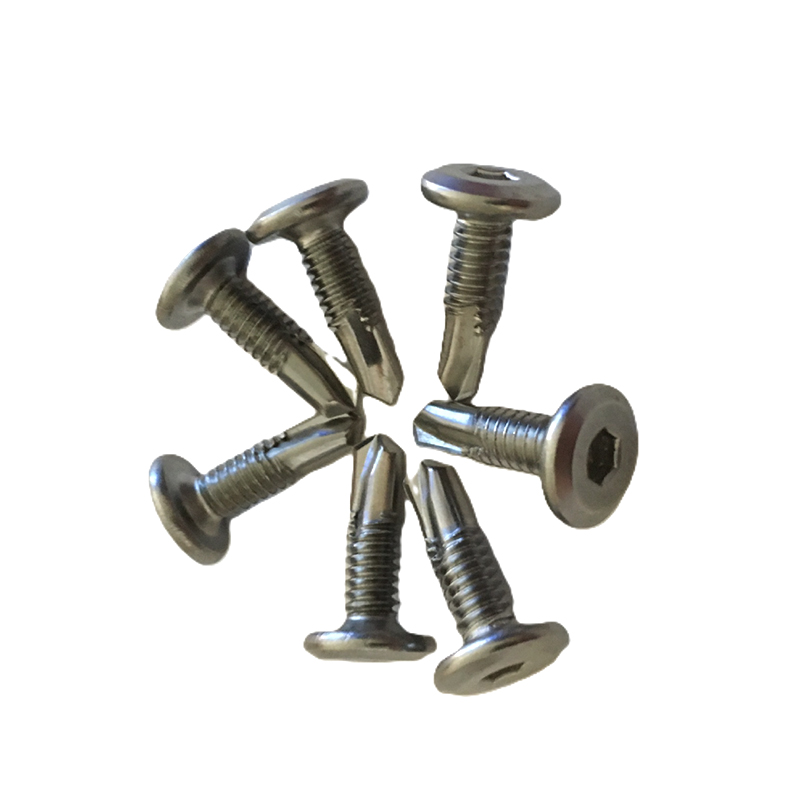
- Head geometry modifications — Countersunk heads with non-standard angles (e.g., 82° vs. the common 90°) are required in certain aerospace-adjacent and precision enclosure applications. Modified flange diameters for sealing washers under EPDM bonded heads are another frequent request in roofing and cladding systems.
- Bimetal configurations — A carbon steel body with a hardened stainless steel drill tip delivers both the high tensile strength of heat-treated carbon steel and the corrosion resistance of stainless at the critical drill-to-thread transition point. This is the configuration most commonly specified for heavy-gauge steel cladding in coastal industrial buildings.
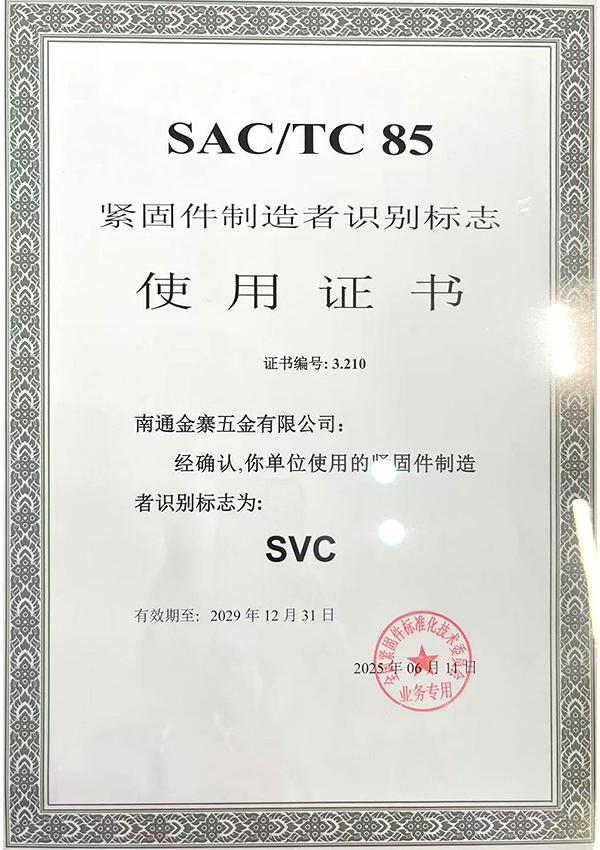
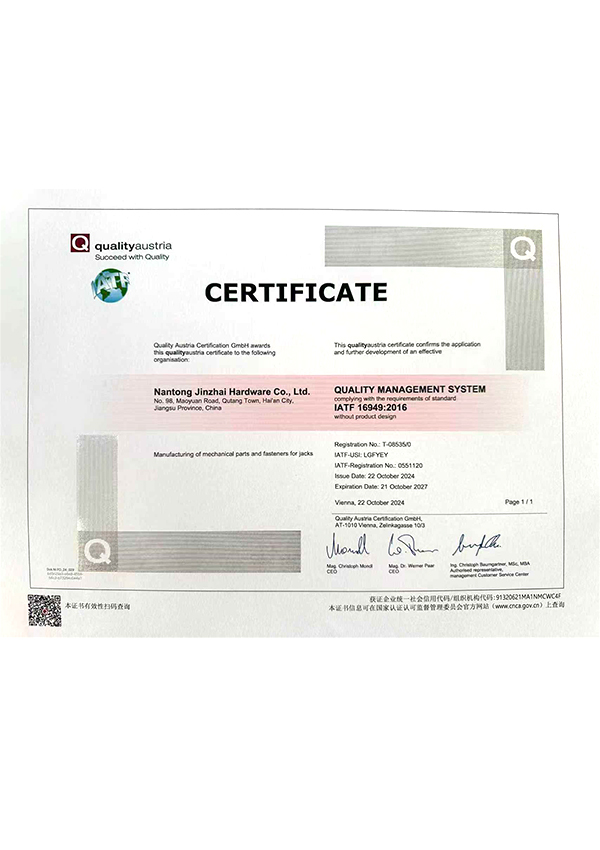
With its own manufacturing plant, Nantong Jinzhai Hardware Co., Ltd., and a full-process inspection system developed through years of serving the automotive fastener industry, Shanghai Soverchannel Industrial Co., Ltd. is equipped to produce these non-standard configurations under rigorous dimensional and mechanical verification protocols — not as a side capability, but as a core competency that distinguishes it from trading-company suppliers that simply source from spot markets.


 中文简体
中文简体 Português
 Español
 Deutsch
 русский
 عربى
عربى