中文简体
中文简体 Português
 Español
 Deutsch
 русский
 عربى
عربى

Shanghai Soverchannel Industrial Co., Ltd.
Cross wrenches are practical multi-drive tools used across automotive maintenance, industrial MRO, construction, logistics, and equipment service. For buyers who need dependable fastening performance, cross wrenches offer compact versatility, multiple drive sizes, and improved leverage in field and workshop conditions. This article explains how to evaluate cross wrenches by torque capacity, material quality, heat treatment, drive compatibility, surface protection, and supplier capability, with practical guidance from Shanghai Soverchannel Industrial Co., Ltd. for OEM, distributor, and project procurement teams.
Introduction and Core Conclusion: What Buyers Should Know Before Purchasing Cross Wrenches
In industrial procurement, cross wrenches are often treated as simple consumables. That is a mistake. The right cross wrench can reduce fastening errors, improve service efficiency, and lower the risk of bolt damage. The wrong cross wrench can create slippage, rounded fasteners, operator fatigue, and unnecessary warranty claims. A professional purchasing decision should therefore be based on engineering fit, not only price.
Core Conclusion: The best cross wrenches are not simply the cheapest tools on the shelf. They are the tools that match your torque requirements, fastener sizes, working environment, and operator habits. For industrial buyers, the strongest value usually comes from stable heat treatment, accurate drive dimensions, corrosion-resistant finishing, ergonomic handling, and reliable supplier traceability. Shanghai Soverchannel Industrial Co., Ltd. recommends evaluating cross wrenches as productivity assets, not low-importance accessories.
Drive Compatibility
Cross wrenches commonly combine multiple square drives or socket ends in one tool. Buyers should confirm the exact drive sizes needed for their maintenance workflow, such as common automotive, machinery, or panel fastener standards.
Material Integrity
Carbon steel and alloy steel are widely used, but performance depends heavily on heat treatment and forging quality. A well-treated cross wrench resists deformation while maintaining enough toughness for repeated use.
Torque Discipline
Cross wrenches provide leverage, but they are not always substitutes for calibrated torque wrenches. For critical joints, buyers should define torque verification steps and avoid excessive force that may damage fasteners.
Supplier Capability
A qualified supplier should provide consistent dimensional control, stable finishing, clear markings, and responsive OEM support. Shanghai Soverchannel Industrial Co., Ltd. focuses on practical procurement value for international tool buyers.
Core Technical Principles Behind High-Performance Cross Wrenches
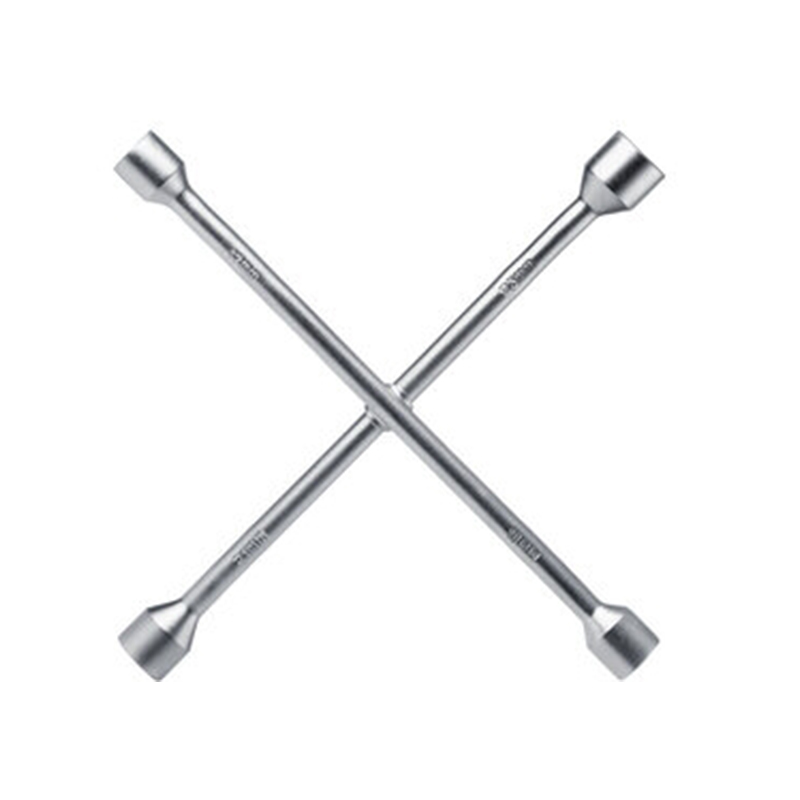
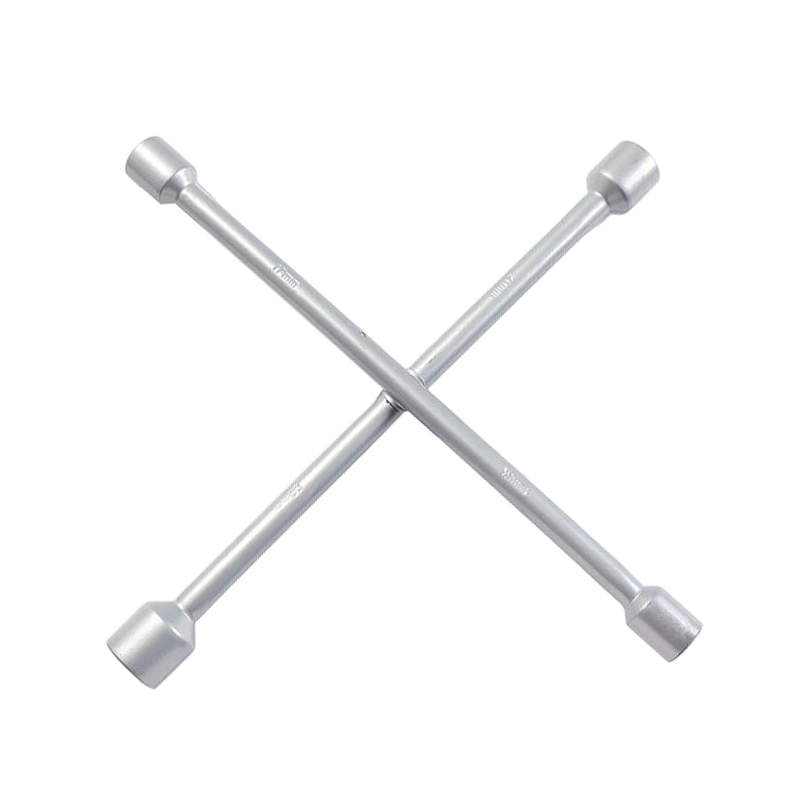
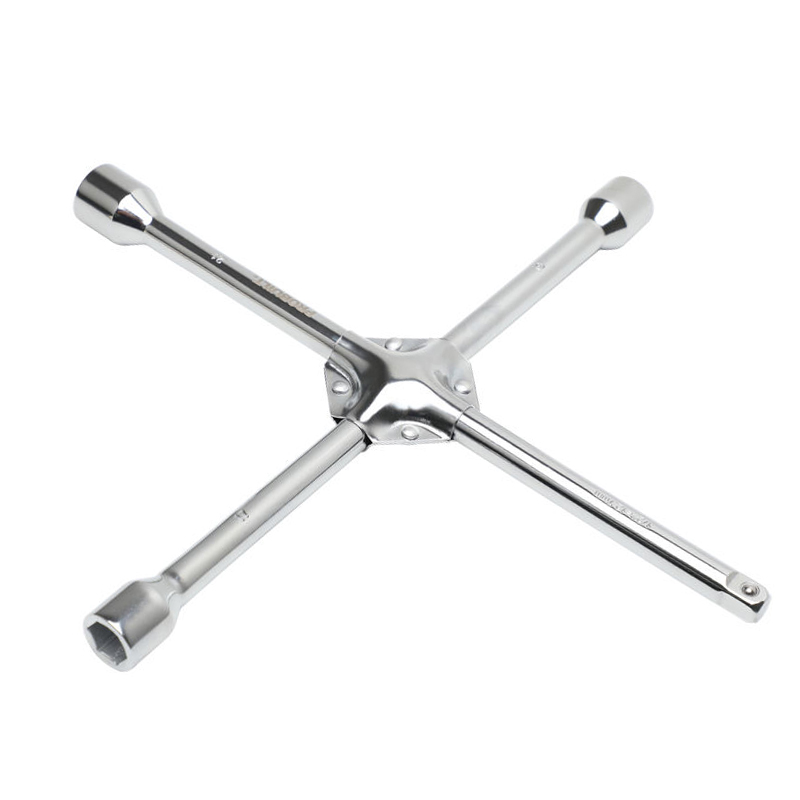
A cross wrench looks simple, but its performance is determined by several engineering details. The cross-shaped structure allows users to apply force from different directions, which can be useful in confined spaces or when multiple fastener sizes are involved. However, durability and safety depend on design geometry, material grade, manufacturing accuracy, and surface protection.
Four-Way Drive Geometry and Load Distribution
Many cross wrenches use a four-arm structure, giving the operator several drive positions or socket options. This geometry can improve convenience, but it also requires balanced arm thickness and proper center strength. If the center junction is weak, the tool may bend under high load. A well-designed cross wrench distributes force evenly and reduces stress concentration at the crossing point.
Material Selection and Heat Treatment
Material is one of the most important hidden factors in cross wrenches. Common options include carbon steel and alloy steel. Heat treatment affects hardness, toughness, and resistance to deformation. Over-hardened tools may become brittle, while under-hardened tools may wear or twist quickly. Professional procurement should request material certificates and hardness ranges when the application is demanding.
Surface Treatment and Corrosion Protection
Cross wrenches are often used in workshops, vehicles, outdoor sites, and marine-adjacent environments. Surface finishes such as chrome plating, zinc plating, black oxide, or polished protective coatings help reduce rust and improve cleaning. Buyers should consider humidity, chemical exposure, and storage conditions. A low-cost finish may save money initially but increase replacement frequency.
Ergonomics, Grip, and Operator Safety
A cross wrench should allow stable hand positioning without sharp edges that cause discomfort. In maintenance operations, operator fatigue can reduce efficiency and increase unsafe behavior. Rounded ends, smooth transitions, and appropriate arm length improve control. For fleet and field-service teams, ergonomic design can directly affect daily productivity and injury prevention.
Dimensional Accuracy and Fastener Fit
Poor dimensional accuracy is a common cause of fastener damage. If the drive or socket opening is loose, the tool can slip and round bolt corners. Professional cross wrenches should maintain tight tolerance on drive squares, socket openings, and arm alignment. Buyers should inspect sample fit on real fasteners before approving bulk orders.
Torque Transfer and Fastener Protection
Cross wrenches can generate significant manual torque because of their multi-arm leverage. However, the goal is controlled torque transfer, not maximum force. A good design helps the user apply force smoothly and reduces the chance of over-tightening. For critical assemblies, cross wrenches should be used together with torque control procedures or calibrated torque tools.
Cross Wrenches Data Comparison: Standard, Heavy-Duty, Insulated, and Custom Options
Different applications require different cross wrench configurations. The following comparison helps buyers understand the practical differences between common product types. The goal is not to identify one universal winner, but to match the tool to the operating environment and procurement objective.
This comparison shows that cross wrenches should be selected by application, not only by appearance. A standard cross wrench may be perfect for a vehicle emergency kit, while a heavy-duty version is more appropriate for repeated industrial service. Insulated or special safety versions require stricter inspection and should only be used where their safety design is valid and maintained.
Hidden Failure Metrics: Why Cross Wrenches Underperform in Real Applications
Many procurement teams focus on unit price, but field failure data often tells a different story. The chart below shows typical contributing factors behind cross wrench performance problems reported in maintenance and distribution environments. These percentages are illustrative, but they reflect a common pattern: material quality, torque misuse, and dimensional fit are more important than many buyers assume.
Typical Contribution to Cross Wrench Performance Problems
For buyers, this chart suggests a simple action plan: verify material and heat treatment, train users on proper torque application, inspect tools regularly, and ensure dimensional accuracy before mass purchase. These steps reduce hidden cost and improve tool lifecycle value.
Industry Application Distribution for Cross Wrenches Demand
Cross wrenches are used in many sectors, but demand patterns differ. Automotive and fleet maintenance remain important because vehicles often require compact, multi-function tools. Industrial MRO buyers value durability and consistency. Construction and logistics users prefer robust designs that can survive rough handling. The following distribution illustrates typical market application weight.
The application mix matters because it influences packaging, marking, quality expectations, and order structure. Automotive buyers may require compact storage cases and clear size labeling. Industrial buyers may prioritize batch traceability and stable replenishment. Retail buyers may focus more on visual presentation and price positioning. Shanghai Soverchannel Industrial Co., Ltd. can help buyers align product configuration with the target channel.
ROI Analysis and Step-by-Step Selection Guide for Cross Wrenches
Cross wrenches may appear inexpensive, but their total value depends on service life, replacement frequency, operator efficiency, and fastener damage risk. A slightly better tool can reduce downtime and avoid costly bolt repairs. The following framework helps buyers evaluate return on investment in a practical way.
Simple ROI Formula
Annual Value = Reduced Replacement Cost + Reduced Fastener Damage + Improved Labor Efficiency − Purchase Price Difference
Decision Rule: If a better cross wrench reduces replacement or rework cost by more than its price premium, it creates positive ROI.
Example Scenario
A maintenance team uses 500 cross wrenches per year. A low-cost option costs $3.50 each but fails twice as often. A better option costs $4.80 each and lasts longer, reducing replacement and bolt repair cost.
Value Calculation
If the better tool saves 250 replacements and prevents 20 fastener repair events, the savings may exceed the higher unit price. The exact number depends on labor rate, downtime, and fastener cost.
Procurement Insight
For cross wrenches, the cheapest unit price is rarely the best total cost. Buyers should compare lifecycle performance, especially when tools are used daily in fleet or industrial environments.
Seven-Step Procurement Timeline
Step 1: Define the Application Environment
Start by identifying where the cross wrenches will be used: vehicle kits, factory maintenance, construction sites, electrical panels, or retail resale. The environment determines required strength, finish, size range, and packaging.
Step 2: Confirm Required Drive Sizes and Fastener Standards
Collect the actual fastener sizes used in your operation. Confirm square drive dimensions, socket openings, or combination requirements. Avoid assuming that a generic cross wrench fits all maintenance needs.
Step 3: Evaluate Material and Heat Treatment
Ask for material grade, forging method, hardness range, and heat treatment control. For heavy-duty use, request load testing or sample stress tests. This step separates stable products from visually similar low-grade tools.
Step 4: Test Sample Fit on Real Fasteners
Do not approve samples based only on appearance. Test the cross wrench on actual bolts, nuts, or equipment. Check for looseness, slipping, edge sharpness, bending, and operator comfort.
Step 5: Review Surface Finish and Corrosion Resistance
Choose a finish that matches storage and usage conditions. If tools are exposed to moisture, chemicals, or outdoor transport, corrosion protection becomes a cost-control feature, not a cosmetic detail.
Step 6: Validate Packaging, Marking, and Traceability
For OEM and distributor orders, clear size marking, barcode support, protective packaging, and batch records can reduce warehouse errors. Traceability also supports quality claims and continuous improvement.
Step 7: Start with a Trial Order and Monitor Performance
Before large-volume purchasing, run a controlled trial. Track replacement rate, user complaints, fastener damage, and delivery consistency. Use this data to negotiate better specifications and long-term supply stability.
Maintenance, Inspection, and Compliance Recommendations for Cross Wrenches
Even high-quality cross wrenches require basic maintenance and inspection. In professional environments, tools are part of safety and quality control. A simple inspection routine can prevent accidents, reduce downtime, and extend tool life.
Regular Visual Inspection
Check for bending, cracks, worn drive squares, damaged socket openings, and corrosion. If a cross wrench no longer fits fasteners cleanly, it should be removed from service. Continuing to use a damaged tool can round bolts and create safety risks.
Cleaning and Corrosion Prevention
After use in wet or dirty conditions, clean and dry the cross wrench before storage. Light protective oil may be appropriate for certain finishes. Proper storage reduces rust and keeps drive surfaces accurate for longer periods.
Torque Awareness
Cross wrenches can provide leverage, but they do not automatically provide controlled torque. For critical fasteners, use a calibrated torque wrench or torque verification procedure. This is especially important in automotive wheel, machinery mounting, and safety-related joints.
Operator Training
Users should understand how to select the correct size, avoid using extensions that create excessive force, and recognize when a tool is worn. Good training reduces both tool damage and personal injury risk.
Quality System and Supplier Documentation
For OEM and industrial buyers, supplier documentation matters. Request material certificates, inspection reports, hardness data where applicable, and quality process descriptions. Shanghai Soverchannel Industrial Co., Ltd. supports buyers who need practical documentation for tool procurement.
Compliance and Market Requirements
Depending on the destination market and industry, buyers may need packaging labeling, environmental compliance, or safety-related declarations. Insulated tools may require additional inspection and usage rules. Always confirm the compliance scope before placing bulk orders.
Cross Wrenches FAQs
Final Recommendation: Choose Cross Wrenches Based on Total Value, Not Only Unit Price
Cross wrenches are simple tools with significant operational impact. When selected correctly, they improve maintenance efficiency, reduce fastener damage, and provide reliable service across many applications. When selected poorly, they can create hidden cost through replacement, rework, and unsafe operation.
For buyers seeking dependable cross wrenches, the key is to align product design with real usage conditions. Confirm drive sizes, verify material and heat treatment, test sample fit, evaluate corrosion protection, and work with a supplier that understands industrial procurement. Shanghai Soverchannel Industrial Co., Ltd. aims to help customers select cross wrenches that deliver practical performance and long-term value.
Contact Shanghai Soverchannel Industrial Co., Ltd.