Industry Knowledge
How Socket Geometry Determines the Real Torque Capacity of Hexagon Socket Screws
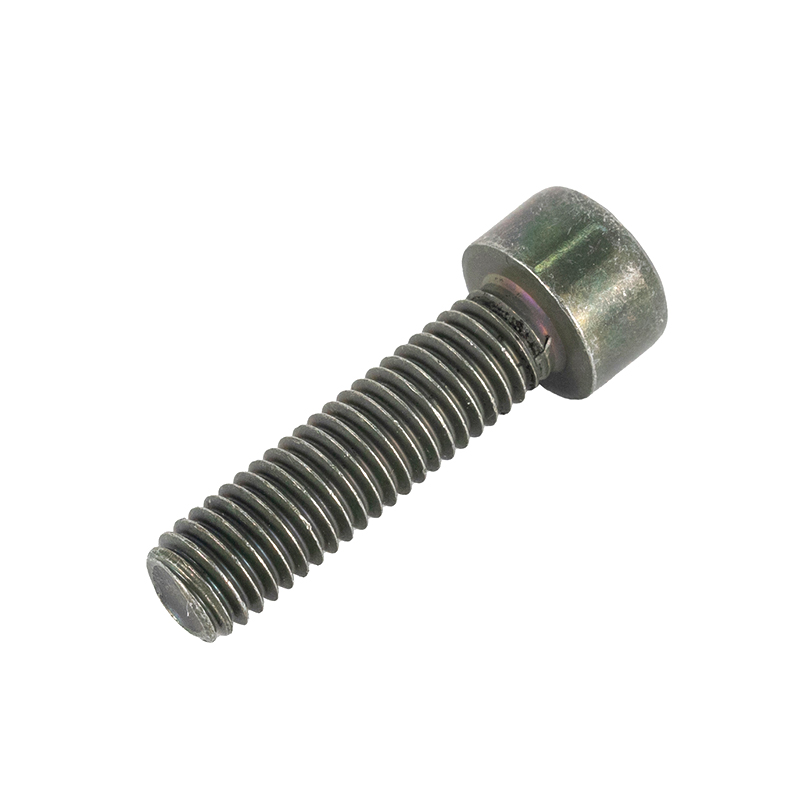
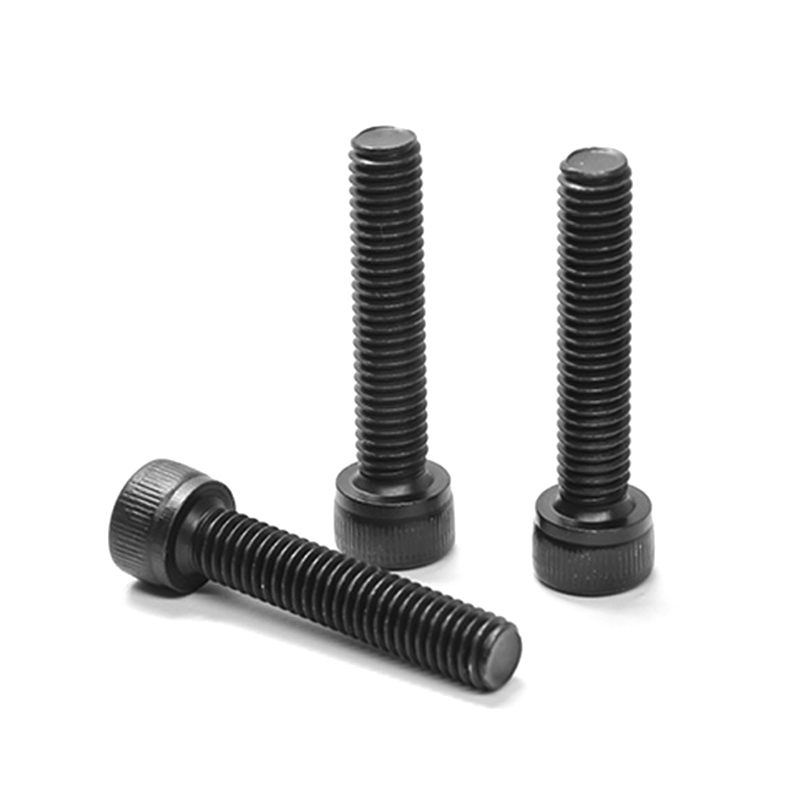
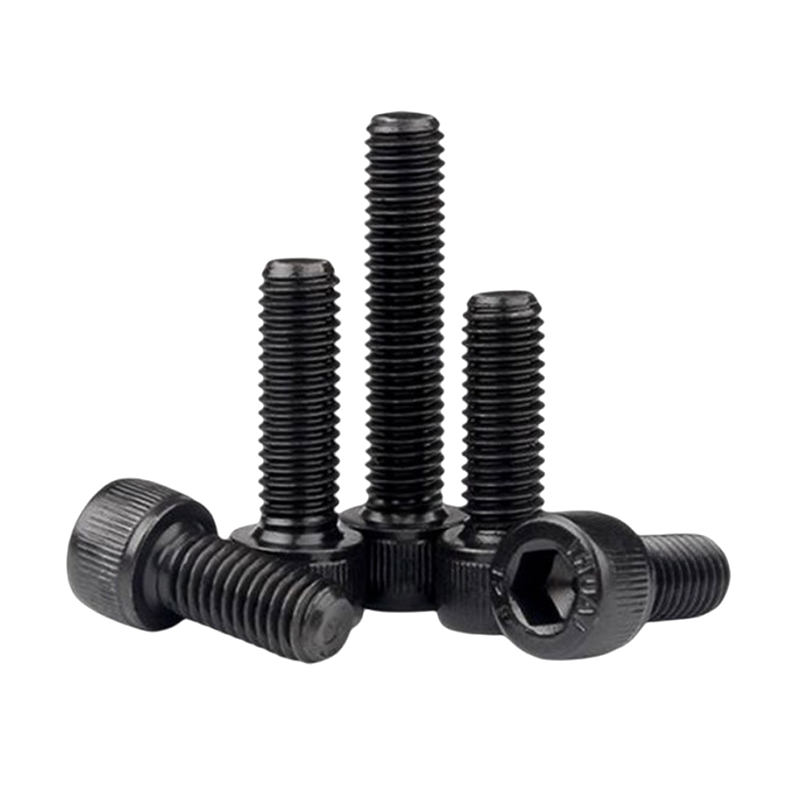
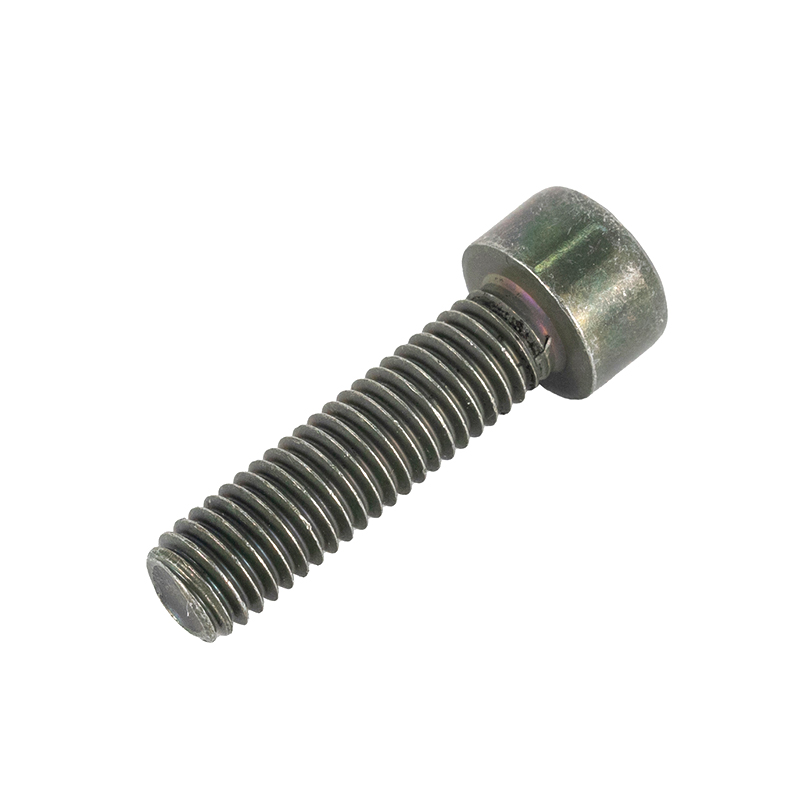
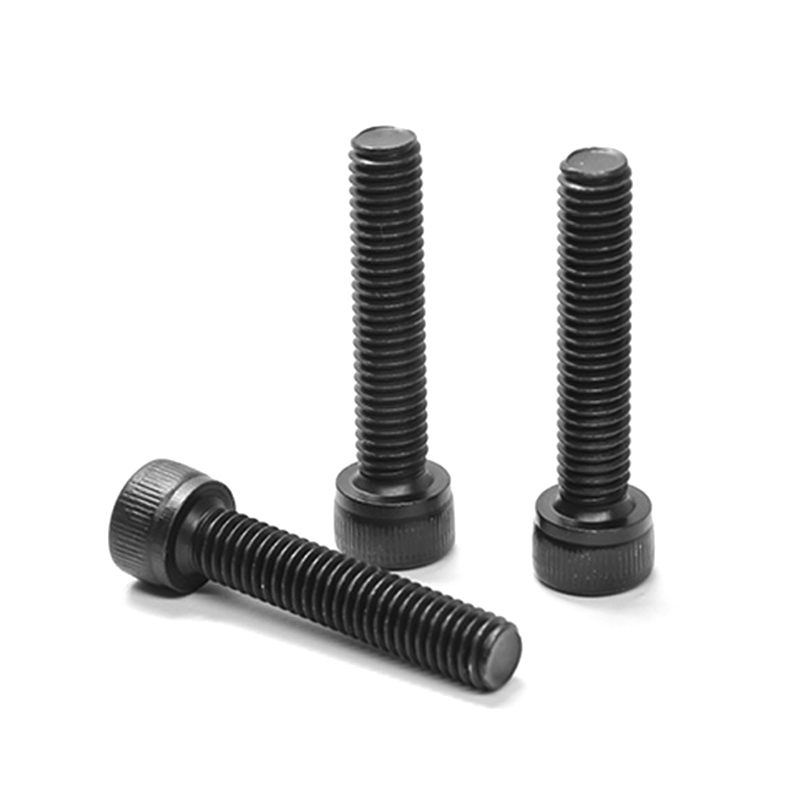
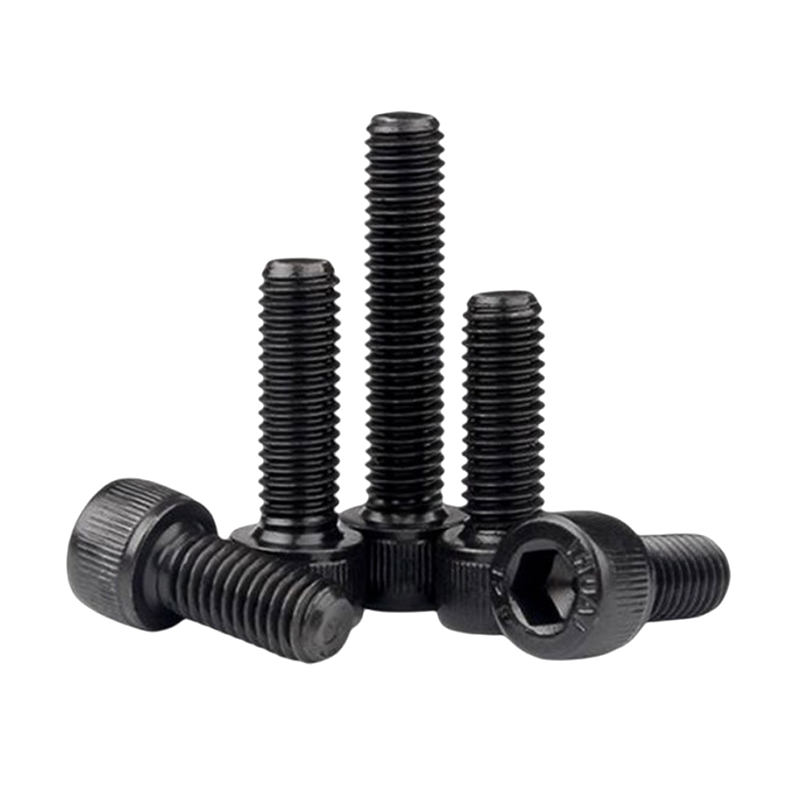
The torque transmission advantage of hexagon socket screws over slotted or Phillips-head fasteners is well known, but the precise mechanism is often misunderstood. In a hexagonal socket, the wrench key engages all six drive faces simultaneously, distributing the applied torque across the full contact perimeter rather than concentrating it at one or two points. The result is a dramatically higher torque-to-cross-section ratio: an M8 socket head cap screw can typically be tightened to its full proof load without drive slip, something that is physically impossible with a comparable cross-recessed head.
Socket depth is the critical but often overlooked variable. ISO 4762 specifies minimum socket depths for each diameter, but bolts produced at the minimum tend to show progressive key rounding under repeated high-torque cycles. In automotive and construction machinery applications, a socket depth of 1.0–1.1× the nominal thread diameter is the practical target for bolts that will be torqued repeatedly. At Shanghai Soverchannel Industrial Co., Ltd., socket geometry is held to tighter-than-minimum dimensional tolerances specifically to support applications where frequent disassembly and reassembly is part of the service protocol.
The chamfer angle at the socket entry also matters. A 45° lead-in chamfer guides the hex key into engagement without biting into the socket walls, which extends both tool and fastener life in automated assembly environments. Bolts with sharp, unchamfered socket entries are more susceptible to galling at the contact surface—particularly when the key and socket are both hardened steel—and this manifests as gradual socket enlargement that eventually causes cam-out under torque.
Grade 12.9 Hexagon Socket Screws: Practical Limits and Installation Pitfalls
Grade 12.9 is the highest standard property class for metric socket head cap screws, with a minimum tensile strength of 1220 MPa and a proof load that allows preloads exceeding those achievable with any lower grade fastener of the same size. In practice, however, running a 12.9 bolt at or near its proof load in service introduces risks that engineers frequently underestimate.
Hydrogen embrittlement is the most serious concern. The electroplating processes used to apply decorative or corrosion-protective coatings to high-strength steel can introduce atomic hydrogen into the steel lattice. At 12.9 hardness levels (39–44 HRC), steel is in the susceptibility range where hydrogen-induced delayed fracture can occur hours or even days after installation—at stress levels well below the material's nominal tensile strength. This is why ISO 4042 mandates baking (dehydrogenation) within four hours of plating for fasteners with hardness above 34 HRC, and why many OEM specifications prohibit electroplating entirely on 12.9 grade bolts, requiring zinc flake coatings instead.
Thread engagement length is equally critical at 12.9 grade. The higher the bolt's tensile strength relative to the tapped hole material, the more thread engagement is needed to prevent thread stripping before the bolt fractures. In aluminum housings—common in automotive and aerospace—the minimum engagement for 12.9 bolts is typically 1.5× the nominal diameter, and design engineers often specify 2.0× as a safety margin. Using the same 12.9 bolt in an aluminum casting that was designed around a 10.9 fastener without reviewing engagement length is a straightforward path to stripped threads.
Material Selection Beyond Steel: When to Specify Stainless or Alloy Socket Screws
Carbon steel hexagon socket screws dominate the market on volume, but there are well-defined application boundaries where other materials are the correct engineering choice rather than an upgrade option. Understanding those boundaries prevents both over-specification (paying for corrosion resistance that the environment doesn't demand) and under-specification (field failures from corrosion or thermal degradation).
| Material |
Max Tensile Strength |
Key Property |
Recommended Application |
| Carbon Steel (Gr. 12.9) |
≥1220 MPa |
Highest preload, cost-effective |
Dry, interior automotive and machinery assemblies |
| Stainless Steel A2-70 |
≥700 MPa |
General corrosion resistance |
Food processing, indoor humid environments |
| Stainless Steel A4-80 |
≥800 MPa |
Chloride resistance (Mo-bearing) |
Marine, chemical processing, coastal infrastructure |
| Alloy Steel (Ni-Cr-Mo) |
1300–1500+ MPa |
High fatigue resistance, elevated temp |
Motorsport, heavy-duty diesel, power generation |
| Titanium Grade 5 (Ti-6Al-4V) |
≥895 MPa |
Weight-critical, excellent corrosion resistance |
Aerospace, high-performance automotive, medical devices |
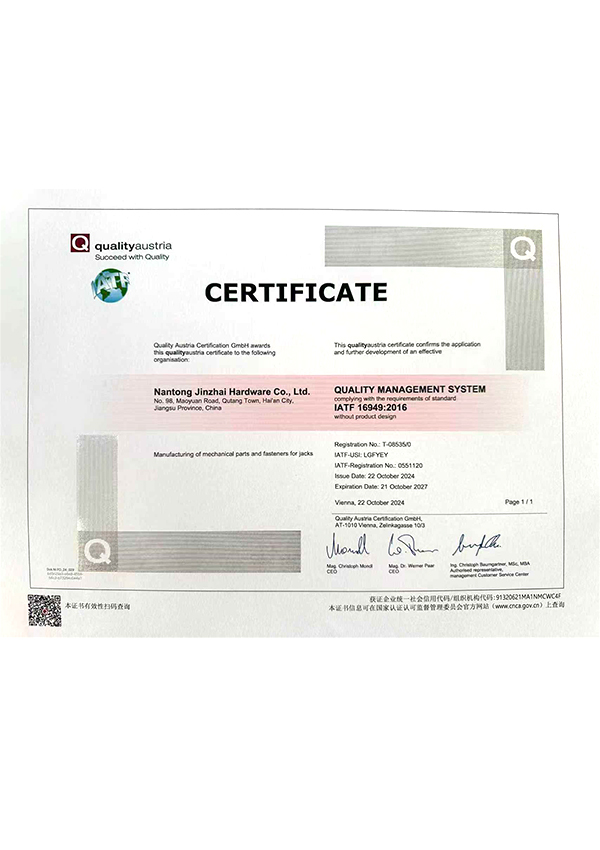
As both a carbon steel fasteners supplier and stainless steel fasteners company, Shanghai Soverchannel Industrial Co., Ltd. supplies hexagon socket screws across all these material families from its manufacturing base at Nantong Jinzhai Hardware Co., Ltd. The company's ability to produce custom alloy steel fasteners—including non-catalog Ni-Cr-Mo alloy compositions—means that customers in high-demand sectors such as motorsport and power generation can specify exact chemistry windows rather than accepting the nearest standard grade.
Countersunk vs. Button Head vs. Cap Head: Selecting the Right Socket Screw Head Form for Your Assembly
The cylindrical cap head is the default form for hexagon socket screws and handles the vast majority of industrial applications, but head form selection has real functional consequences—not just aesthetic ones. Choosing the wrong head form can compromise clamping effectiveness, create interference problems, or make disassembly destructive rather than routine.
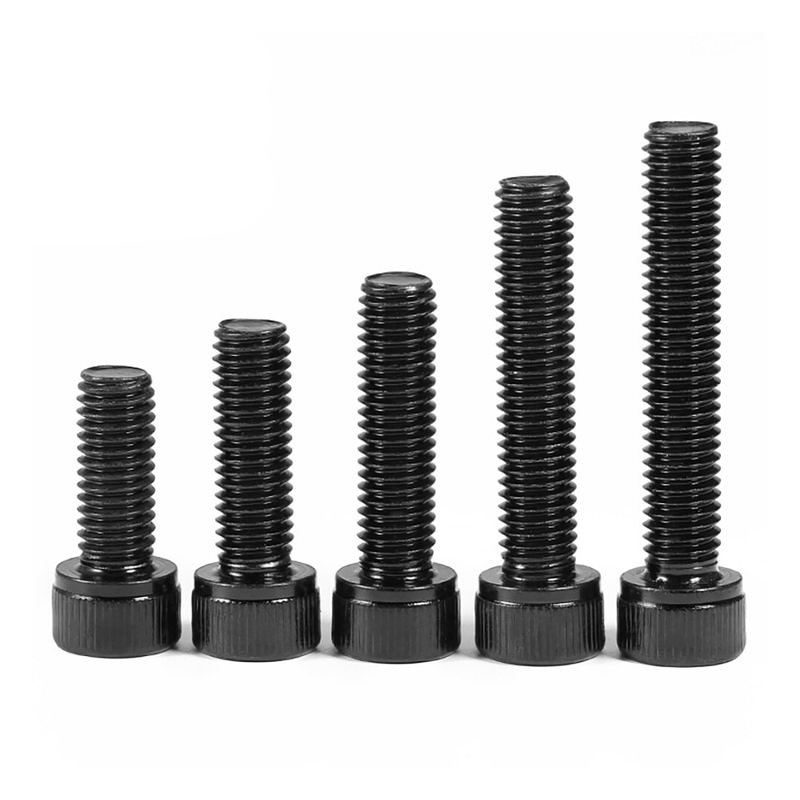
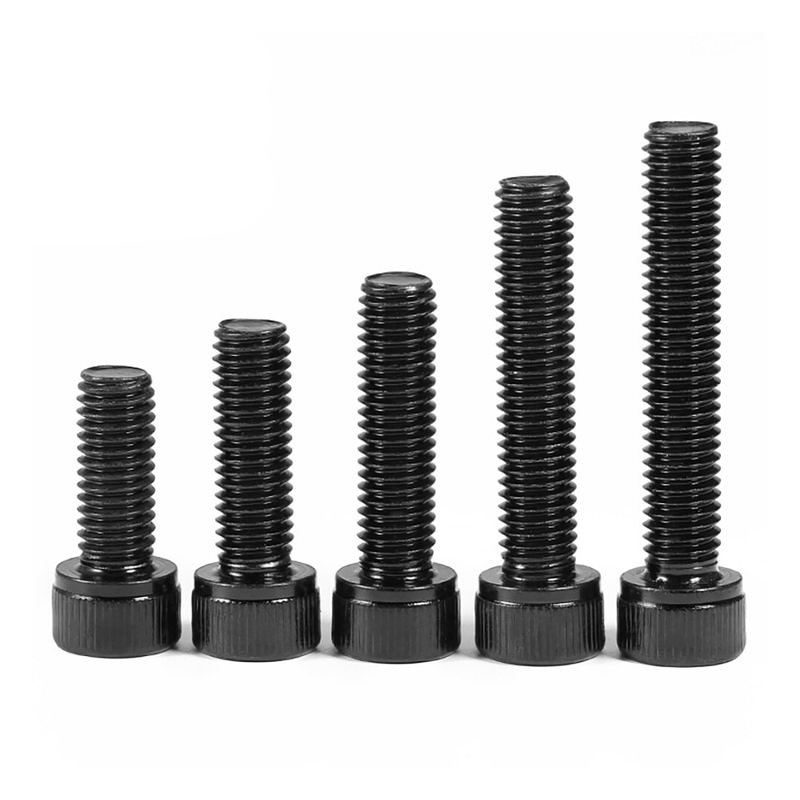
- Cap Head (ISO 4762): The standard form. The tall, cylindrical head provides the deepest socket and highest drive torque capacity. The relatively small bearing face (outer diameter approximately 1.5× the thread diameter) concentrates the clamping load, making it suitable for steel-on-steel joints but potentially causing embedment issues in soft materials like aluminum or plastics without a washer.
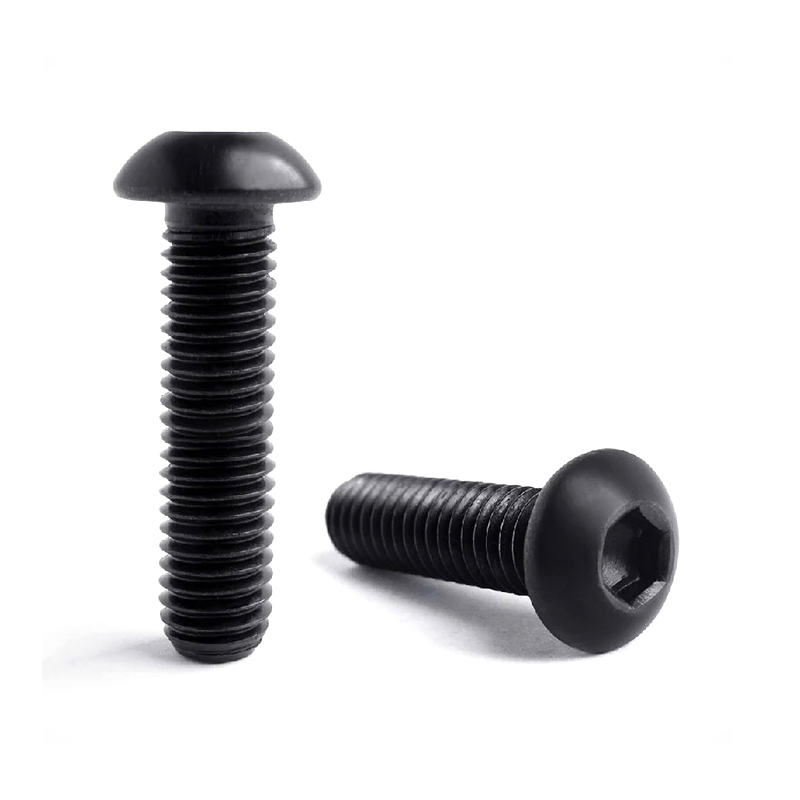
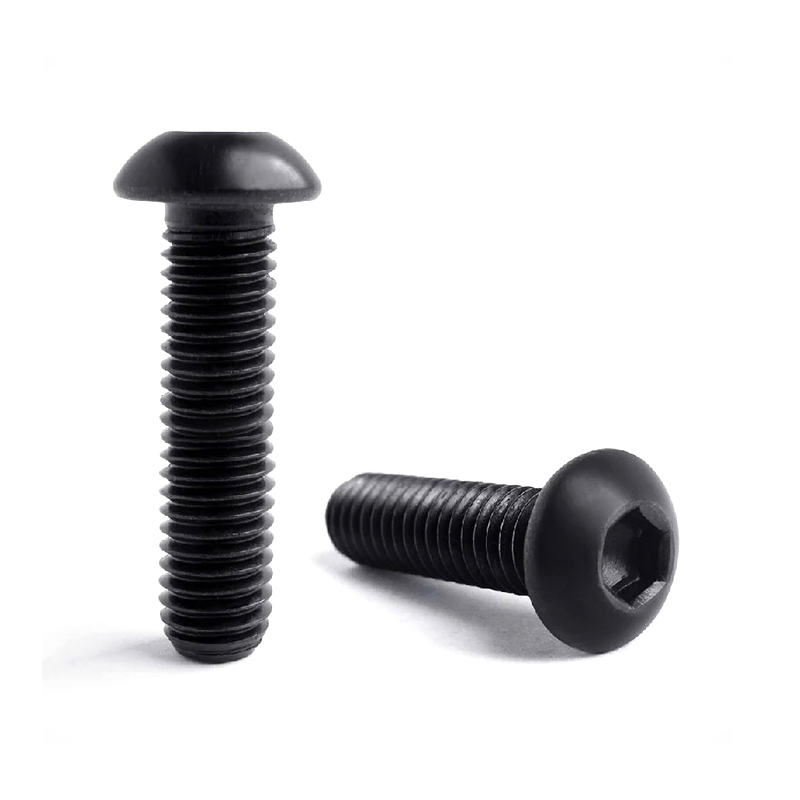
- Button Head (ISO 7380): The low-profile domed head increases the bearing surface area significantly compared to the cap head, reducing surface pressure on soft joined materials. The socket depth is shallower than on a cap head of the same diameter, so maximum achievable torque is lower—typically 60–70% of the equivalent cap head. Suitable for applications where clamping load is moderate and a flush or near-flush appearance is desirable.
- Countersunk Head (ISO 10642): The 90° included angle (or 60° in some DIN standards) seats fully into a mating countersink, producing a truly flush external surface. The joint relies on the conical seating surface to generate axial clamp force, which makes countersink geometry precision critical—mismatched cone angles cause load concentration at the rim or the tip rather than distributing it across the full cone contact surface.
- Low Head / Thin Head: Used where axial space above the joint surface is severely constrained, such as inside bearing housings or sliding mechanisms. The reduced head height inherently reduces socket depth and therefore maximum drive torque; these are design-compromise fasteners and should not be substituted into a cap head application without verifying that the reduced torque capacity still meets the joint's preload requirement.
Thread Locking on Hexagon Socket Screws: Chemical Adhesives, Mechanical Inserts, and Prevailing Torque Options
Vibration loosening is a genuine failure mode for any fastener in a dynamic environment, and hexagon socket screws used in automotive, machinery, and industrial settings are no exception. The choice of locking method affects assembly torque, disassembly procedure, reusability, and cost—so specifying a thread locking strategy requires understanding each option's trade-offs rather than defaulting to whatever is already in use on the assembly line.
Chemical Adhesive Locking (Anaerobic Thread Locker)
Applied to threads before assembly, anaerobic adhesives cure in the absence of oxygen once the joint is made. Low-strength grades allow disassembly with standard tools; medium grades require heat (typically 200–250°C) to break the bond for disassembly; high-strength grades are effectively permanent. The key limitation is that adhesive locking is incompatible with passive or phosphate-coated fasteners in some formulations—the coating chemistry inhibits cure. Pre-applied microencapsulated thread locker (dry-to-touch pellets on the threads) avoids this issue and is widely used in OEM automotive production for hexagon socket screws in critical sub-assemblies.
Prevailing Torque Nuts and Nylon Insert Options
For applications where the screw threads into a nut rather than a tapped hole, nylon-insert locknuts (ISO 7042) provide reliable vibration resistance through mechanical interference. The nylon collar deforms around the screw thread, creating a frictional prevailing torque that resists rotation in both tightening and loosening directions. The limitation is temperature: nylon inserts begin to soften above approximately 120°C, making them unsuitable for exhaust-adjacent or high-temperature powertrain applications.
Serrated Flange and Wedge-Locking Washers
Wedge-locking washer systems (two washers with opposing cam faces and radial serrations) are the most reliable mechanical locking method for hexagon socket screws in high-vibration environments. The cam geometry means the fastener must travel uphill to loosen, converting vibration-induced rotational motion into additional axial clamping force rather than releasing it. These systems add component count and cost but are the preferred solution for safety-critical fasteners on construction machinery and heavy diesel powertrains.
Recessed-Head Fastener Standardization: Why ISO, DIN, and ASME Specifications Differ and When It Matters
Hexagon socket screws are governed by multiple overlapping international standards, and the differences between them are small enough to cause dangerous confusion. An engineer who specifies "ISO 4762 M10 × 30 Grade 12.9" and receives a part manufactured to DIN 912 will receive a functionally equivalent fastener in most dimensions—DIN 912 was largely harmonized into ISO 4762. But the same assumption does not hold across all standards families, and the following distinctions are worth understanding before sourcing internationally.
- ISO 4762 vs. ASME B18.3: American inch-series socket cap screws use a different head height and socket size convention from metric ISO screws of the nominally equivalent diameter. A ¼-20 ASME B18.3 screw is NOT interchangeable with an M6 ISO 4762 screw—the thread pitch, head dimensions, and socket size all differ. Mixed metric/inch tooling is a common source of socket cam-out damage in repair environments.
- Thread tolerance class: ISO 4762 specifies a 6H/5g thread tolerance class for socket head cap screws, while some national standards permit 6H/6g. The difference is marginal in low-load applications but relevant when fitting into precision-reamed holes or when using thread inserts in aluminum.
- Surface treatment markings: ISO property class markings (10.9, 12.9) are mandatory on bolts M5 and larger. DIN 912 historically used the same marking system, but some domestically produced fasteners from lower-tier suppliers omit grade markings entirely—an immediate quality red flag that suggests the batch has not undergone the heat treatment and mechanical testing the grade requires.
- Non-standard configurations: When neither ISO nor ASME covers the required geometry—such as an extra-long socket screw with a reduced-diameter shank for weight savings—the part is by definition a non-standard custom fastener. Shanghai Soverchannel Industrial Co., Ltd. specializes precisely in this territory, engineering and producing hexagon socket screws to customer-defined drawings that fall outside any published standard.
Hidden Installation in Precision Assemblies: Tolerances and Design Rules for Counterbore Pockets
One of the key advantages of hexagon socket screws is the ability to install them fully recessed into a counterbored hole, eliminating any protrusion above the mating surface. This is critical in sliding interfaces, aesthetic exterior panels, and space-constrained housings. But the counterbore geometry must be engineered correctly—getting it wrong produces one of three outcomes: the screw bottoms on the counterbore floor before the threads fully clamp the joint, the head sits proud of the surface due to insufficient bore depth, or the bore diameter is too close to the head diameter and causes interference during installation.
Standard counterbore dimensions for ISO 4762 socket cap screws follow specific guidelines:
- Counterbore diameter: nominally the screw head diameter + 0.3–0.5 mm clearance (e.g., for an M8 with a 13.0 mm head, a 13.5 mm bore diameter is standard)
- Counterbore depth: head height + 0.1–0.3 mm to ensure the head sits below flush without interfering with the bore bottom at normal manufacturing tolerances
- Through-hole clearance: the shank clearance hole should be sized for medium fit (typically nominal diameter + 0.3 mm for M8 and below, +0.5 mm for M10–M16) to allow for slight misalignment between mating parts
- Minimum wall thickness around the counterbore: in aluminum housings, the wall between the counterbore outer edge and any adjacent feature should be at least 1.5× the counterbore diameter to prevent stress cracking during torque application
Shanghai Soverchannel Industrial Co., Ltd. provides dimensional consultation as part of its custom fastener development service—when customers at Nantong Jinzhai Hardware Co., Ltd.'s production lines encounter counterbore-related assembly issues, the engineering team reviews both the fastener geometry and the customer's hole design to identify the root cause. This integrated R&D, production, and sales model means problem-solving support is available at the same point of contact as the procurement relationship.


 中文简体
中文简体 Português
 Español
 Deutsch
 русский
 عربى
عربى