
Content
An L shape tire wrench is a compact, single-bend lug wrench designed to loosen and tighten wheel nuts using the L-shaped handle as a lever arm. The bend in the tool does the work: applying force at the long end of the handle multiplies torque at the socket end, which is why a relatively light, short tool can still break loose a nut torqued to 90-120 Nm on a typical passenger vehicle.
This design is the standard tool that ships with most family cars as factory equipment, precisely because it balances leverage, size, and cost in a way that suits occasional roadside use rather than daily garage work.
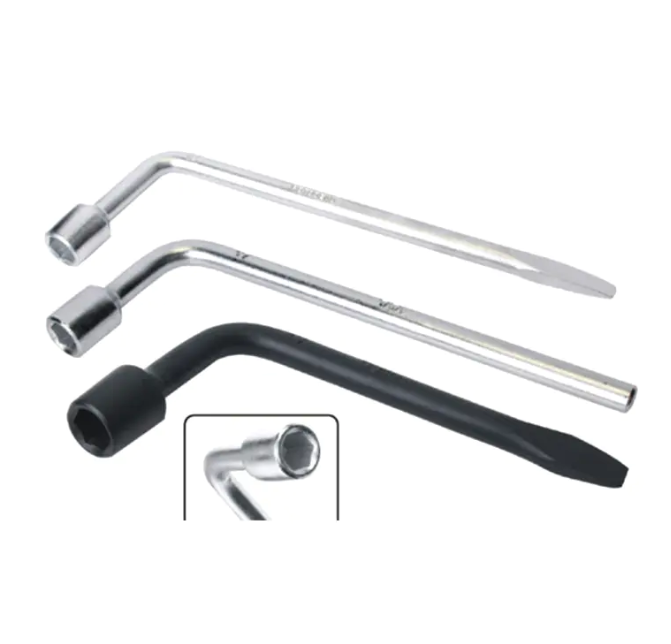
Tire wrenches generally fall into four common shapes, and each trades off leverage, portability, and speed differently.
| Wrench Type | Key Trait | Best Suited For |
|---|---|---|
| L-shaped straight handle | Compact, lightweight, single bend for leverage | Emergency roadside use on passenger cars |
| Straight handle double head | Two socket sizes on one straight bar | Vehicles with mixed lug nut sizes |
| Cross-shaped | Four arms for maximum leverage from multiple angles | Larger vehicles, SUVs, and stubborn nuts |
The L-shape gives up some of the raw leverage a cross wrench offers, since it only has one arm to push against rather than four. In exchange, it takes up a fraction of the trunk space and costs noticeably less to produce, which is why manufacturers standardize on it for factory-supplied tool kits rather than including a bulkier cross wrench.
An L shape tire wrench that fails under load is a safety problem, not just an inconvenience, so material choice matters more than the simple shape suggests. Most quality wrenches are made from high carbon steel or chrome vanadium steel, both forged rather than cast, then heat-treated to raise hardness and impact resistance.
Forging aligns the internal grain structure of the steel along the shape of the tool, which is what gives a forged wrench significantly higher resistance to bending or snapping under sudden torque compared to a cast equivalent. Heat treatment afterward tempers that hardness so the wrench resists both wear at the socket end and brittle fracture at the bend point — the two failure modes most likely to happen when someone applies body weight to break a stuck lug nut loose.
The L-shaped tire wrench fits a specific use case well rather than being a universal choice. Its small footprint and low cost make it the practical default for ordinary passenger cars where trunk space is limited and the tool mainly needs to handle an occasional flat tire rather than routine wheel work.
For situations that call for more leverage — larger wheels, higher torque specs, or lug nuts that have been over-tightened by an impact wrench — a cross-shaped wrench or a breaker bar extension is usually a better fit. Matching the tool to the vehicle and situation, rather than assuming one wrench shape covers every case, is what keeps roadside tire changes quick and safe.
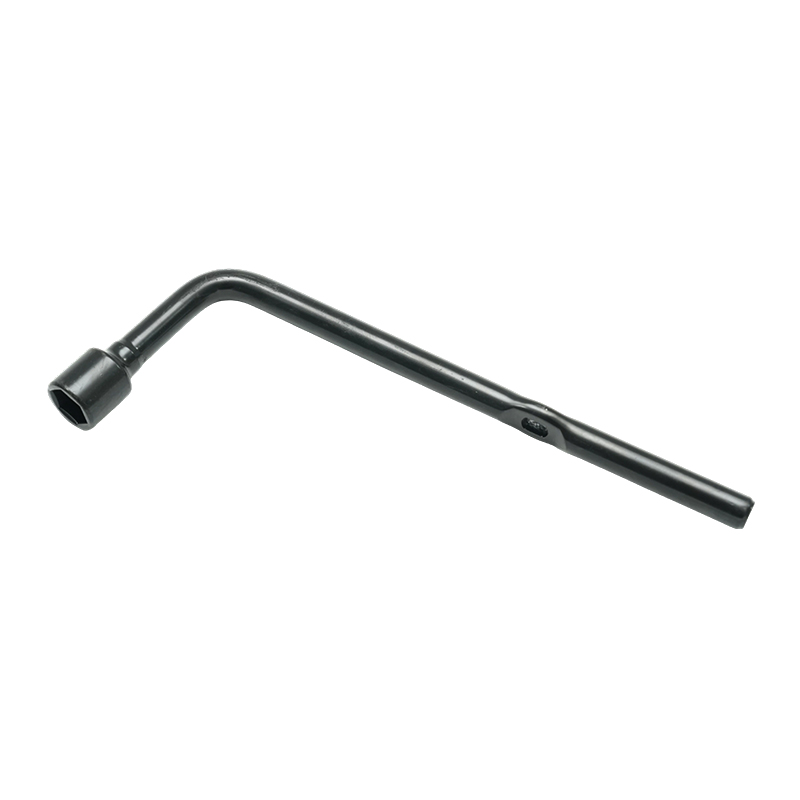 21mm Heavy Duty Steel L Type Tire Wrench
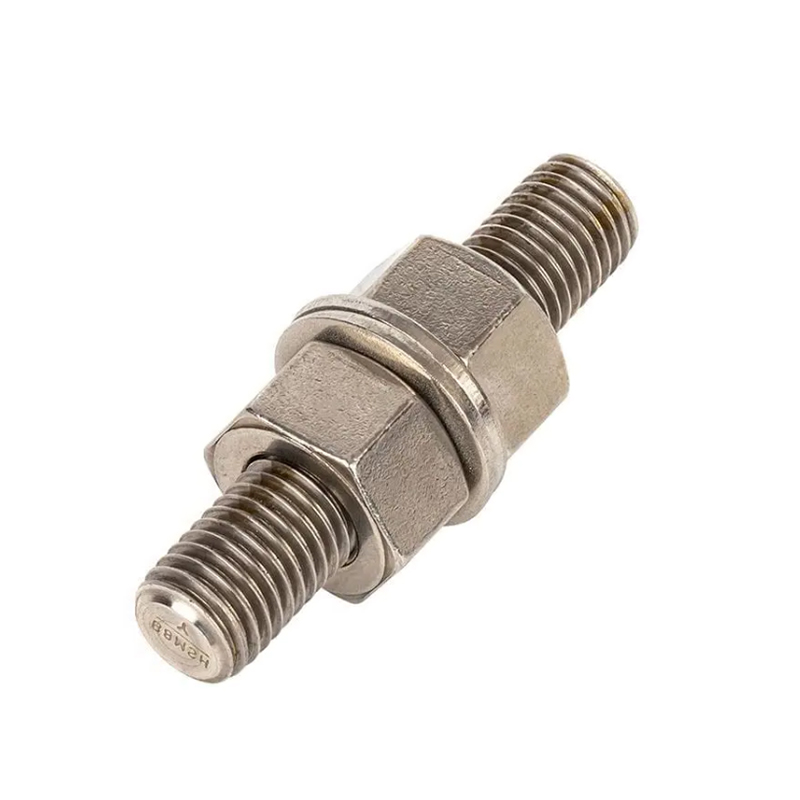 L7 Galvanized / Black / HDG Surface 3/4*10" Full Threaded Bar
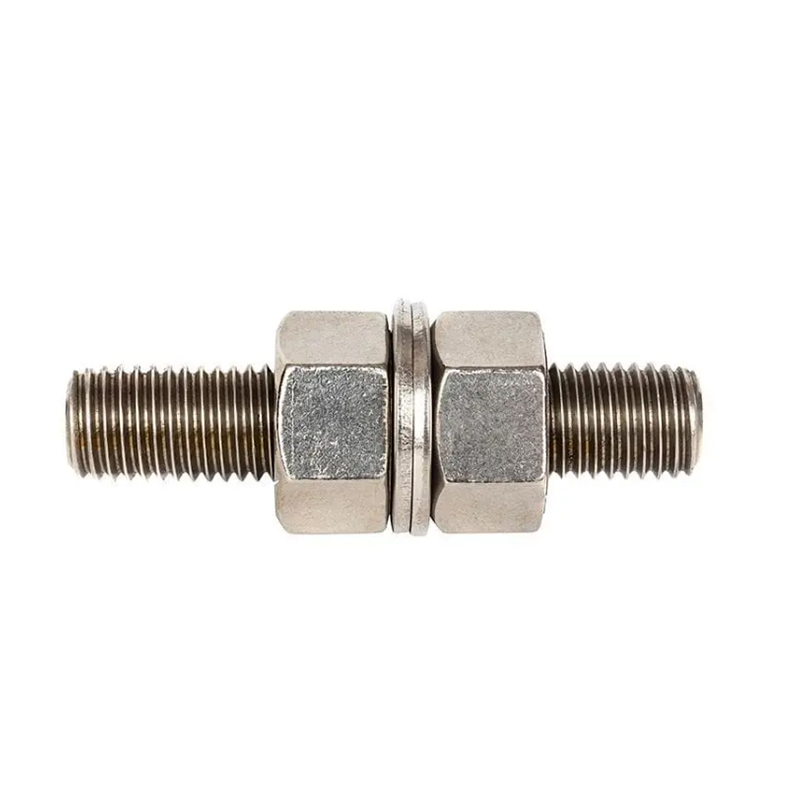 1-8 UNC *5" Alloy Steel ASTM A193 B7 Threaded Rods Grade L7 Threaded Studs
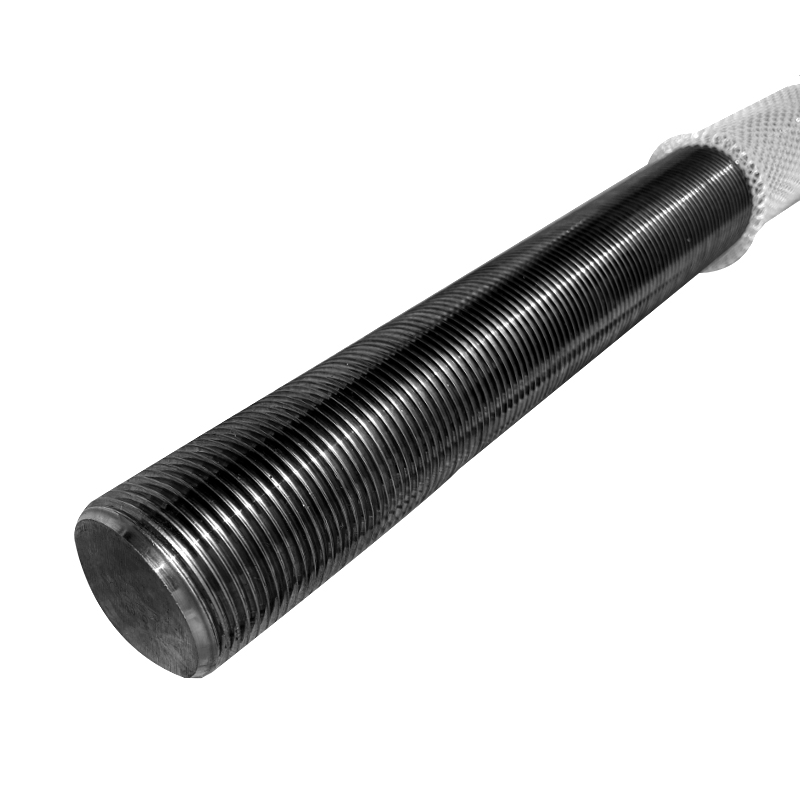 M27*300 PTFE Blue / Dacromet Coated ASTM A320 L7 Fully Threaded Rods
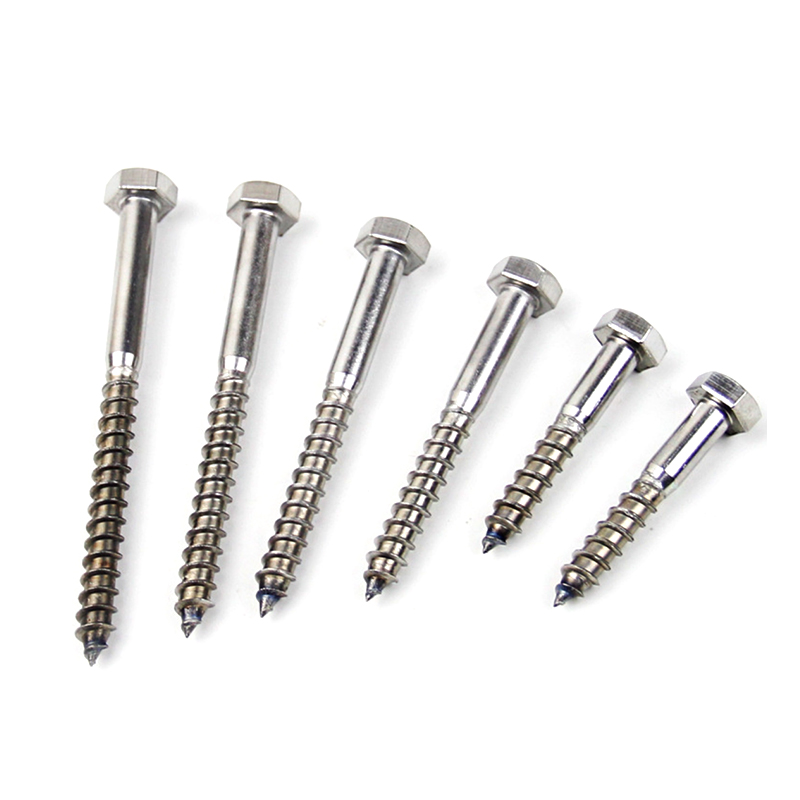 DIN 571 Plain Hex Head Wood Screws
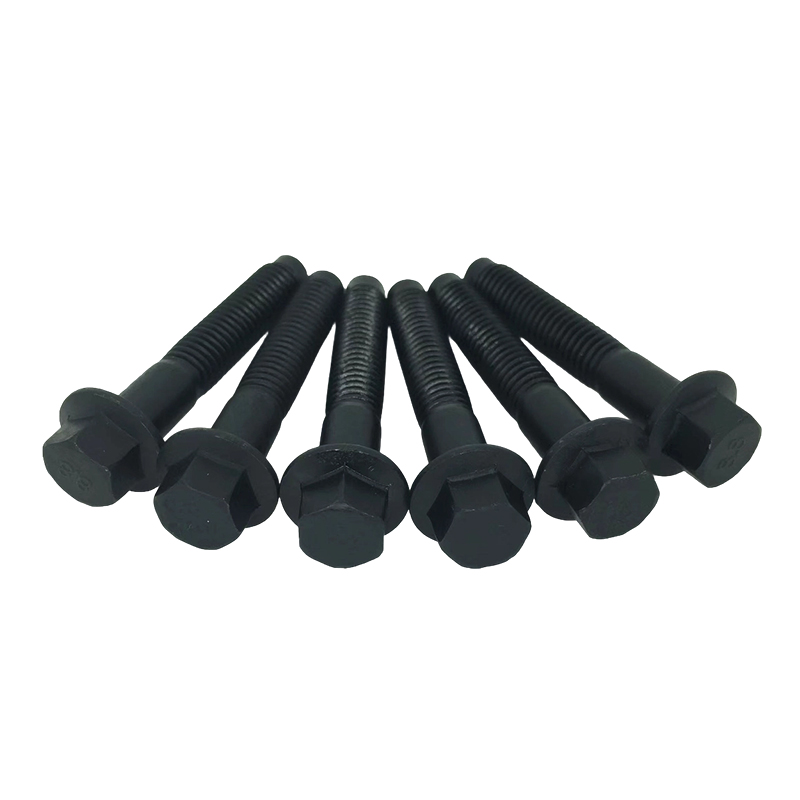 M5*10 Grade 8.8 Carbon Steel Flanged Hex Head Bolts
 Contact Information
 Address



 中文简体
中文简体 Português
 Español
 Deutsch
 русский
 عربى
عربى