
Content
A button head screw sits low and rounded, with a domed profile that rises only a few millimeters above the surface. That shape isn't decorative filler — it's the reason woodworkers reach for this head type over a pan head or a round head when the fastener stays visible after assembly.
Compare it to a flat head screw, which needs a countersunk pilot hole to sit flush, or a pan head, which sits higher and squarer. A button head splits the difference: it's proud enough to grip a driver bit firmly, but rounded enough that fabric, hands, or clothing won't catch on it. On a No.8 (4mm) screw, for example, the head diameter typically runs around 8mm with a head height near 2.8mm — small enough to stay unobtrusive on furniture edges, drawer slides, or exposed joinery.
The thread underneath is also purpose-built. Wood screws use a coarser pitch and a sharper thread angle than machine screws, which lets the fastener cut its own path into fibrous material instead of relying on a pre-tapped hole.
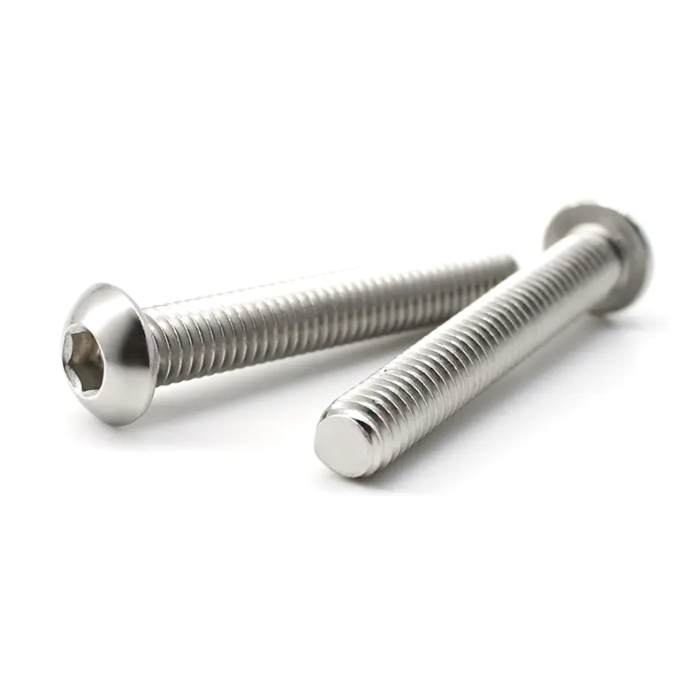
Head shape gets the attention, but drive type decides how well the screw actually installs. Three options dominate button head wood screw catalogs.
For hand-driven or low-volume work, slotted or Pozi screws are fine. For powered assembly at any real volume, Torx button heads reduce stripped heads and driver slippage enough to matter — fewer rejected parts, less rework on a production floor.
Two stainless grades cover almost every wood application: A2 (equivalent to 304) and A4 (equivalent to 316). A2 handles indoor furniture, cabinetry, and general interior joinery without issue. It resists everyday moisture and won't stain the surrounding wood.
A4/316 earns its higher price on marine decking, outdoor furniture, and anything exposed to salt air or coastal humidity. The added molybdenum in 316 stainless resists pitting corrosion that eventually degrades 304 in chloride-heavy environments. Buyers sourcing for coastal builds or export markets with humid climates should specify A4 from the outset — swapping grades mid-project after visible rust means replacing hardware and, often, refinishing the wood around it.
Finish matters too. A natural stainless finish is standard, but black oxide or chemical black coatings are available on request for projects where a dark, low-glare fastener matches the surrounding hardware.
Wood screw dimensions follow one of two standard families, and mixing them up causes real fitment problems on a job site.
Metric button head wood screws typically follow DIN 96 (slotted) or DIN 7996Z (Pozi/cross-recessed), with diameters ranging roughly from 2.5mm up to 6mm and lengths from 10mm to 120mm. These dominate European and Asian supply chains, and most CNC-cut hardware from those regions references DIN dimensions directly.
Imperial wood screws instead follow the ASME dimensional standard for slotted and recessed head wood screws, which sets head geometry, thread length, and gauge sizing for the US market. A No.8 screw under this standard isn't automatically interchangeable with a metric M4 — the thread pitch, major diameter, and head profile all differ slightly, even though the two sizes look similar on a spec sheet.
| Standard | Sizing System | Common Diameter Range | Typical Region |
|---|---|---|---|
| DIN 96 / DIN 7996Z | Metric | 2.5mm – 6.0mm | Europe, Asia |
| ASME B18.6.1 | Imperial (gauge) | No.4 – No.14 | North America |
For buyers sourcing internationally, it's worth confirming which standard a supplier is quoting against before finalizing a purchase order — a mismatch here is one of the most common causes of assembly-line delays.
The low, rounded profile makes button head screws a natural fit anywhere the fastener stays visible after final assembly. Furniture makers use them on exposed frame joints, drawer runners, and shelf brackets where a countersunk flat head would look out of place. Cabinet and closet system manufacturers favor them for adjustable shelving hardware, since the domed head won't snag stored items.
Outdoor applications lean on the same head shape but move to A4 stainless: deck rail infill, pergola slats, and exterior trim all benefit from a fastener that resists corrosion while staying flush enough not to catch bare feet or clothing. Torx-drive button heads also show up heavily in flat-pack and knockdown furniture, where automated assembly needs a reliable, cam-out-resistant drive.
Retail listings work for a handful of screws. Production runs need a different conversation — one about tolerance consistency, minimum order quantities, and whether a supplier can hold spec across a 500,000-unit batch the same way they do on a sample of 50.
A few questions separate a reliable bulk supplier from one that will cause headaches later:
A factory that manufactures button head wood screws directly — rather than reselling from a distributor catalog — can usually flex on custom lengths, coatings, and packaging in ways that off-the-shelf suppliers can't. That's the gap worth checking before locking in a purchase order, especially for projects where a single dimensional mismatch means re-tooling an entire assembly line.
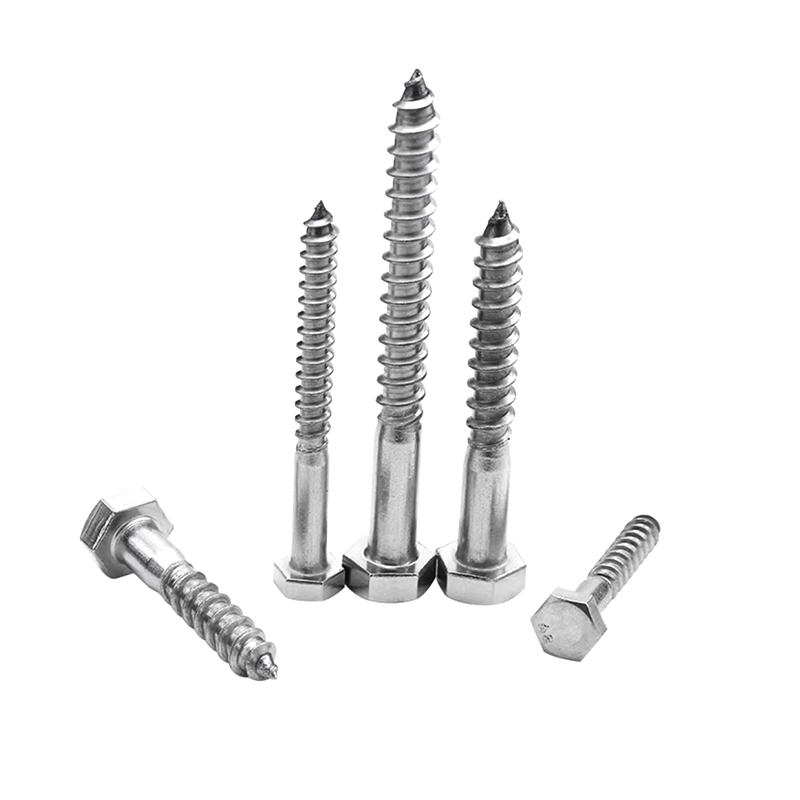 ST5*25 SS316 Hex Head Wood Screws for Woodworking
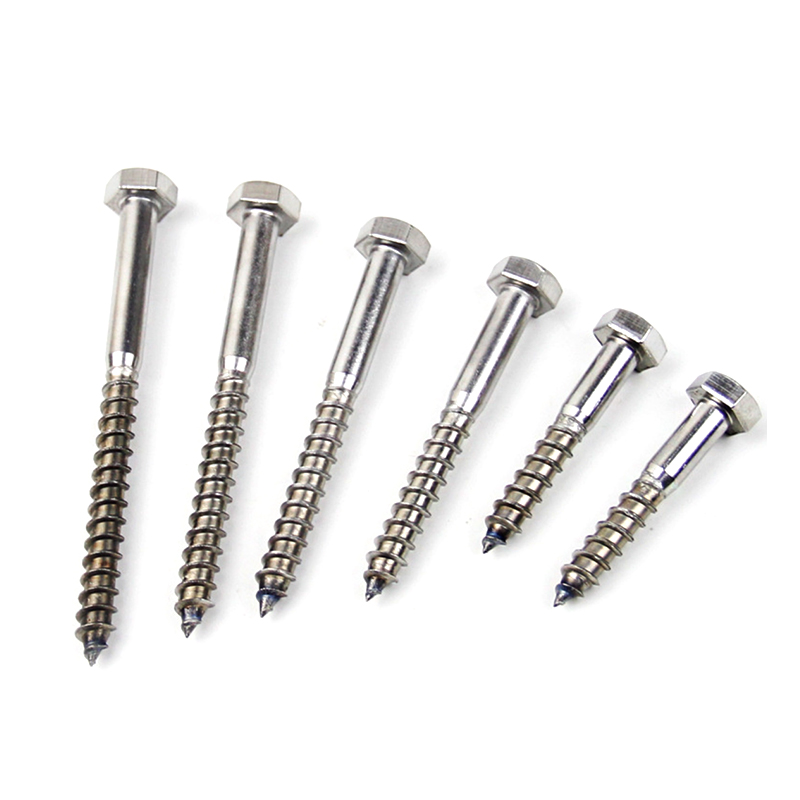 DIN 571 Plain Hex Head Wood Screws
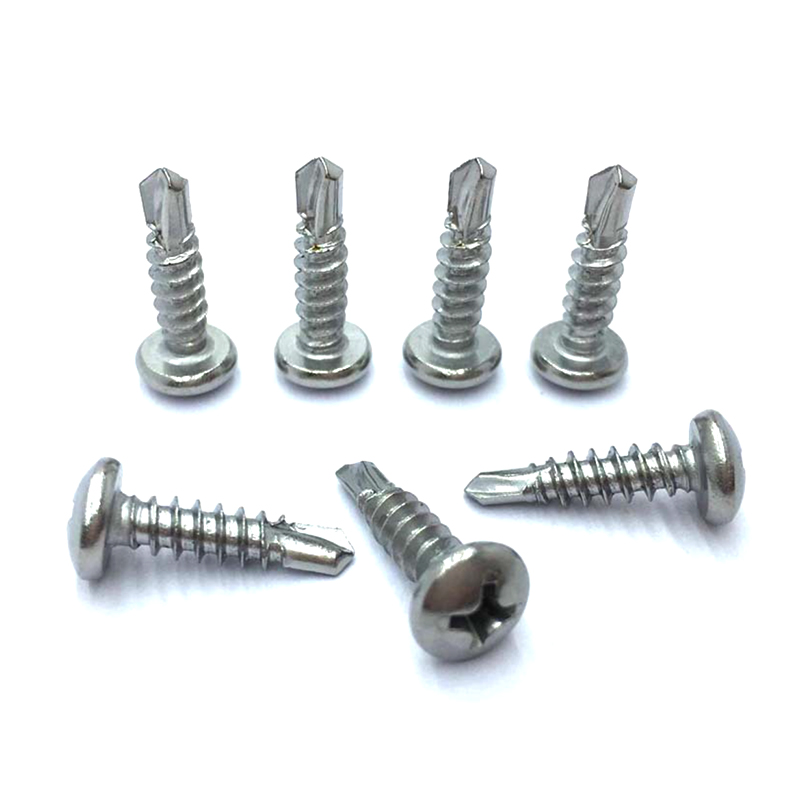 DIN 7504K SS304 Plain Cross Head Self Drilling Screws
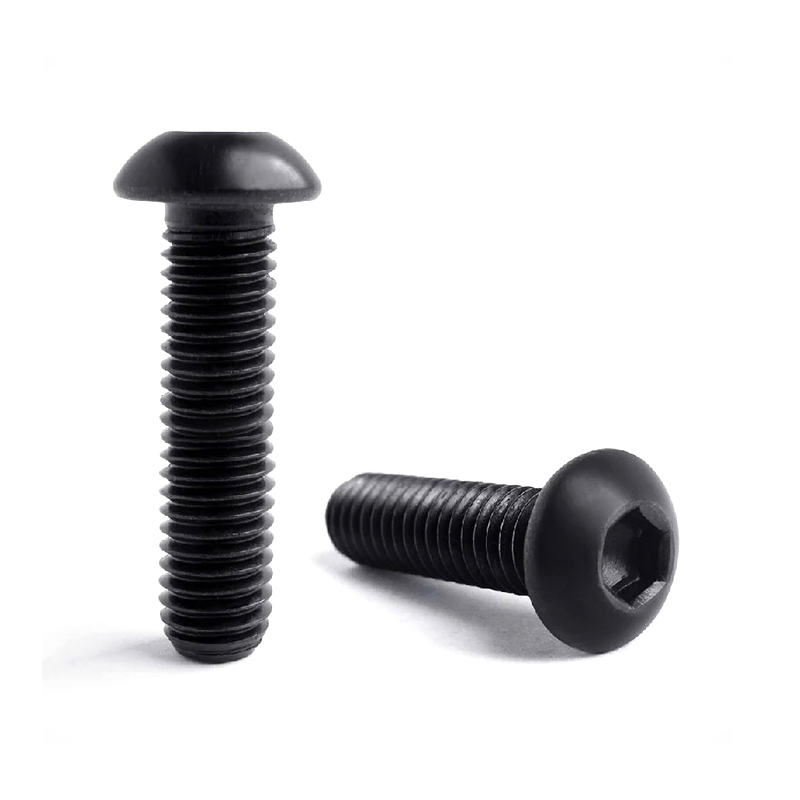 Zinc Plated Carbon Steel Hexalobular Button Head Bolt
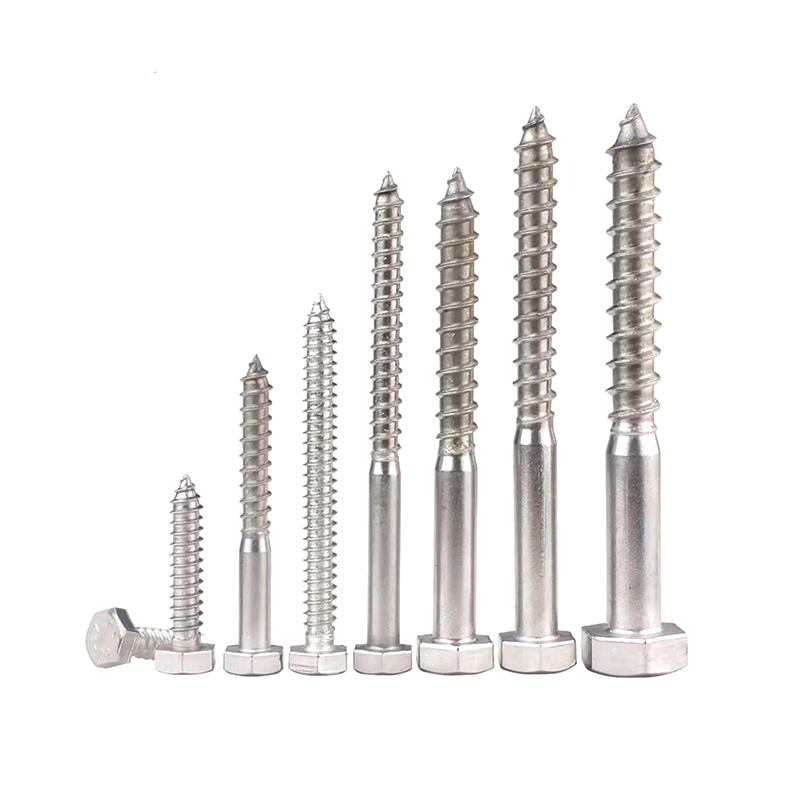 ST5*35 Stainless Steel 304 Hexagonal Wood Screws
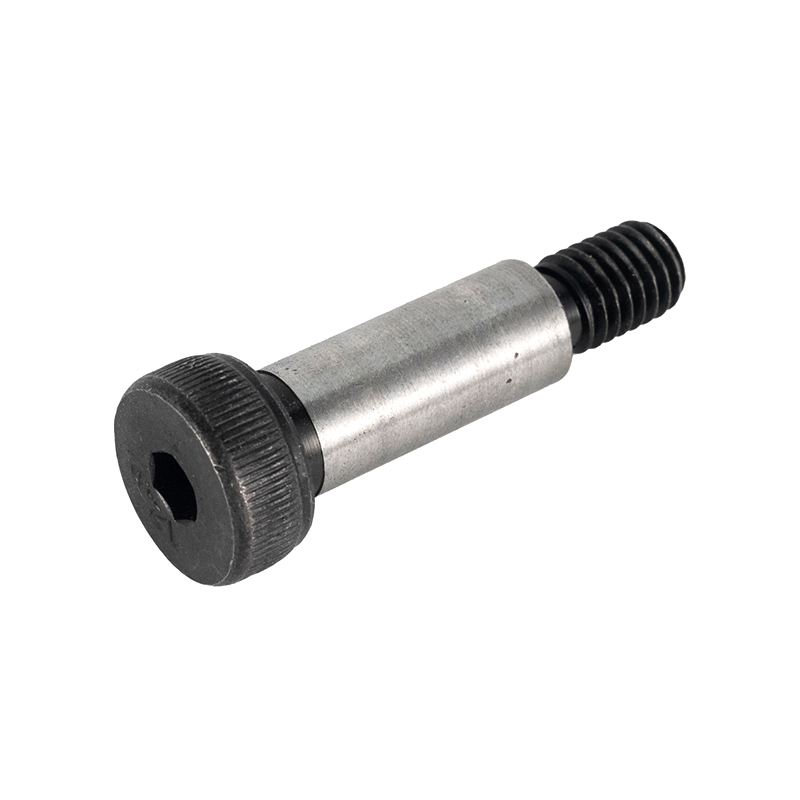 1-8 UNC x 5" Zinc Plated Alloy Steel Socket Head Shoulder Screws
 Contact Information
 Address



 中文简体
中文简体 Português
 Español
 Deutsch
 русский
 عربى
عربى