
Content
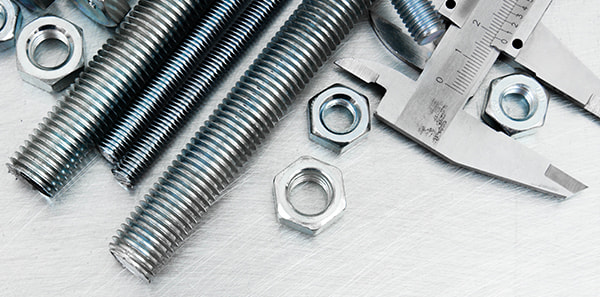
A double-ended screw is a headless fastener featuring threads on both ends of a single shank. Unlike traditional screws with a drive head, this design allows one end to anchor into a substrate while the opposite end provides an exposed threaded section for attaching another component. The center portion may include an unthreaded shoulder or continuous threading depending on load and positioning requirements.
This configuration is commonly used when a concealed connection is required or when two materials must be joined without visible fastener heads. It is widely applied in furniture assembly, hanger bolt systems, mounting studs, and mechanical installations where alignment and pull-out resistance are critical.
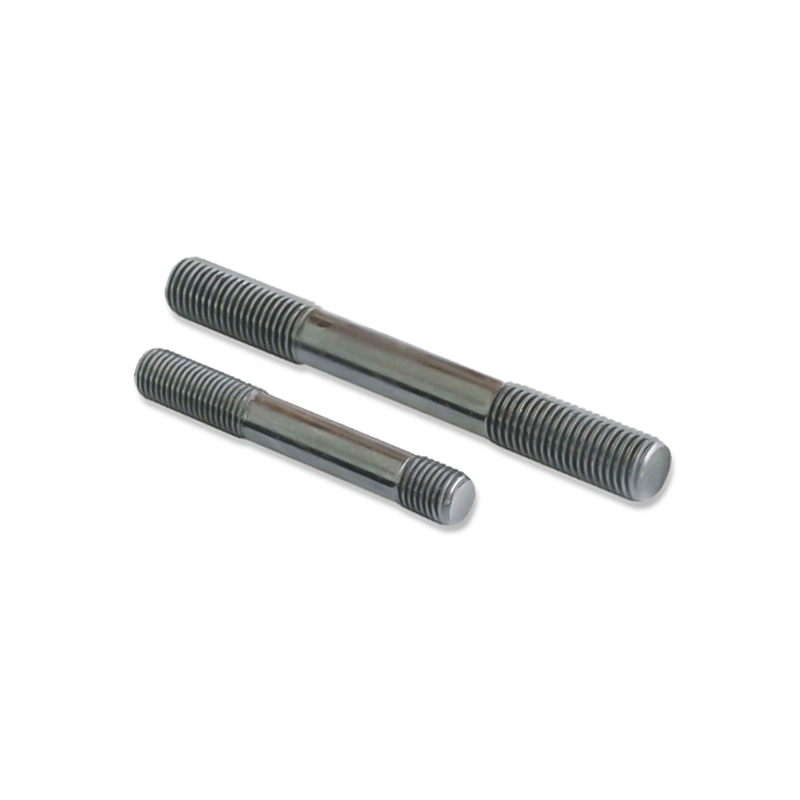
Double-ended screws vary based on thread style, material compatibility, and mechanical demand. Selecting the appropriate configuration ensures secure engagement and structural reliability.
This type, often referred to as a hanger bolt, features coarse wood screw threads on one end and machine threads on the other. The coarse thread penetrates wood fibers for strong grip, while the machine thread connects to nuts or metal components. It is widely used for table legs, railing posts, and mounting brackets.
Both ends carry machine threads, typically used in metal-to-metal assemblies. These screws function similarly to studs and are common in mechanical housings, flange connections, and structural steel frameworks where disassembly may be required.
Certain double-ended screws are paired with expansion anchors or chemical anchors for embedding into concrete. The embedded portion transfers tensile load into the substrate, while the exposed threaded section supports fixtures such as handrails or industrial brackets.
Material choice directly affects load capacity, corrosion resistance, and service life. Carbon steel is commonly used for indoor structural fastening. For exterior or humid environments, stainless steel improves resistance to oxidation. In high-load industrial environments, alloy steel with heat treatment increases tensile strength.
Surface finishes such as zinc plating, hot-dip galvanizing, or black oxide coating provide additional corrosion protection. The selection depends on environmental exposure and mechanical stress conditions.
| Material | Application Environment | Performance Focus |
| Carbon Steel | Indoor Dry Areas | High Strength |
| Stainless Steel | Outdoor or Humid | Corrosion Resistance |
| Alloy Steel | Industrial Load-Bearing | Enhanced Tensile Capacity |
Proper installation ensures maximum holding power and prevents thread stripping or substrate damage. Because double-ended screws lack a conventional head, specialized methods are required for driving.
Thread two nuts onto the exposed machine-thread side and tighten them against each other. Use a wrench to rotate the inner nut, driving the opposite end into the substrate. Once installed, loosen the outer nut to remove both nuts without affecting screw position.
For wood installation, pilot hole diameter should be slightly smaller than the coarse thread outer diameter to prevent splitting. In metal or concrete installations, precise hole sizing ensures thread engagement or anchor expansion efficiency.
Double-ended screws transfer both tensile and shear forces depending on orientation. In vertical mounting applications, tensile pull-out resistance is critical. In horizontal mounting, shear capacity between joined materials becomes dominant. Embedment depth, substrate density, and thread profile significantly influence performance.
Spacing between fasteners also affects structural integrity. Maintain adequate edge distance and spacing to prevent splitting in wood or cracking in concrete. For load-bearing installations, consult mechanical load charts to verify safe working limits.
Double-ended screws are used in a wide range of assembly environments due to their concealed fastening capability and strong mechanical engagement.
Selecting the correct double-ended screw requires attention to thread type, material compatibility, load direction, and environmental exposure. When properly installed with correct torque and embedment depth, this fastener provides stable and durable mechanical connection without visible hardware, supporting both structural and aesthetic requirements.
 10*75*2 Double-Ended Straight Handle Lug Wrench Spanner
 China High Carbon Steel Double Open End Spanner Portable Hand Wrench for Auto Repair, Support Custom Drawing & Sample Processing
 ST3.5*8 Black Zinc Self Tapping Screws
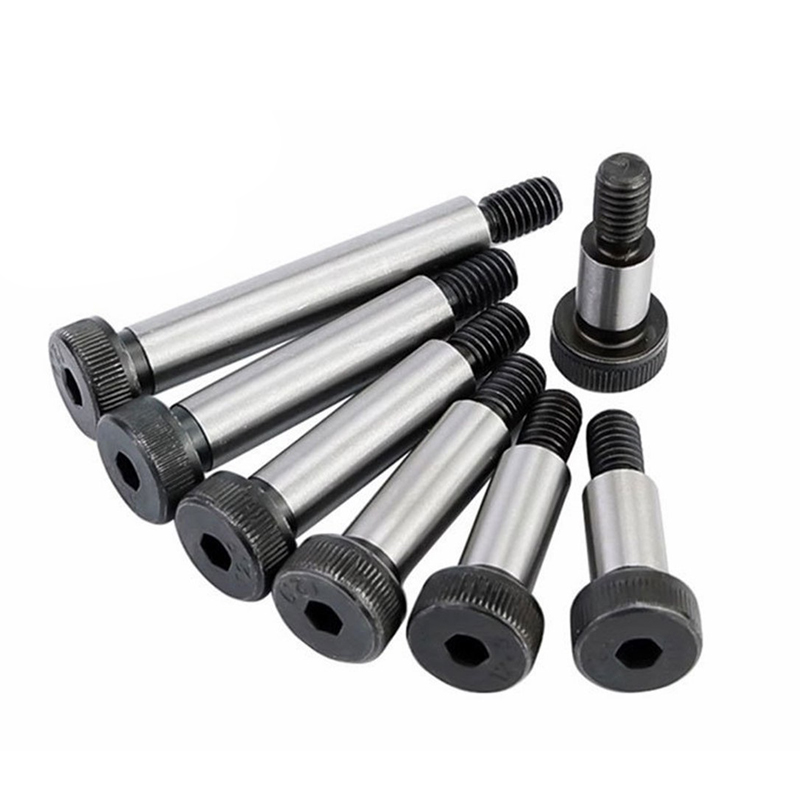 Alloy Steel Black Oxide Extended Shoulder Screw ISO 7379
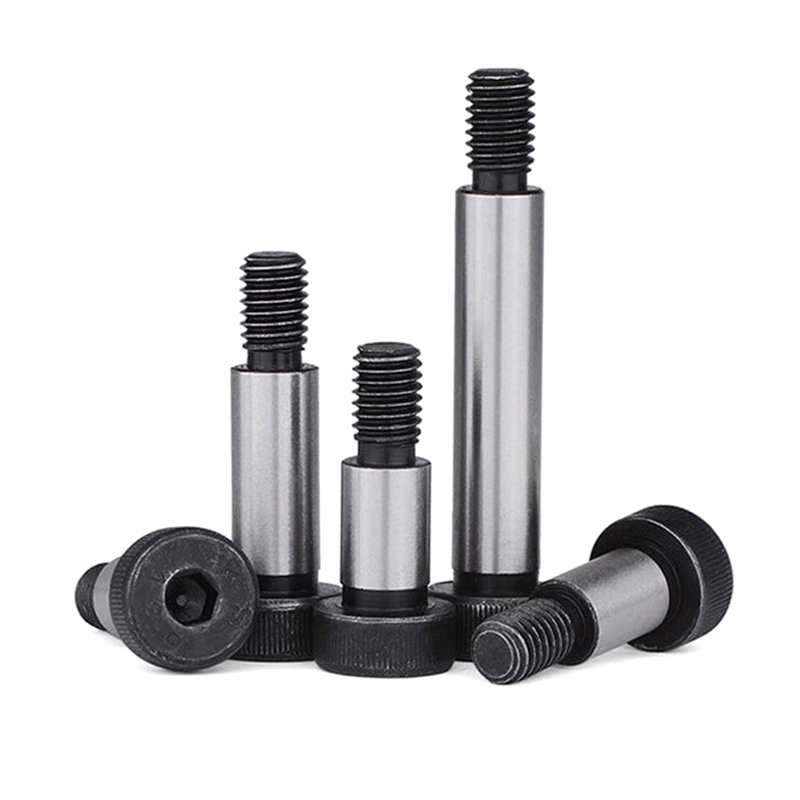 M2.5-M8 Alloy Steel Black Oxide Small Shoulder Screw ISO 7379
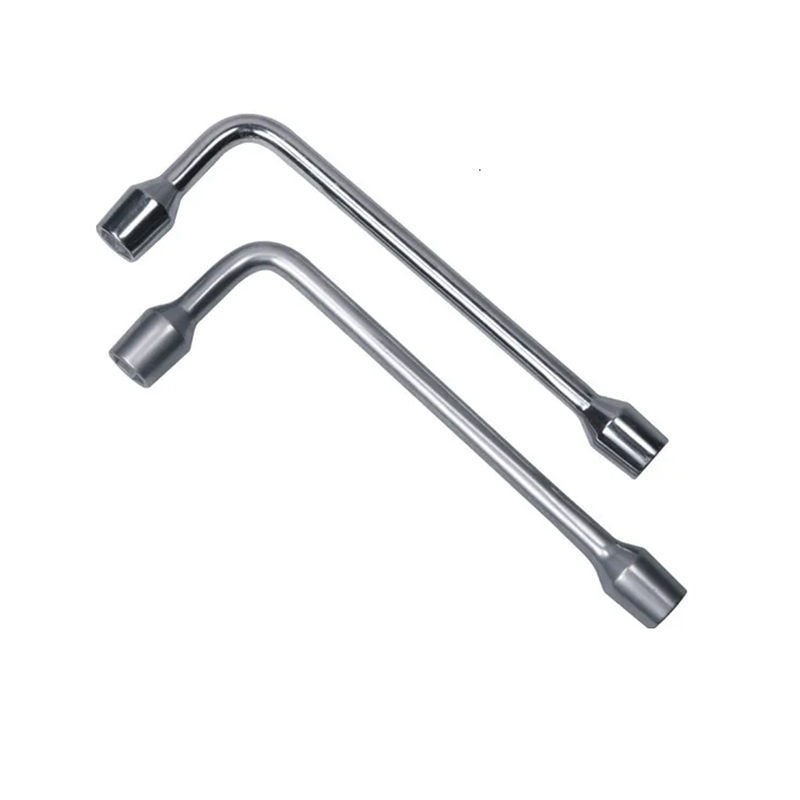 Chrome Vanadium Steel Chrome Plated Double End L-Type Hex Wrench
 Contact Information
 Address



 中文简体
中文简体 Português
 Español
 Deutsch
 русский
 عربى
عربى