Industry Knowledge
Thread Form and Point Geometry: What Actually Determines Pull-Out Strength in Different Substrates
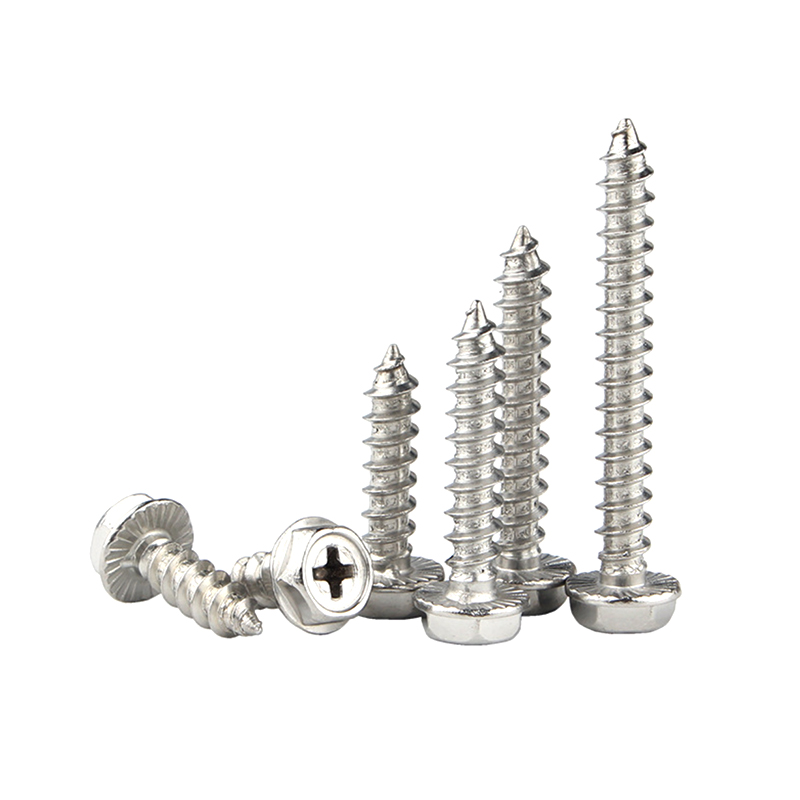
Pull-out strength in Self Tapping Screws is not primarily a function of screw diameter — it is determined by the interaction between thread form, point geometry, and substrate density. For metal substrates such as thin-gauge steel or aluminum profiles used in door and window frames, a Type AB thread (sharp 60° angle, coarse pitch) forms a clean mating thread during installation and achieves pull-out values close to the base material's shear strength. In contrast, a Type A thread with a blunter point and slightly wider pitch spacing performs better in thicker cast aluminum or pre-drilled holes because it reduces the risk of galling during installation without sacrificing engagement depth.
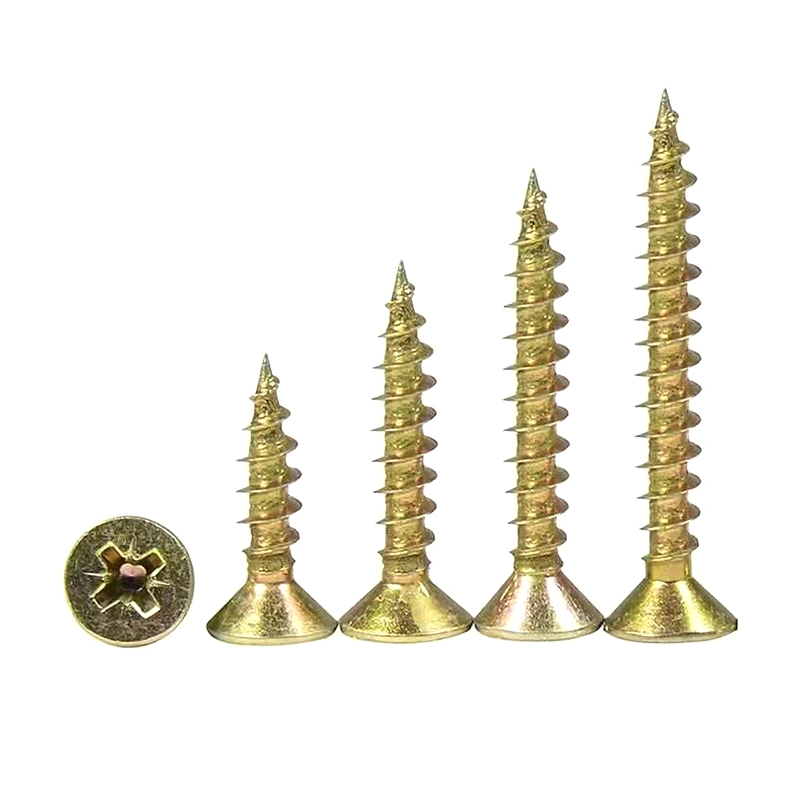
In wood and composite substrates — common in cabinet assembly and interior hardware fixtures — the pull-out mechanism changes entirely. Here, thread engagement relies on wood fiber compression and interlocking rather than metal-to-metal shear. A wider thread pitch with a deeper root allows more fiber volume to be captured per thread, which is why wood-optimized Self Tapping Screws have a visibly coarser thread profile than their sheet metal counterparts. Using a metal-thread screw in softwood or MDF will achieve only 40–60% of the pull-out value of a properly matched wood-thread design at the same diameter and embedment depth — a difference large enough to matter in cabinet hinge mounting and shelf bracket applications under dynamic load.
Plastic substrates introduce a third variable: thermal expansion. Rigid PVC and polycarbonate panels common in hardware assembly expand significantly with temperature change. Oversizing the screw diameter relative to the pilot hole — even by 0.1mm — creates hoop stress that can crack brittle plastics over seasonal cycles. The correct specification for plastic fastening uses a thread-forming (rather than thread-cutting) screw that displaces rather than removes material, building residual compressive stress in the thread walls that actually improves pull-out resistance while eliminating the crack initiation risk of cutting flutes.
Bugle Head Geometry in Wall Panel Nails: Engineering Behind the Horn Profile
The bugle (horn) head profile on wall panel nails is one of the most functionally specific head geometries in the fastener family, yet it is frequently substituted with standard countersunk or pan-head screws in renovation projects — with predictable results of cracked gypsum board faces and failed surface finishes. Understanding why the bugle profile exists makes it clear why substitution fails.
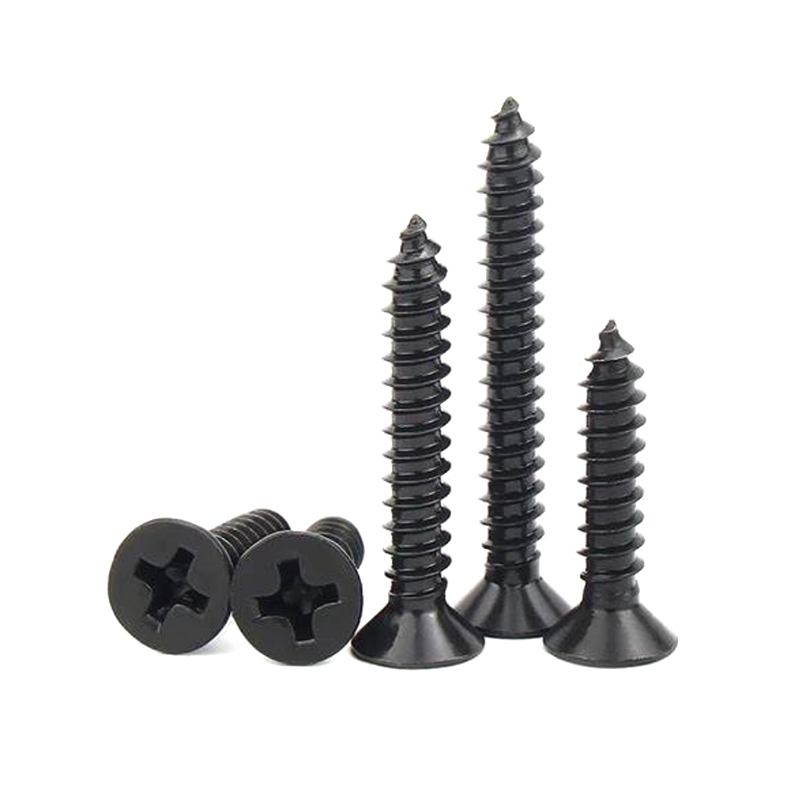
Gypsum board is a brittle composite: a calcium sulfate core sandwiched between paper face layers. When a fastener is driven flush, the head must transition from pulling the board tight against the framing to stopping precisely at the paper face without puncturing through it. A standard countersunk head has a linear taper that concentrates stress at a point, creating a small-radius stress concentration that punches through the paper when the head reaches flush depth. The bugle head uses a curved, concave underside that distributes load across a larger area as it seats, allowing the paper face to compress elastically without tearing — a critical difference when the surface will be skimmed with joint compound and painted, where even a 0.5mm paper tear creates a visible defect after finishing.
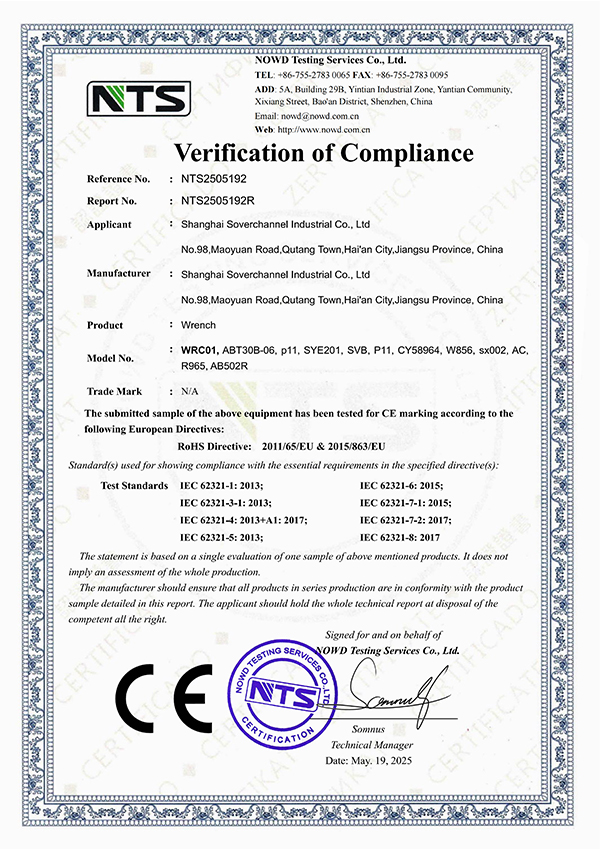
The fine thread pitch on wall panel nails serves a complementary function: it reduces the axial force generated per revolution during driving, which limits the energy transmitted to the brittle core during final seating. Coarse-thread variants designed for wood framing should not be substituted in metal stud partition wall applications — the higher pitch generates more axial advance per driver revolution, making depth control with a standard screwgun depth-nose attachment significantly less precise. Shanghai Soverchannel Industrial Co., Ltd. produces wall panel nail series with verified head profile radii and thread pitch tolerances, ensuring consistent countersink depth across automated drywall installation equipment without manual depth adjustment between boards.
Locking Force Retention Over Time: What Causes Self Tapping Screws to Loosen in Service
Self Tapping Screws develop their clamping force through thread engagement formed during installation — which means the joint preload is entirely dependent on the quality of the mating thread in the substrate. Unlike bolted joints with nuts where the clamping force is independently controllable, a self-tapping joint's long-term retention depends on three factors that are often not addressed in product selection: substrate creep, vibration frequency relative to thread pitch, and surface treatment at the thread contact interface.
- Substrate creep — Thermoplastic materials, softwood, and gypsum board all exhibit time-dependent deformation under sustained load. A screw installed at correct torque in a plastic housing will lose 15–30% of initial clamp load within the first 72 hours as the polymer thread walls relax. In door hardware and cabinet hinge applications subjected to repeated load cycles, this initial relaxation is compounded by fatigue wear at the thread contact surfaces. Specifying a larger diameter fastener than the static load calculation requires — typically one size up — provides the preload reserve needed to maintain joint integrity through the relaxation phase.
- Vibration loosening — In metal-to-metal joints such as aluminum window frame assemblies and hardware brackets, vibration loosening occurs when the applied vibration frequency matches or harmonically relates to the natural frequency of the joint. Thread pitch is a direct variable: finer pitch threads have a smaller helix angle and higher self-locking efficiency, resisting loosening under vibration without adhesive thread-locking compounds. For aluminum profile joints in door and window installations subject to wind-induced vibration, specifying a fine-pitch Type B thread over a coarse Type A can extend the loosening-free service interval from months to years without additional locking features.
- Galvanic contact at thread interface — When a carbon steel self-tapping screw contacts aluminum substrate without an isolating coating, galvanic corrosion at the thread interface progressively converts the aluminum thread walls to aluminum oxide — a non-structural, powdery compound that offers no thread engagement strength. The joint may appear intact from the head while the thread engagement has been entirely destroyed. Using zinc-plated or geometrically compatible stainless screws in aluminum substrate applications, or specifying a thread locking patch on the screw, eliminates this failure mode at minimal cost premium.
Specifying Self Tapping Screws for Mixed-Material Assemblies in Doors, Windows, and Cabinets
Modern doors, windows, and cabinet assemblies rarely involve a single substrate. A typical aluminum-framed window might require fastening aluminum extrusions to steel anchor brackets, securing glass bead moldings in PVC channels, and attaching hardware fittings into composite board panels — all within the same installation. Using a single screw specification across these interfaces is one of the most common sources of field callbacks in joinery and fit-out projects.
| Joint Type |
Recommended Thread Form |
Head Style |
Material / Coating |
Key Risk to Avoid |
| Aluminum-to-steel bracket |
Type AB, fine pitch |
Pan or hex washer |
304 SS or zinc-plated carbon steel |
Galvanic corrosion at thread interface |
| PVC channel / glass bead |
Thread-forming (no cutting flute) |
Countersunk or oval |
Stainless or nickel-plated |
Hoop-stress cracking in brittle PVC |
| Cabinet carcass (MDF / plywood) |
Coarse pitch, deep root |
Flat countersunk or bugle |
Yellow zinc or phosphated |
Pull-out from low-density composite edge |
| Hardware fitting to metal panel |
Type B, fine pitch |
Pan or truss |
Carbon steel, Dacromet-coated |
Vibration loosening under cycling load |
| Gypsum board to metal stud |
Fine thread, wall panel nail profile |
Bugle (horn) head |
Phosphated carbon steel |
Paper face puncture or core cracking |
Recommended self-tapping screw configurations for common mixed-material joints in doors, windows, cabinets, and partition wall installations.
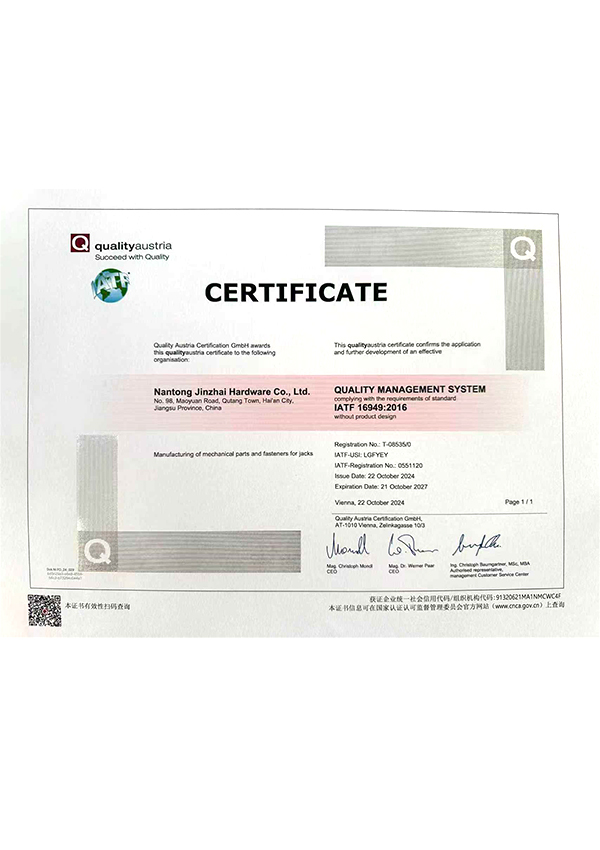
Developing a joint-specific fastener schedule at the design stage — rather than selecting a generic "all-purpose" screw at procurement — eliminates the majority of these failure modes before the project reaches site. With complete specifications, sufficient stock, and customization support, Shanghai Soverchannel Industrial Co., Ltd. enables engineering, decoration, and manufacturing customers to source the full range of application-matched Self Tapping Screws from a single supply chain partner, reducing substitution risk and simplifying incoming inspection against a consistent quality baseline built on the same rigorous process controls developed through years of automotive fastener manufacturing.


 中文简体
中文简体 Português
 Español
 Deutsch
 русский
 عربى
عربى