
Content
A jack screw is the threaded shaft inside a car jack that converts rotational force into the straight-line lifting motion that raises a vehicle off the ground. Turn the screw, and a nut riding on its threads travels along the shaft length, pushing the jack's lifting point upward with far more force than the hand applying the turn.
This mechanical advantage is what makes it possible for one person to lift a car weighing over a ton using nothing but a hand wrench. The screw thread does the heavy lifting, literally, by trading rotational distance for lifting force — many turns of the handle for a small amount of vertical travel, but with enough force multiplication to raise serious weight. For manufacturers building or sourcing jacks, our full range of jack screw and solid steel shaft products covers the core component options behind this mechanism.
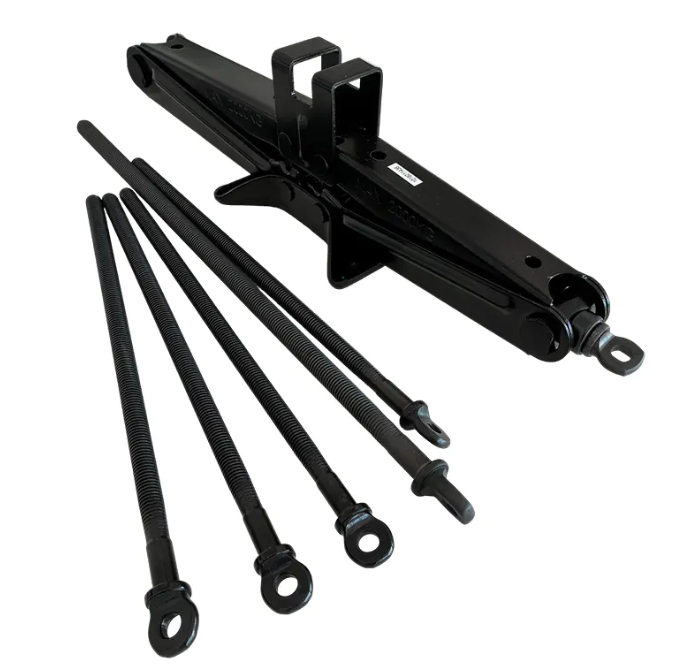
The mechanism relies on two parts working together: a threaded screw shaft and a matching nut. As the shaft rotates, the threads force the nut to move axially along its length, and because the nut is connected to the jack's load-bearing platform, that axial movement becomes vertical lift. The tighter and more precise the thread engagement, the smoother this translation from rotation to lift.
A key safety feature built into most jack screw threads is self-locking behavior. The thread angle is shallow enough that friction alone prevents the screw from spinning backward under load, meaning the jack holds its position once you stop turning the handle — it won't slowly lower itself just from the weight resting on it. This is a fundamentally different safety mechanism than hydraulic jacks rely on, which need separate valves to hold pressure.
Not all jack screws are built the same way, and the head design and thread profile both affect how the component performs in service.
| Type | Key Feature | Typical Use |
|---|---|---|
| Hex head screw rod | Hexagonal head for easy wrench engagement | Manual jacks requiring quick tool changes |
| Triangular-head RD arc-thread | Curved thread profile for smooth load transfer | Jacks needing reduced friction under heavy load |
| Flat head T-thread (trapezoidal) | Trapezoidal thread shape for strength and stability | Precision lifting applications requiring consistent travel |
The trapezoidal profile deserves particular attention because it's become the standard for applications where lifting accuracy matters. Trapezoidal lead screws designed for smooth, precise lifting motion distribute load across a wider thread face than a standard V-thread, which reduces wear and keeps the lifting action consistent over thousands of use cycles rather than degrading after repeated heavy loads.
A jack screw that fails under load isn't a minor defect — it's a component supporting a vehicle over a person working underneath it, so material selection and manufacturing precision matter more here than in most fastener applications. High carbon steel and alloy steel are the two most common material choices, chosen specifically for their combination of tensile strength and resistance to deformation under sustained load.
Thread precision is just as critical as the raw material. A screw with inconsistent thread pitch or poor surface finish creates uneven load distribution across the nut, concentrating stress on fewer thread contact points than the design intends. Over time, this accelerates wear and increases the risk of thread stripping under load — exactly the failure mode that turns a routine tire change into a serious injury. Manufacturers sourcing custom hex head screw rods engineered specifically for automotive jacks should expect documented thread tolerance data as part of standard quality control, not something requested as an afterthought.
While automotive maintenance is the most familiar application, jack screws built to the same mechanical principles show up across construction, logistics, and industrial equipment. Building foundation leveling relies on screw jacks for the same self-locking stability that makes them safe under a parked car. Warehouse and logistics operations use similar lifting screws in adjustable platform equipment, where controlled, repeatable vertical movement matters more than raw lifting speed.
Aircraft maintenance is another notable use case, where jackscrews raise and lower components like horizontal stabilizers with precise, incremental control. Across all these applications, the underlying requirement is the same one automotive jack screws are built for: converting rotational input into reliable, load-bearing linear motion without the complexity of hydraulic systems.
For teams sourcing jack screws as a component rather than buying a finished jack, a few checks separate a reliable long-term supplier relationship from one that leads to field failures. Confirm the rated load capacity with a safety margin appropriate for the intended vehicle class — a screw rated exactly at expected load leaves no buffer for uneven ground, off-center lifting, or gradual wear.
Regular field maintenance matters too, even for a well-made component. Screws should be inspected periodically for thread wear, bending, or corrosion, and any damaged unit replaced before it's put back into service — a small upfront inspection cost against the risk of a lifting failure under load.
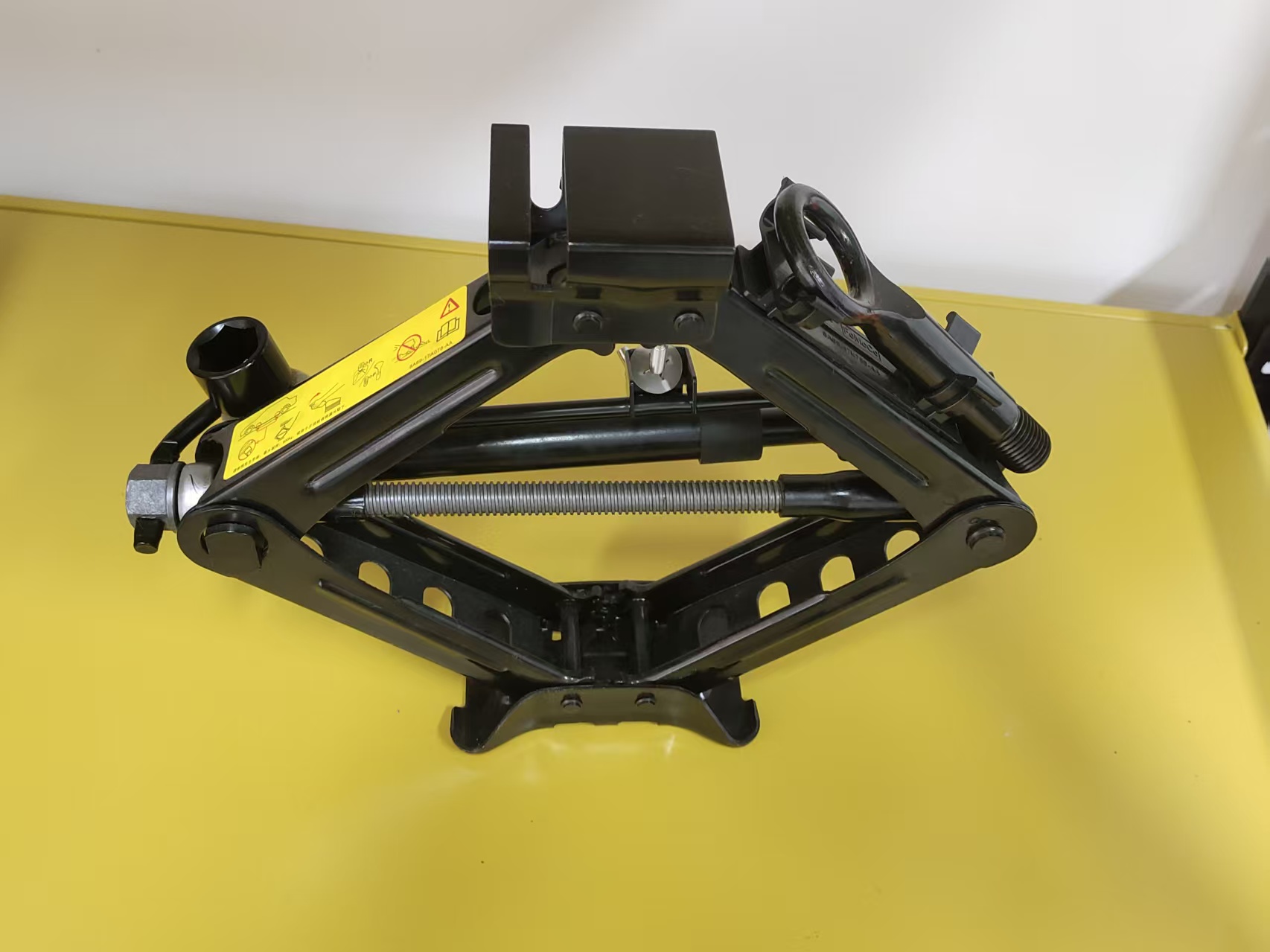 China Steel 1.5T 2T 2.5T Manual Scissor Car Jack Portable Auto Repair Jack for Sedan SUV
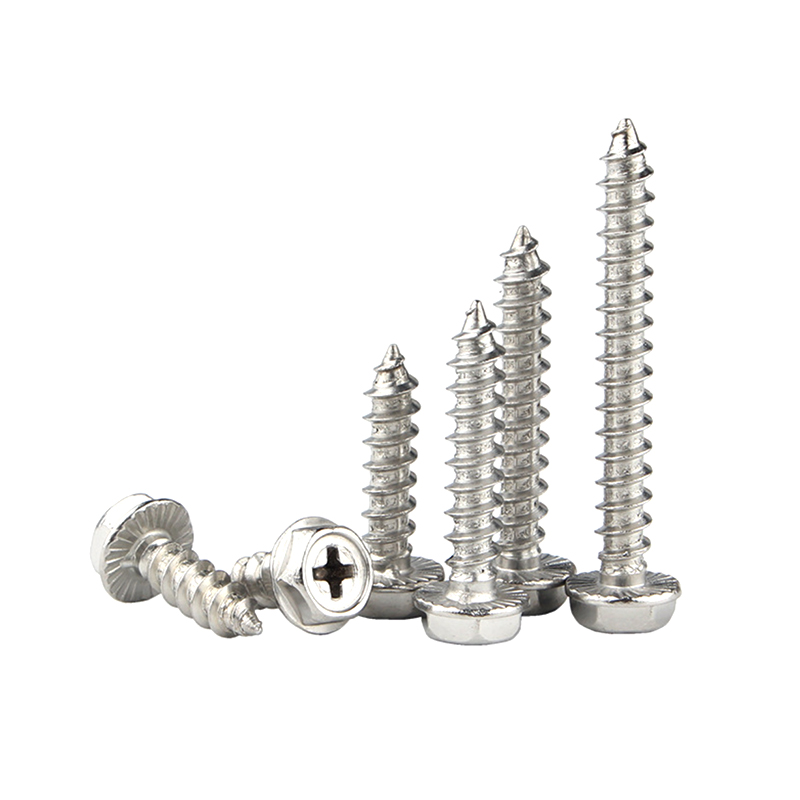 ST3.9*6.5 Galvanized Self Tapping Screws for Metal
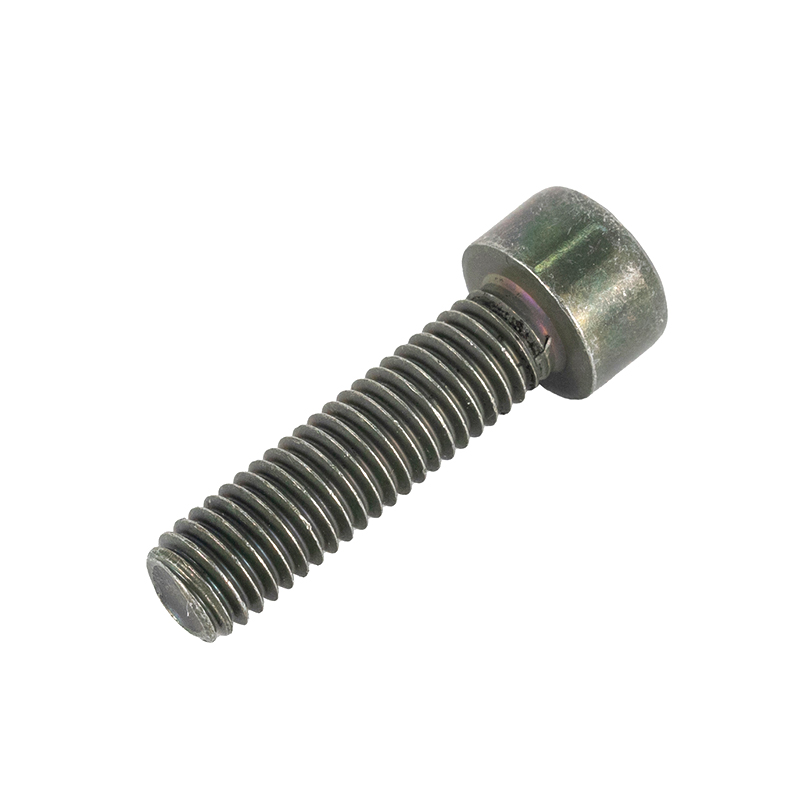 M3*40 Carbon Steel Black Oxide Hexagon Socket Screws
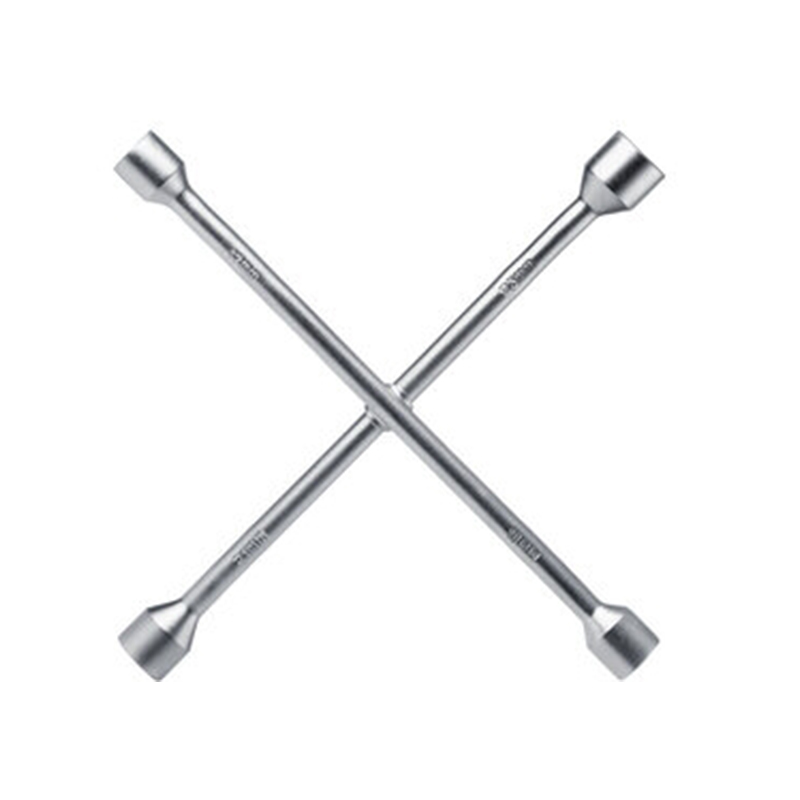 Carbon Steel 4*30*100 Car Wheel Lug Nut Cross Wrench
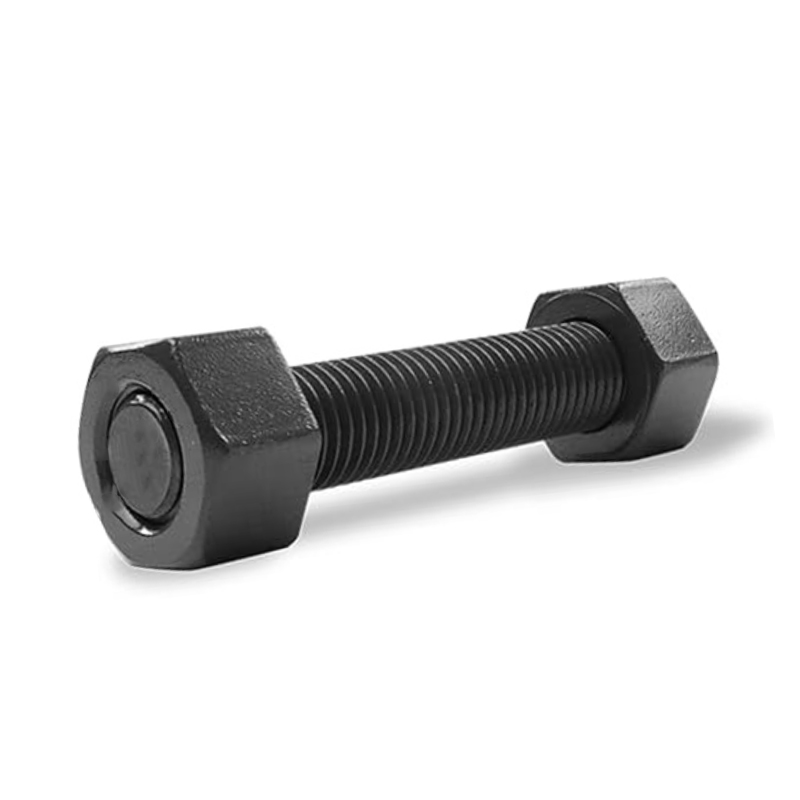 Carbon Steel M16×300 Grade 8.8 Galvanized / Black Full Threaded Bar
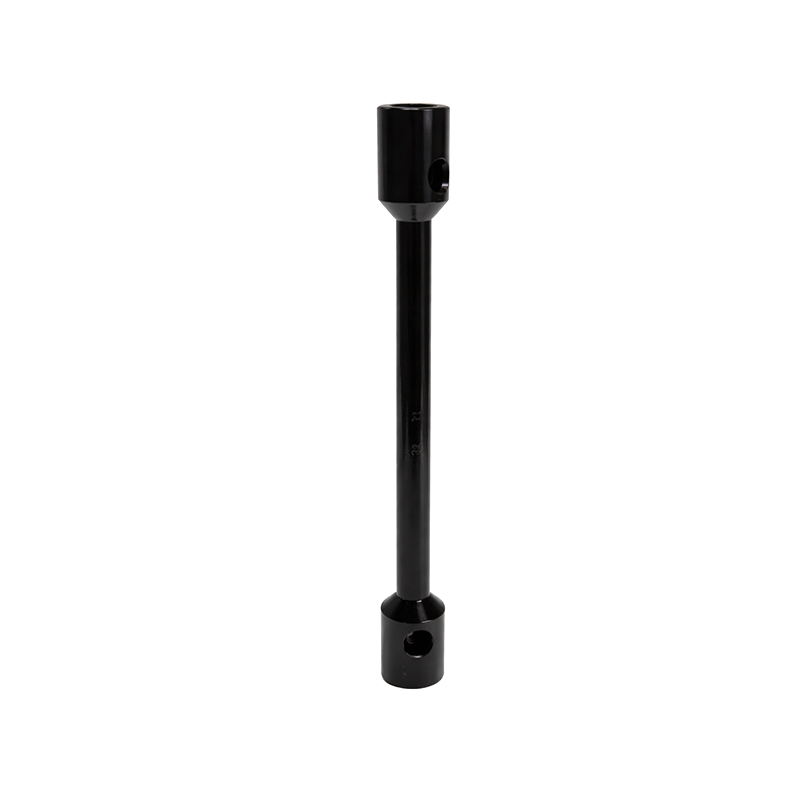 Carbon Steel Heavy Duty Two Way Wheel Spanner
 Contact Information
 Address



 中文简体
中文简体 Português
 Español
 Deutsch
 русский
 عربى
عربى