Industry Knowledge
Why the Bolt Grade Number Actually Tells You the Strength Formula
The two-digit property class printed on every high-strength bolt head is not arbitrary — it encodes two mechanical properties in a single marking. Take grade 10.9 as an example: the first number, 10, indicates a minimum tensile strength of 1,000 MPa, while the digit after the decimal, 9, represents the yield-to-tensile ratio of 0.9, giving a minimum yield strength of 900 MPa. Grade 8.8 follows the same logic — 800 MPa tensile, 640 MPa yield. This system, standardized under ISO 898-1 and aligned with China's GB/T 3098.1, means engineers can read the load-bearing parameters directly from the head marking without referencing a separate datasheet.
For steel structure connections, the two grades specified under GB/T 1228 and GB/T 3632 are 8.8 and 10.9. Grade 10.9 delivers roughly 30% more tensile capacity than 8.8 at a 25–40% price premium — a trade-off that makes sense in high-rise frames, long-span roofs, and heavy industrial platforms where reducing bolt count also reduces the number of drilled holes and preserves member cross-section. Grade 8.8, on the other hand, remains the default for general structural fabrication: cost-effective, widely available in all standard sizes from M12 to M36, and sufficient for most beam-to-column connections under moderate load.
One important clarification: higher grade does not always mean better. As strength increases, toughness decreases and sensitivity to hydrogen embrittlement rises. Selecting grade 10.9 where 8.8 is adequate adds cost and increases the risk of stress corrosion in corrosive environments. The correct approach is to match the property class to the calculated joint load and safety factor in the structural design — not to over-specify for reassurance.
Large Hexagonal vs. Torsional Shear: Choosing the Right Connection Type for Your Project
Steel Structure High-Strength Bolts come in two primary configurations for structural use under Chinese national standards, and the choice between them affects installation speed, cost, and quality control outcomes more than most engineers initially realize.
Large Hexagonal High-Strength Bolts (GB/T 1228)
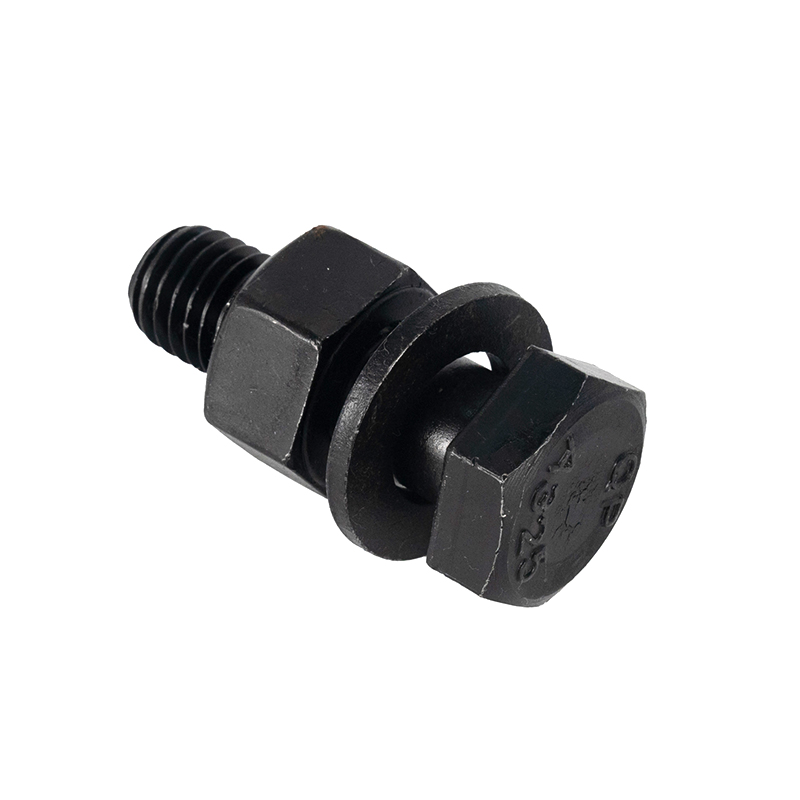
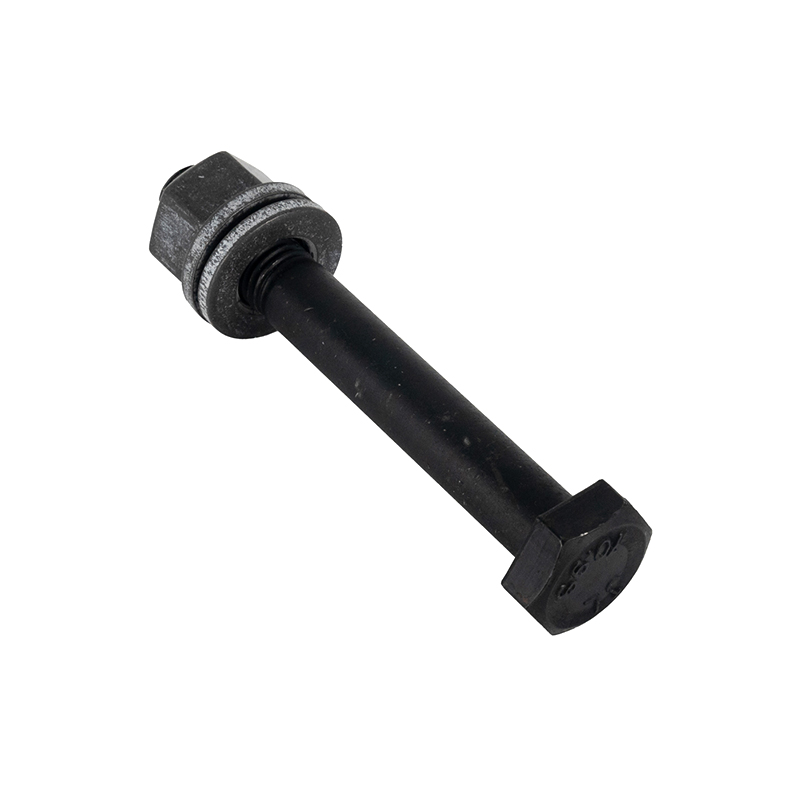
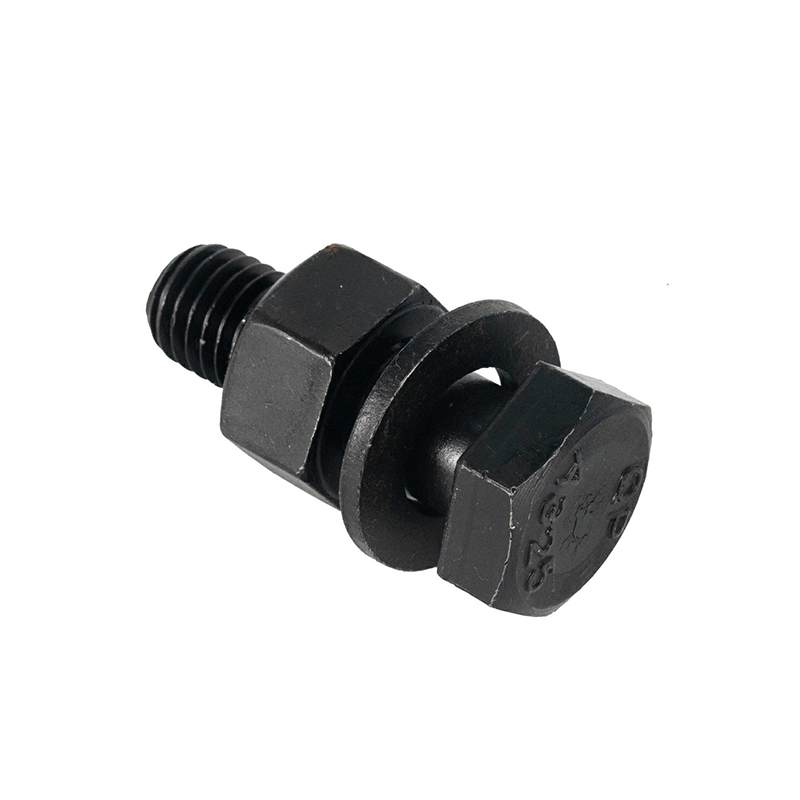
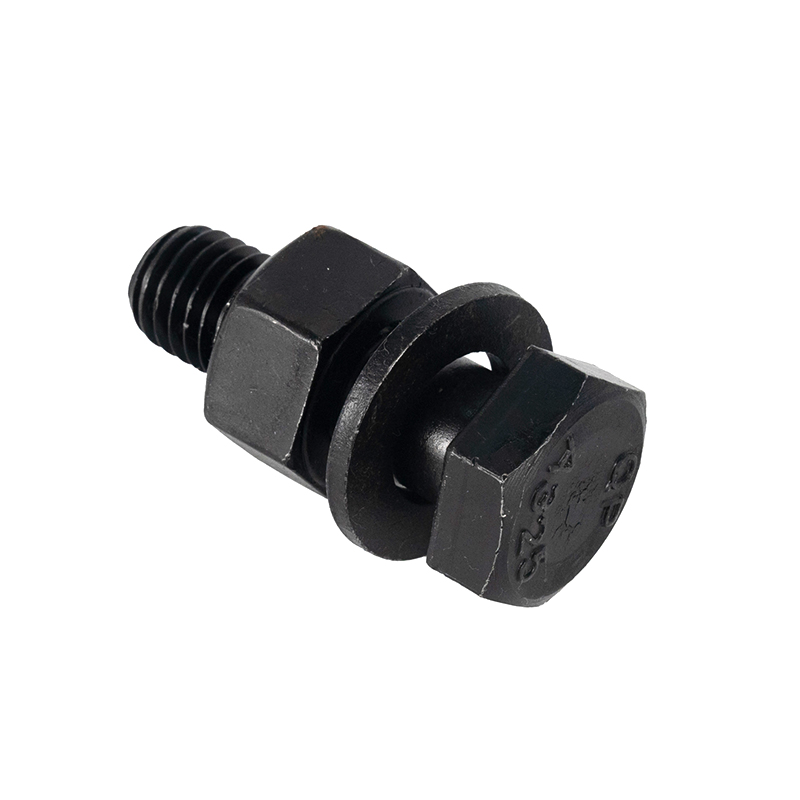
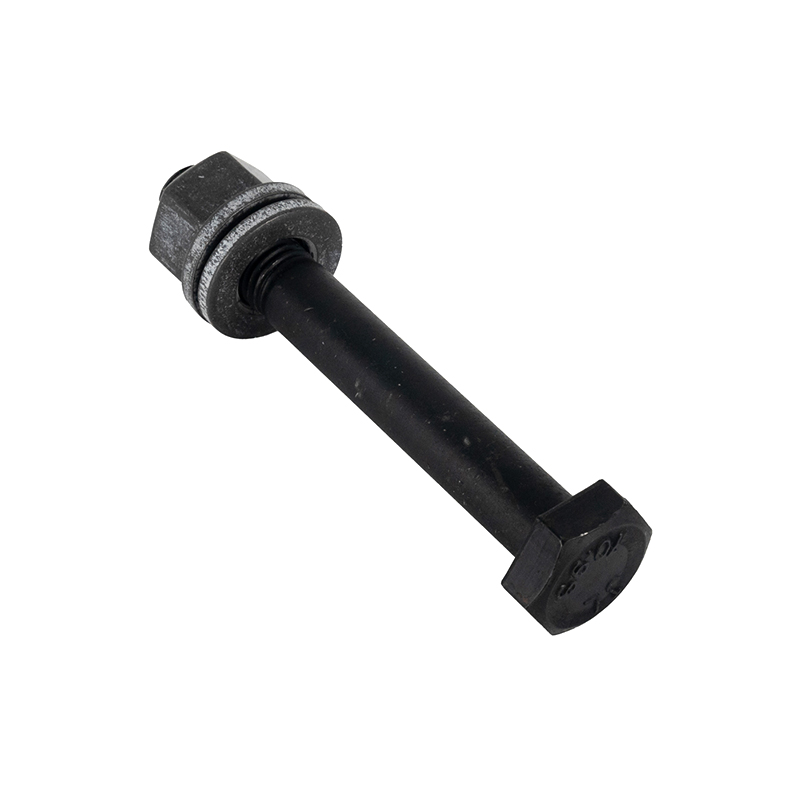
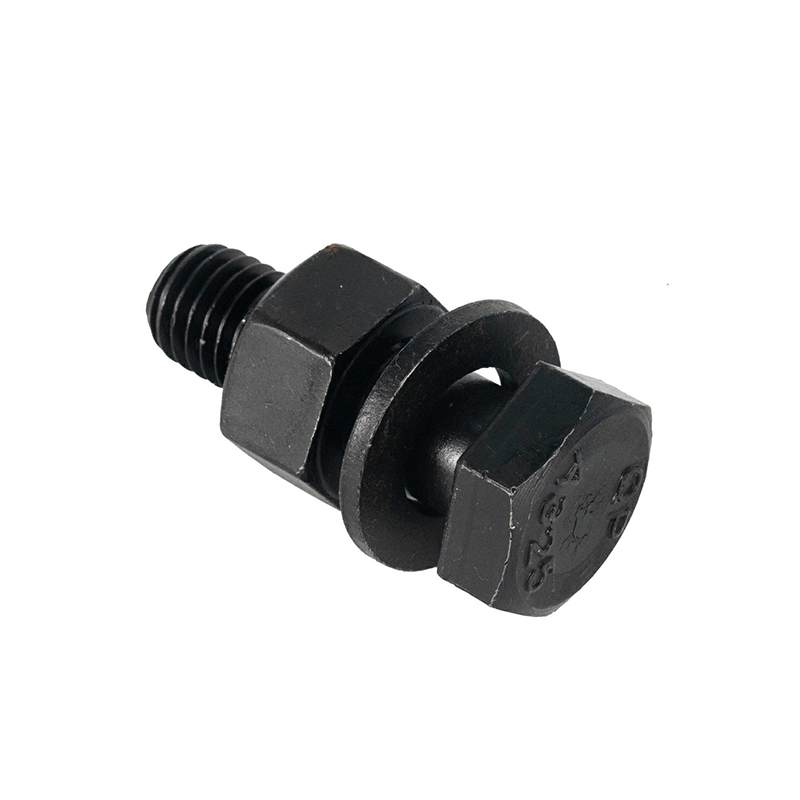
Large hexagonal bolts are the more traditional type and are used alongside matched nuts and hardened washers. Pre-tension is achieved by applying a calibrated torque through a torque wrench. This gives the installer precise control, making them well-suited for connections that bear dynamic loads — crane girders, bridge decks, and structures subject to vibration or cyclic stress. The torque-control method requires strict adherence to specifications: under-torquing leaves insufficient pre-tension, while over-torquing risks bolt fracture or thread stripping. For large projects, torque wrench calibration must be verified daily.
Torsional Shear High-Strength Bolts (GB/T 3632)
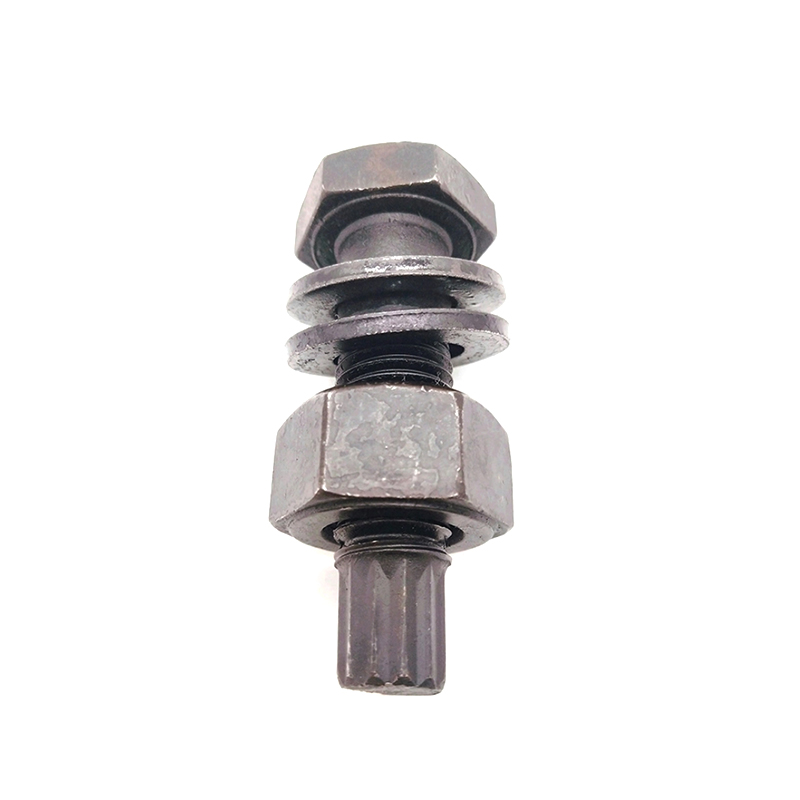
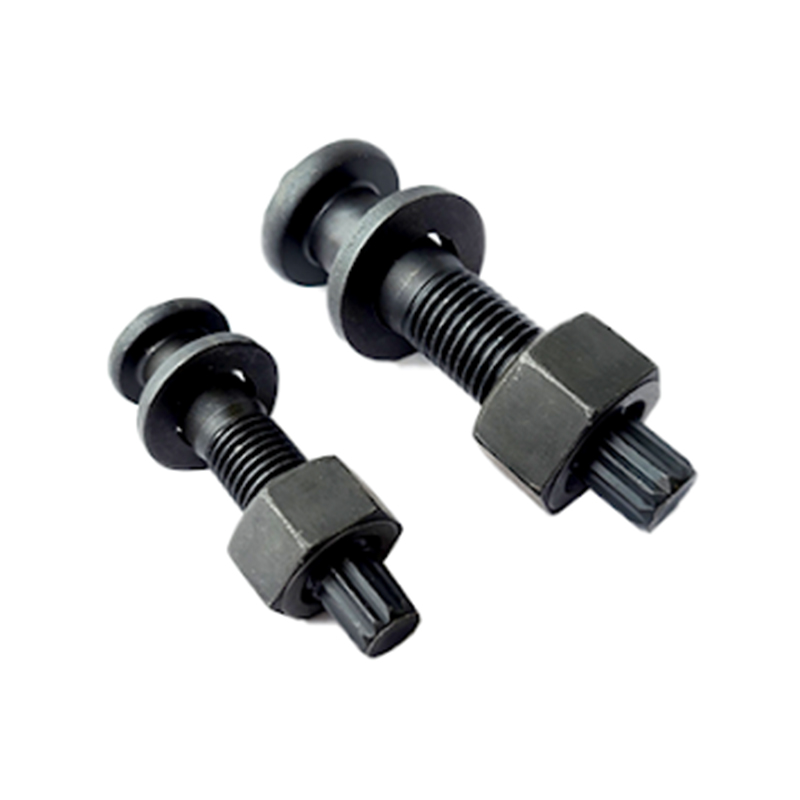
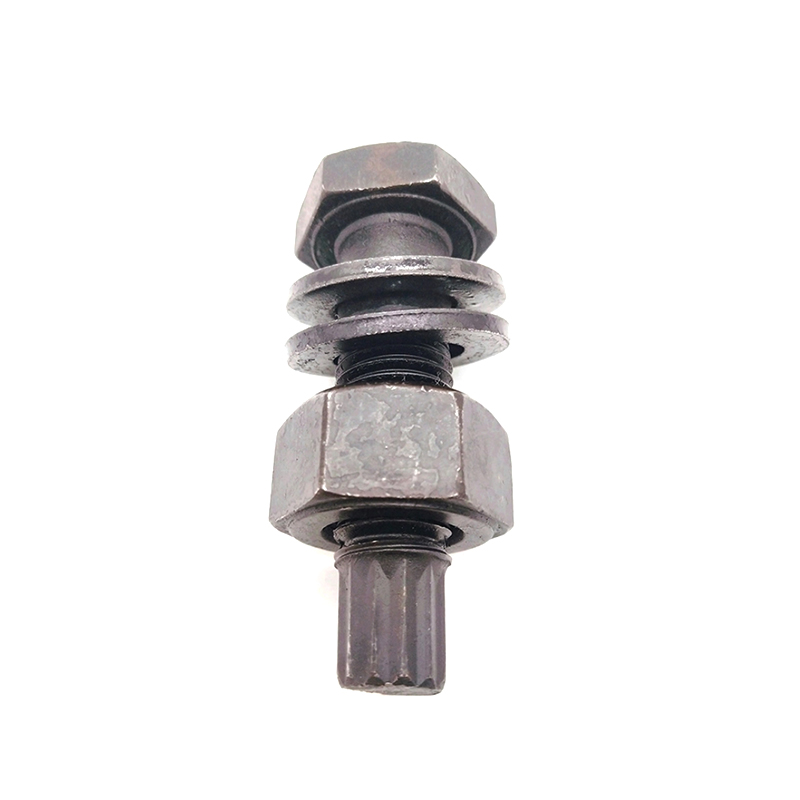
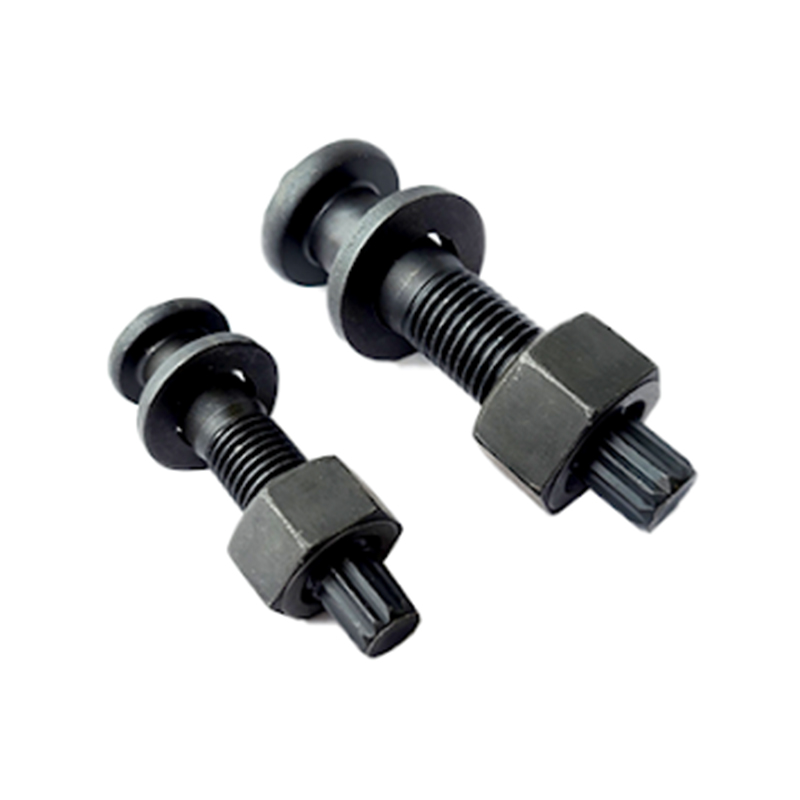
Torsional shear bolts feature a pintail at the end of the shank. During installation, a specialized electric wrench grips both the nut and the pintail simultaneously. As tightening progresses, the pintail shears off at a pre-engineered breakneck groove precisely when the bolt reaches its specified pre-tension — eliminating the need for torque measurement. The sheared-off pintail is the visual confirmation that installation is complete and correct. This self-indicating mechanism makes torsional shear bolts significantly faster to inspect in the field and reduces reliance on operator skill. They are preferred in high-rise buildings and large-span steel structures where installation efficiency directly affects the construction schedule.
The practical trade-off is straightforward: torsional shear bolts cost more per piece and require proprietary electric wrenches. If a wrench fails on site, work halts. Large hexagonal bolts are more universally compatible with standard tools and are the better choice when tool availability is uncertain or when the connection design calls for re-torquing during phased construction.
| Comparison Dimension |
Large Hexagonal (GB/T 1228) |
Torsional Shear (GB/T 3632) |
| Pre-tension Method |
Torque wrench calibration |
Pintail shear-off (self-indicating) |
| Installation Speed |
Moderate |
Fast |
| Field Inspection |
Requires torque re-check |
Visual confirmation only |
| Tool Dependency |
Standard torque wrenches |
Proprietary electric wrench required |
| Typical Application |
Dynamic/cyclic load structures |
High-rise, large-span frames |
| Unit Cost |
Lower |
Higher |
What Quenching and Tempering Actually Does to Bolt Steel — and Why It Matters in Structural Joints
The phrase "quenched and tempered" appears in virtually every high-strength bolt specification, including GB/T 1228, GB/T 3632, and their international equivalents. Understanding what this heat treatment cycle actually achieves — rather than treating it as a generic quality claim — helps procurement engineers assess supplier capability and avoid failures in critical connections.
Quenching involves heating the bolt to above 880–960°C (depending on alloy composition) until alloying elements like chromium, molybdenum, and titanium dissolve fully into the steel matrix. The bolt is then rapidly cooled in a liquid medium, locking the microstructure into a hard but brittle martensite phase. At this stage, the bolt has maximum hardness but is dangerously susceptible to cracking under stress. Tempering follows immediately: the bolt is reheated to 420–600°C to relieve internal stresses and convert brittle martensite into a fine tempered sorbite structure. This restores toughness while retaining the elevated strength achieved during quenching.
The tempering temperature is the key variable that determines the final balance between strength and toughness. For bolts serving in low-temperature environments — outdoor steel structures in northern climates, for example — tempering must produce a microstructure rated at grades 1–3.5 under metallographic inspection, ensuring adequate impact resistance at sub-zero conditions. For grade 8.8 bolts with thread diameters exceeding M20, alloy steel materials and vacuum quenching protocols are required under Chinese standards to guarantee adequate hardenability through the full bolt cross-section.
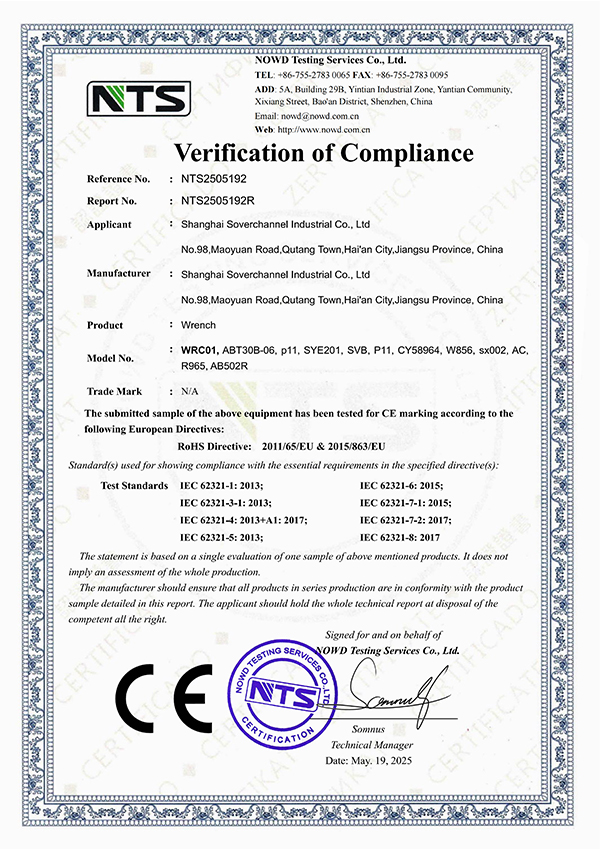
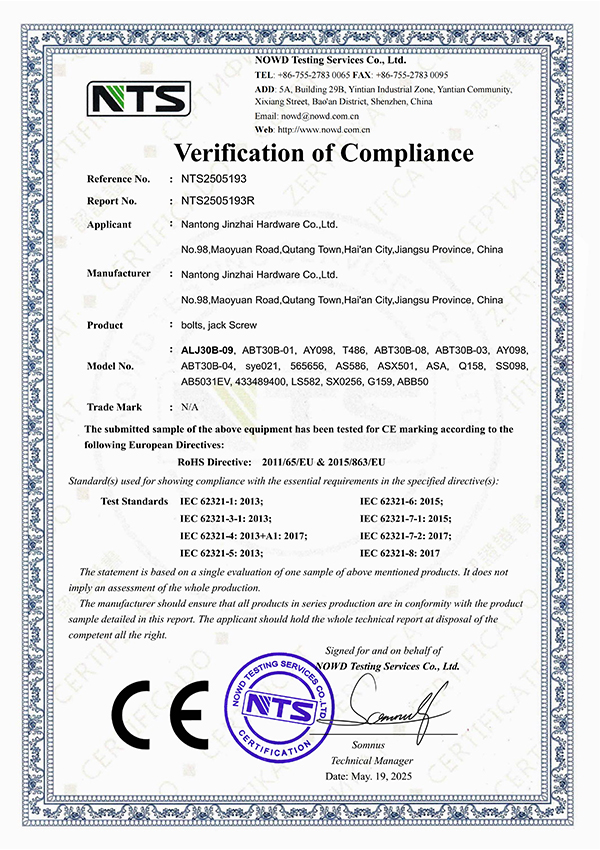
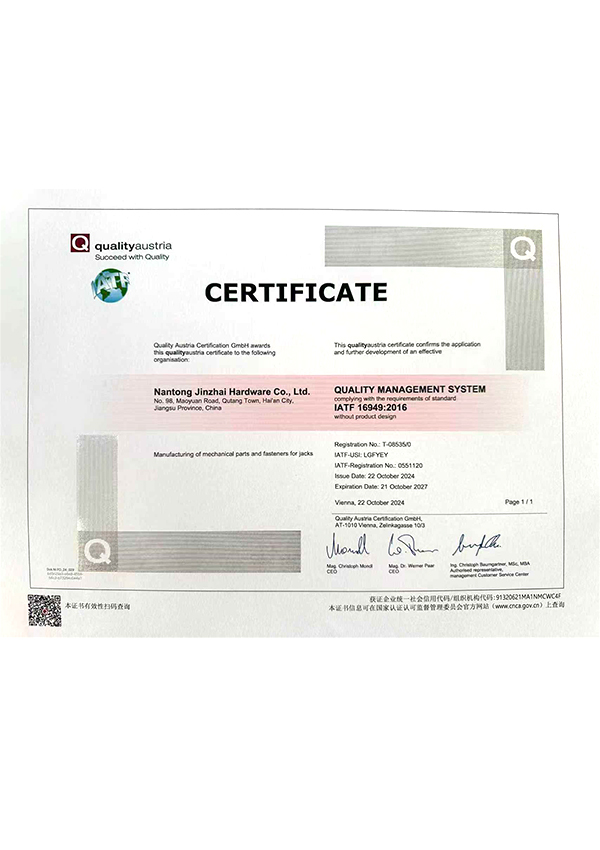
At Shanghai Soverchannel Industrial Co., Ltd. and its manufacturing plant Nantong Jinzhai Hardware Co., Ltd., the quenching and tempering process is integrated into a full-process inspection system built on years of experience in the automotive fastener industry — a sector where bolt performance requirements are arguably more stringent than most structural applications. The same metallurgical discipline applied to automotive-grade fasteners is carried through to every Steel Structure High-Strength Bolt we produce, from M12 to M36 across both 8.8 and 10.9 performance levels.
How Bolt Diameter Selection Affects Joint Efficiency in Steel Structure Connections
Specifying the correct bolt diameter is not simply about matching the hole size in a connection plate — it directly affects the shear capacity of the joint, the net section area of the connected member, and the number of bolts needed to transfer the design load. In practice, projects running from light industrial steel frames to long-span roof trusses call for different diameter choices even within the M12–M36 range.
- M16 and M20 are the workhorses of lighter steel structures — secondary beam connections, purlins, bracings, and column base plates in low-rise industrial buildings. M20 is often the minimum diameter specified by structural codes for primary connections due to its balance between capacity and hole-drilling cost.
- M22 and M24 cover the mid-range: main beam-to-column moment connections in multi-story frames, heavy crane girder end plates, and transfer structures. The jump from M20 to M22 adds approximately 20% in shear capacity per bolt, which can meaningfully reduce bolt count in congested connection zones.
- M27 and M30 are used in high-load scenarios — heavy industrial platforms, bridge approach structures, and large-span space frames. At these diameters, torque requirements for pre-tensioning increase substantially, and tool selection becomes a more significant logistical consideration on site.
- M36 represents the upper end of the standard range and is typically reserved for anchor bolt applications, very heavy column splices, or connections where access constraints limit the number of bolts that can physically fit within the joint geometry.
One often-overlooked factor is the relationship between bolt diameter and member thickness. Increasing bolt diameter to gain shear capacity can create punching shear problems in thinner gusset plates or end plates, requiring either a plate thickness increase or a return to a smaller diameter with higher bolt count. Structural detailers and connection engineers typically optimize this trade-off through iterative calculation rather than defaulting to the largest available diameter.
Pre-tensioning Methods for High-Strength Structural Bolts: Torque Control, Turn-of-Nut, and Direct Tension Indicators
Achieving the correct bolt pre-tension is what distinguishes a high-strength friction-type connection from a simple bearing connection. Pre-tension creates the clamping force between connected steel surfaces that generates friction — and it is this friction, not bolt shear, that transfers load in a slip-critical joint. Under GB/T 1228, three installation methods are recognized, each with distinct quality control implications.
Torque-Control Method
The most widely used approach for large hexagonal bolts. A calibrated torque wrench applies a pre-calculated torque value derived from daily testing of representative bolt assemblies using the actual installation tools. The relationship between torque and pre-tension is influenced by thread friction, nut-face friction, and surface lubrication — which is why the torque value must be validated using the exact fastener lot and tool configuration scheduled for that day's work, not taken from a generic table.
Turn-of-Nut Method
All bolts in a joint are first tightened to a snug-tight condition — the resistance felt by a person using a standard wrench or a few impacts of an impact wrench. From the snug-tight position, the nut is then rotated a specified angle (typically 1/3 to 2/3 of a full turn depending on bolt length and grip length). This method is considered more reliable than torque control in some applications because it is less sensitive to friction variability. However, it requires clear marking of the initial snug-tight position for the angle measurement to be accurate.
Torsional Shear Self-Indicating Method (GB/T 3632)
As noted in the bolt type comparison above, the pintail breakage at a pre-engineered shear groove provides a mechanical guarantee of pre-tension without requiring torque measurement or angular rotation tracking. Post-installation inspection is straightforward: any bolt with an intact pintail has not been properly tightened. After installation, verification testing using non-destructive evaluation or bolt tension calibration checks should be conducted on critical connections, particularly in seismic zones or structures subject to dynamic loading.
OEM and Non-Standard High-Strength Bolt Manufacturing: When Standard Sizes Fall Short
Not every steel structure connection can be resolved with a standard M20 or M24 bolt from a catalog. Retrofit projects, custom-fabricated connection hardware, proprietary structural systems, and specialized industrial equipment frequently demand fasteners that fall outside the dimensional scope of GB/T 1228 or GB/T 3632. This is where OEM and non-standard manufacturing capability becomes a genuine differentiator rather than a marketing claim.
Shanghai Soverchannel Industrial Co., Ltd. is an OEM/ODM Steel Structure High-Strength Bolts manufacturer and factory operating through its production base, Nantong Jinzhai Hardware Co., Ltd. The company's background in automotive fasteners is particularly relevant here: the automotive industry routinely demands complex non-standard fastener geometries — flange heads, reduced-shank sections, custom thread forms, and tight dimensional tolerances — with zero tolerance for mechanical property deviation. That engineering and manufacturing discipline transfers directly to structural fastener customization.
Steel Structure High-Strength Bolts Custom capabilities at Shanghai Soverchannel Industrial Co., Ltd. include:
- Non-standard shank lengths and grip lengths outside the standard range, for thick connection packages or extended reach applications
- Custom thread pitches or partial-thread configurations for specific joint geometry requirements
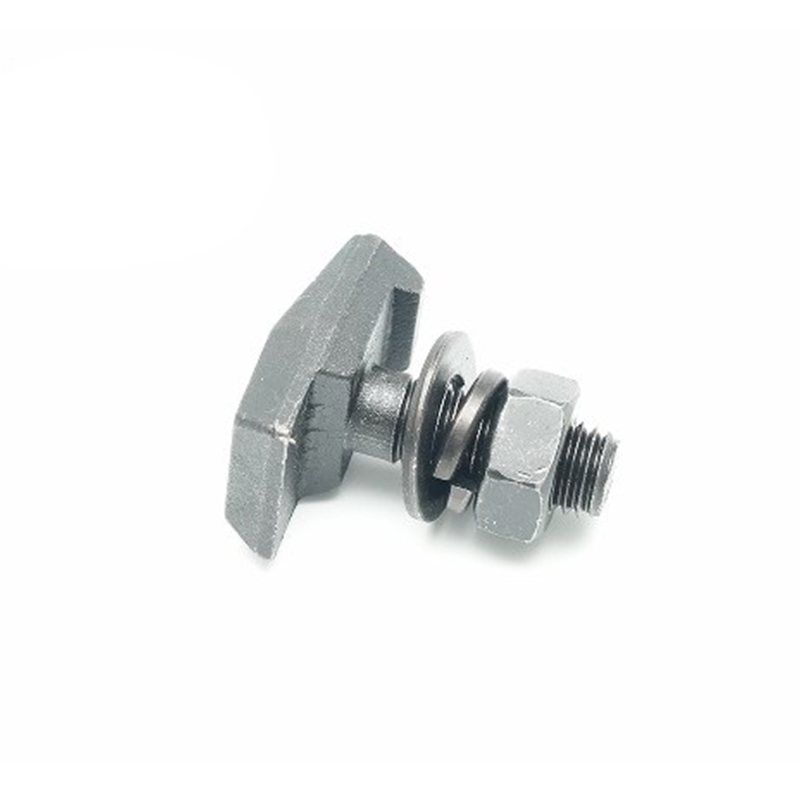
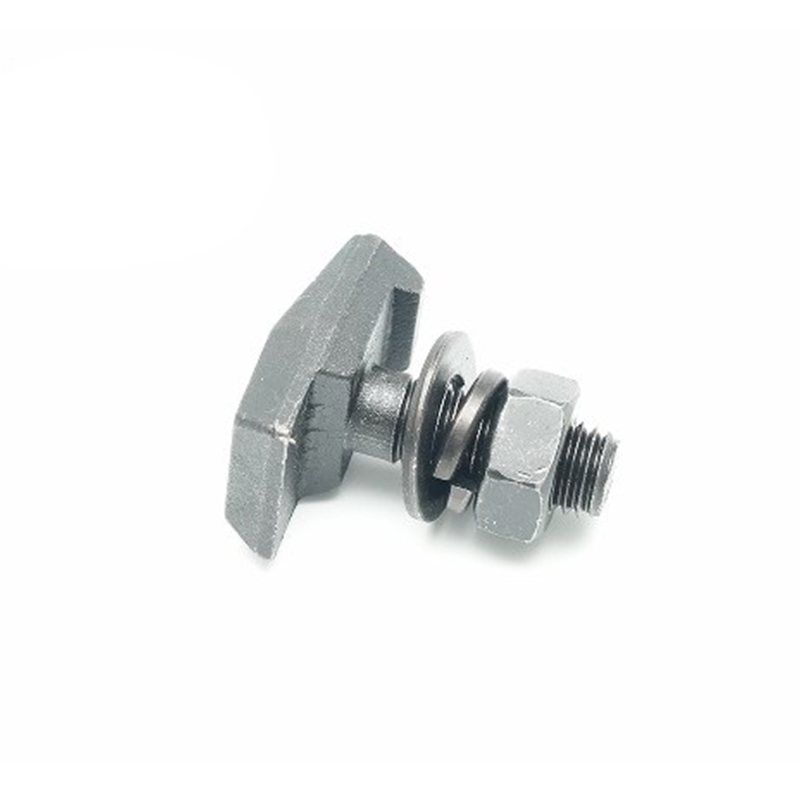
- Special-shaped fastening components — T-bolts, anchor rod assemblies, welding studs, and complex formed parts — manufactured to customer drawings
- Full-process mechanical property certification for non-standard items, including hardness verification, tensile testing, and metallographic inspection reports
The key technical requirement for any non-standard high-strength bolt is that the material specification and heat treatment protocol must be maintained regardless of geometry changes. A non-standard shank length does not alter the need for proper quenching and tempering using alloy steel selected for the required performance level. Reliable OEM manufacturers treat non-standard bolts as engineering components, not hardware variations.


 中文简体
中文简体 Português
 Español
 Deutsch
 русский
 عربى
عربى