
Content
A bearing plate is a steel plate placed between a concentrated load and a softer support. In a column base, the column reaction is spread through the plate to a concrete pedestal; in a beam seat, the plate takes the end reaction and distributes it over a larger masonry or concrete bearing area. The practical result is a lower bearing pressure, a flatter load path, and a connection that does not crush the support.
The basic structural check is straightforward: the bearing stress on the plate area must stay below the allowable bearing stress of the support. If the plate is undersized, concrete can crush and crack; if it is too thin, the plate flexes and the load concentrates at the stiffest point. That is why engineers look at both the size and thickness of a bearing plate as part of the same connection design.
| Application | Load path | Typical fastening |
|---|---|---|
| Column base plates | Column axial load to concrete pedestal | Anchor bolts, heavy hex nuts, washers |
| Beam bearing plates | Beam end reaction to masonry or concrete | Anchor bolts, threaded rods, shims |
| Bridge bearing plates | Girder reaction through bearing to pier | High-strength bolts, anchor bolts, studs |
| Equipment and pedestal plates | Machine load to foundation | Leveling nuts, anchor bolts, lock nuts |
Bearing plates appear in many connections, but the design intent is the same: create a stable bearing surface and transfer load without overstressing the supporting material.
Column base plates are the most familiar type of bearing plate. They transfer axial load, and sometimes bending, from a steel column into a concrete footing or pedestal. The plate is typically welded to the column and held down with anchor bolts, shims, and leveling nuts. Edge distance and bolt pattern need to align with concrete cover and embedment requirements so the anchorage remains effective.
Beam bearing plates are used when a structural beam rests on a masonry wall, concrete wall, or steel bracket. The plate must be long enough and wide enough to keep the masonry or concrete from crushing at the beam end. Some regional details use the term masonry plate for the same component; the difference is mainly in the loading assumption rather than the shape.
Bridge applications use heavier bearing plates because end reactions are high and some rotation occurs at the bearing. Sole plates under a girder, masonry plates above the pier, and intermediate bearing plates work together to spread load and accommodate movement. Bolting is usually pretensioned so that slip does not control the connection. For field-installed plate connections where torque inspection is difficult, ASTM F1852 A325 twist-off high-strength bolts are a practical way to confirm pretension from the splined end.
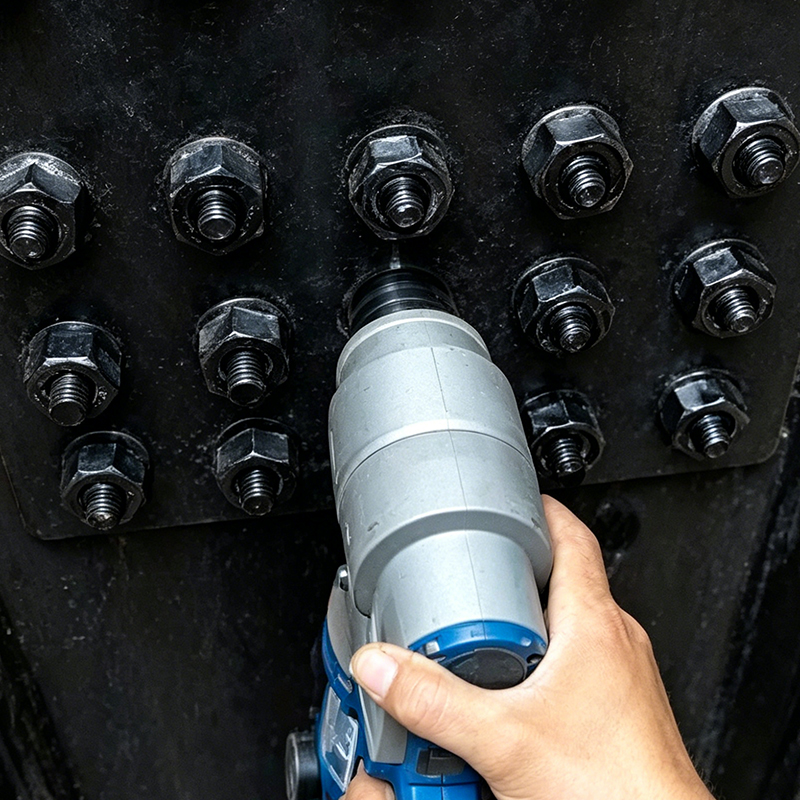 ASTM F1852 A325 Heavy Hex Twist-Off Bolt Plain Carbon Steel Suppliers, Factory -Soverchannel - China ASTM F1852 A325 Heavy Hex Twist-Off Bolt Plain Carbon Steel Suppliers and Wholesale ASTM F1852 A325 Heavy Hex Twist-...View Product →
Most bearing plates are cut from ASTM A36 plate because it is weldable and economical. A572 Grade 50 is selected where higher strength allows a thinner plate, while weathering steel such as A588 suits bridges and exterior structures. Galvanizing is the most common protection for exposed plates; the same coating should be specified for the anchor bolts and nuts so coating thickness and galvanic performance are consistent.
A rational design starts with the required bearing area: divide the factored reaction by the allowable bearing stress on concrete or masonry. Then establish the unsupported distance on the plate, usually the distance from the face of the column or beam flange to the edge of the plate, and check the plate in bending. Practical details matter just as much as the math: the plate should be flat within reasonable tolerances, the grout plane should be continuous, and anchor bolt holes should be punched or drilled for the actual bolt diameter, not oversized beyond the applicable code limit.
A bearing plate is only as useful as its anchorage. Anchor bolts resist uplift, shear, and erection loads; heavy hex nuts and washers spread clamping force over a larger area; high-strength bolts handle shear and slip checks where plates are spliced or connected to adjacent members.
For cast-in-place anchorages, ASTM F1554 galvanized anchor bolts are a consistent starting point. They are available in Grade 36 and Grade 55 and provide the ductility required for bent anchor rods, plus the weldability needed when a plate is welded to the anchor rather than only nutted.
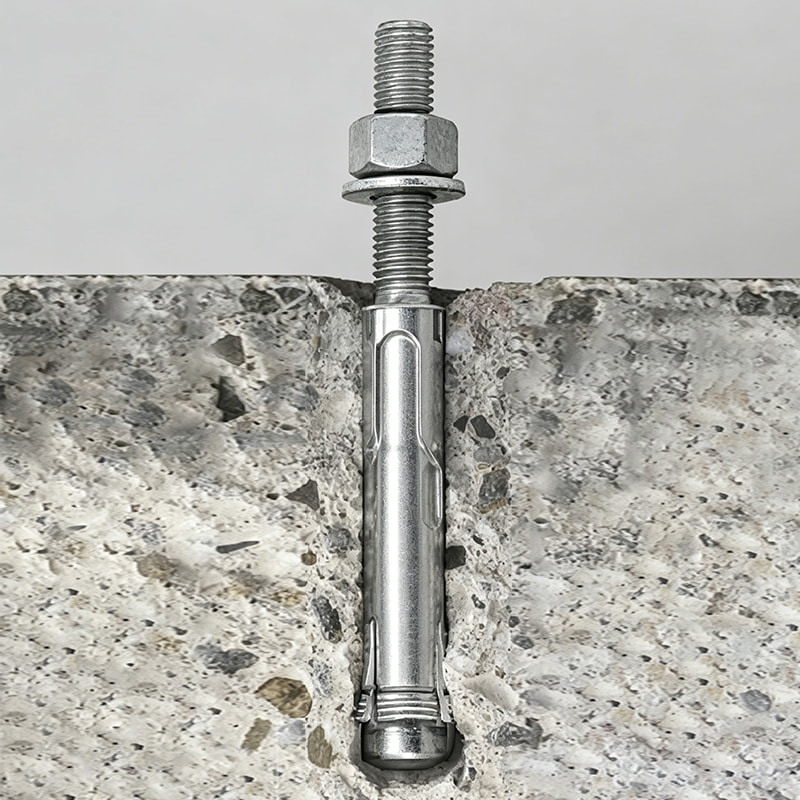 ASTM F1554 Carbon Steel Hot-Dip Galvanized Anchor Bolt Suppliers, Factory - ShanSoverchannel - China ASTM F1554 Carbon Steel Hot-Dip Galvanized Anchor Bolt Suppliers and Wholesale ASTM F1554 Carbon Steel Hot-Dip Galva...View Product →
Once the anchor layout is fixed, do not rely on undersized or mismatched hardware. A galvanized anchor rod needs a heavy hex nut with enough thread engagement, and a high-strength structural bolt needs flat washers under the turned element. Before sending high-strength bolts to site, check the applicable AISC or ASTM requirements. A focused review of high-strength bolt installation and testing requirements helps prevent preload and inspection errors in bearing plate connections.
Procurement for a bearing plate usually splits into two supply streams: the steel fabricator supplies the plate, and the fastener supplier supplies the anchors, nuts, washers, and sometimes the field bolts. This split creates a common problem: plate holes and bolts arrive from different sources with different coating thickness or tolerances. One practical way to reduce that risk is to buy the complete fastener package from a single manufacturer who can match materials, grade marks, plating, and documentation.
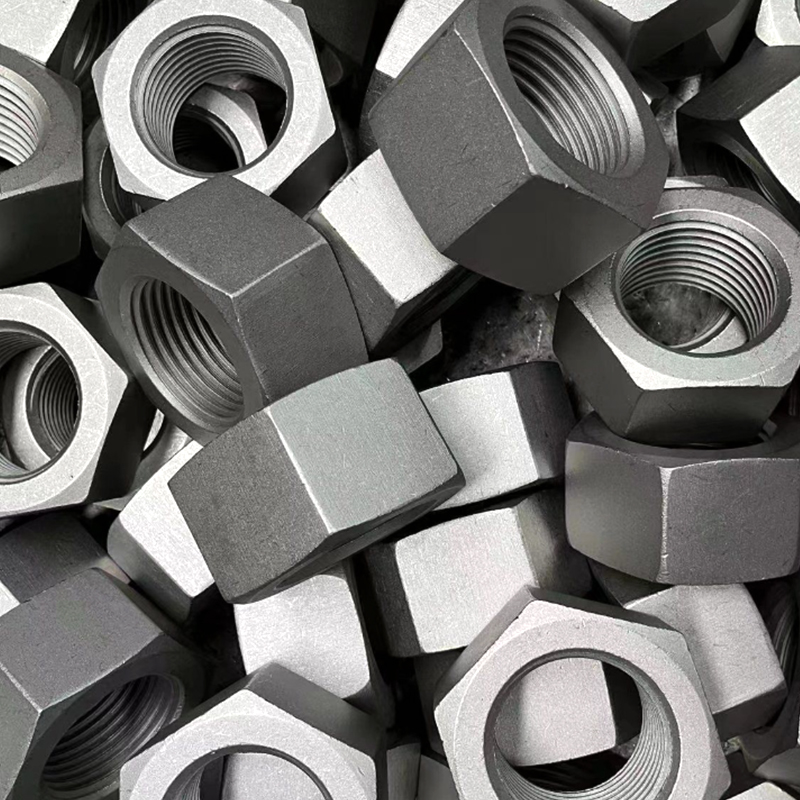 ASTM A194 B7 Black Heavy Hex Nuts Suppliers, Factory - Shanghai Soverchannel IndSoverchannel - China ASTM A194 B7 Black Heavy Hex Nuts Suppliers and Wholesale ASTM A194 B7 Black Heavy Hex Nuts Factory, ASTM A194 B7 Bl...View Product → to obtain broader bearing area and more reliable thread engagement.
For non-standard anchor patterns, oversized plates, unusual materials, or special packaging, direct manufacturer support matters. A fastener maker with flexible production can develop custom anchor rods, matching heavy hex nuts, and approved coatings without changing thread geometry or overstressing the material. For project-specific lead times and documentation, contact the fastener supplier before casting anchor rods. Many structural problems are avoided when the plate detail and the fastener package are reviewed together, and that is also where custom fastener and OEM/ODM manufacturing services become valuable.
 Contact Information
 Address



 中文简体
中文简体 Português
 Español
 Deutsch
 русский
 عربى
عربى