
Content
Automotive fasteners are essential components that secure parts of a vehicle together, ensuring safety, reliability, and structural integrity. They include bolts, nuts, and clips, each designed for specific applications and load requirements. Understanding the differences between these fasteners, their materials, and proper usage is crucial for automotive assembly, maintenance, and repair. Using the right fastener ensures optimal performance and reduces the risk of failure under mechanical stress or vibration.
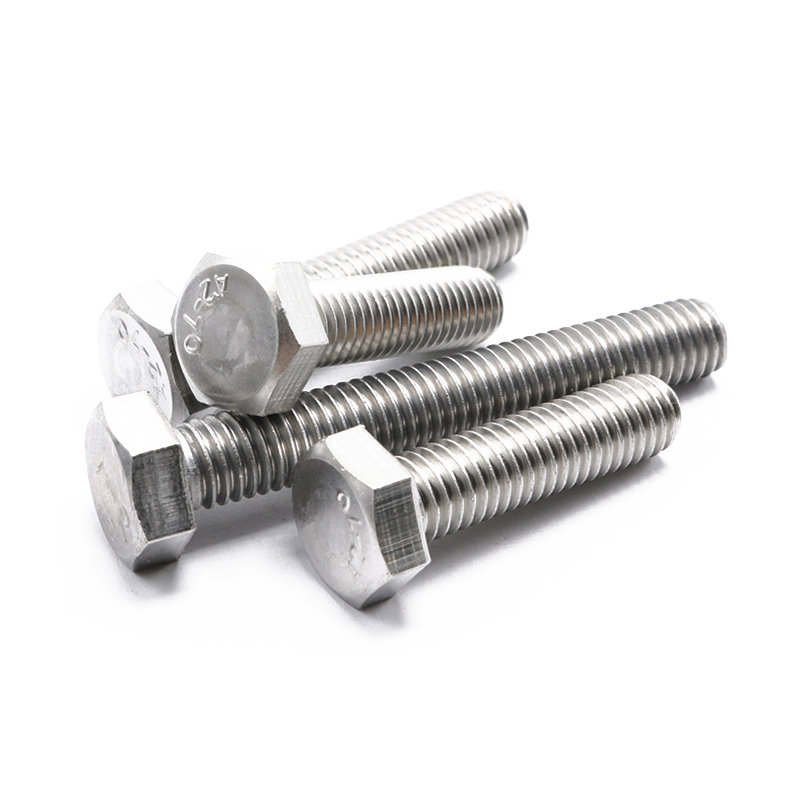
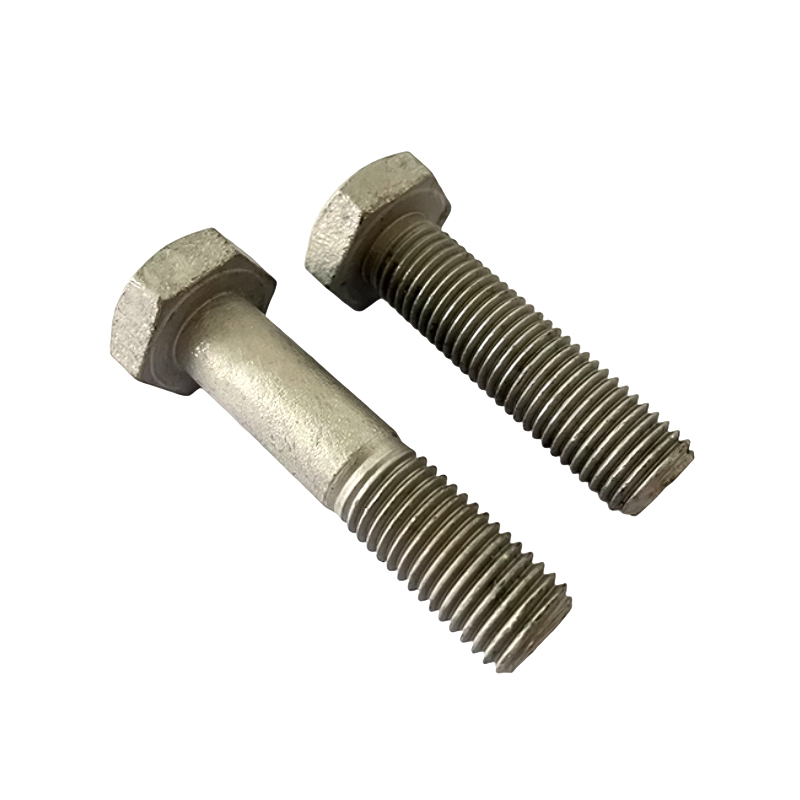
Bolts are threaded fasteners that provide strong, secure connections between components. They are used extensively in engine assemblies, chassis construction, suspension systems, and body panels. Automotive bolts come in various shapes, sizes, and grades to accommodate different load requirements.
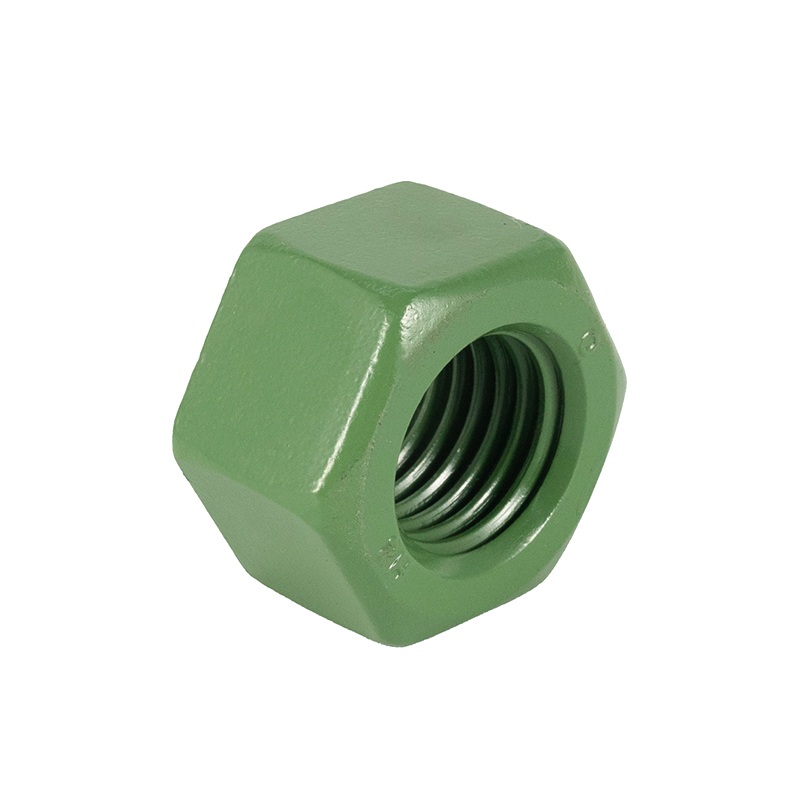
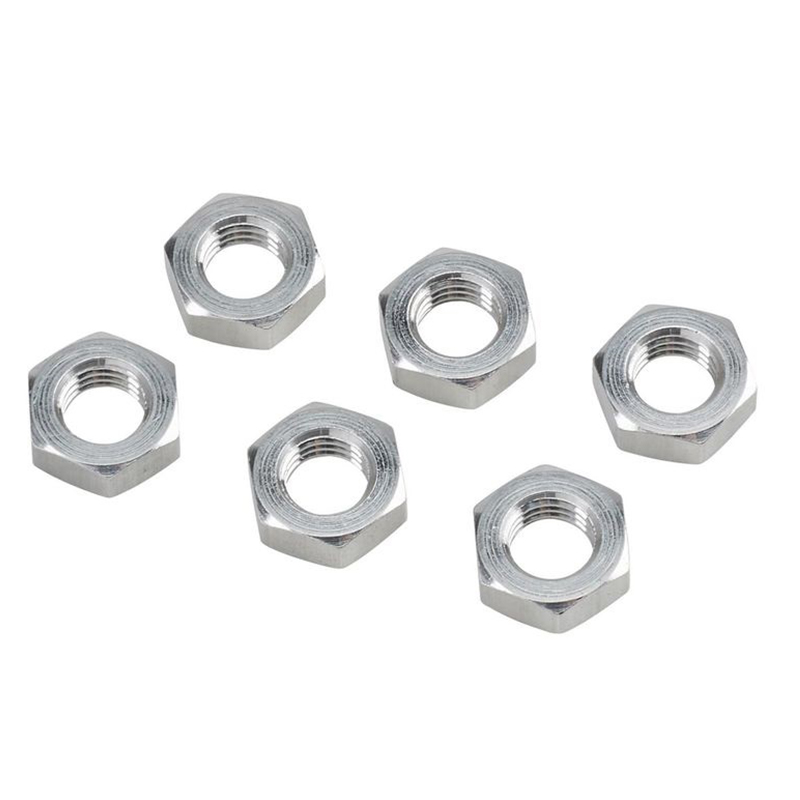
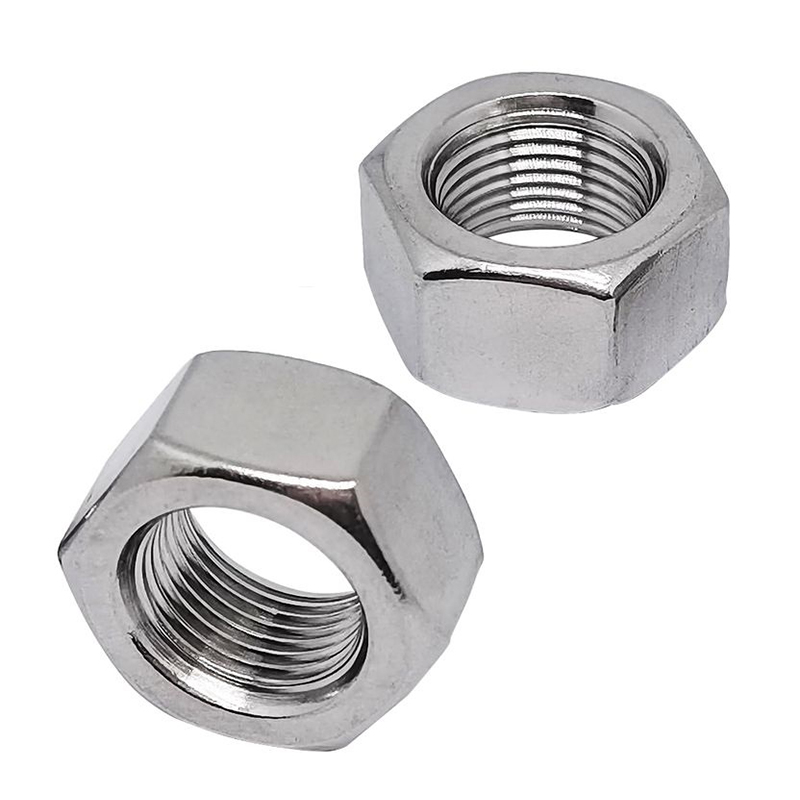
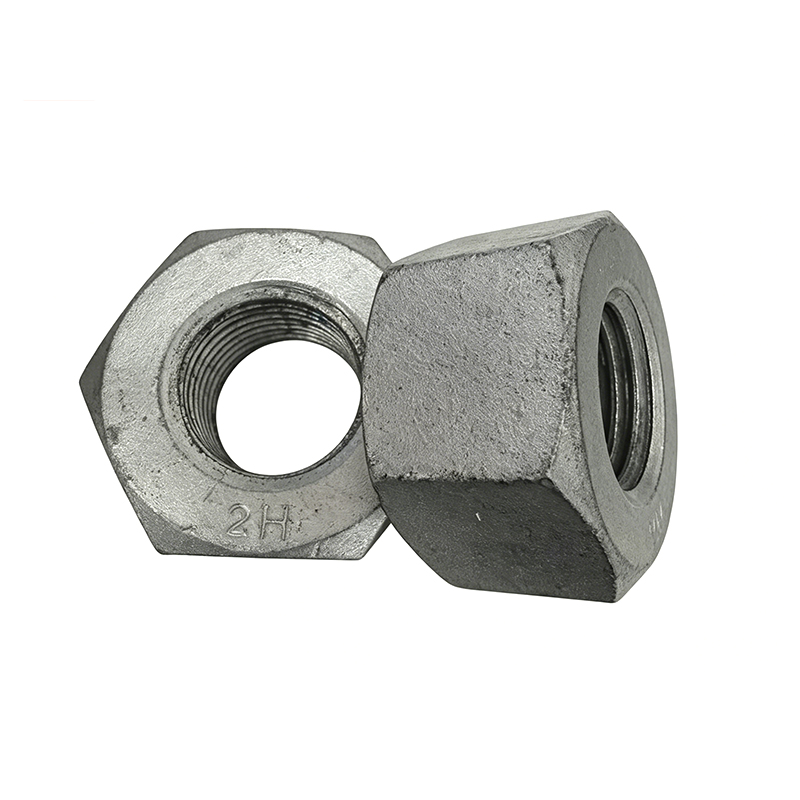
Nuts are fasteners that mate with bolts to form a secure joint. In automotive applications, nuts are often paired with washers to prevent loosening under vibration and load. Choosing the right nut type and grade is critical for maintaining mechanical stability and safety.
Clips are non-threaded fasteners used to attach lightweight components, trim, panels, and wiring harnesses. They provide quick installation and removal without the need for tools in many cases. Clips are particularly useful in interior and exterior automotive assemblies where accessibility and speed are important.
The material selection of bolts, nuts, and clips is critical for performance and longevity. Common materials include:
| Fastener | Primary Use | Advantages | Limitations |
|---|---|---|---|
| Bolts | Securing heavy components | High strength, reliable joint | Requires proper torque, tools |
| Nuts | Paired with bolts for secure fastening | Resists loosening, adjustable | Requires compatible bolt, torque control |
| Clips | Lightweight panels, trim, wiring | Quick installation, tool-free in many cases | Limited load capacity, less secure for heavy parts |
Automotive fasteners, including bolts, nuts, and clips, play a vital role in vehicle assembly and maintenance. Selecting the right type, material, and size ensures structural integrity, reliability, and safety. By understanding the differences and applications of each fastener, automotive professionals can optimize performance, simplify maintenance, and extend the life of the vehicle components.
 Contact Information
 Address



 中文简体
中文简体 Português
 Español
 Deutsch
 русский
 عربى
عربى