
Content
Selecting the right duplex stainless steel fastener requires understanding the fundamental metallurgical differences between 2205 (S32205) and 2507 (S32750, commonly referred to as 2207). Both grades belong to the duplex family, characterized by a balanced microstructure of austenite and ferrite phases, yet their alloy compositions create distinct performance profiles for specific industrial applications.
The 2205 duplex stainless steel contains 22% chromium and 3% molybdenum, delivering medium to high corrosion resistance with excellent mechanical properties. This grade offers high strength, complete rust resistance, and superior chloride ion resistance compared to austenitic grades like 316L. Its balanced chemistry provides good toughness and machinability, making it suitable for manufacturing various bolt configurations through standard cold heading processes. Additionally, 2205 demonstrates better resistance to stress corrosion cracking and crevice corrosion than conventional 316L stainless steel, addressing critical failure modes in aggressive environments.
In contrast, 2507 super duplex stainless steel elevates performance through increased alloy content, featuring 25% chromium and 4% molybdenum. This enhanced composition delivers salt spray resistance, seawater resistance, and acid and alkali resistance far superior to 2205. The material achieves higher strength and hardness levels, though this comes with increased processing difficulty. Cold heading operations prove challenging with 2507 due to its elevated work-hardening rate, restricting its use primarily to high-end, high-strength bolts manufactured through specialized forming techniques or machining operations.
Understanding where each grade excels ensures optimal fastener performance and lifecycle economics. The 2205 duplex stainless steel dominates applications in offshore installations, coastal infrastructure, photovoltaic mounting systems, wind power turbines, and general steel structures. Chemical processing facilities, sewage treatment plants, and desulfurization equipment utilize 2205 fasteners for their reliable performance in moderately corrosive media. Freshwater and low-salt environments benefit from this grade's balanced properties, particularly where requirements exceed 304 or 316L capabilities but do not justify premium super duplex costs. For scenarios demanding better durability than standard austenitic grades while maintaining the highest cost-performance ratio, 2205 stands as the first choice for duplex stainless steel applications.
The 2507 super duplex stainless steel addresses more demanding conditions requiring full seawater immersion resistance, deep-sea applications, marine vessels, and seawater desalination equipment. Oil and gas fields with high chloride ion concentrations, strong acid and alkali chemical processing, and severe corrosion environments specify 2507 for critical connections. Long-term outdoor heavy corrosion protection applications requiring ultra-durability, non-corrosion performance, and extended service life utilize this grade despite its higher material and processing costs. When failure is not an option and maintenance access is limited or impossible, 2507 provides the necessary reliability margin.
The duplex stainless steel family extends beyond 2205 and 2507 to include cost-optimized alternatives for less demanding applications. Grade 2101 (LDX2101) offers low-cost duplex benefits, serving as a direct replacement for 304 and 316 in general corrosion scenarios while providing superior strength. Grade 2304 (S32304) operates without molybdenum addition yet achieves high strength suitable for general corrosion protection applications where premium pitting resistance remains unnecessary.
Grade 2205 (S32205) represents the industry's most commonly used and best-selling duplex stainless steel for general-purpose anti-corrosion bolts, striking the optimal balance between performance and cost. The super duplex category includes 2507 (S32750) for seawater and heavy corrosion applications requiring top-end bolts, alongside Zeron 100 (S32760) specifically engineered for oil and gas environments with high sulfur content demanding ultra-corrosion resistance. Special super duplex grades S32550 and S32950 address extreme working conditions, though these remain rarely specified in ordinary fastener applications due to availability and economic constraints.
Material selection decisions require balancing corrosion resistance requirements against budget constraints. The following reference data guides specification choices across the duplex stainless steel spectrum:
| Grade | Type | Corrosion Level | Price per Ton (USD) | Primary Applications |
| 2101 | Economic Duplex | Better than 304, ≈316L | 3,100–3,400 | 316L replacement, general outdoor, construction, low-cost projects |
| 2304 | Low Alloy Duplex | ≈316L, higher strength | 3,300–3,600 | General corrosion protection, equipment, indoor and outdoor structures |
| 2205 | Standard Duplex | Medium to high | 3,900–4,200 | Offshore, photovoltaic, wind power, sewage, chemical, coastal steel |
| S32550 | Medium-High Duplex | Higher than 2205 | 4,400–4,700 | Moderately severe corrosion, partial seawater contact |
| 2507 | Super Duplex | Superior | 5,400–6,000 | Full seawater immersion, oil and gas, strong acids, heavy-duty bolts |
| S32760 | Super Duplex | Premium | 5,700–6,300 | Extreme conditions, marine engineering, sulfur-containing media |
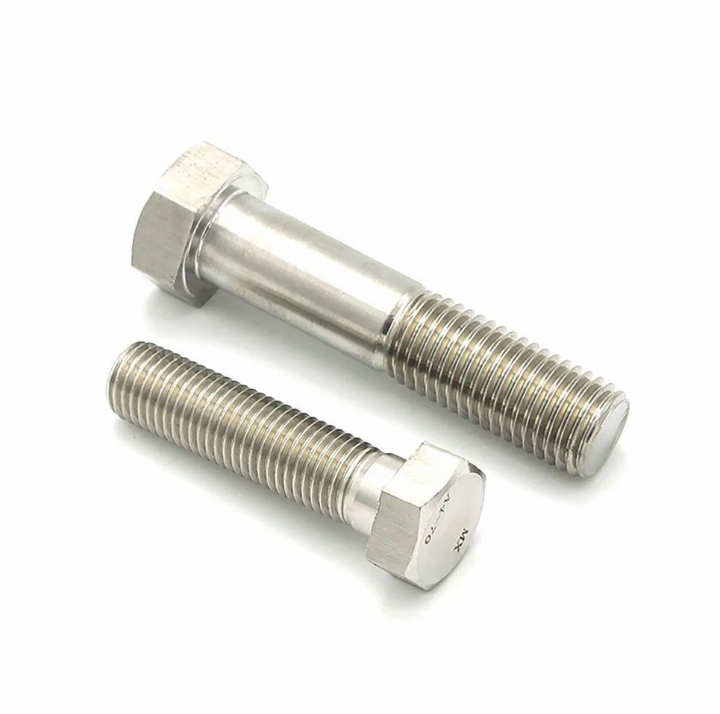
Manufacturing methodology significantly impacts grade selection and final fastener economics. The 2205 duplex stainless steel accommodates standard cold heading operations, enabling high-volume production of complex bolt geometries with minimal material waste and competitive piece costs. Its moderate work-hardening rate allows multi-stage forming without intermediate annealing, supporting efficient manufacturing of threaded fasteners, studs, and specialized connectors.
Conversely, 2507 super duplex stainless steel presents cold heading difficulties due to its elevated strength and rapid work hardening. Manufacturers typically resort to machining operations or specialized warm forming techniques, increasing production costs by 30-50% compared to equivalent 2205 fasteners. This processing limitation restricts 2507 to applications where its superior corrosion resistance justifies the premium, typically in critical bolting for subsea equipment, pressure vessels handling aggressive chemicals, and structural connections in extreme marine atmospheres.
Effective material specification follows a systematic evaluation process:
For the majority of industrial applications including offshore platforms, renewable energy installations, and chemical processing facilities, 2205 duplex stainless steel provides the optimal combination of corrosion resistance, mechanical strength, and economic value. Reserve 2507 super duplex stainless steel for the most aggressive environments where its enhanced pitting and crevice corrosion resistance, superior strength, and extended service life justify the material and processing premiums. This strategic approach ensures reliable fastener performance while optimizing project economics across the full spectrum of duplex stainless steel applications.
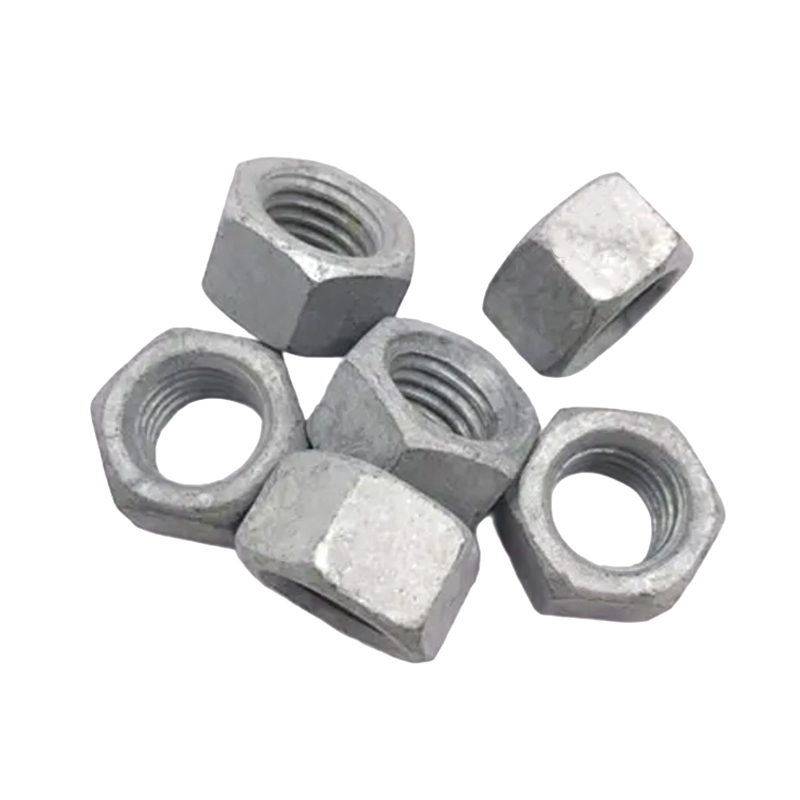 Stainless Steel 304 Plain Heavy Hex Jam Nuts
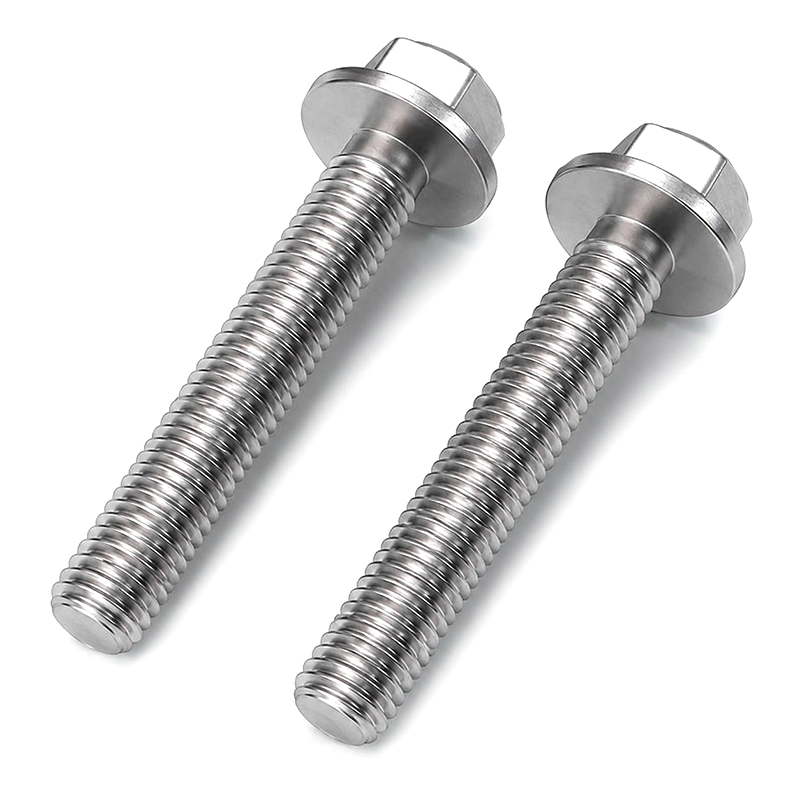 Stainless Steel 304 DIN 6921 Hex Flange Bolt
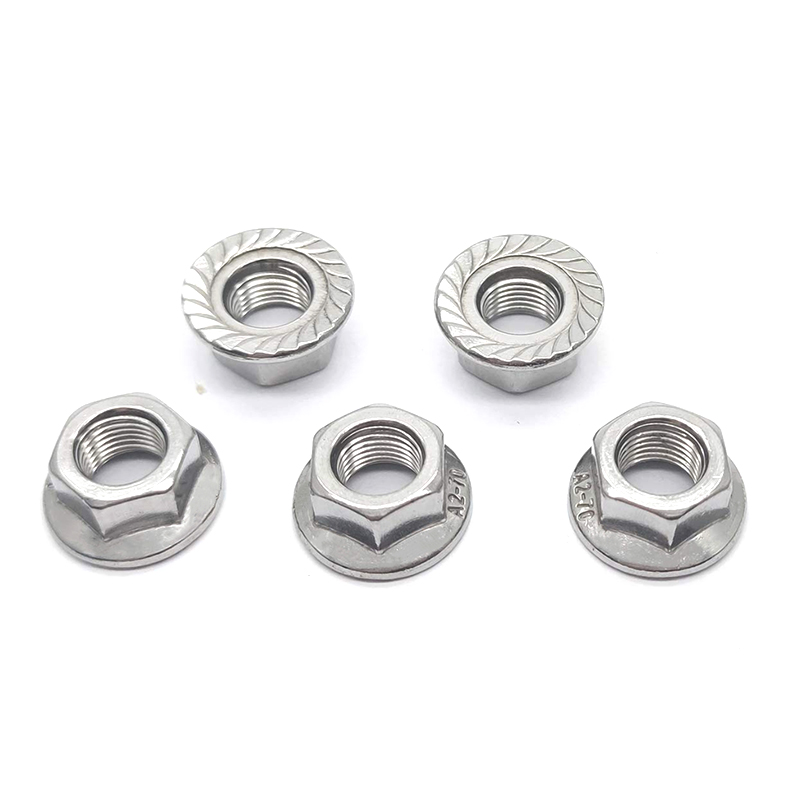 Stainless Steel 304 Plain Hex Flange Nut Non-Slip Nuts
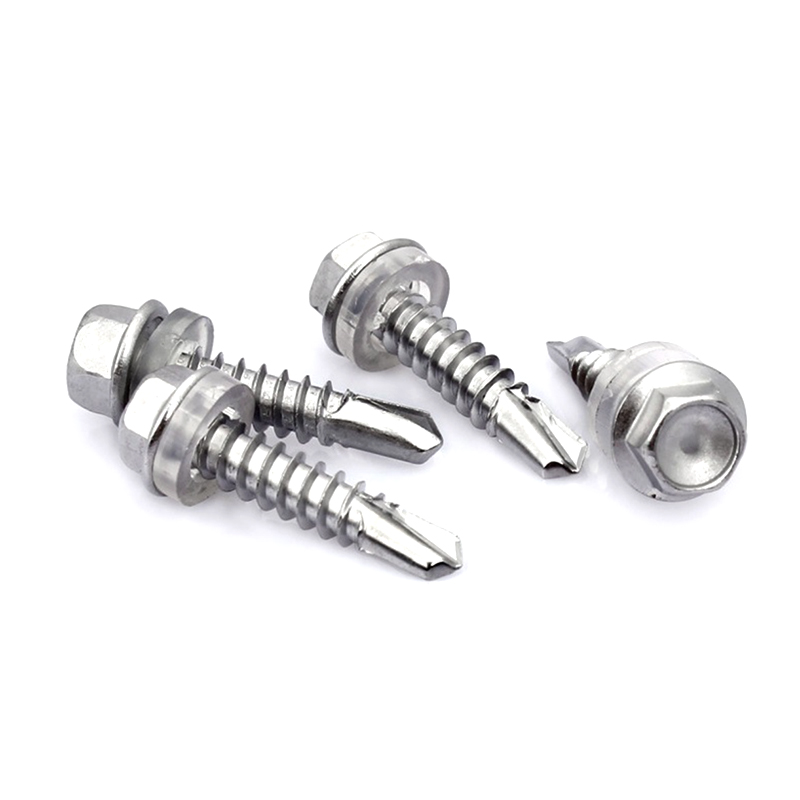 ST2.9*9.5 Stainless Steel Hex Socket Self Drilling Screws
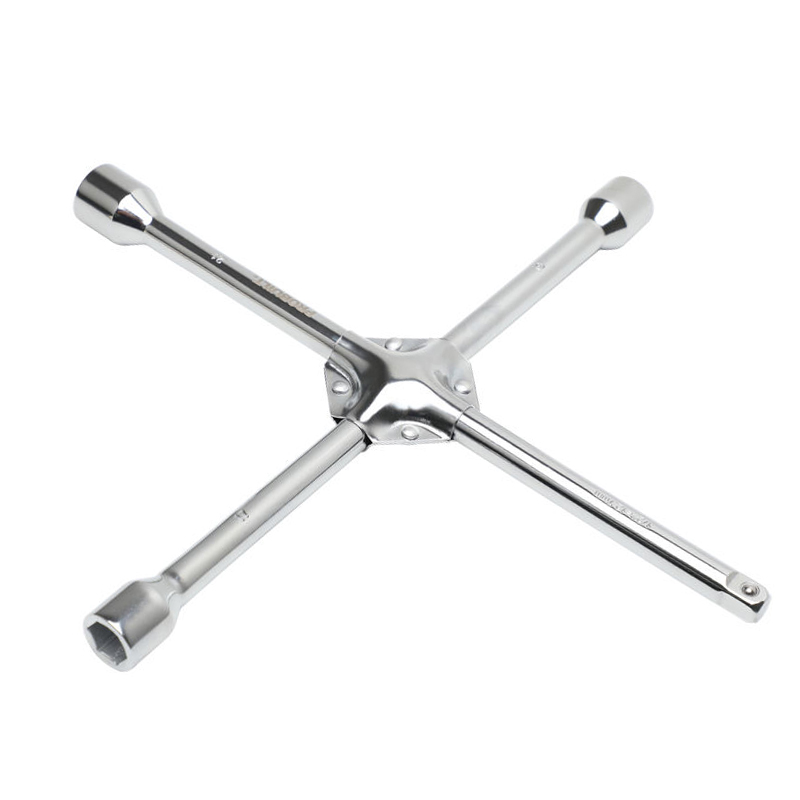 45# Steel Universal 4 Way Cross Wrench For Tires
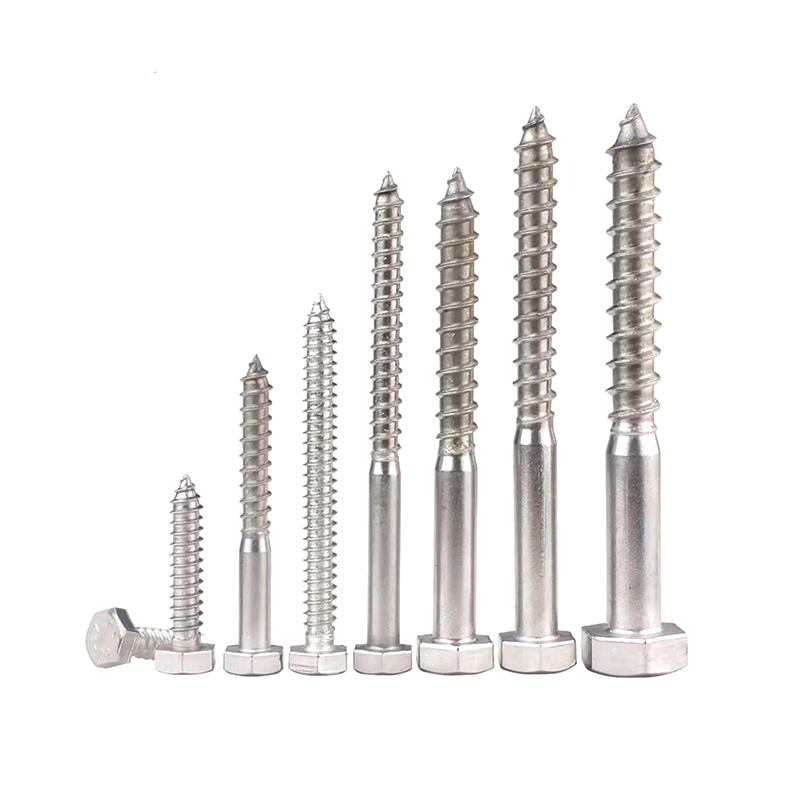 ST5*35 Stainless Steel 304 Hexagonal Wood Screws
 Contact Information
 Address



 中文简体
中文简体 Português
 Español
 Deutsch
 русский
 عربى
عربى