
Content
Solid steel shafts are essential components in a wide range of machinery, from industrial equipment to automotive systems. Proper maintenance is crucial to prevent wear and fatigue, which can lead to premature failure, operational downtime, and costly repairs. Understanding the key maintenance practices can extend the service life of solid steel shafts and ensure reliable performance under demanding conditions.
Routine inspection is the first step in preventing wear and fatigue in solid steel shafts. Operators should check for signs of surface wear, corrosion, misalignment, and abnormal vibration. Early detection of potential problems allows timely corrective actions, reducing the risk of catastrophic failures.
Lubrication plays a critical role in reducing friction, wear, and heat generation in solid steel shafts. Selecting the correct lubricant and maintaining an appropriate lubrication schedule are essential for prolonging shaft life and preventing fatigue damage.
Misalignment during installation or operation can cause uneven stress distribution, accelerating wear and fatigue in solid steel shafts. Ensuring proper alignment and verifying correct installation parameters is key to maintaining shaft performance.
Solid steel shafts are vulnerable to corrosion, which can compromise their structural integrity and lead to fatigue. Applying protective coatings and controlling environmental exposure are essential steps in preventing wear and extending service life.
Overloading or sudden torque spikes can lead to excessive stress and fatigue in solid steel shafts. Proper operational management, including monitoring loads and avoiding abrupt movements, is essential to maintain shaft integrity.
Implementing proper maintenance practices for solid steel shafts—including regular inspection, lubrication, alignment checks, surface protection, and load management—can prevent wear and fatigue. By following these guidelines, operators can extend shaft life, maintain machinery efficiency, and reduce downtime in industrial operations.
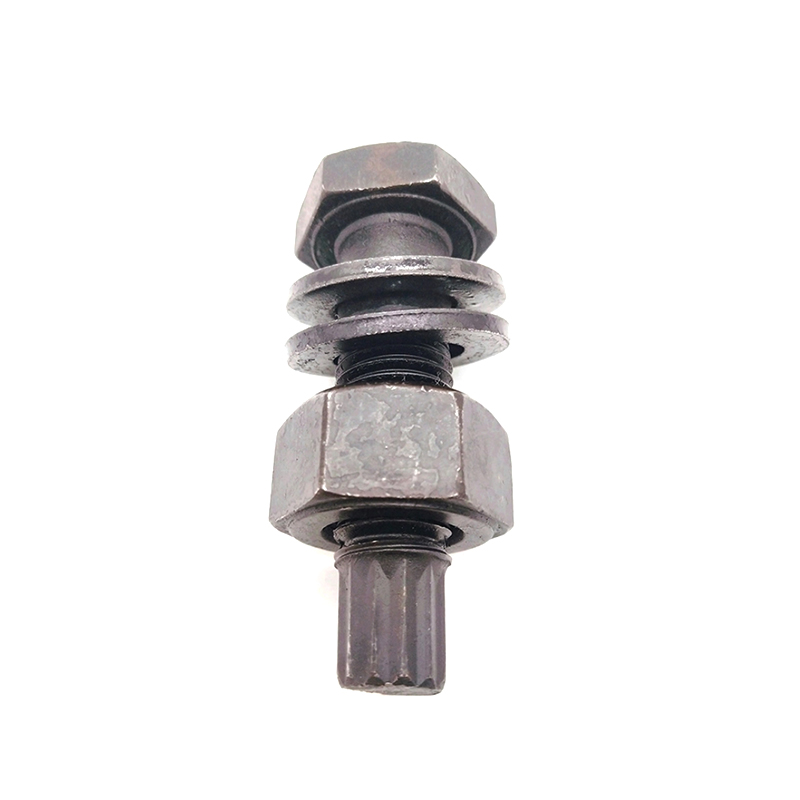 M24*200 Alloy Steel High-Strength Bolts for Steel Structure
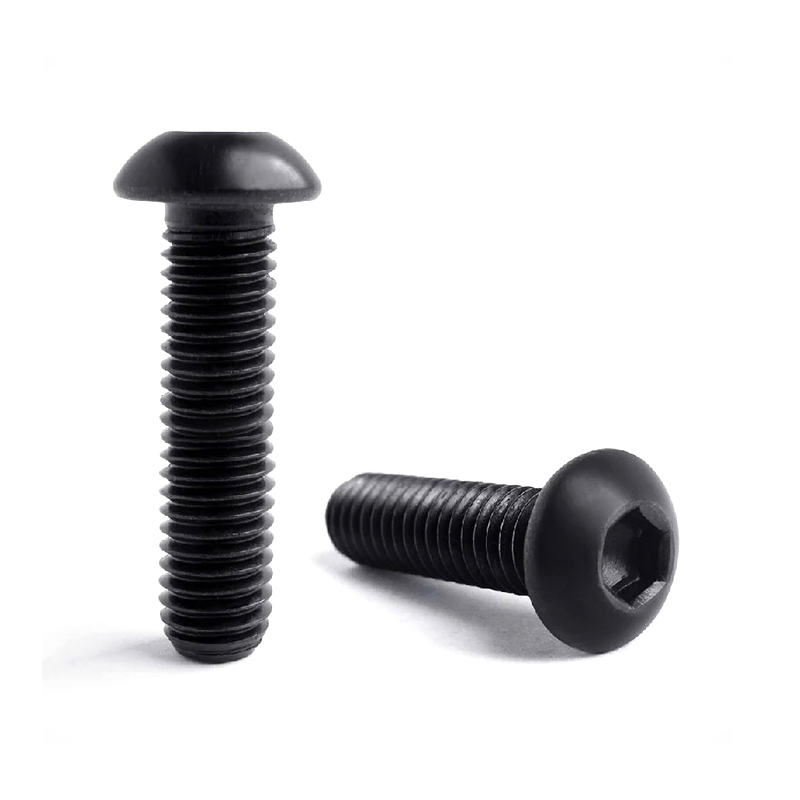 Zinc Plated Carbon Steel Hexalobular Button Head Bolt
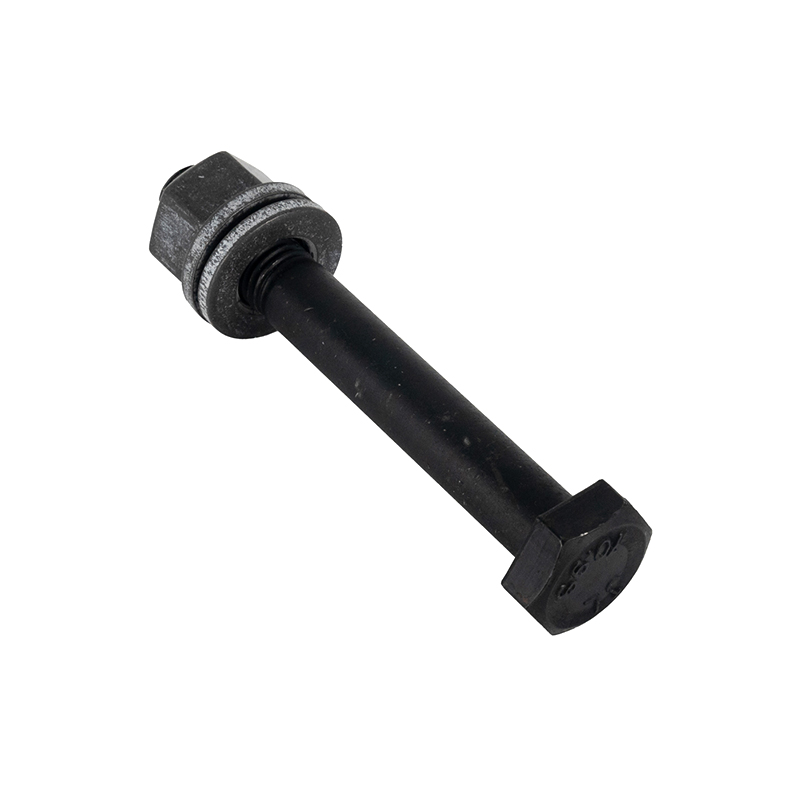 Steel Structure M20*120 Zinc Plated High-Strength Bolts
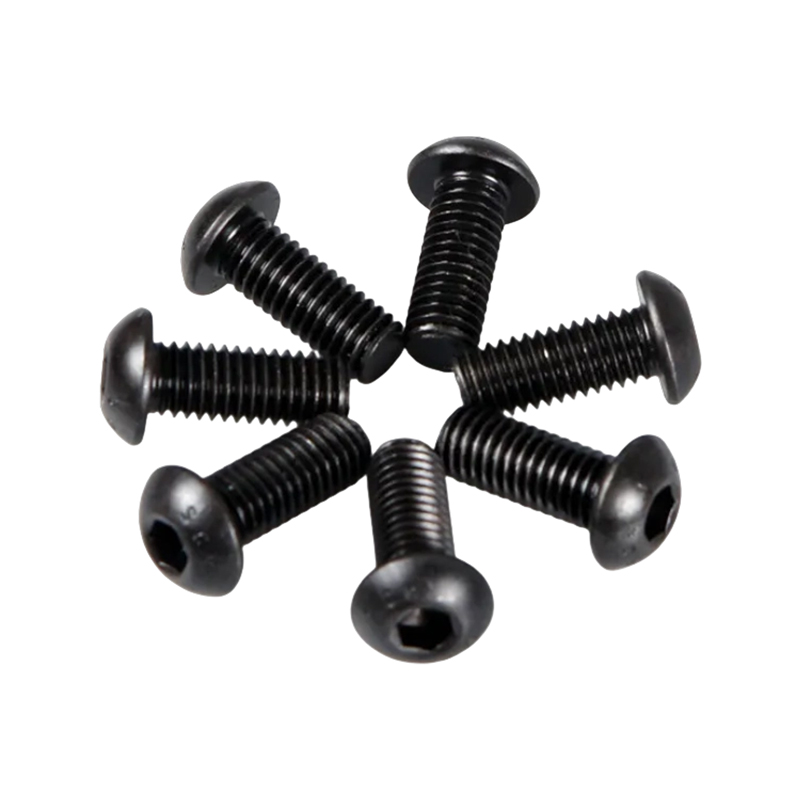 M6*100 Alloy Steel Black Phosphate Coated Button Screws
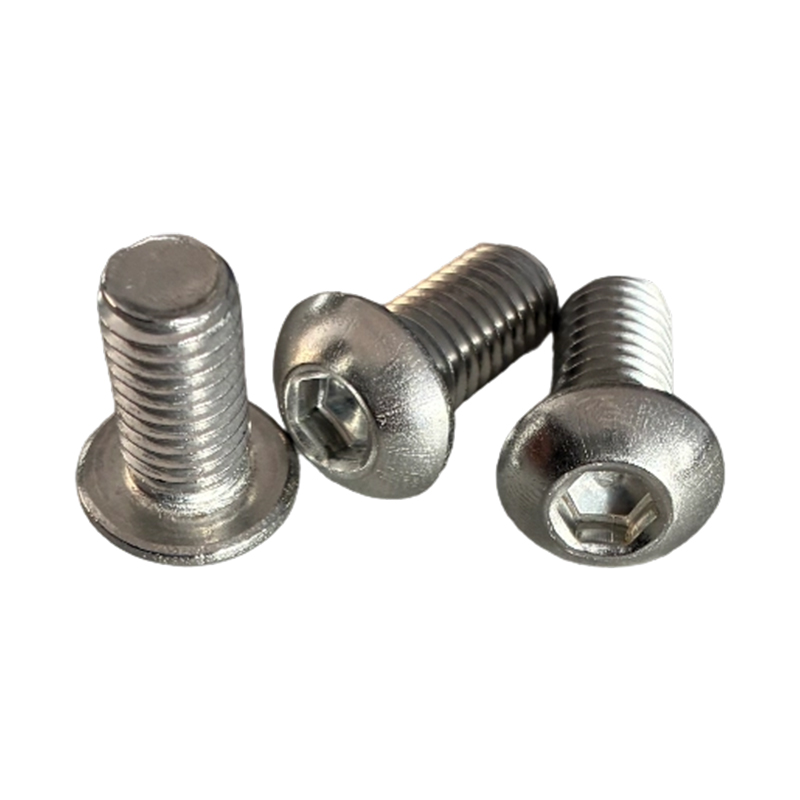 M3*40 Grade 8.8 Carbon Steel Black Button Screws
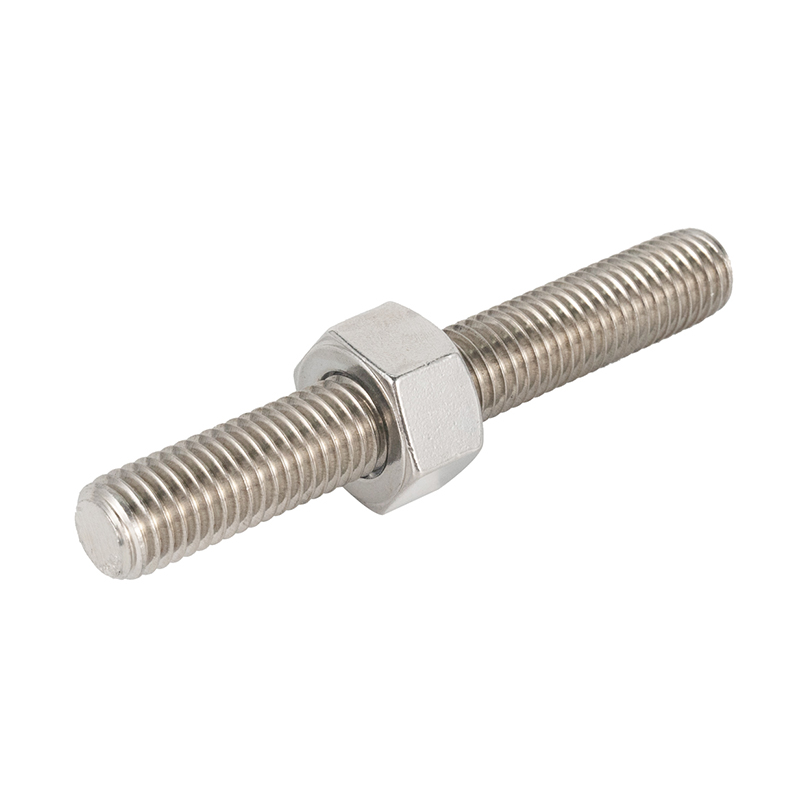 M10×300 Carbon Steel Grade 8.8 Galvanized Fully Threaded Rods
 Contact Information
 Address



 中文简体
中文简体 Português
 Español
 Deutsch
 русский
 عربى
عربى