
Content
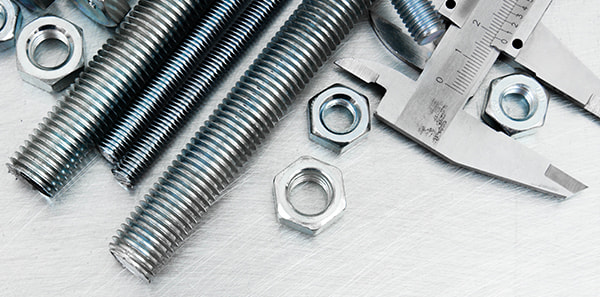
Metric screws and nuts, such as M8, M10, M12, and M14, are widely used fasteners in mechanical, automotive, construction, and industrial applications. The designation "M" refers to the metric thread, while the number indicates the nominal diameter in millimeters. Understanding their specifications, material properties, and applications is essential for selecting the correct fastener for each task, ensuring safety, stability, and long-term performance.
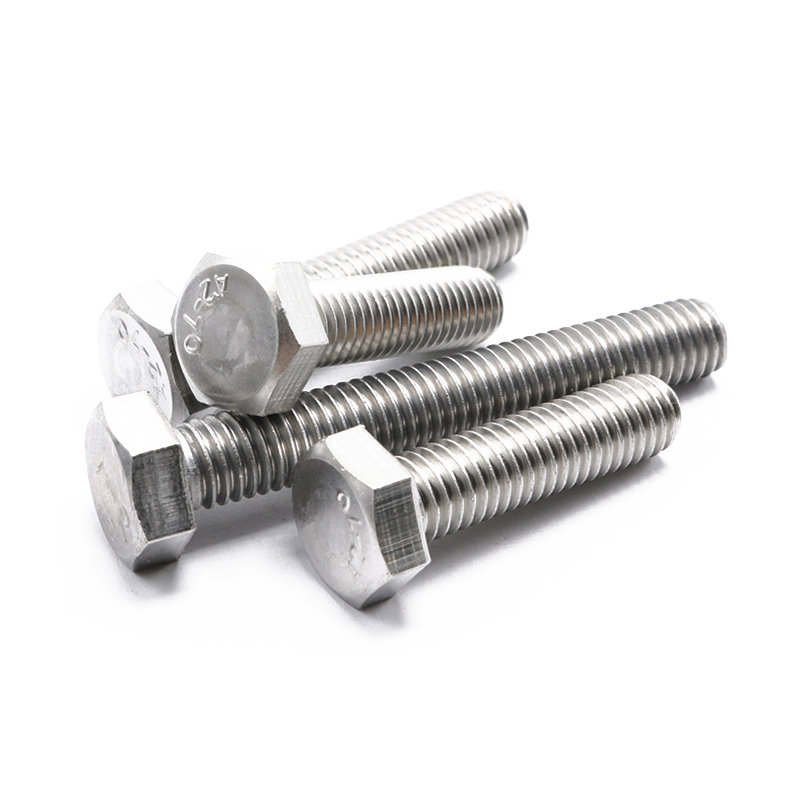
Each screw and nut size has specific dimensions and thread pitches standardized under ISO metric standards. The dimensions affect compatibility, load-bearing capacity, and torque requirements. The following table summarizes the nominal diameters, standard thread pitches, and approximate dimensions for M8, M10, M12, and M14 fasteners.
| Fastener | Nominal Diameter (mm) | Standard Pitch (mm) | Approx. Nut Width (mm) | Typical Length Range (mm) |
| M8 | 8 | 1.25 | 13 | 16–80 |
| M10 | 10 | 1.5 | 17 | 20–100 |
| M12 | 12 | 1.75 | 19 | 25–120 |
| M14 | 14 | 2.0 | 22 | 30–150 |
Screws and nuts are manufactured in a variety of materials including carbon steel, stainless steel, brass, and alloy steel. The material selection directly impacts strength, corrosion resistance, and application suitability. Carbon steel fasteners are commonly used for general mechanical purposes, while stainless steel is preferred for corrosion-prone or outdoor environments. Brass offers moderate strength and excellent corrosion resistance for specialized applications.
Strength grades, such as 8.8, 10.9, and 12.9, indicate the tensile strength of the fastener. For example, an M12 screw with grade 10.9 can withstand higher loads compared to a similar grade 8.8 screw, making it suitable for structural or high-stress applications.
Different sizes of screws and nuts are selected based on the mechanical requirements and load-bearing needs of the application. The following general guidelines can help in selecting the appropriate size:
Proper installation of M8 to M14 screws and nuts ensures reliable performance and prevents failures due to over-torquing, under-torquing, or misalignment. Torque specifications vary by material, diameter, and grade. Lubrication may be applied in high-load or high-vibration applications to prevent galling and improve torque consistency.
Thread compatibility between screws and nuts must also be verified. Standard ISO metric threads are widely used, but fine or coarse threads are available for specific precision or load requirements. Ensuring proper matching prevents loosening and maintains structural integrity.
Understanding the specifications and applications of M8, M10, M12, and M14 screws and nuts is essential for selecting the right fastener for any mechanical, structural, or industrial project. Correct size, material, strength grade, and installation practices ensure safety, durability, and optimal performance in various applications ranging from light assemblies to heavy-duty machinery.
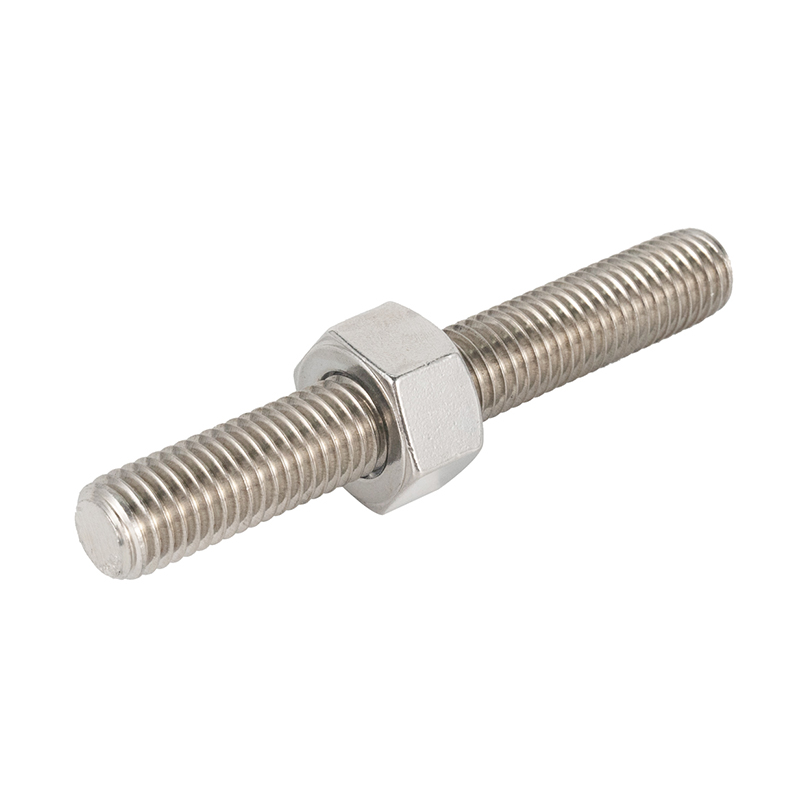 M10×300 Carbon Steel Grade 8.8 Galvanized Fully Threaded Rods
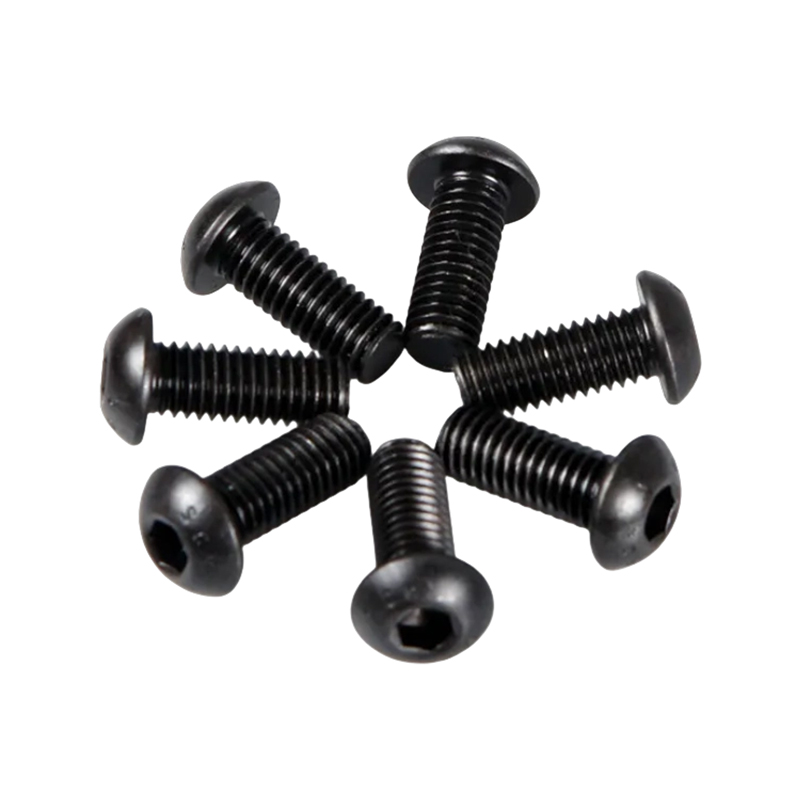 M6*100 Alloy Steel Black Phosphate Coated Button Screws
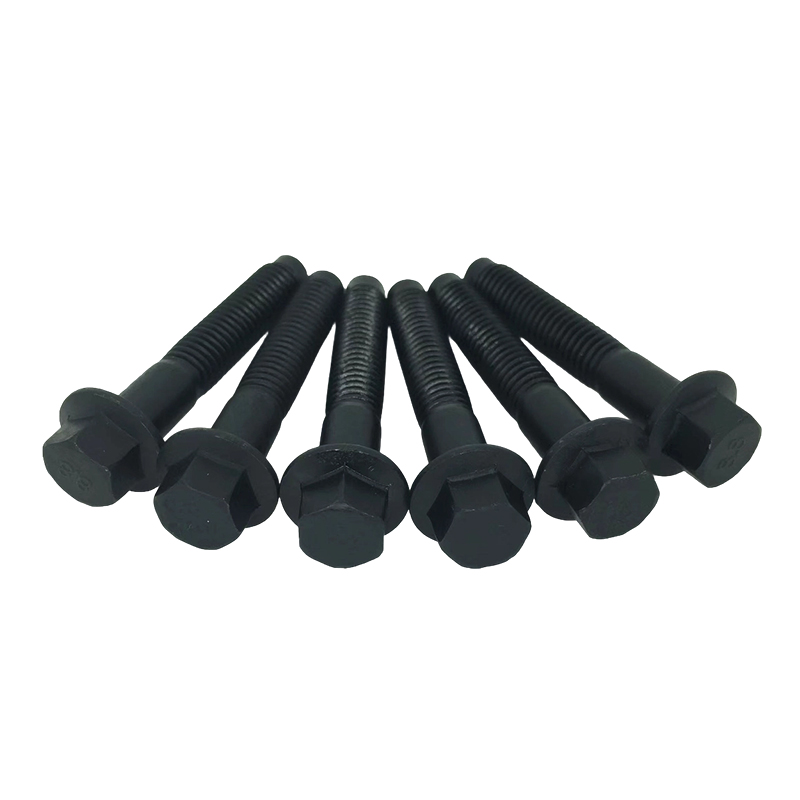 M5*10 Grade 8.8 Carbon Steel Flanged Hex Head Bolts
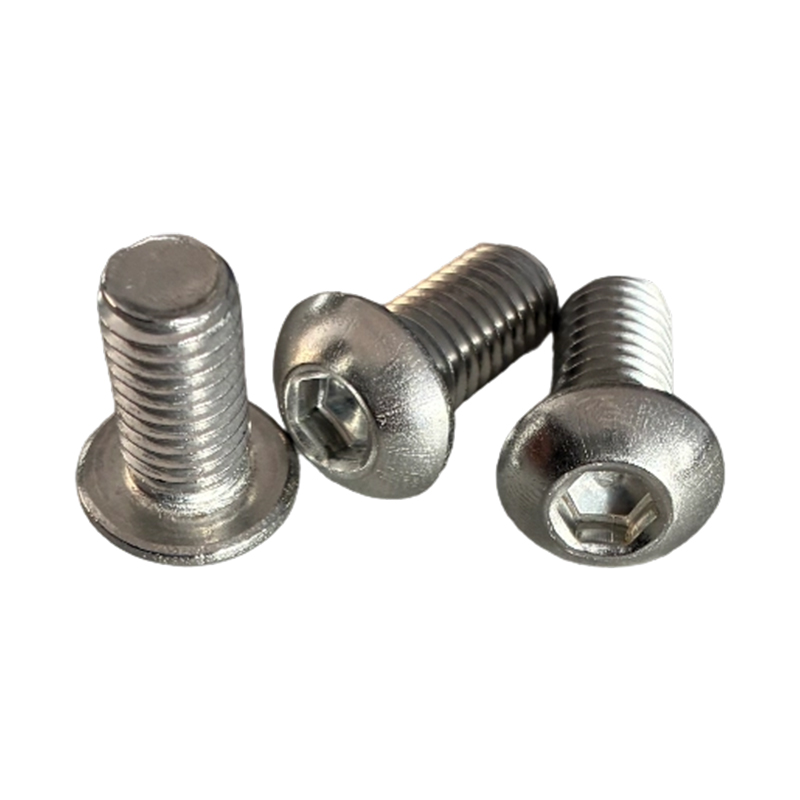 M3*40 Grade 8.8 Carbon Steel Black Button Screws
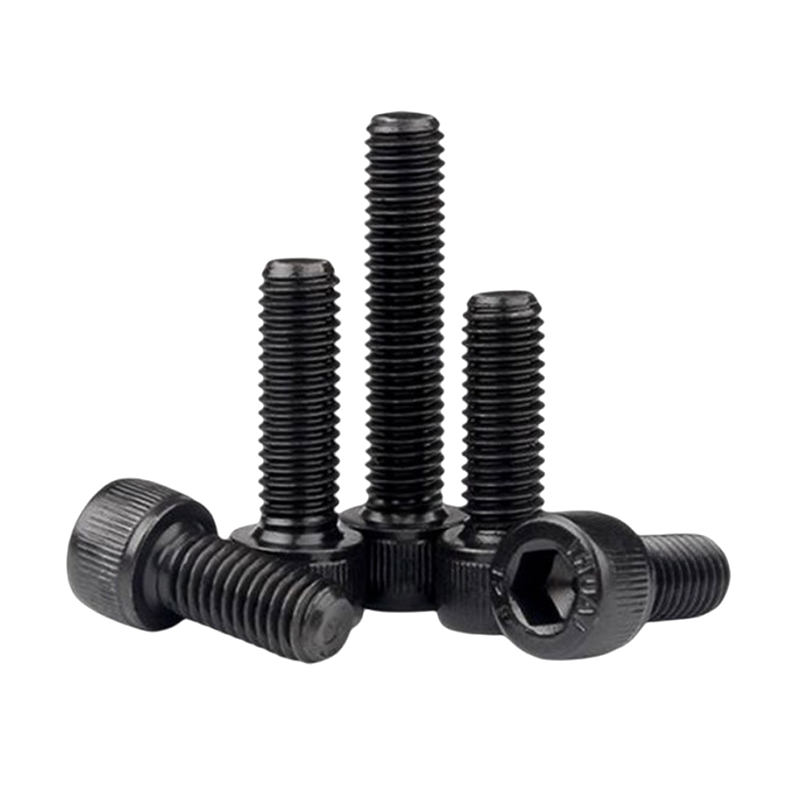 M12*100 Black Phosphated Alloy Steel Hex Socket Screw
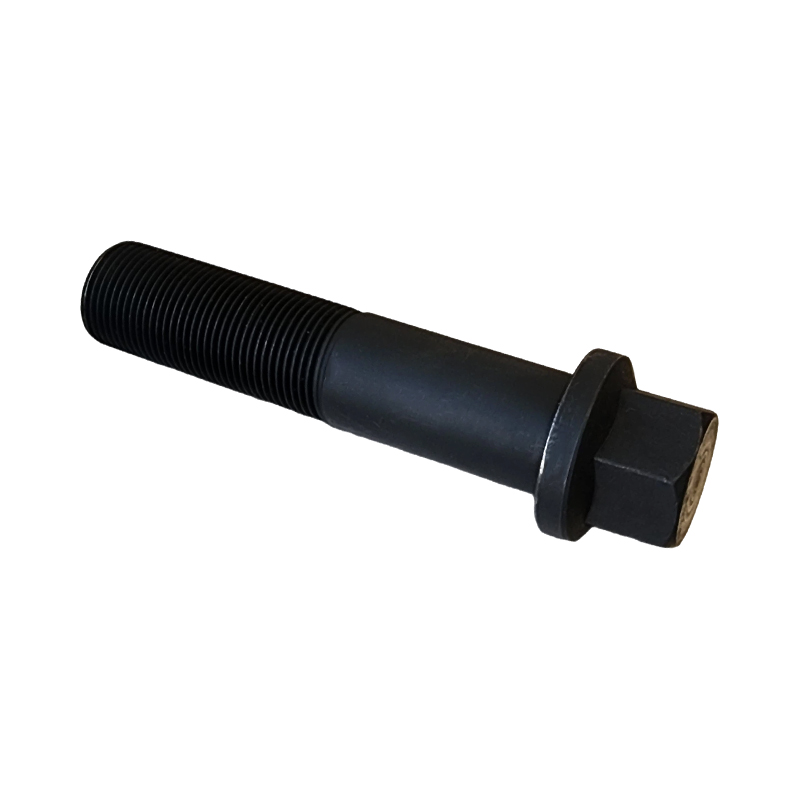 M8×100 Alloy Steel Grade 8.8 Phosphate Coated Cylinder Hex Head Flange Bolts
 Contact Information
 Address



 中文简体
中文简体 Português
 Español
 Deutsch
 русский
 عربى
عربى