
Content
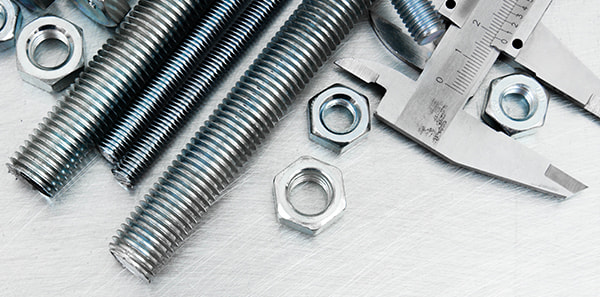
Measuring a bolt accurately is essential for selecting the correct fastener for construction, machinery, or DIY projects. Bolt measurements include the diameter, length, and thread pitch, and knowing these dimensions ensures proper fit and secure fastening.
Bolts are available in both metric and standard (imperial) sizes. Metric bolts are measured in millimeters, while standard bolts use inches. Identifying the type of bolt is the first step before taking precise measurements.
The bolt diameter refers to the width of the bolt’s threaded section. Use a caliper or micrometer to measure the major diameter, which is the widest part of the threads. This measurement is crucial to match the bolt with the correct nut or threaded hole.
For metric bolts, diameters are expressed in millimeters, e.g., M6, M8, M10. For standard bolts, diameters are expressed in inches or as screw numbers, e.g., 1/4", 5/16", or #10.
Bolt length is measured from the flat surface of the head to the tip of the bolt for bolts with a flat head. For countersunk or recessed head bolts, measure from the top of the head to the tip. Using a ruler or caliper ensures accurate length measurement.
Length determines whether the bolt will securely hold the components together without protruding excessively or being too short.
Thread pitch refers to the distance between threads on a bolt. Accurate thread pitch measurement ensures compatibility with nuts or tapped holes. Metric bolts use pitch in millimeters, while standard bolts use threads per inch (TPI).
Several tools make measuring bolts easier and more precise:
| Bolt Type | Diameter | Thread Pitch | Length |
| Metric | M6, M8, M10 | 1.0, 1.25, 1.5 mm | 10–100 mm |
| Standard | #10, 1/4", 5/16" | 20, 18, 16 TPI | 1/2"–4" |
Always measure multiple bolts to confirm consistency, especially when working with batches from different manufacturers. Record the diameter, length, and thread pitch clearly before purchasing nuts or tapped holes.
Using the correct measurements reduces the risk of stripped threads, improper fit, and mechanical failure. Accurate measurement is essential for both DIY projects and professional applications.
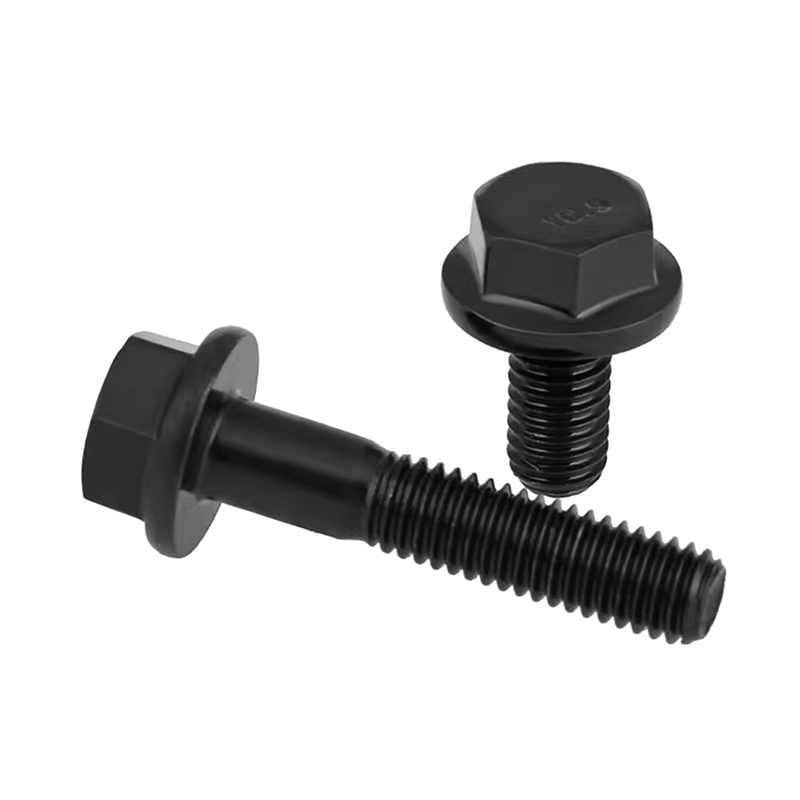 Alloy Steel M6*20 Galvanized Hexagonal Flange Bolts
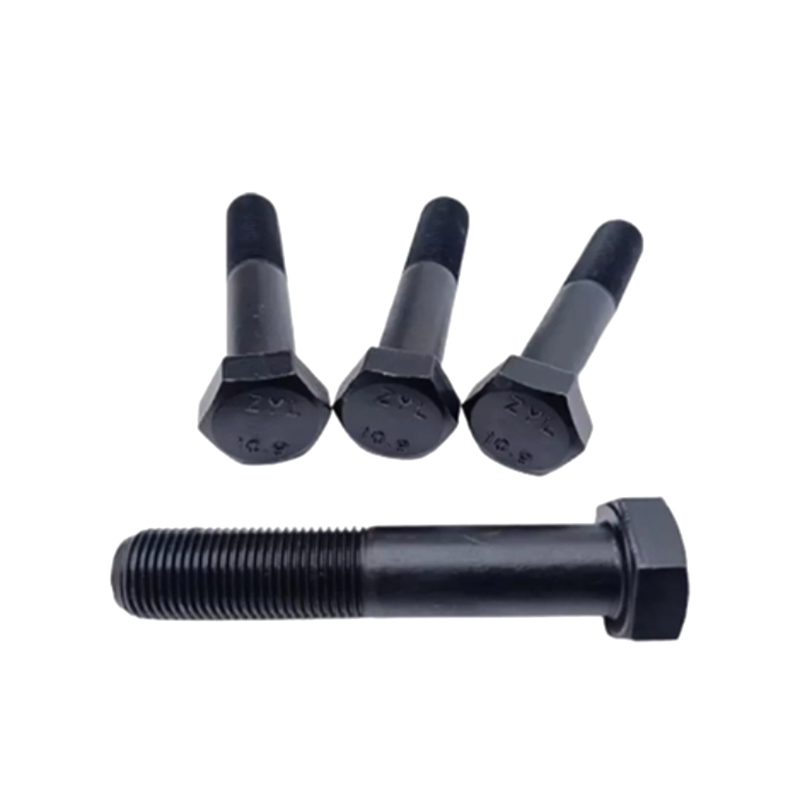 Grade 8.8 M8*100 Alloy Steel Hot Dip Galvanized External Hexagon Bolts
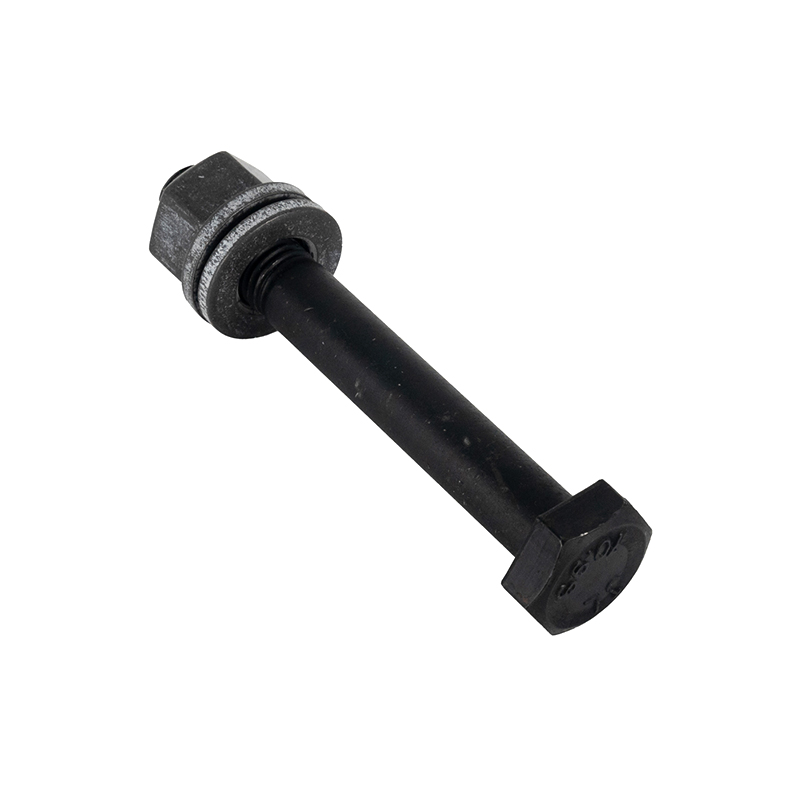 Steel Structure M20*120 Zinc Plated High-Strength Bolts
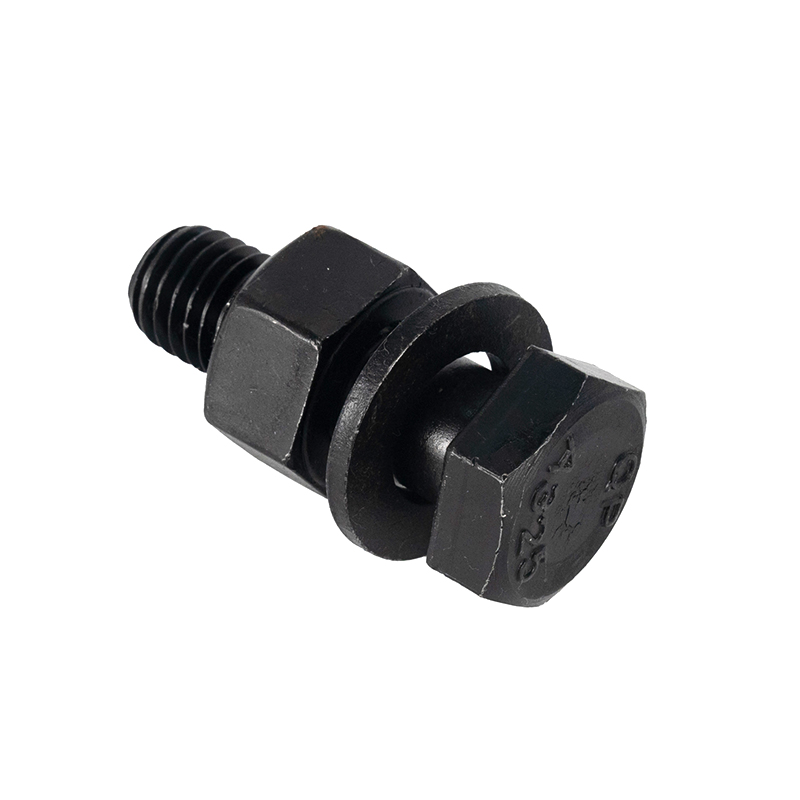 M12*40 Carbon Steel Black High-Strength Bolts
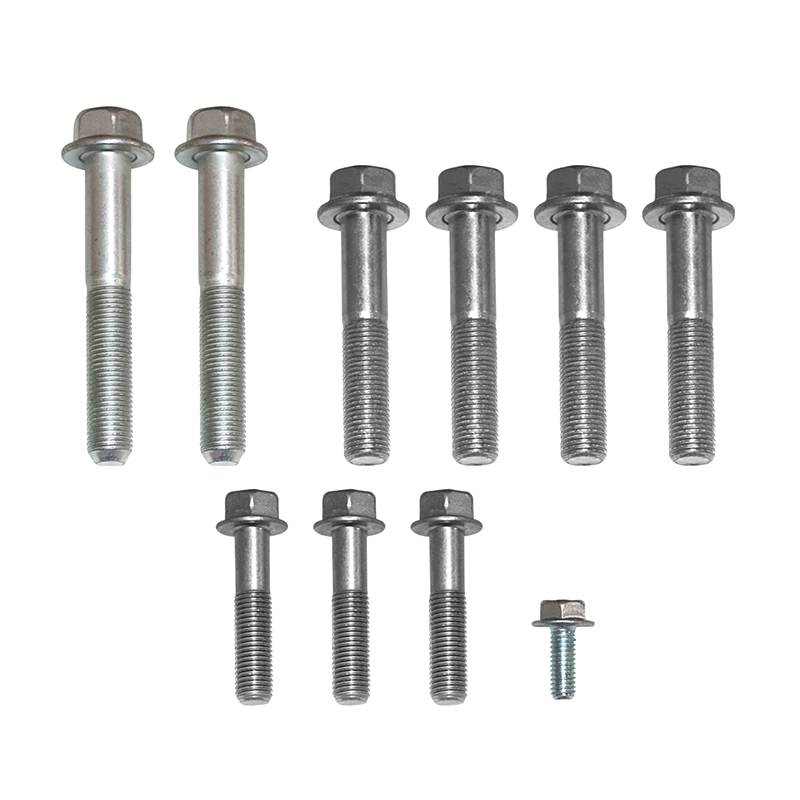 M10*160 Alloy Steel Phosphated Hex Flange Bolts
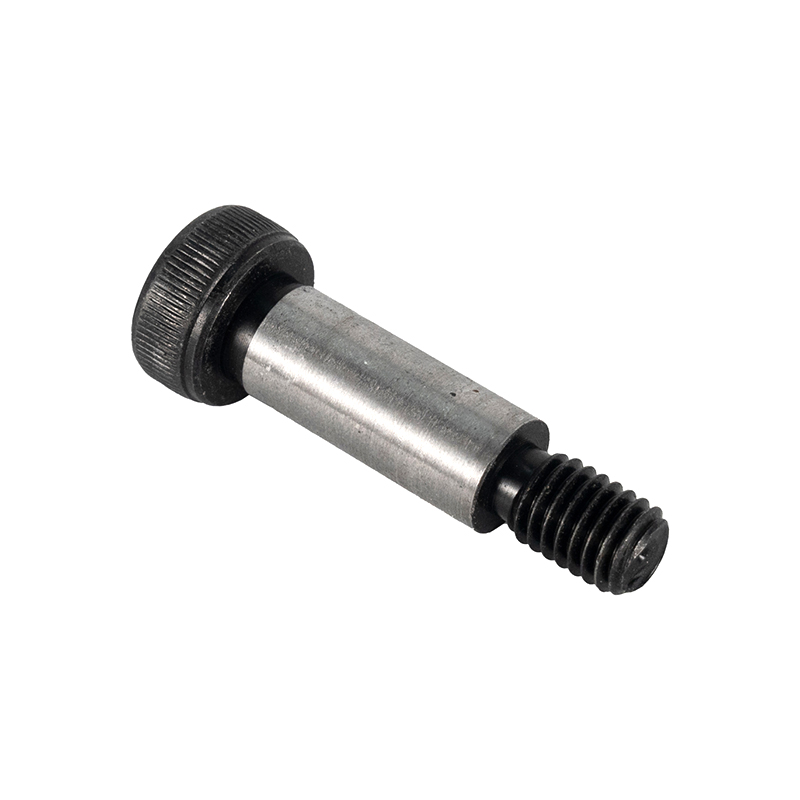 1-8 UNC x 6" Grade 8.8 Precision Phosphate Shoulder Bolts
 Contact Information
 Address



 中文简体
中文简体 Português
 Español
 Deutsch
 русский
 عربى
عربى