
Content
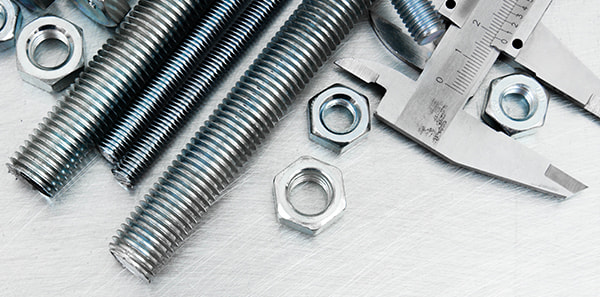
Fasteners serve as the core connection components in machinery, equipment, and construction projects. Surface treatment represents the key manufacturing process that directly determines corrosion resistance, mechanical strength, and operational lifespan. The primary objectives of bolt surface treatment include preventing corrosion and rust, improving aesthetic appearance for assembly and identification purposes, enhancing functional performance through friction reduction and easier installation, and meeting stringent industry standards for automotive, electronics, outdoor, and chemical applications.
Selecting the appropriate surface treatment requires careful evaluation of environmental conditions, cost constraints, and performance requirements. Different treatments exhibit significant variations in corrosion protection capabilities, making the selection process critical for long-term reliability and safety.
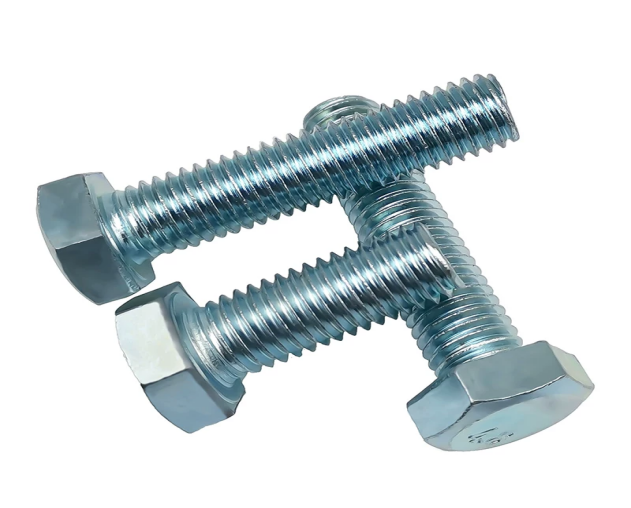
Electroplating stands as the most widely adopted surface treatment method for commercial fasteners due to its low cost and mature manufacturing processes. This technique deposits a uniform zinc coating through electrolysis, creating a dense, well-bonded protective layer.
Electroplating adheres to GB/T 5267.1-2023 (equivalent to ISO 4042) "Fasteners—Electroplated Coatings," which covers zinc, zinc-nickel, zinc-iron, and cadmium plating. The standard specifies coating thickness requirements of 5–12μm (standard grade 5–8μm; corrosion-resistant grade 8–12μm) and salt spray resistance of 24–96 hours without white or red rust.
Electroplating offers multiple color options including white zinc, blue-white zinc, colored zinc, and black zinc. These finishes suit indoor environments such as home appliances, furniture, and general machinery where corrosion exposure remains minimal. However, engineers must address hydrogen embrittlement risks for Grade 8.8 and higher strength bolts through mandatory dehydrogenation treatment to prevent connection failures.
Hot-dip galvanizing delivers exceptional corrosion resistance through immersion in molten zinc at approximately 450°C, forming thick zinc-iron alloy coatings. This method produces coating thicknesses averaging 50μm or greater, with local minimums of 40μm, providing decades of protection in harsh conditions.
Hot-dip galvanized fasteners comply with GB/T 5267.3-2008 (identical to ISO 10684) and GB/T 13912-2020 standards. These specifications cover fasteners ranging from M8 to M64 with strength grades up to 8.8, achieving salt spray resistance of 100–500 hours. Notably, Grade 10.9 fasteners require minimum 4-hour dehydrogenation treatment to prevent hydrogen embrittlement.
The thick coating and metallurgical bonding make hot-dip galvanizing ideal for power transmission towers, bridges, steel structures, and photovoltaic mounting systems. These applications demand long-term resistance to rain, sand, and salt spray exposure in coastal and industrial environments .Engineers must account for dimensional changes affecting thread fit, often requiring post-galvanizing thread reworking or oversized nuts.
Dacromet coating represents a revolutionary water-based technology utilizing zinc and aluminum flakes without electrolysis, completely eliminating hydrogen embrittlement risks. This characteristic makes it the preferred choice for high-strength fasteners in automotive, high-speed rail, and marine applications.
Despite coating thicknesses of only 4–10μm, Dacromet achieves salt spray resistance of 500–1200+ hours—exceeding traditional galvanizing by over 20 times. The coating withstands temperatures up to 300°C while maintaining stable performance, and demonstrates excellent torque-to-preload consistency essential for critical connections. The silver-grey matte appearance provides uniform coverage even in complex geometries and deep recesses.
Dacromet coatings conform to GB/T 18684-2022 "Zinc Chromium Coatings—Technical Specifications." While earlier formulations contained hexavalent chromium, modern chromium-free variants address environmental concerns while maintaining superior performance. The technology sees widespread adoption in military equipment, wind turbine offshore installations, and automotive chassis components where failure prevention remains paramount.
Phosphating creates crystalline phosphate conversion coatings through chemical and electrochemical reactions, producing grey to black surface finishes. This treatment primarily serves as a pretreatment for subsequent coatings or as a friction-reducing layer for assembly operations.
Phosphating delivers exceptional lubrication properties with the most stable friction coefficient among all coatings, making it ideal for high-torque installation requirements. Zinc phosphating excels in wear resistance for connecting components, while manganese phosphating provides superior corrosion resistance and withstands operating temperatures between 107–204°C.
The standalone corrosion resistance remains limited—typically 10–20 hours in salt spray testing without oil, extending to 72–96 hours with high-quality rust protection oil. Consequently, phosphating suits indoor machinery, engine internals, and bolt where strong outdoor corrosion resistance remains unnecessary.
Black oxide treatment, also called bluing, forms a dense magnetite (Fe₃O₄) layer through chemical oxidation, producing uniform black surfaces with minimal dimensional change. This cost-effective process offers decorative appeal and finds extensive use in precision instruments, weapons manufacturing, and optical devices.
The thin oxide film provides limited corrosion resistance, achieving only 3–5 hours in neutral salt spray tests once protective oil degrades. Torque-tension consistency proves poor unless grease is applied during assembly. These characteristics restrict black oxide fasteners to indoor environments, enclosed machinery, and non-critical applications where appearance matters more than corrosion protection.
Nickel plating produces bright silver finishes combining corrosion resistance with electrical conductivity, making it suitable for electronics, battery terminals, and decorative fasteners. The nickel layer forms a thin passivation film providing stability against atmospheric, alkaline, and certain acid exposures.
Chrome plating delivers mirror-like aesthetics with excellent hardness and heat resistance up to 650°C. However, costs comparable to stainless steel limit industrial adoption. Chrome-plated fasteners typically require copper and nickel underlayers for adhesion and corrosion protection, and share electroplating's hydrogen embrittlement susceptibility.
Stainless steel fasteners rely on material-inherent corrosion resistance rather than applied coatings. Passivation treatment enhances this natural protection by removing surface impurities and oxide layers through nitric or citric acid immersion, improving surface brightness and extending service life in aggressive environments.
This treatment suits food processing, medical equipment, electronics, and high-end coastal installations where direct exposure to acids, alkalis, and moisture occurs. The metal-silver appearance requires no additional plating while providing maintenance-free operation.
Salt spray testing according to GB/T 10125 (neutral salt spray test) serves as the primary method for evaluating fastener corrosion resistance. Test duration and acceptance criteria vary significantly by treatment type and application requirements.
| Surface Treatment | Coating Thickness | Salt Spray Resistance | Primary Applications |
| Electroplating | 5–12μm | 24–96 hours | Indoor, dry environments |
| Hot-Dip Galvanizing | ≥50μm average | 100–500 hours | Outdoor, marine, infrastructure |
| Dacromet | 4–10μm | 500–1200+ hours | Automotive, high-strength, marine |
| Phosphating | Variable | 10–96 hours (with oil) | Engine internals, pretreatment |
| Black Oxide | <1μm | 3–5 hours | Indoor, decorative, sealed |
| Nickel Plating | Variable | Moderate | Electronics, decorative |
| Stainless Steel | N/A | Excellent | Food, medical, chemical |
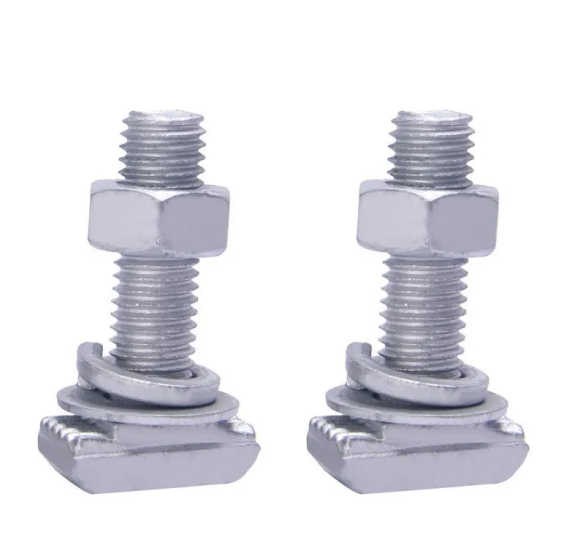
Choosing the appropriate bolt surface treatment requires systematic evaluation of environmental exposure, mechanical requirements, regulatory compliance, and lifecycle cost considerations. Engineers should prioritize the following selection criteria:
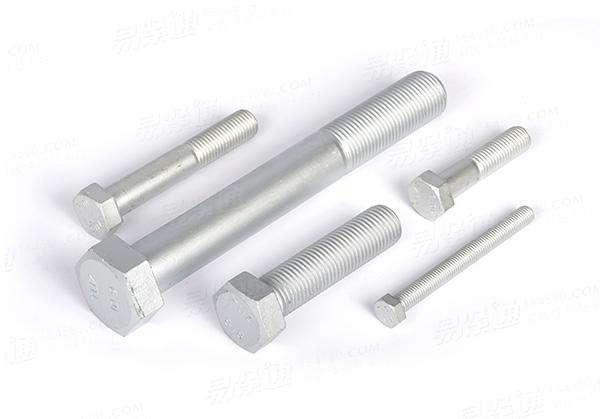
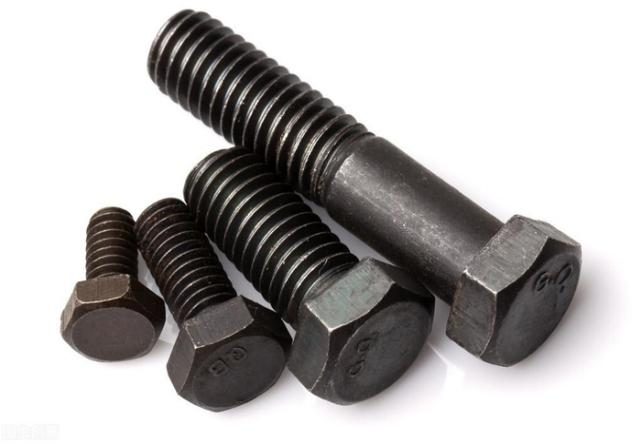
Proper surface treatment selection significantly reduces failure risks, extends service intervals, and ensures connection security across diverse industrial applications. By matching treatment characteristics to specific environmental and mechanical demands, procurement professionals and engineers can optimize both performance and cost efficiency .
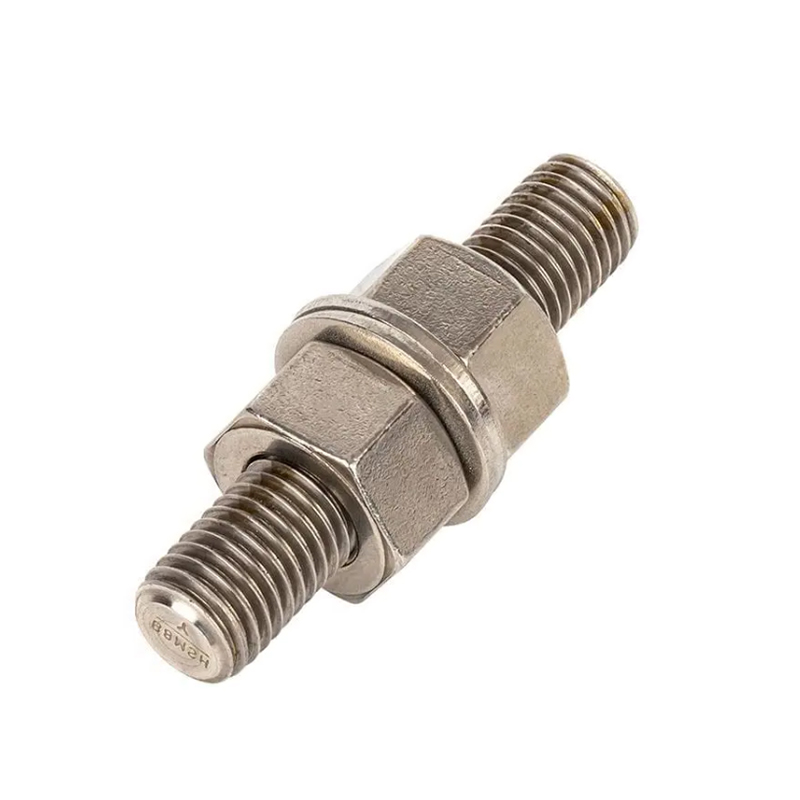 L7 Galvanized / Black / HDG Surface 3/4*10" Full Threaded Bar
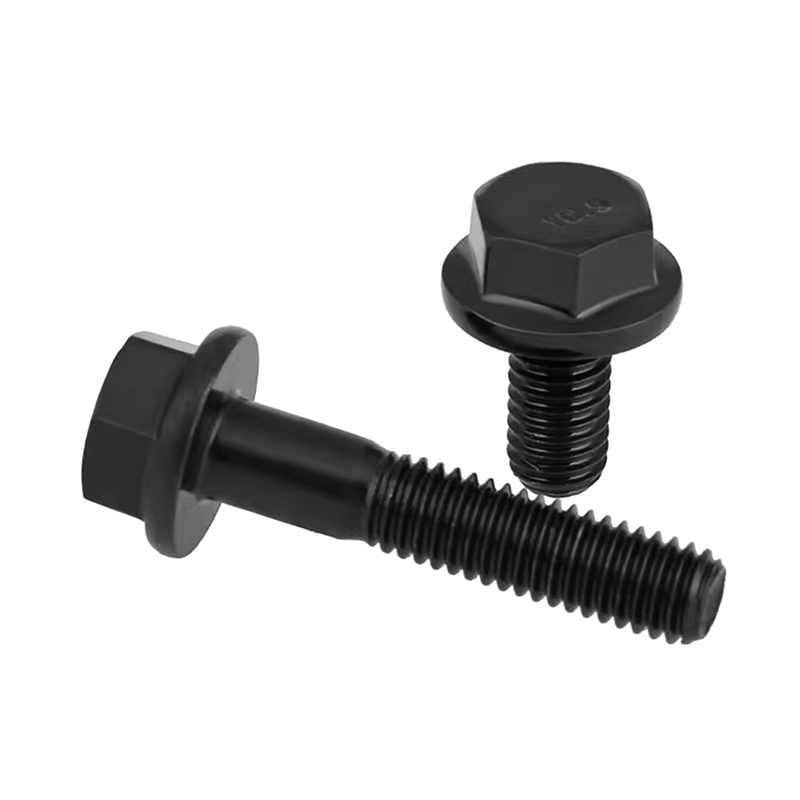 Alloy Steel M6*20 Galvanized Hexagonal Flange Bolts
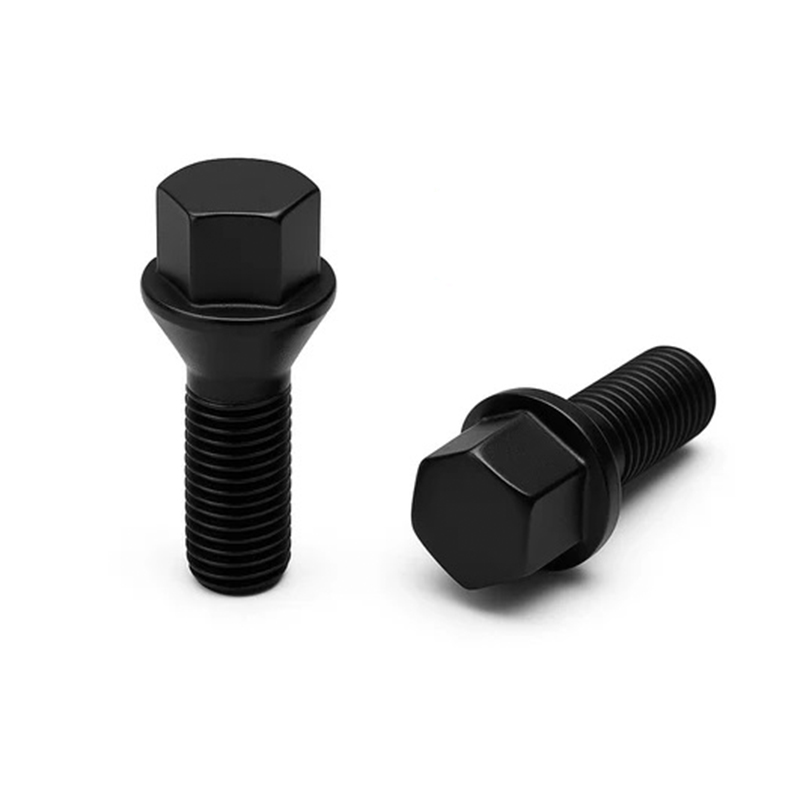 Plain Carbon Steel Flat Seat Lug Bolt ASME B18.2.1
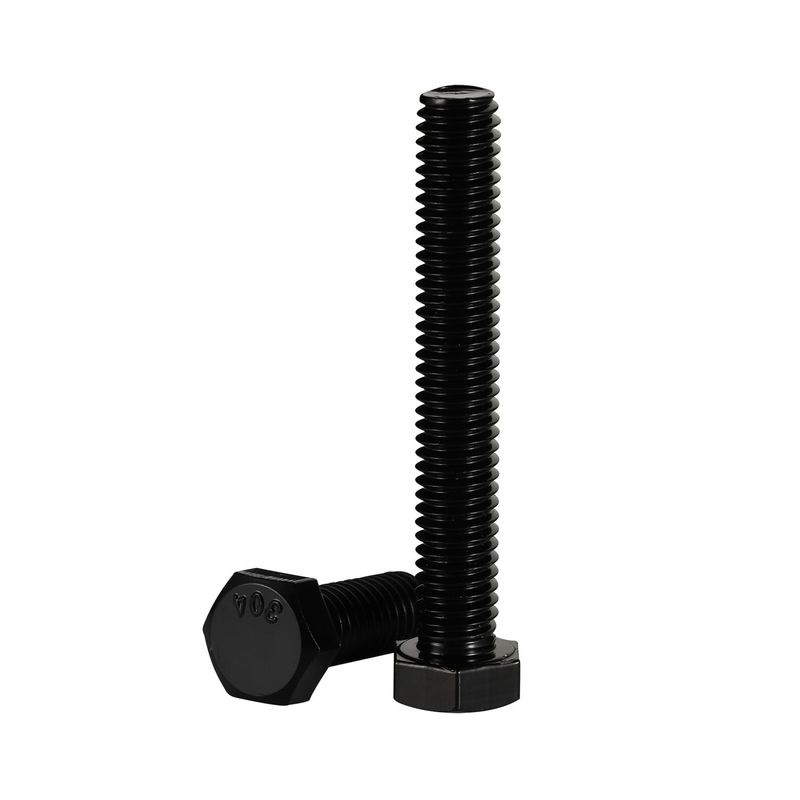 SS304 A2-70 Black Oxide Full Thread Hexagonal Bolt DIN 933
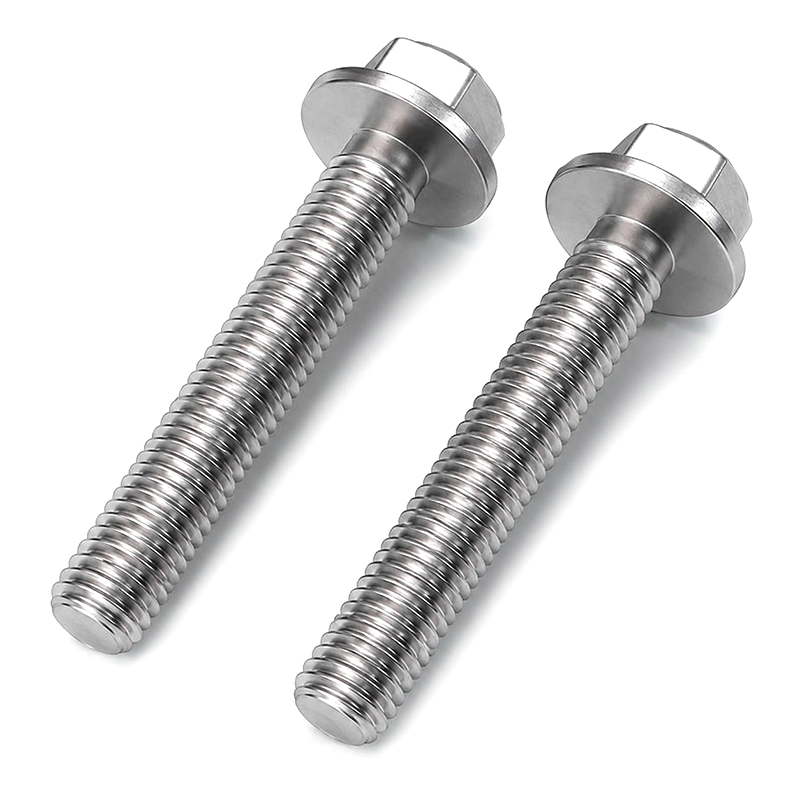 Stainless Steel 304 DIN 6921 Hex Flange Bolt
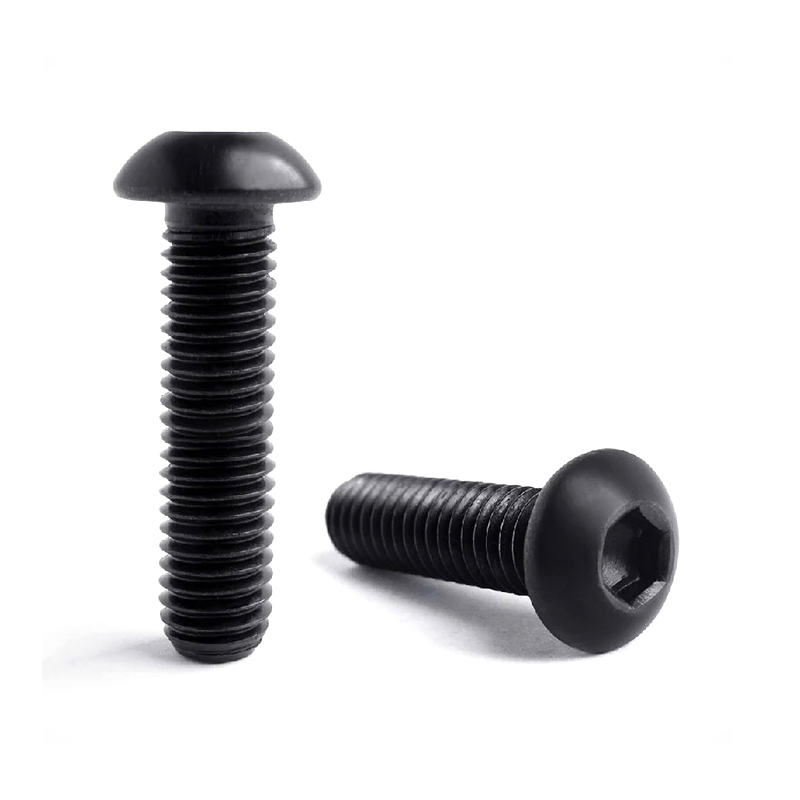 Zinc Plated Carbon Steel Hexalobular Button Head Bolt
 Contact Information
 Address



 中文简体
中文简体 Português
 Español
 Deutsch
 русский
 عربى
عربى