
Content
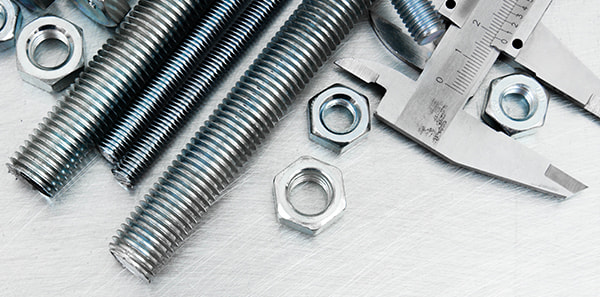
Threaded rods are essential fasteners in construction, machinery, and industrial applications. Choosing between full threaded rod bars and partial threaded rods can significantly impact assembly strength, load distribution, and installation flexibility. Understanding the differences helps engineers, builders, and technicians select the appropriate rod type for their projects.
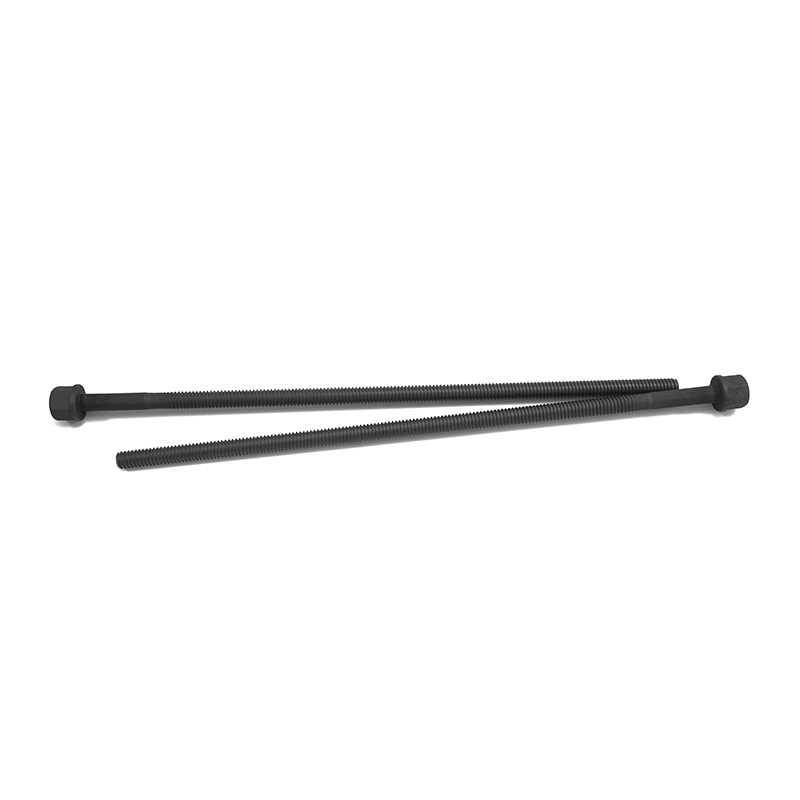
The primary distinction between full threaded rod bars and partial threaded rods lies in the extent of threading along the rod. Full threaded rod bars feature threads running along the entire length of the rod, while partial threaded rods have a threaded section combined with an unthreaded shank. This structural difference affects the rod's performance in fastening, alignment, and load-bearing applications.
Full threaded rod bars provide consistent grip along their entire length. This makes them ideal for applications where multiple nuts or clamps may be positioned anywhere along the rod. The continuous threading distributes load evenly, minimizes slippage, and allows for precise adjustments without requiring additional drilling or modifications.
Partial threaded rods combine a smooth, unthreaded shank with a threaded section at one or both ends. The unthreaded portion allows for shear strength in structural connections and better alignment of components. This design is commonly used in applications where rods pass through pre-drilled holes or where precise spacing and support are required.
Both full and partial threaded rods can be manufactured from carbon steel, stainless steel, or alloy steel, depending on load and environmental requirements. The choice of material impacts corrosion resistance, tensile strength, and wear performance. Full threaded rods often prioritize maximum tensile strength and versatility, while partial threaded rods focus on structural support and shear load capacity.
The intended use of the rod determines whether full threading or partial threading is preferable. Full threaded rods are widely used in construction, scaffolding, machinery assembly, and industrial fastening where adjustable clamping or long-span connections are needed. Partial threaded rods are more common in bolted connections, automotive assemblies, and structural components where the unthreaded shank provides better alignment and shear strength.
| Feature | Full Threaded Rod Bar | Partial Threaded Rod |
|---|---|---|
| Thread Coverage | Entire length of the rod | Threaded ends only, with unthreaded shank |
| Load Distribution | Even along the rod, suitable for adjustable connections | Shear concentrated on unthreaded portion, supports structural alignment |
| Common Applications | Industrial fastening, scaffolding, adjustable frameworks | Bolted joints, automotive components, structural supports |
| Flexibility | High – nuts and fasteners can be positioned anywhere | Medium – requires specific placement for threaded ends |
| Adjustability | Excellent – ideal for customizable connections | Limited – fixed threaded sections limit adjustments |
Choosing between full threaded rod bars and partial threaded rods depends on the specific requirements of your project. Full threaded rods offer versatility, uniform load distribution, and ease of adjustment, making them ideal for long-span fastening and industrial assemblies. Partial threaded rods provide enhanced shear strength, precise alignment, and structural support, making them suitable for bolted connections and high-load components. Understanding these differences ensures optimal performance, safety, and reliability in any mechanical or construction application.
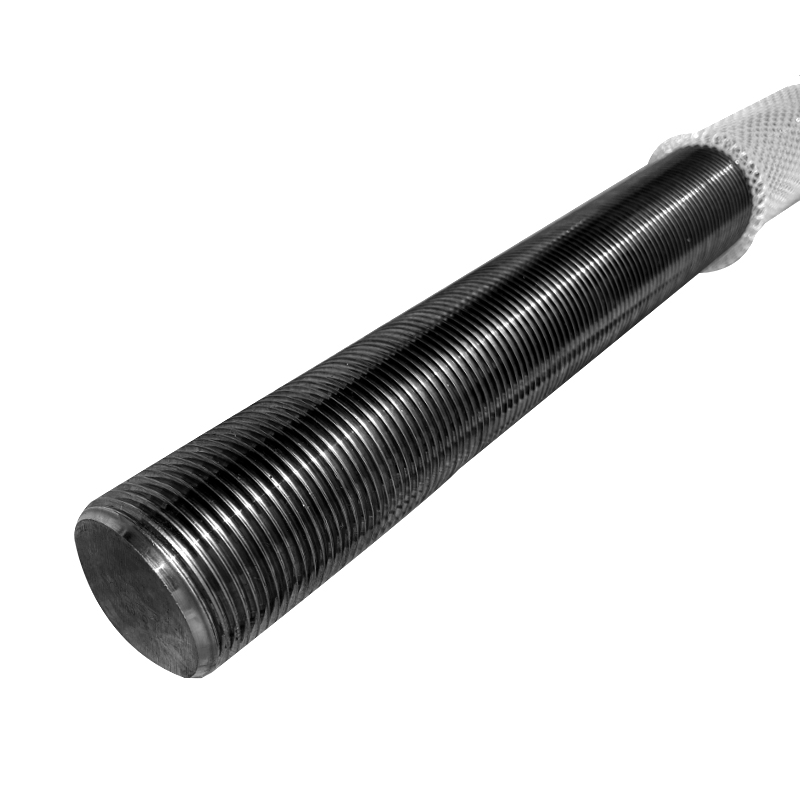 M27*300 PTFE Blue / Dacromet Coated ASTM A320 L7 Fully Threaded Rods
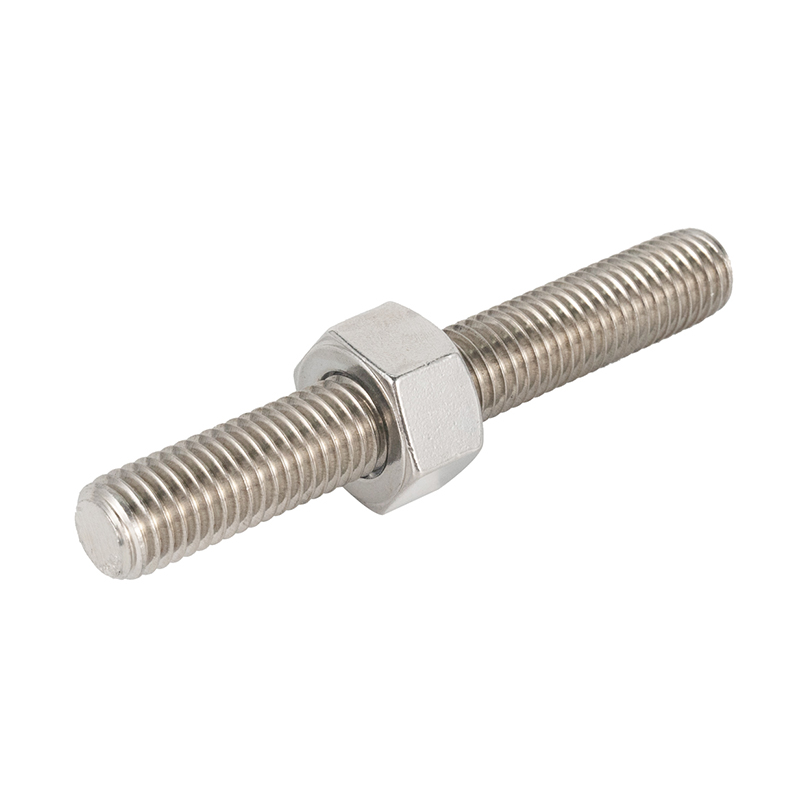 M10×300 Carbon Steel Grade 8.8 Galvanized Fully Threaded Rods
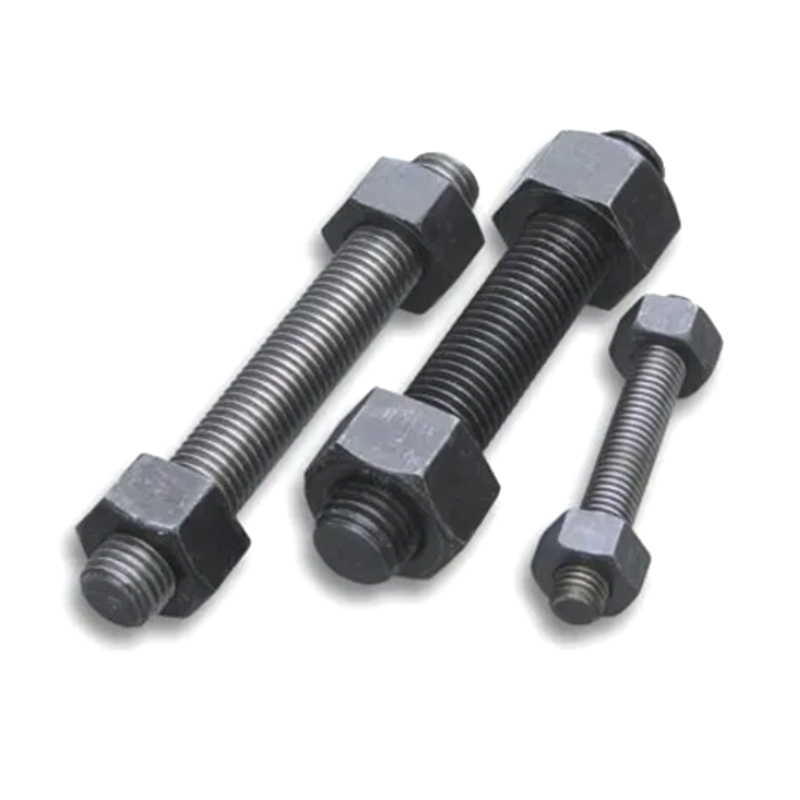 1-8 UNC *5" Alloy Steel ASTM A193 B7 Threaded Rods
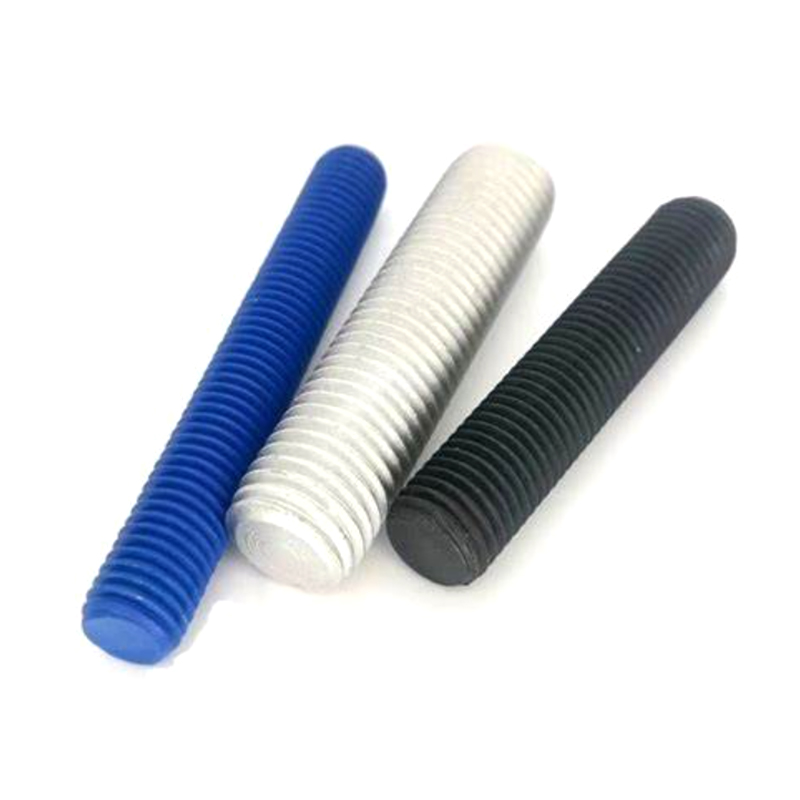 3/4*10" Zinc Plated / Black Oxide / Hot Dip Galvanized B7 Threaded Rods
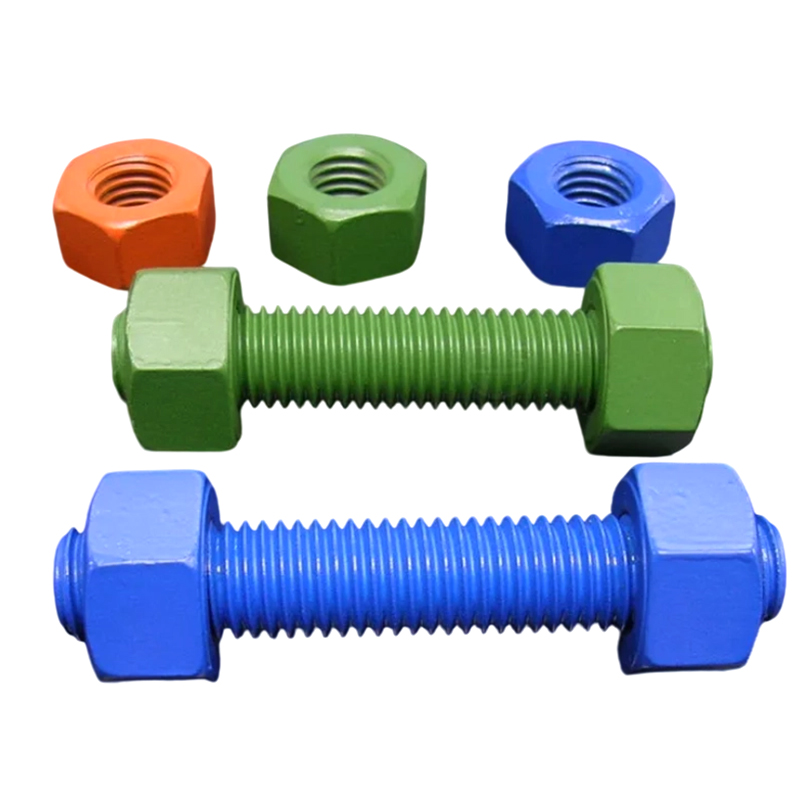 Alloy Steel M27*300 PTFE / Dacromet Coating B7 Threaded Rods Studs
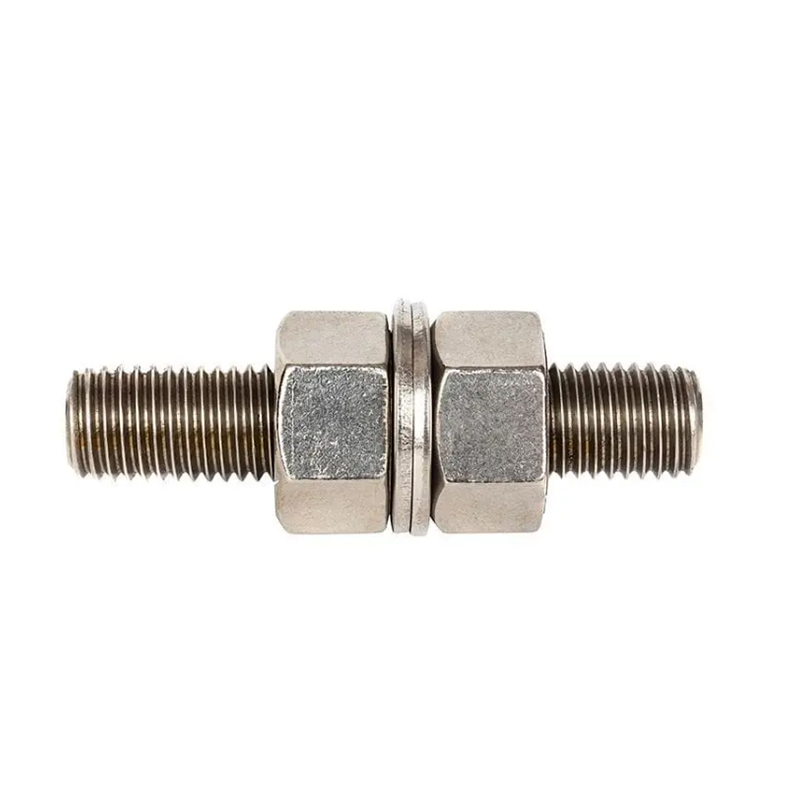 1-8 UNC *5" Alloy Steel ASTM A193 B7 Threaded Rods Grade L7 Threaded Studs
 Contact Information
 Address



 中文简体
中文简体 Português
 Español
 Deutsch
 русский
 عربى
عربى