
Content
A suspended ceiling grid calls for a 2,400 mm threaded rod, but the longest standard length on the truck is 2,000 mm. Instead of welding, splicing, or redesigning the support, a threaded rod coupler lets you join two shorter rods into one continuous length. The joint works only when the coupler matches the rod's diameter, thread pitch, material grade, and coating. That is where many purchasing decisions go wrong.
A threaded rod coupler is a short internally threaded cylinder or hex block that connects two rods end-to-end. Unlike a nut, which holds a component in position along a rod, a coupler extends the rod's axis. It is commonly used when a rod must span an awkward distance, when two shorter lengths are easier to transport and handle, or when a flanged joint requires a continuous stud between two nuts. For most steel rods, the goal is simple: the joint should carry the same load as the uninterrupted rod.
Because the coupler becomes part of the load path, you cannot treat it as a generic hardware fitting. The thread size, pitch, tolerance class, length, and material must all be coordinated. If you are still reviewing rod basics, see our complete all-thread rod guide before selecting a coupler.
Threaded rod couplers are not all shaped the same. The right geometry depends on how much torque you need to apply, how much space you have, and whether the joint will face vibration or an uneven load.
Hex couplers have six flat sides so a wrench can hold them while you torque the rod. This makes them the preferred choice for tensioned assemblies, bracing, and any joint where you need to counter-hold the coupler during installation. Round couplers are more compact and are often used inside pipe hangars, ceiling suspension grids, or tight cavities where a wrench cannot reach. They are lighter and less likely to snag, but they are harder to keep stationary during tightening.
There are also extra-long couplers that provide more thread engagement for higher-strength rods. These are worth considering when the rod is loaded near its rated capacity, because deeper engagement reduces the risk of thread stripping at the joint.
A reducer coupler connects two rods of different diameters, for example M12 on one end and M16 on the other. This is useful in field repairs or transitions between structural sections. However, the load capacity of the assembly is limited by the smaller rod, so a reducer coupler should not be used to upgrade a weak point in the system. Always check the minor-diameter rating of the smaller thread before relying on the connection.
For machinery, bridges, and dynamic loads, vibration can loosen a standard coupler over time. Some couplers are made with an internal locking element, such as a nylon patch or a distorted thread section, that increases friction and resists rotation. Others are designed to be used with jam nuts on either side of the coupler. If the application experiences cyclic loading or shock, these locking features are not optional; they are part of a safe connection.
Coupler sizing starts with the rod itself. You need the nominal thread diameter, the pitch in millimetres or threads per inch, and the thread direction. Most rods are right-handed, but left-hand thread couplers exist for turnbuckle assemblies. Installing a right-hand rod into a left-hand coupler will start to grab, then seize after half a turn.
A coupler also needs enough length to develop the full tensile strength of the rod. For most carbon steel rods, a rule of thumb is a coupling length of roughly two to three times the rod diameter. That length provides sufficient engaged threads for a failure to occur in the rod rather than in the coupler. The table below shows typical coupler sizes for common rod diameters.
| Rod Size | Thread Pitch / TPI | Typical Coupler Length | Common Use |
|---|---|---|---|
| M8 | 1.25 mm | 24 mm | Light hangers, cable supports |
| M10 | 1.5 mm | 30 mm | Framing and equipment supports |
| M12 | 1.75 mm | 36 mm | Mechanical bracing, structures |
| M16 | 2.0 mm | 48 mm | Heavy industrial supports |
| 3/8-16 | 16 TPI | 1.5 in | Suspended ceiling systems |
| 1/2-13 | 13 TPI | 2.0 in | Pipe hangers and framing |
| 3/4-10 | 10 TPI | 3.0 in | Heavy structural anchoring |
When selecting a coupler, follow this sequence:
Coupler strength should never be lower than the rod you are joining. A low-grade coupler on a high-strength rod will strip or fracture before the rod reaches its rated load. For general indoor industrial use, carbon steel couplers in grade 8.8 offer a practical balance of strength and cost. A typical pairing is an M10 galvanized fully threaded rod with a zinc-plated carbon steel coupler of the same pitch and tolerance class. This combination works well for shelving, hanger supports, and light machinery mounting.
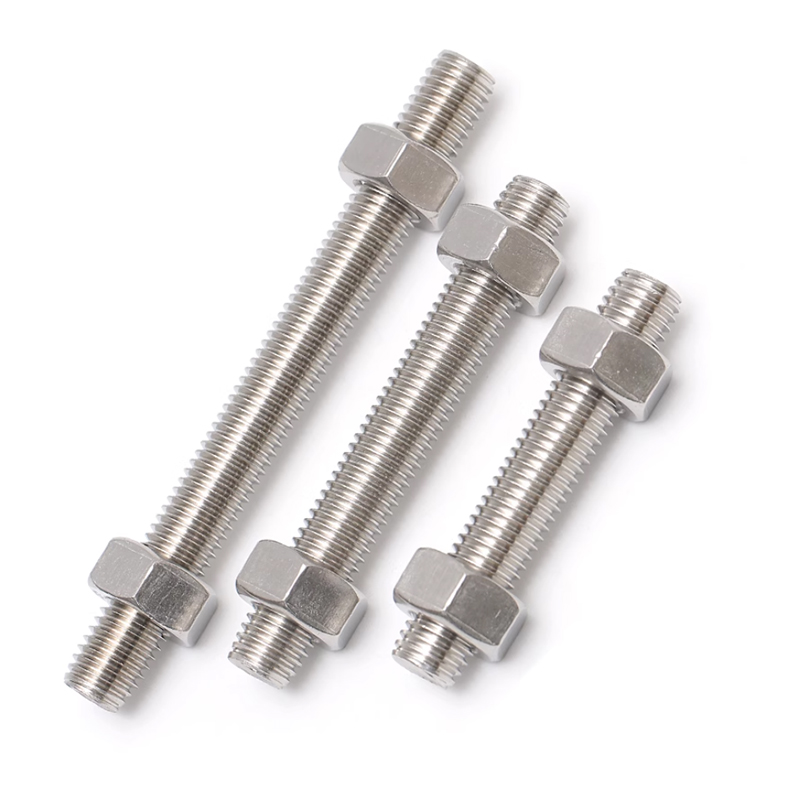 M10×300 Carbon Steel Grade 8.8 Galvanized Fully Threaded Rods Suppliers, FactorySoverchannel - China M10×300 Carbon Steel Grade 8.8 Galvanized Fully Threaded Rods Suppliers and Wholesale M10×300 Carbon Steel Grade 8.8...View Product →
For pressure vessels, flanged piping, and high-temperature service, ASTM A193 B7 alloy steel rods are a common choice. Because B7 provides higher tensile strength, the coupler must be manufactured to a matching grade, often with controlled chemical composition and heat treatment. A 3/4-10 B7 threaded rod with a compatible coating requires a coupler that can transmit that load without distorting the internal threads.
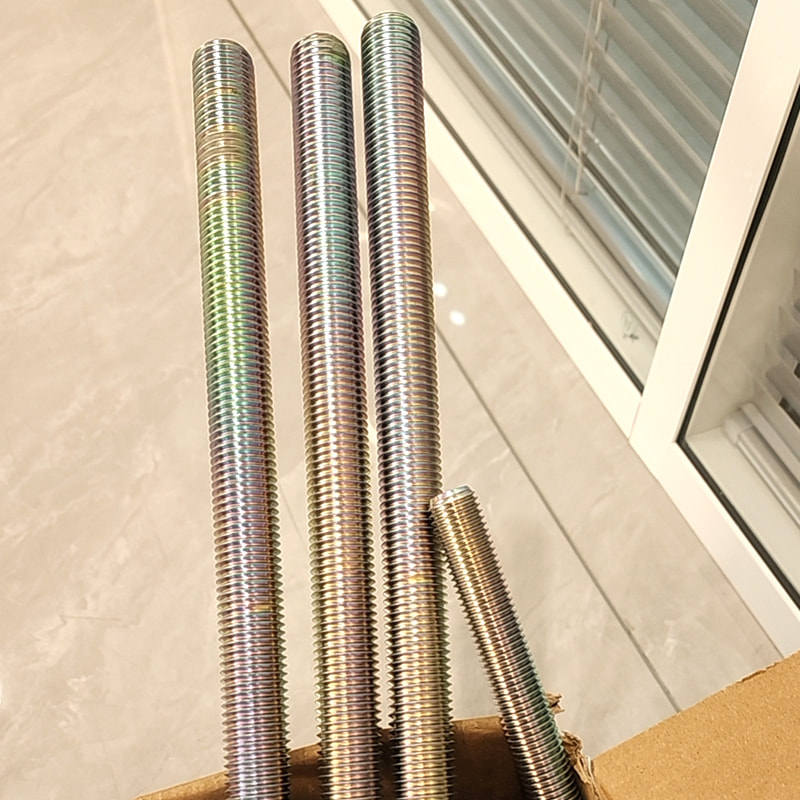 3/4*10Soverchannel - China 3/4*10View Product →
Stainless steel couplers in grade 304 or 316 are used for marine environments, food processing plants, and outdoor installations where corrosion resistance is more important than ultimate tensile strength. Grade 316 is preferred in chloride-rich conditions. Coating selection matters just as much: hot-dip galvanizing protects carbon steel in outdoor use, while Dacromet or PTFE coatings are used in chemically aggressive or high-temperature environments. Keep the coupler and rod in the same material family to avoid galvanic corrosion at the joint.
The most common failure in a threaded rod connection is not the rod itself; it is the internal threads of the coupler stripping under load. To prevent this, the coupler must have a thread engagement length that is long enough to develop the full tensile capacity of the rod. For standard steel rods, a minimum engagement of 1.5 times the rod diameter is frequently quoted, but a full-strength coupler usually needs more. Check the manufacturer's test data rather than relying on a generic formula.
Overtightening is another risk. When a coupler is torqued beyond the elastic limit of its threads, the internal thread form begins to yield. This is especially dangerous with small diameter rods, where the difference between snug and fully tightened is small. Use a calibrated torque wrench and follow the rod manufacturer's recommended preload values.
Finally, consider the effects of hydrogen embrittlement. Zinc-plated high-strength rods and couplers with tensile strengths above roughly 1,000 MPa can be vulnerable to hydrogen-induced cracking if the plating process is not properly controlled. For critical overhead supports or safety-related structural joints, specify a coating process that includes hydrogen embrittlement relief baking, or choose an alternative finish such as hot-dip galvanizing or Dacromet.
A threaded rod coupler is a small part, but its failure can be costly. When sourcing from a supplier, ask for evidence that the internal threads are clean, concentric, and gauge-tested. A simple visual check is not enough. The best practice is to request a sample before bulk ordering, then test the coupler with the exact rod you intend to use. Confirm the thread fit with a go/no-go gauge, and verify that the coupler can be tightened to the required torque without distortion.
For unusual lengths, mixed materials, or custom coatings, a fastener manufacturer with in-house thread rolling and heat treatment is more likely to deliver consistent quality. If you need a coupler matched to a specific rod length or a non-standard finish, our OEM and ODM custom fastener services can handle the specification from drawing to production. Documenting the material grade, coating thickness, and lot traceability also helps you meet audit requirements in oil and gas, construction, or infrastructure projects.
Before you approve a design using a threaded rod coupler, verify four things: thread compatibility, load rating, material compatibility with the environment, and coating integrity at the joint. When all four are correct, the coupler becomes a dependable part of the assembly rather than a hidden weak point.
Threaded rod couplers are a simple but engineering-critical component. Choose the configuration that matches your installation method, size the coupler to the rod's actual pitch and diameter, and never allow the coupler's material grade or coating to fall below the rod's specification. A little time spent on the selection details will pay off in fewer callbacks, safer installations, and a joint that performs as well as the rod beside it.
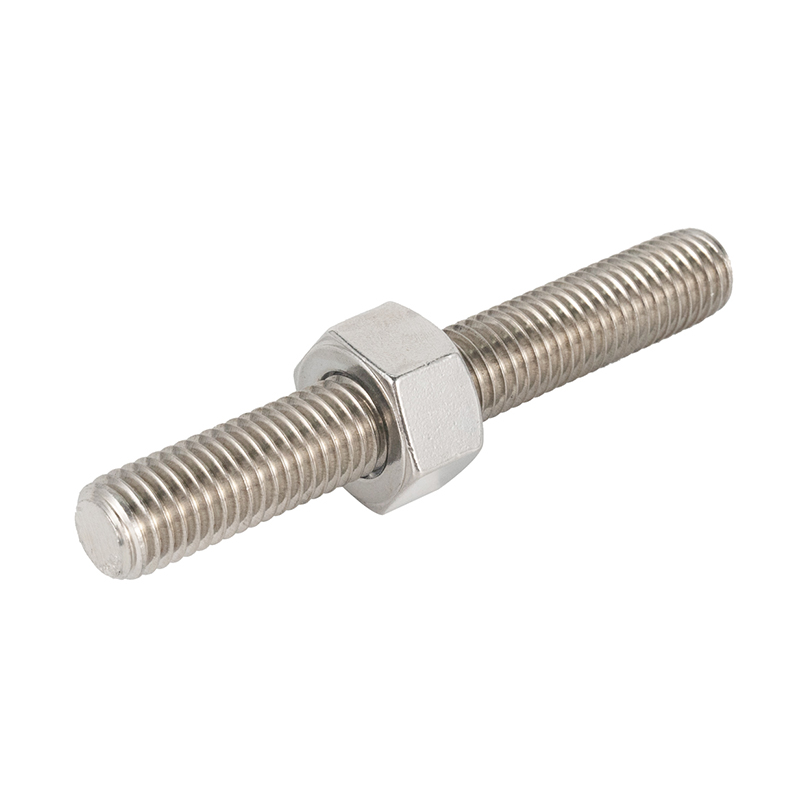 M10×300 Carbon Steel Grade 8.8 Galvanized Fully Threaded Rods
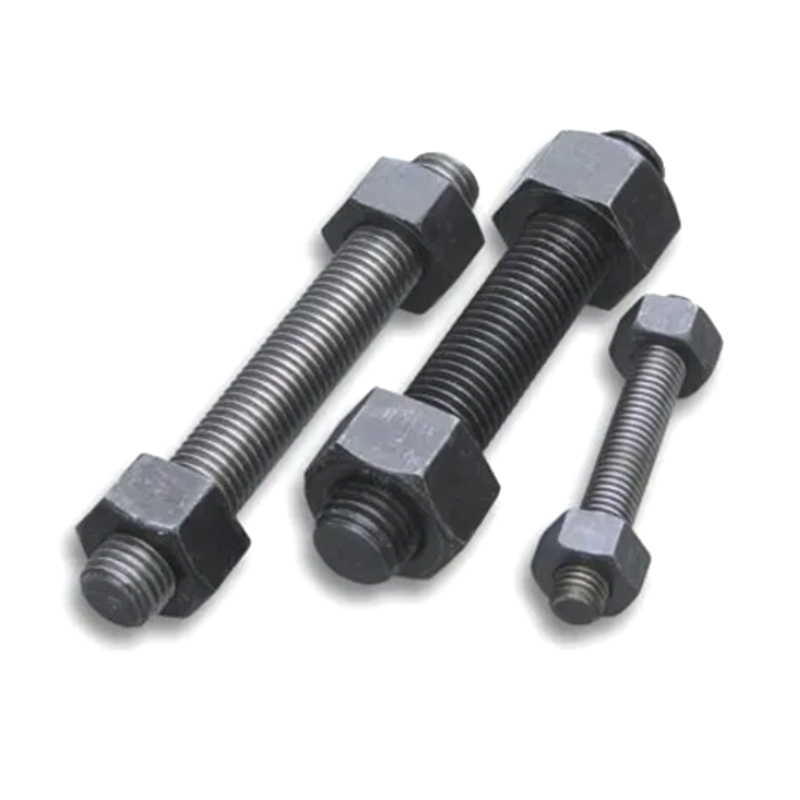 1-8 UNC *5" Alloy Steel ASTM A193 B7 Threaded Rods
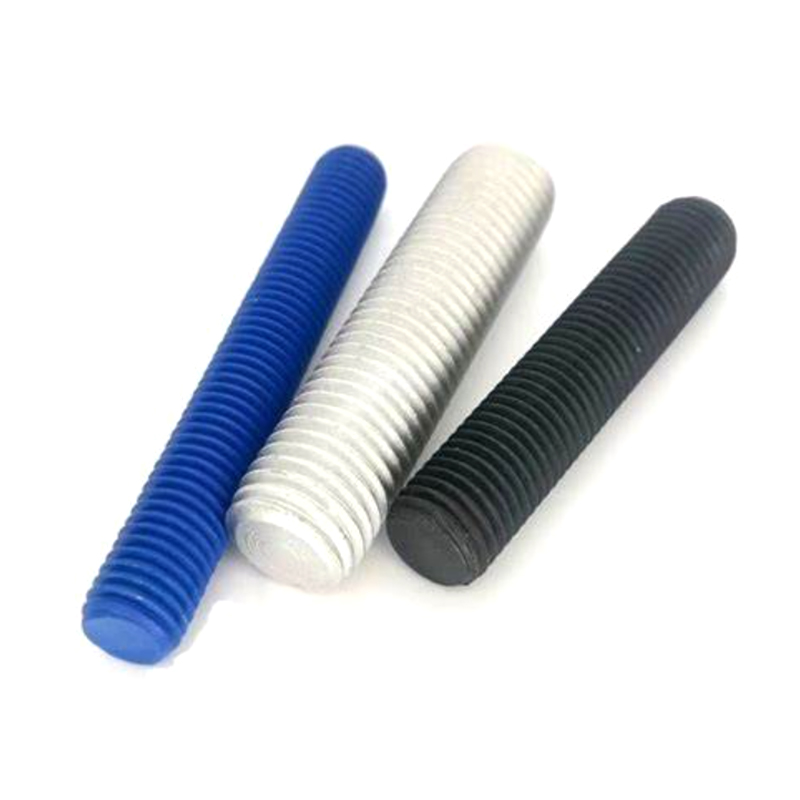 3/4*10" Zinc Plated / Black Oxide / Hot Dip Galvanized B7 Threaded Rods
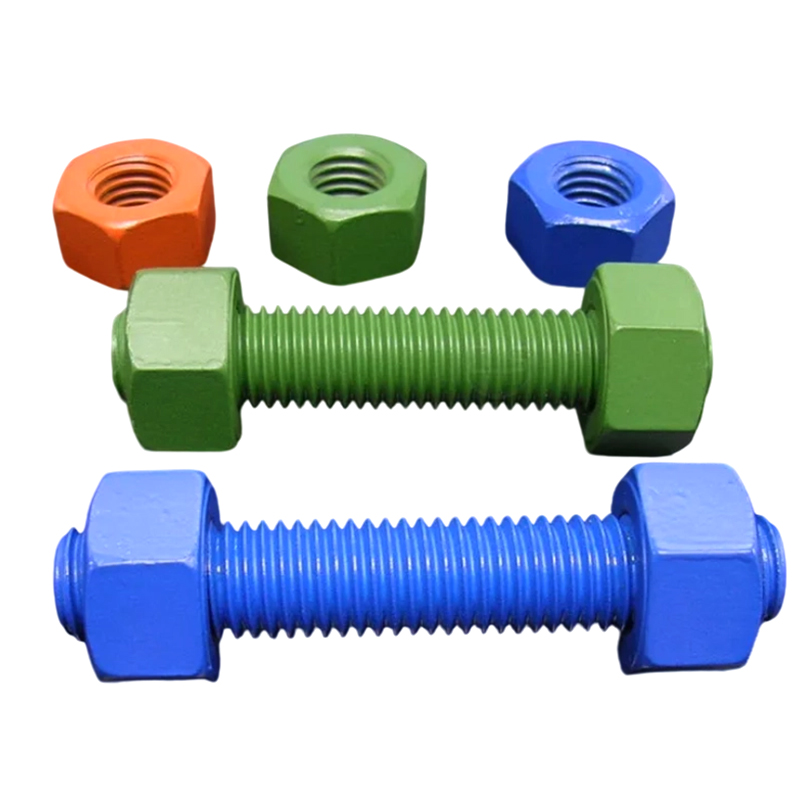 Alloy Steel M27*300 PTFE / Dacromet Coating B7 Threaded Rods Studs
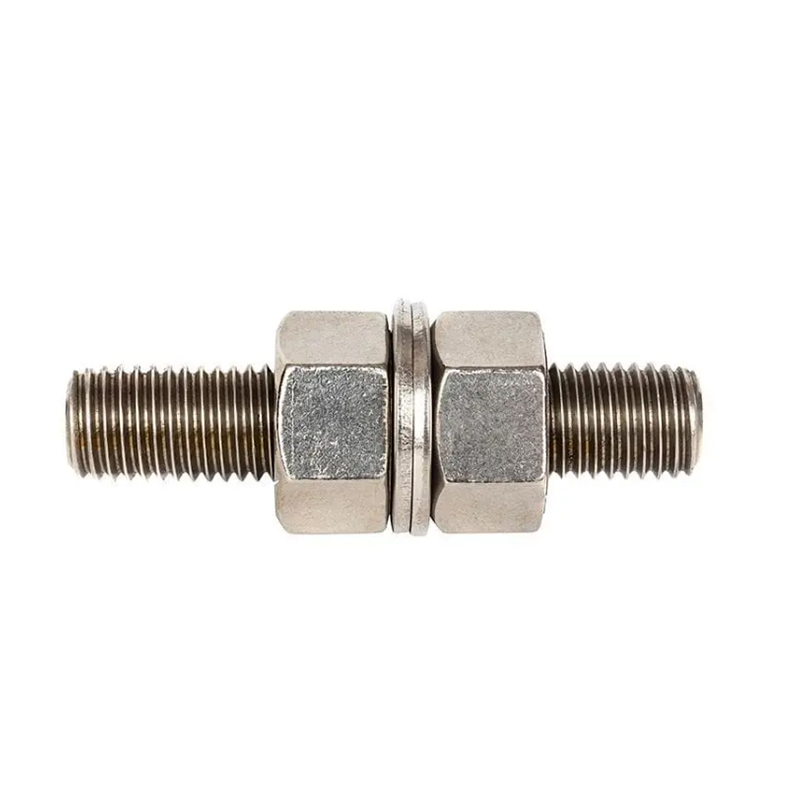 1-8 UNC *5" Alloy Steel ASTM A193 B7 Threaded Rods Grade L7 Threaded Studs
 China High Carbon Steel Double Open End Spanner Portable Hand Wrench for Auto Repair, Support Custom Drawing & Sample Processing
 Contact Information
 Address



 中文简体
中文简体 Português
 Español
 Deutsch
 русский
 عربى
عربى