
Content
Suppose you are fastening a pressure-treated pergola beam to a post and the back of the joint is unreachable. You need a bolt that will not spin while you tighten the nut, and you want the visible side to look clean. That is exactly the situation a carriage bolt is designed for.
A carriage bolt is a fastener with a domed head, a square (or ribbed) neck directly under the head, and a threaded body. When the square neck is seated into wood, it bites into the material and prevents rotation, so the entire clamping force is applied from the nut side. The dome head leaves a smooth, low-profile surface on the side you cannot reach.
Core conclusion: Use a carriage bolt when you need a one-sided, tamper-resistant connection in wood-to-wood or wood-to-metal assemblies, when the visible head must be flush and smooth, and when the nut side is the only accessible side. Do not use it as a substitute for a rated structural hex bolt in steel-to-steel shear connections.
The engineering logic of a carriage bolt is simple: the head is not a wrenching point, it is an anchor. The dome head prevents the bolt from being turned from the exposed side, and the square neck transfers the reaction torque into the workpiece. Once the neck is seated, the bolt holds its position on its own and you only need a wrench on the nut.
Dome head
A rounded, low-profile surface that resists snagging and discourages tampering from the head side. The head has no drive recess, so there is nothing to grip.
Square neck
The anti-rotation mechanism. In wood, the sharp corners cut a seat; in softer species, a few hammer taps sink the neck so it grips firmly.
Nut and washer
The clamp is created entirely by the nut. A flat washer spreads the load and prevents the nut from embedding into soft wood or marring the surface.
Material and finish determine how long the joint survives. Zinc-plated carbon steel is inexpensive and fine for dry interior furniture. Hot-dip galvanized carbon steel is the conventional choice for exterior decks, fences, and treated lumber, because the thick zinc layer resists the accelerated corrosion that moisture and copper-based wood preservatives cause. For exterior framing projects, hot-dip galvanized carbon steel carriage bolts offer a longer service life than electroplated finishes and are manufactured to the same dimensional rules as standard carriage bolts.
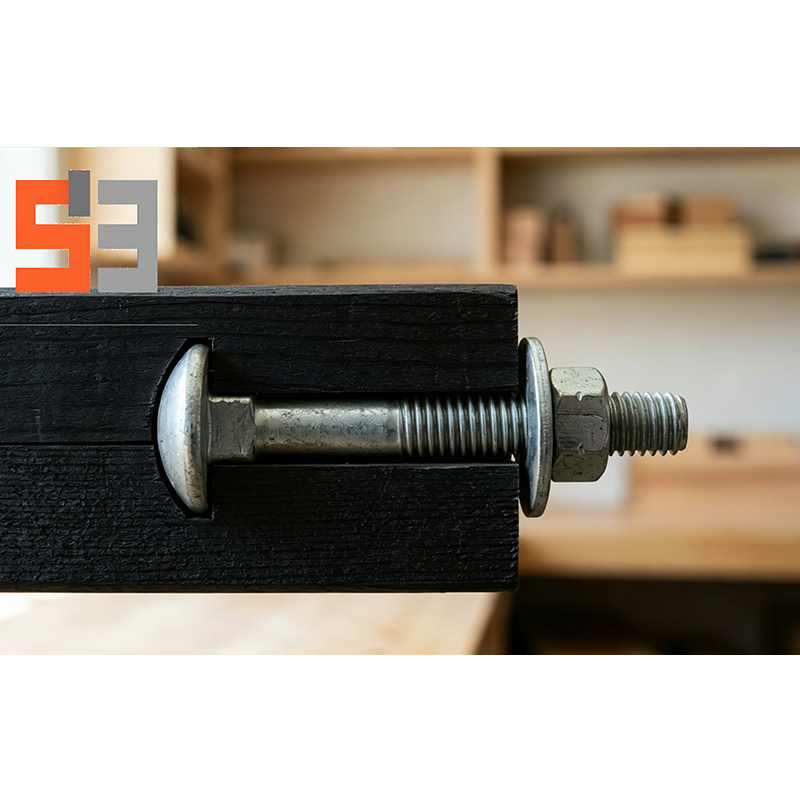 Hot-Dip Galvanized Carbon Steel Carriage Bolt Suppliers, Factory - Shanghai SoveSoverchannel - China Hot-Dip Galvanized Carbon Steel Carriage Bolt Suppliers and Wholesale Hot-Dip Galvanized Carbon Steel Carriage Bolt ...View Product →
Inch-size carriage bolts are governed by ASME B18.5; metric versions follow DIN 603. Sizes are stated as diameter times length, for example 3/8-16 x 2 in or M10 x 80 mm. The diameter is the shank size, the second number is the thread pitch (threads per inch or millimeter pitch), and the length is measured from under the head to the end of the bolt.
The right fastener depends on access, head profile, and disassembly requirements. The comparison below covers the four options most often confused with a carriage bolt.
The square neck holds the bolt still, but the nut creates the clamp. Overtightening crushes soft wood, while undertightening lets the joint loosen as the wood shrinks. The chart below gives conservative starting torques for dry low-carbon steel carriage bolts (roughly Grade 2 / ASTM A307) installed into timber with a flat washer under a hex nut, assuming clean threads.
In soft woods such as pine or cedar, stop at roughly 70 percent of these values and use a washer with a diameter at least three times the bolt diameter. For metric equivalents, 1/4 in is close to M6, 3/8 in to M10, and 1/2 in to M12, with recommended starting torques of 8, 27, and 68 N-m respectively for the same conditions. If the bolt carries a higher grade rating, such as Grade 5 or Class 8.8, follow the torque specified for that grade rather than the typical Grade 2 values above.
In actual purchasing and project patterns, carriage bolts appear most often in timber construction and outdoor joinery. The distribution below reflects typical usage across fastener supply categories.
The pattern makes sense: a carriage bolt gives a clean exterior face in exposed timber, and the tamper-resistant head is a real benefit on public furniture, fences, and playground equipment. In automotive and trailer work, carriage bolts are common for securing wood decking and brackets where the head must sit below the load surface.
The most common installer mistake is drilling an oversized hole and then trying to hold the smooth dome with pliers. Follow the sequence below and the square neck will do the holding for you. This one-person procedure is also why contractors prefer carriage bolts for repetitive deck and fence work: a hex bolt would require a helper or a second wrench on every joint, doubling labor time.
Choose diameter and length. Match the diameter to the load and the length to the total material thickness plus washer, nut, and at least two full threads of clearance. If the hardware is unmarked or you want to confirm how to read a bolt measurement, use the step-by-step guide to measuring bolt size.
Drill the hole correctly. For the head-side member, drill a clearance hole about 1/16 in (1.5 mm) larger than the bolt diameter. For the second member, drill a smaller pilot hole so the square neck has material to bite. In metal, you must make an actual square hole that roughly matches the neck; otherwise the bolt will simply spin.
Seat the square neck. Insert the bolt from the head side and tap the dome with a mallet, using a scrap block of wood to protect the finish. The square neck should sink below the surface of the wood.
Add a washer and start the nut. A flat washer under the nut protects the wood and reduces friction. Start the nut by hand to avoid cross-threading. In vibrating assemblies, a nylon-insert lock nut or a drop of thread adhesive is more reliable than a spring washer. Where space is tight and you want the load spread without a separate washer, a zinc-plated hex flange nut provides a built-in washer face.
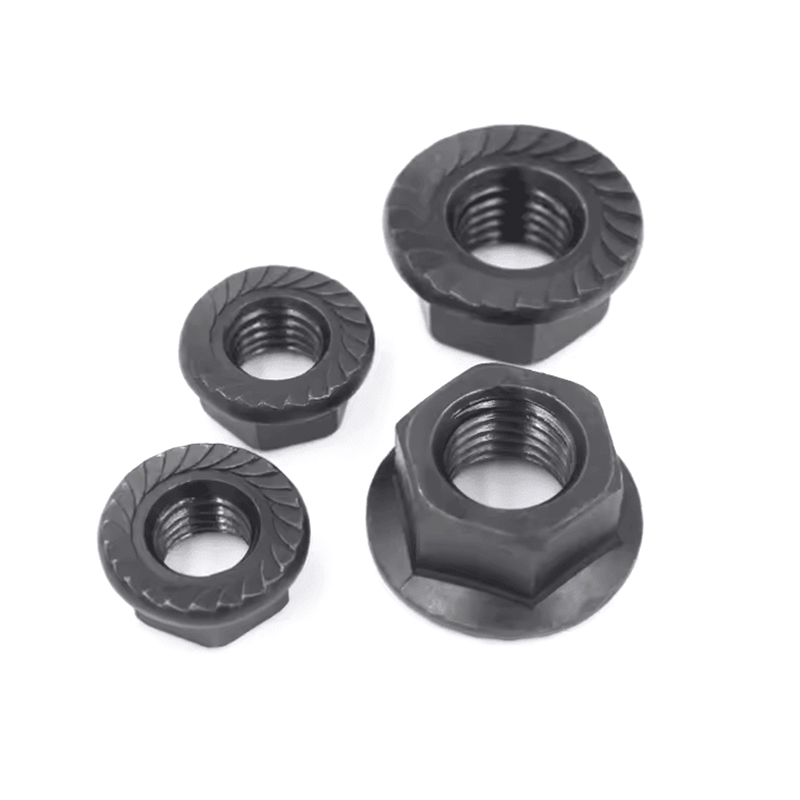 M16-1.5 Zinc Plated Hex Flange Nut Non-Slip Nuts Suppliers, Factory - Shanghai SSoverchannel - China M16-1.5 Zinc Plated Hex Flange Nut Non-Slip Nuts Suppliers and Wholesale M16-1.5 Zinc Plated Hex Flange Nut Non-Slip...View Product →
Tighten in stages and check the head. Pull the nut up to the recommended torque in the chart above. Because the square neck holds the bolt, you normally do not need a wrench on the head. Verify that the dome has not been pulled into the wood or that the neck has not popped out of its seat.
Removal. Loosen the nut with a wrench. If the bolt spins with the nut, press the head away from the wood with a flat-blade screwdriver to create friction, or clamp the dome with pliers protected by cloth. On outdoor joints, apply penetrating oil first and wait a few minutes.
Electroplated zinc is not a marine finish. In coastal or high-humidity environments, use 304 or 316 stainless steel or a hot-dip galvanized product applied to ASTM A153. For treated lumber containing copper-based preservatives such as ACQ, plain electroplated zinc will corrode faster; hot-dip galvanized or stainless steel is the safer specification.
Do not pair stainless carriage bolts directly with aluminum structural members in exposed conditions. The two metals create a galvanic cell; isolating washers, paint, or a dielectric gasket will prevent accelerated loss of the aluminum.
At least one full thread should protrude past the nut after tightening, and the nut should not bottom out on the thread run-out. Wood structures settle and move with the seasons; check torque on outdoor joints after the first few weeks and again after one full season.
For inch sizes, ASME B18.5 covers carriage bolt dimensions; for metric sizes, DIN 603 is the most common reference. If the joint must carry a rated load, verify the grade and request a material test certificate from the supplier. For non-standard lengths, unusual materials, or custom packaging, an OEM/ODM fastener partner can manufacture the part to your drawing instead of forcing you to adapt a catalog product.
Bottom line: a carriage bolt is the fastest way to build a clean, one-sided joint in wood assemblies. Size it to the load, drill a hole that lets the square neck engage, drive the head flush, and let the nut and washer handle the clamping. Follow those steps and the joint will stay put for years.
 Alloy Steel M6*20 Galvanized Hexagonal Flange Bolts
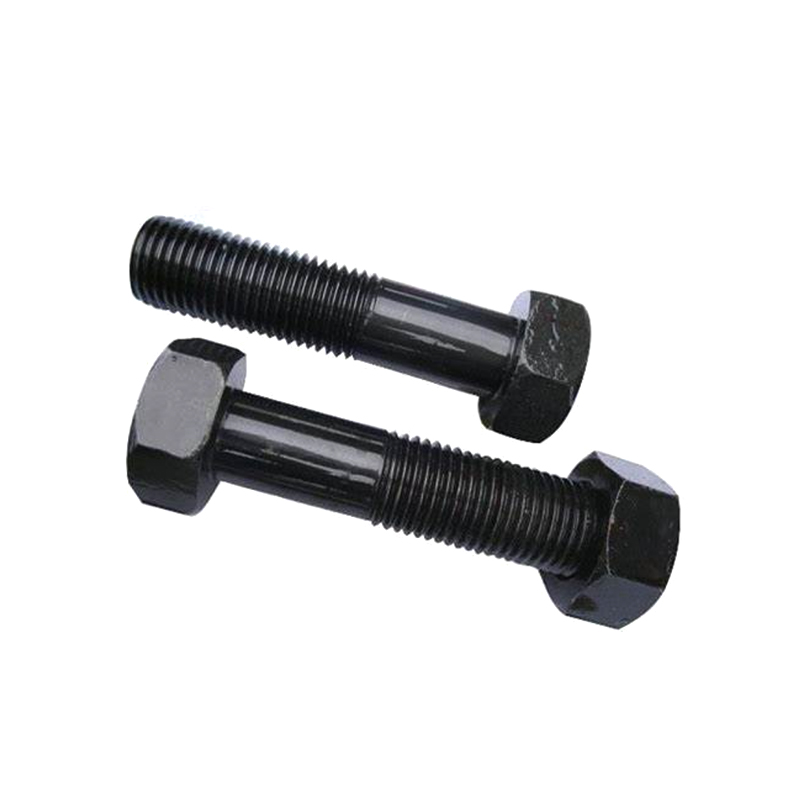 Alloy Steel M10*100 External Hex head Screw Black Oxide Bolts
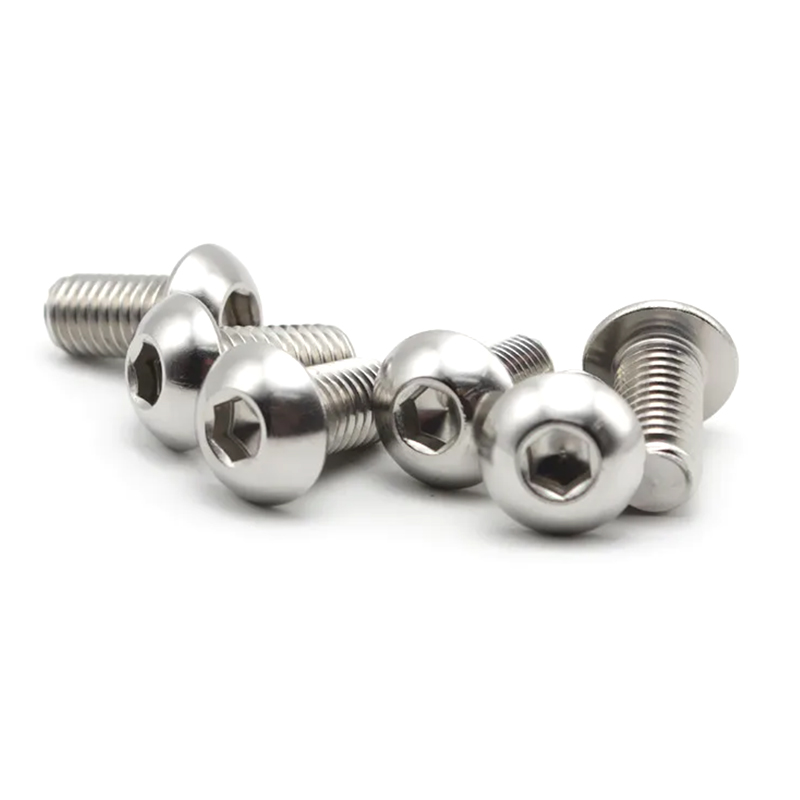 Alloy Steel M5*10 Zinc Plated Round Head Hex Socket Screw
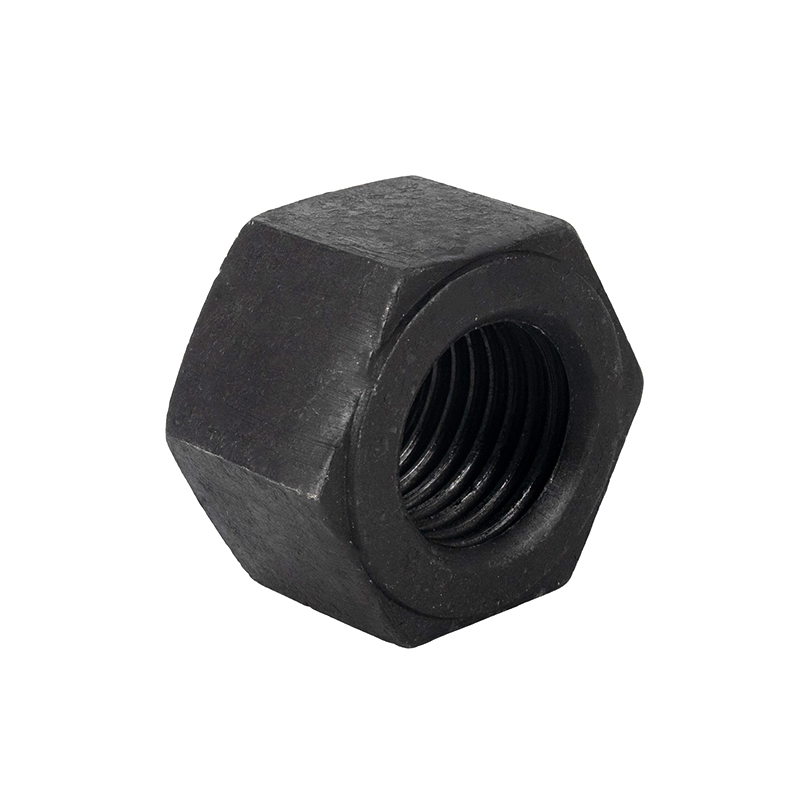 ASTM A194 B7 Black Heavy Hex Nuts
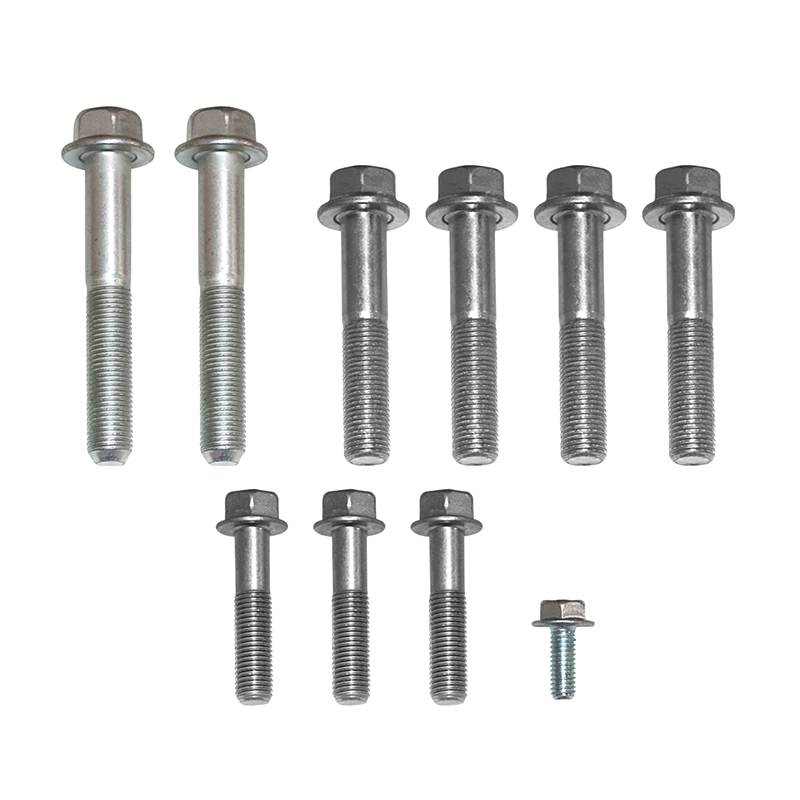 M10*160 Alloy Steel Phosphated Hex Flange Bolts
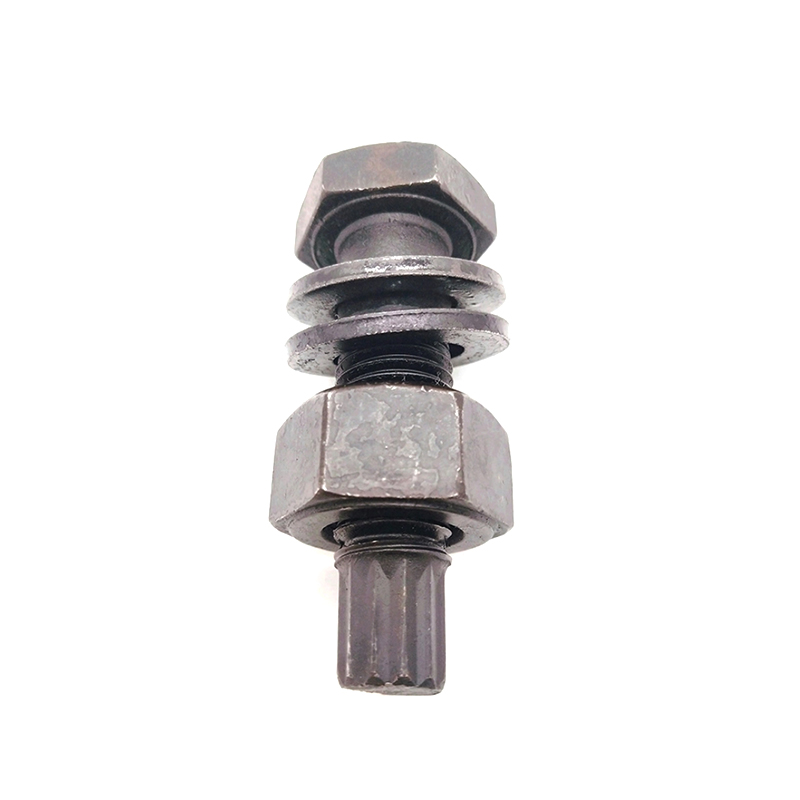 M24*200 Alloy Steel High-Strength Bolts for Steel Structure
 Contact Information
 Address



 中文简体
中文简体 Português
 Español
 Deutsch
 русский
 عربى
عربى