
Content
Short answer: choose galvanized carbon steel bolts when the environment is dry, the budget is tight, and the coating can survive handling and installation; choose stainless steel bolts when chlorides, washdown, food contact, or long maintenance intervals make coating damage likely.
The decision is not “which metal is better.” It is which failure mode you can inspect, control, and afford over the service life of the joint.
A maintenance team replacing handrail bolts on a coastal walkway can face two very different quotations: hot-dip galvanized Grade 8.8 bolts at a modest unit price, or 316 stainless bolts at three to five times that price. Both may look acceptable on paper. Eighteen months later, the difference usually shows up at cut threads, scratched heads, and bracket interfaces where the coating was damaged during installation.
That is why galvanized vs stainless steel bolts should be specified by exposure, torque demand, mating materials, and inspection access, not by a single corrosion label.
Galvanized bolts are carbon or alloy steel fasteners with a zinc coating. The zinc is sacrificial: when the coating is scratched, it corrodes preferentially and still protects the steel underneath, provided enough zinc remains. Hot-dip galvanizing to ASTM A123 or ASTM A153, or zinc plating to ASTM F1941, changes coating thickness and thread fit, so the process must match the bolt size and the joint tolerance.
Stainless steel bolts rely on a chromium-rich passive film. Grades such as 304 (A2) and 316 (A4) resist rust by forming and repairing that film, but they are not immune to chloride pitting, crevice corrosion, or staining. Grade 316 with molybdenum is the safer choice for salt spray, chemical washdown, and marine air, while 304 is usually adequate for inland indoor or mildly humid service.
The practical consequence is simple. Galvanized bolts fail visibly by red rust once the zinc is consumed. Stainless bolts often fail quietly by pitting or crevice attack at gaskets, washers, and trapped moisture zones. If inspection access is poor, the quieter failure mode deserves more weight. For a broader review of coating choices, this surface treatment selection guide is useful because it separates zinc thickness, passivation, and topcoat effects.
Hot-dip galvanizing adds roughly 50–80 µm per surface, which can bridge small threads. ISO 10684 and common practice often make hot-dip less practical below M8 unless threads are tapped, spun, or specified with allowance. Zinc plating stays thinner and preserves fit, but it gives less sacrificial zinc.
A Grade 8.8 carbon steel bolt has a nominal yield around 640 MPa. Annealed 304 and 316 stainless bolts are often closer to 200–250 MPa yield unless supplied in a higher-strength condition. Stainless also galls easily, so torque values must reflect lubricant and thread condition, not just the property class.
Putting stainless nuts on galvanized bolts in wet chloride service is generally not recommended. The stainless fastener acts as a cathode and can accelerate zinc loss at the thread and under the washer. Use matched systems, isolation washers, or a suitable sealant when mixed materials cannot be avoided.
High-strength electroplated bolts also carry hydrogen embrittlement risk. If the specification calls for Grade 10.9 or 12.9 with electroplating, baking and lot traceability are not optional details. Hot-dip galvanizing and mechanical zinc reduce that specific risk, but they introduce thread-fit and coating-thickness controls instead.
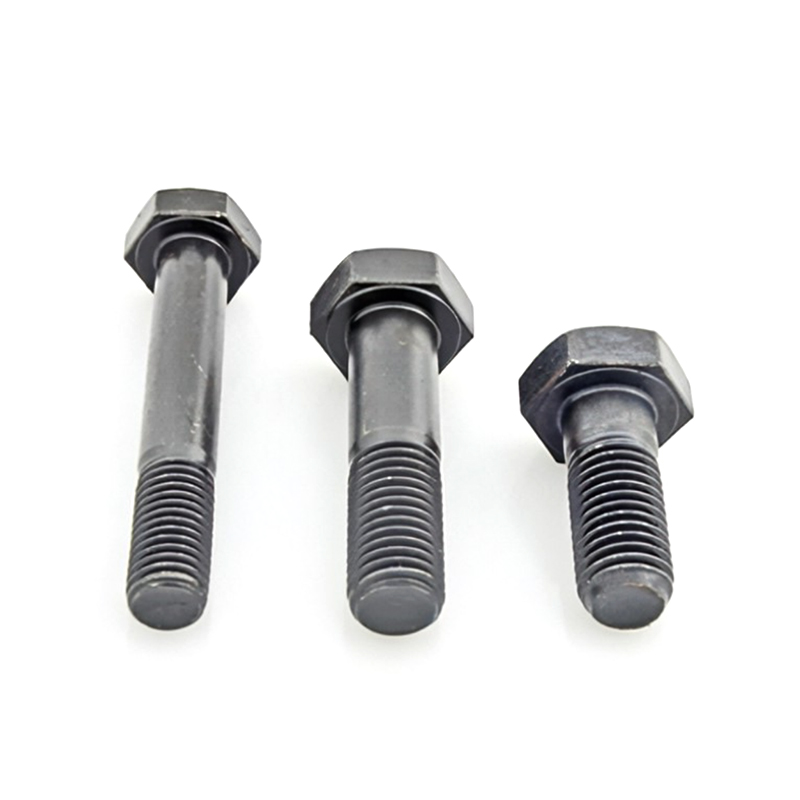 M6×100 Galvanized Carbon Steel Hex BoltsStandard M6×100 hex-head bolts in carbon steel with galvanized finish and Grade 8.8 option for light-to-medium industrial assemblies; salt-spray results are not outdoor service-life guarantees.View Product →
Neutral salt spray testing to ASTM B117 is useful for ranking coatings, but it is not a service-life guarantee. A 720-hour result does not mean 720 hours outdoors. It means the coating survived a standardized fog environment longer than a lower-hour sample under the same test conditions.
Zinc plated
96–200 h
Hot-dip
500–1,000 h
304 stainless
pitting risk
316 stainless
higher chloride margin
Illustrative salt spray ranges for specification discussion. Stainless grades are judged by staining and pitting, not only red rust, so the bars are not directly interchangeable.
The hidden indicator is coating thickness distribution, not just average thickness. Thin spots at thread roots, under heads, and at cut ends become the first rust sites. Ask for coating mass or thickness test reports by lot, and check whether threads were cut before or after galvanizing.
Illustrative specification mix
This is an illustrative split for discussion, not a market statistic. The point is that the same bolt family is asked to perform in very different exposure classes.
In general fabrication, galvanized Grade 8.8 bolts are often the economical default. In coastal and chemical service, 316 stainless is usually easier to defend. Automotive and transport applications may accept zinc-flake or geometrically galvanized coatings where appearance and thread fit matter. Food and clean environments often require stainless for washdown and chemical compatibility, not because carbon steel cannot carry the load.
Record chloride level, washdown frequency, pH, temperature, trapped moisture, and cleaning chemicals. “Outdoor” is not a specification.
Check property class, proof load, and the torque actually used. Stainless galling and galvanized friction can both change clamp load.
For small threads, plating or stainless may be more practical than hot-dip. For heavy structural bolts, hot-dip plus proper thread allowance is common.
Avoid stainless-to-galvanized couples in wet chloride service unless isolated. Aluminum contact also needs attention because stainless can accelerate aluminum corrosion.
Confirm socket fit, thread engagement, lubricant, and touch-up procedure. Coating damage during installation is a procurement risk, not just a workshop issue.
Request material certificates, coating thickness or mass results, salt spray reports, and lot traceability. A test report without a lot number is hard to use in a claim.
If the application is a structural or outdoor joint where hot-dip coating is the selected route, verify the grade and coating together. This hot-dip galvanized Grade 8.8 hex bolt reference is a useful starting point for checking thread allowance, coating condition, and property class in one specification.
 Grade 8.8 M8×100 Hot-Dip Galvanized Hex BoltsGrade 8.8 M8×100 alloy steel hex bolts with hot-dip galvanizing for outdoor structural joints; check thread allowance, coating condition, and property class together.View Product →
Galvanized bolts need a maintenance plan: inspect cut threads, scratched heads, and bracket interfaces after installation; touch up with zinc-rich paint when the coating is breached; and re-check torque after thermal cycling. Stainless bolts need a different plan: avoid chloride traps, use anti-seize on threads where galling is likely, and do not assume that a shiny head means the thread root is clean.
Compliance also affects the choice. EU buyers increasingly ask for carbon reporting and material traceability, and the CBAM transition pushes fastener suppliers to document steel origin and emissions. REACH and RoHS questions may apply to coatings and lubricants. For stainless, grade certificates and heat numbers matter because 304 and 316 are not interchangeable in chloride service.
The hidden cost is usually not the bolt price. It is the access equipment, downtime, and inspection labor needed to replace a joint that was specified on first cost alone. A stainless bolt that avoids two maintenance cycles can be cheaper than a galvanized bolt that rusts at a walkway bracket every three years.
 Stainless Steel 304 DIN 6921 Hex Flange BoltsAISI 304 (A2) hex flange bolts in M5–M20 with A2-70 strength for corrosion-resistant construction fastening; stainless can suit chloride exposure or costly maintenance access.View Product →
For dry, inland, cost-sensitive assemblies, galvanized carbon steel bolts are often the practical choice, provided the coating is specified by standard, the threads fit, and damaged areas can be inspected. For chloride exposure, washdown, chemical contact, food areas, or joints where maintenance access is expensive, stainless steel bolts—usually 316—are the lower-risk specification. The worst outcome is mixing the two without accounting for galvanic coupling, thread galling, and the different way each material fails.
Select by exposure and failure mode first. Then compare coating thickness, property class, test reports, and installed cost. That sequence keeps galvanized vs stainless steel bolts from becoming a false choice between “cheap” and “corrosion-proof.”
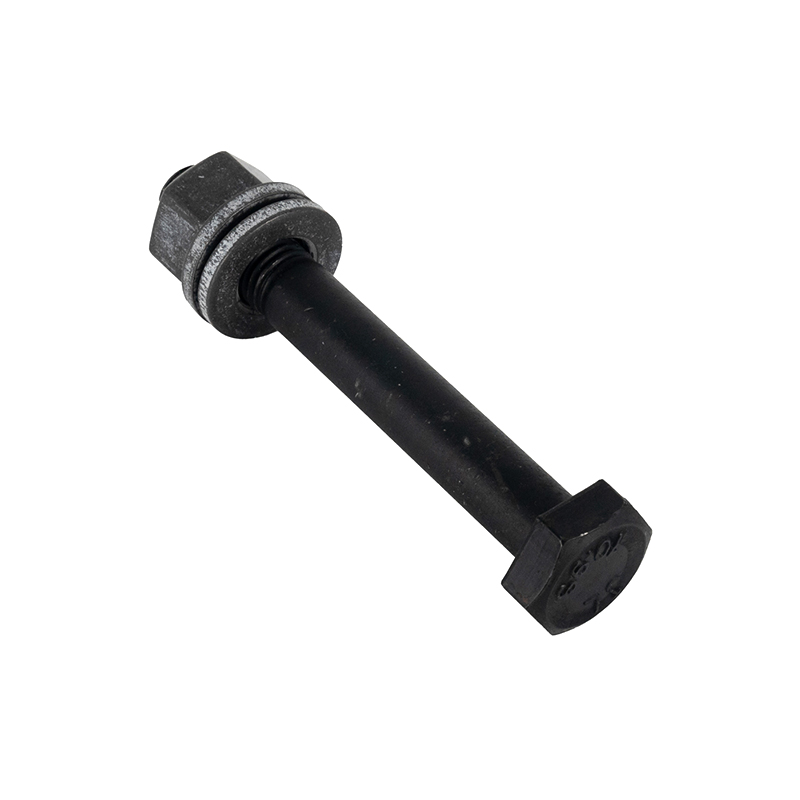 Steel Structure M20*120 Zinc Plated High-Strength Bolts
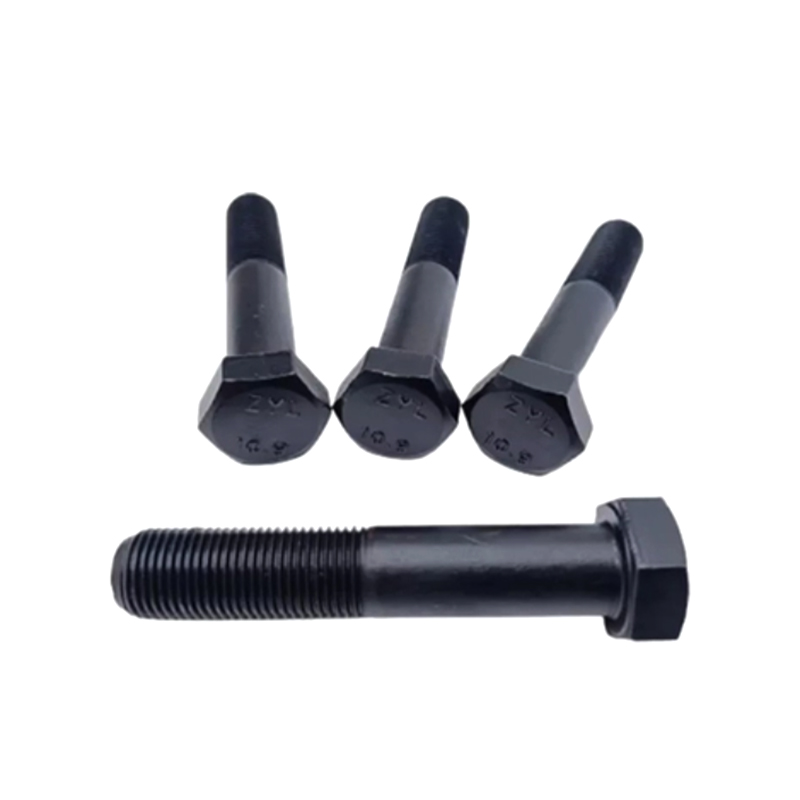 Grade 8.8 M8*100 Alloy Steel Hot Dip Galvanized External Hexagon Bolts
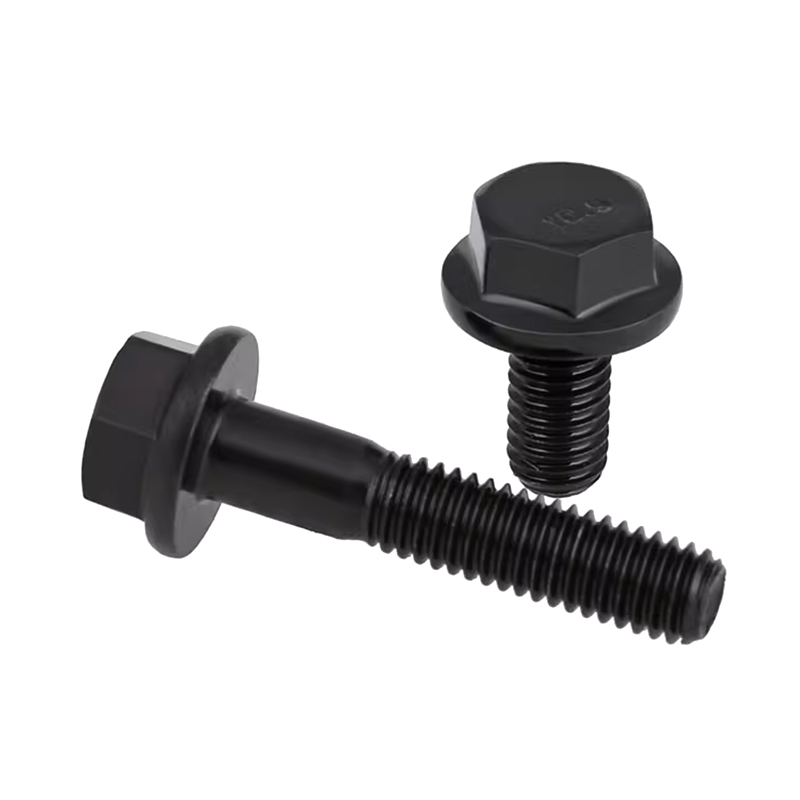 Alloy Steel M6*20 Galvanized Hexagonal Flange Bolts
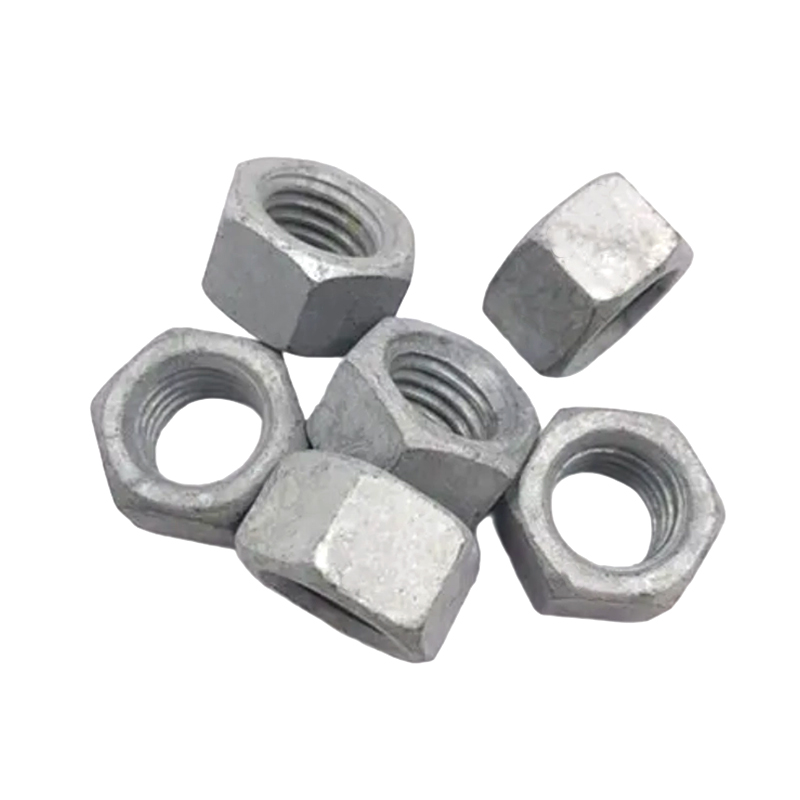 Stainless Steel 304 Plain Heavy Hex Jam Nuts
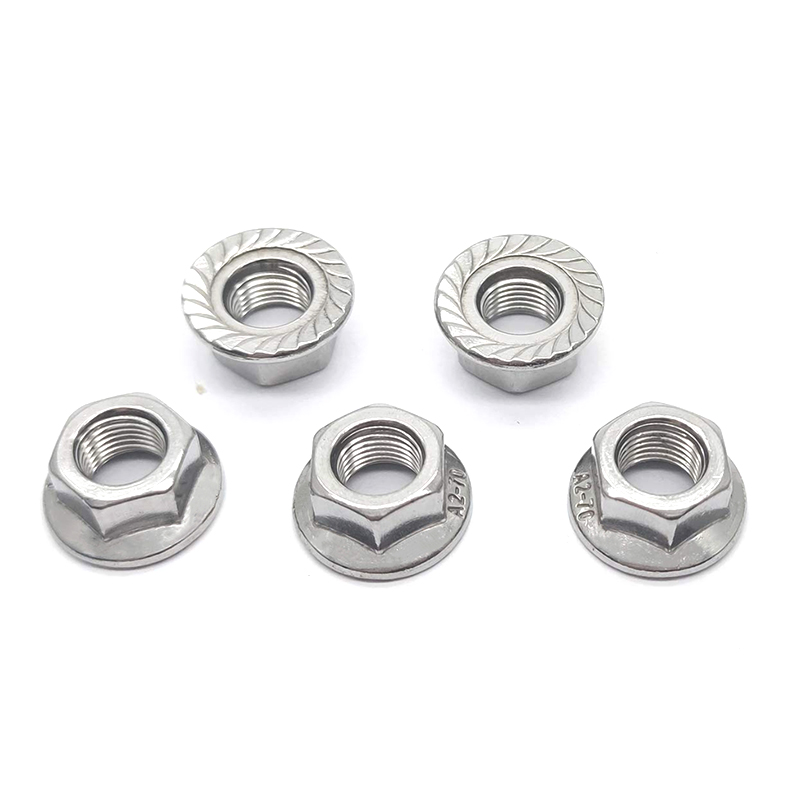 Stainless Steel 304 Plain Hex Flange Nut Non-Slip Nuts
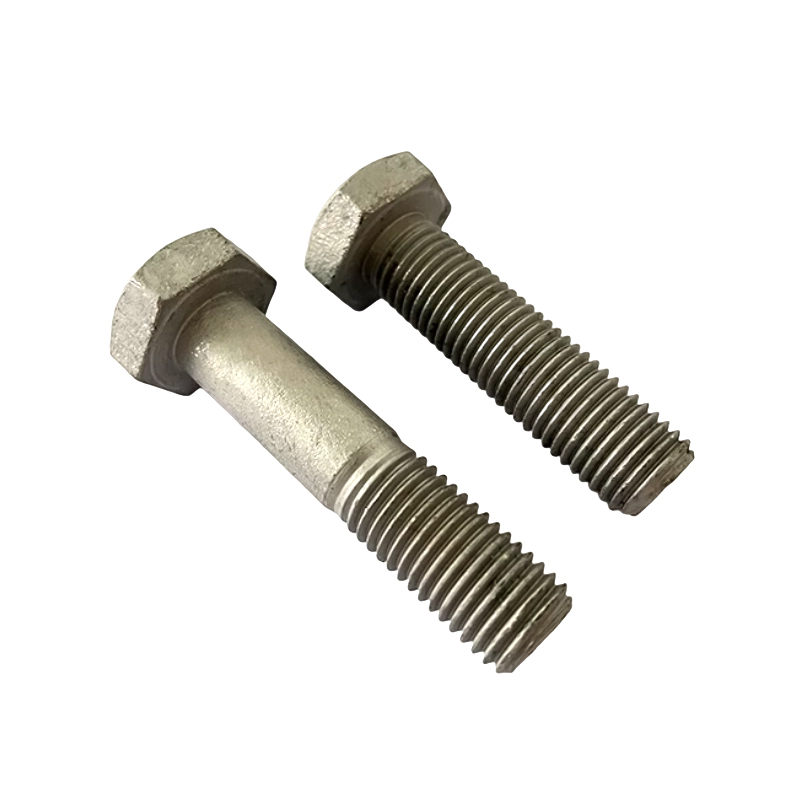 M6*100 Carbon Steel Galvanized External Hex Bolts
 Contact Information
 Address


 中文简体
 Português
 Español
 Deutsch
 русский
 عربى