
Content
A jack screw — also written as jackscrew or screw jack — is a mechanical fastener and linear motion actuator that converts rotary motion into controlled linear displacement. In practical terms, turning the screw causes a load to move up or down with precision, making jackscrews indispensable across automotive, aerospace, industrial, and electronic applications. Unlike hydraulic systems, which require constant pressure to hold a load in place, jackscrews are inherently self-locking: once the rotational force is removed, the screw stays put regardless of the load it supports, making them both safer and lower-maintenance in many real-world settings.
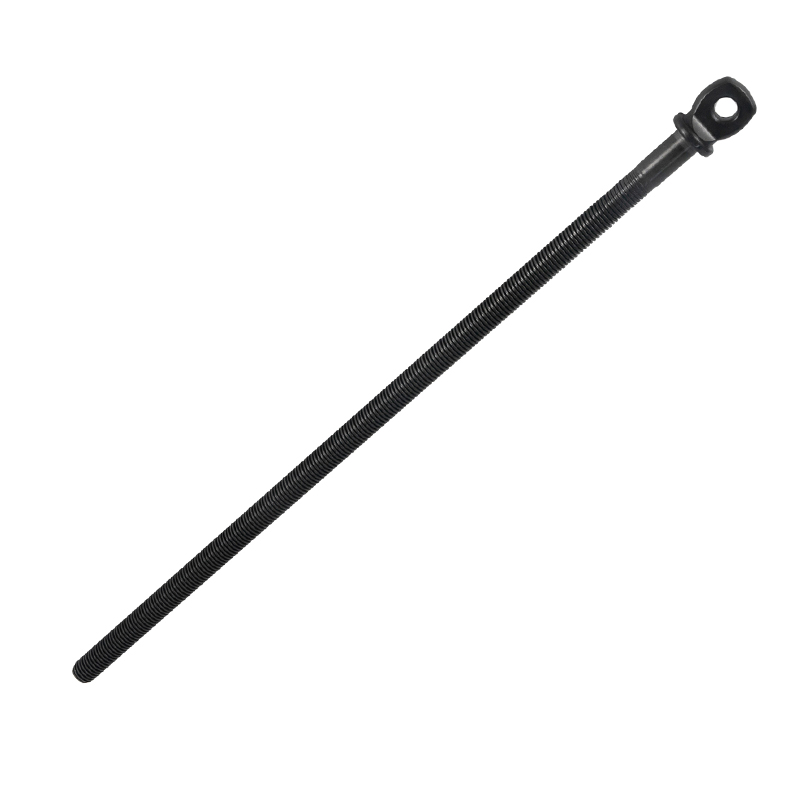
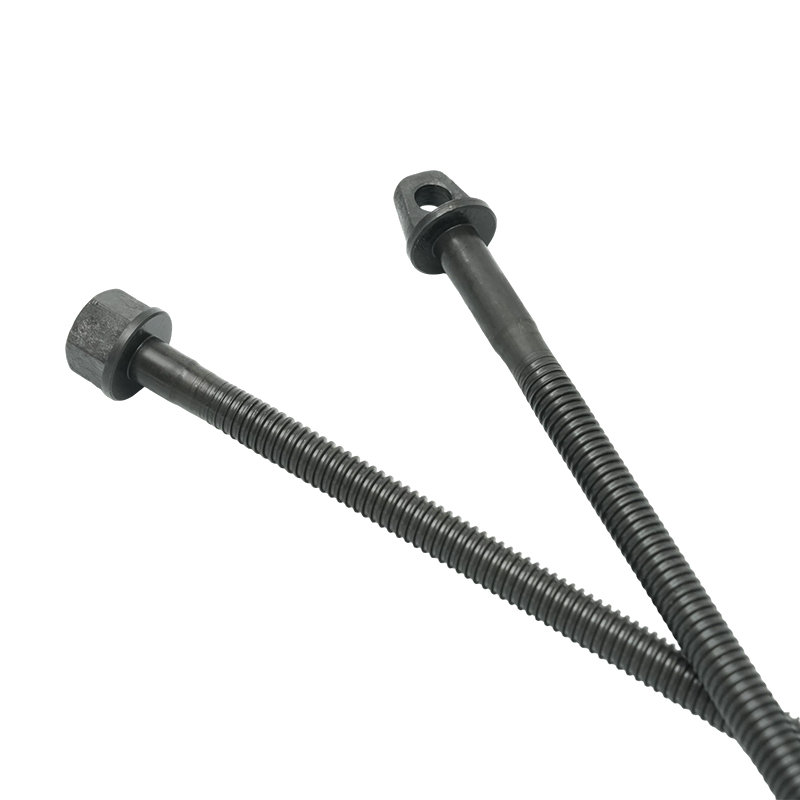
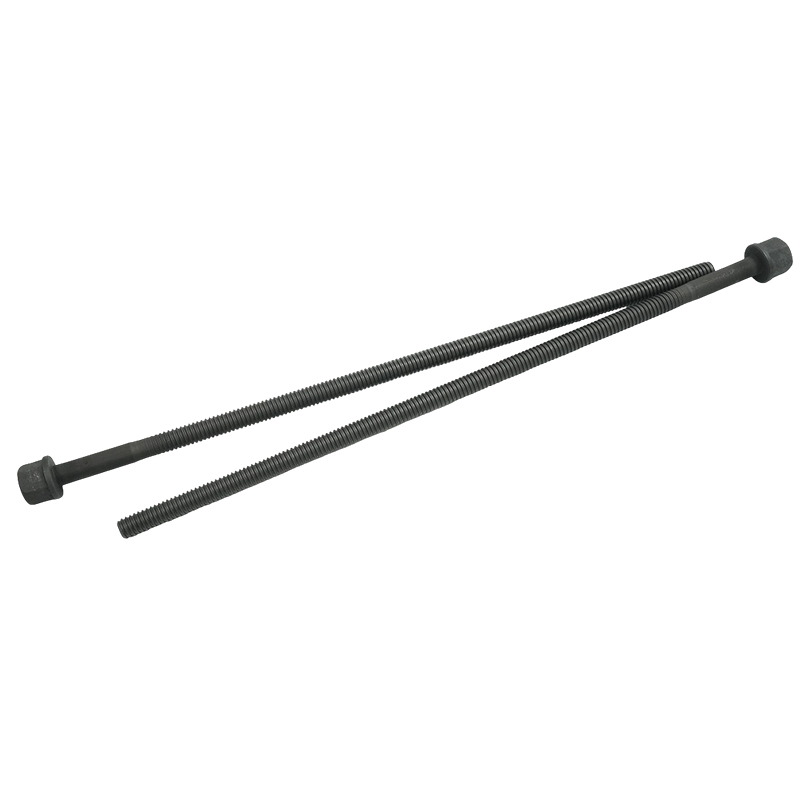
At its most basic level, a jackscrew consists of a threaded rod or stud paired with a nut or threaded housing. The thread geometry — whether Acme, square, or ball-type — determines the efficiency, load capacity, and backdrive resistance of the assembly. This structural simplicity is what makes jackscrews so versatile: the same fundamental principle that lifts a car off the ground also adjusts an aircraft's horizontal stabilizer or holds a circuit board's D-sub connector in place.
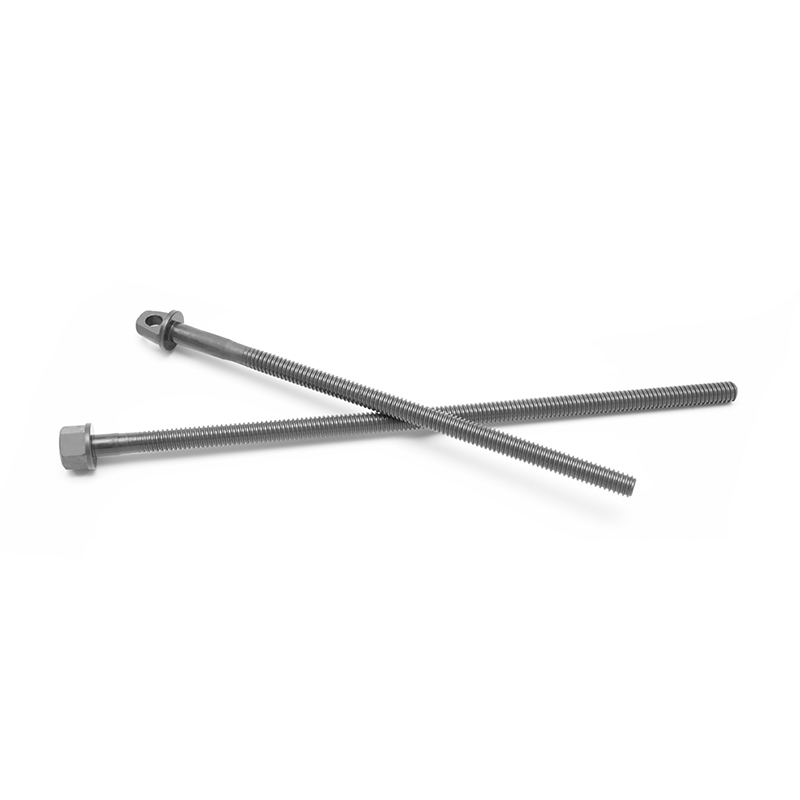
Understanding how do jackscrews work starts with the wedge principle. The helical thread on a jackscrew acts as a continuous inclined plane wrapped around a cylinder. When torque is applied — by hand, lever, or motor — the thread engages the mating nut and translates that rotational energy into axial force along the screw's centerline. The mechanical advantage gained is directly related to the thread pitch (the distance between thread crests) and the radius at which the input force is applied.
There are two primary operating configurations:
Friction plays a dual role in jackscrew mechanics. High thread friction reduces efficiency (typically 30–50% for standard lead screws) but also provides self-locking behavior. Ball screw variants reduce friction significantly through rolling contact, improving efficiency to 90% or more — though this comes at the cost of backdrive resistance, requiring a brake in applications where the load must be held stationary.
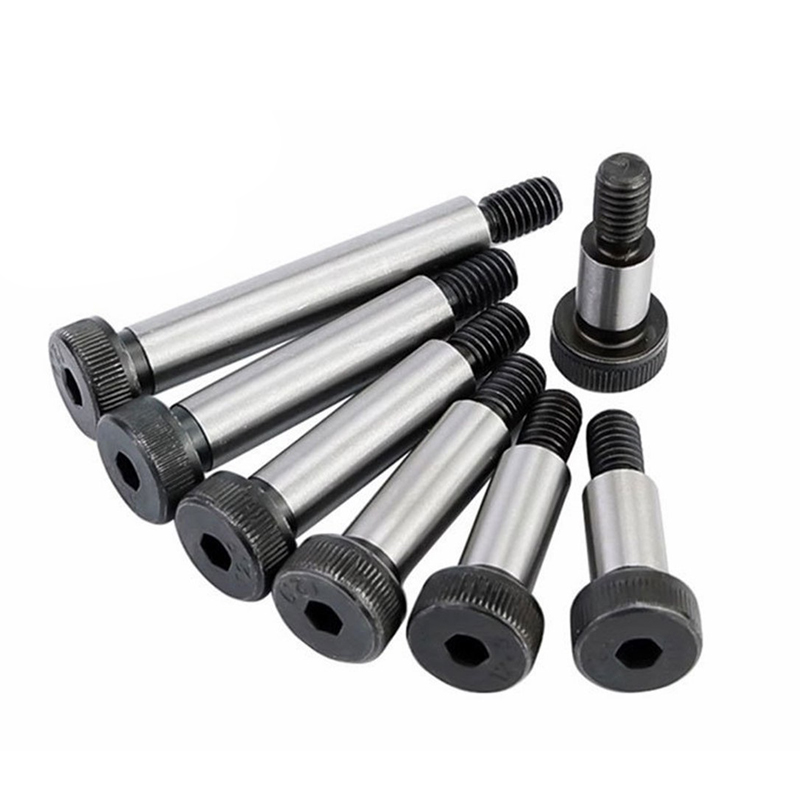
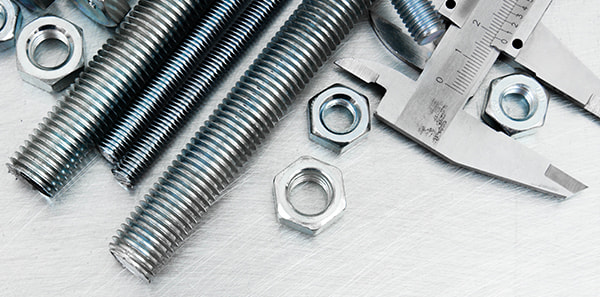
Jackscrews are available in a wide range of designs to match different load, speed, and environmental requirements. Thread rods and studs — the core components of most jackscrew assemblies — come in several forms:
| Type | Thread Profile | Best For |
| Acme Lead Screw | Trapezoidal | Heavy loads, automotive jacks |
| Square Lead Screw | Square | High efficiency, low side-load |
| Ball Screw | Gothic arch | Precision positioning, CNC, robotics |
| Male-Female Standoff | Internal + External | Electronics, PCB assemblies, connectors |
Male-female standoff jackscrews deserve particular mention in electronics applications. They feature both internal and external threads, allowing them to bridge components with different thread specifications — commonly seen on D-subminiature (D-sub) connectors where they secure the two halves of the connector, prevent accidental disconnection, and absorb the large insertion/extraction forces involved.
The material of a jackscrew's thread rod directly affects its load capacity, corrosion resistance, and service life. Two materials dominate the market:
Carbon steel thread rods offer superior tensile strength, making them the go-to choice for heavy-load applications such as automotive jacks and industrial lifting assemblies. Higher carbon content increases hardness, which is especially valuable in applications with repeated stress cycles. Heat treatment — such as quenching and tempering — further enhances thread wear resistance, extending service life under demanding conditions. Carbon steel jackscrews are typically finished with phosphating, electrophoretic coating (e-coat), or galvanization to provide corrosion protection in environments where bare steel would be vulnerable.
Stainless steel thread rods (defined by a chromium content of 10.5% or higher) form a passive oxide layer that resists rust and corrosion without additional surface treatments. This makes them the preferred choice for food processing equipment, marine environments, medical devices, and any assembly where contamination from rust is unacceptable. While stainless steel is generally less hard than heat-treated carbon steel, certain grades (such as 316 or 17-4 PH) can achieve strength levels that rival mid-grade carbon steels, offering the best of both worlds.
Traditional thread rod manufacturing often relies on cutting or hot punching, which removes or displaces material in ways that can introduce micro-cracks, surface defects, and dimensional inconsistencies. Cold heading technology takes a fundamentally different approach: the material is formed at room temperature in a single stroke, with no material removed. The metal fibers flow continuously through the part, resulting in a denser, stronger grain structure compared to cut threads.
The practical advantages for jackscrew components are significant:
Even high-quality base materials benefit from appropriate surface treatment, particularly when the jackscrew will operate in corrosive, high-humidity, or chemically active environments. Three treatments are especially relevant for thread rods used in jackscrew assemblies:
The versatility of jackscrews means they appear across a remarkably wide range of industries. Some of the most important include:
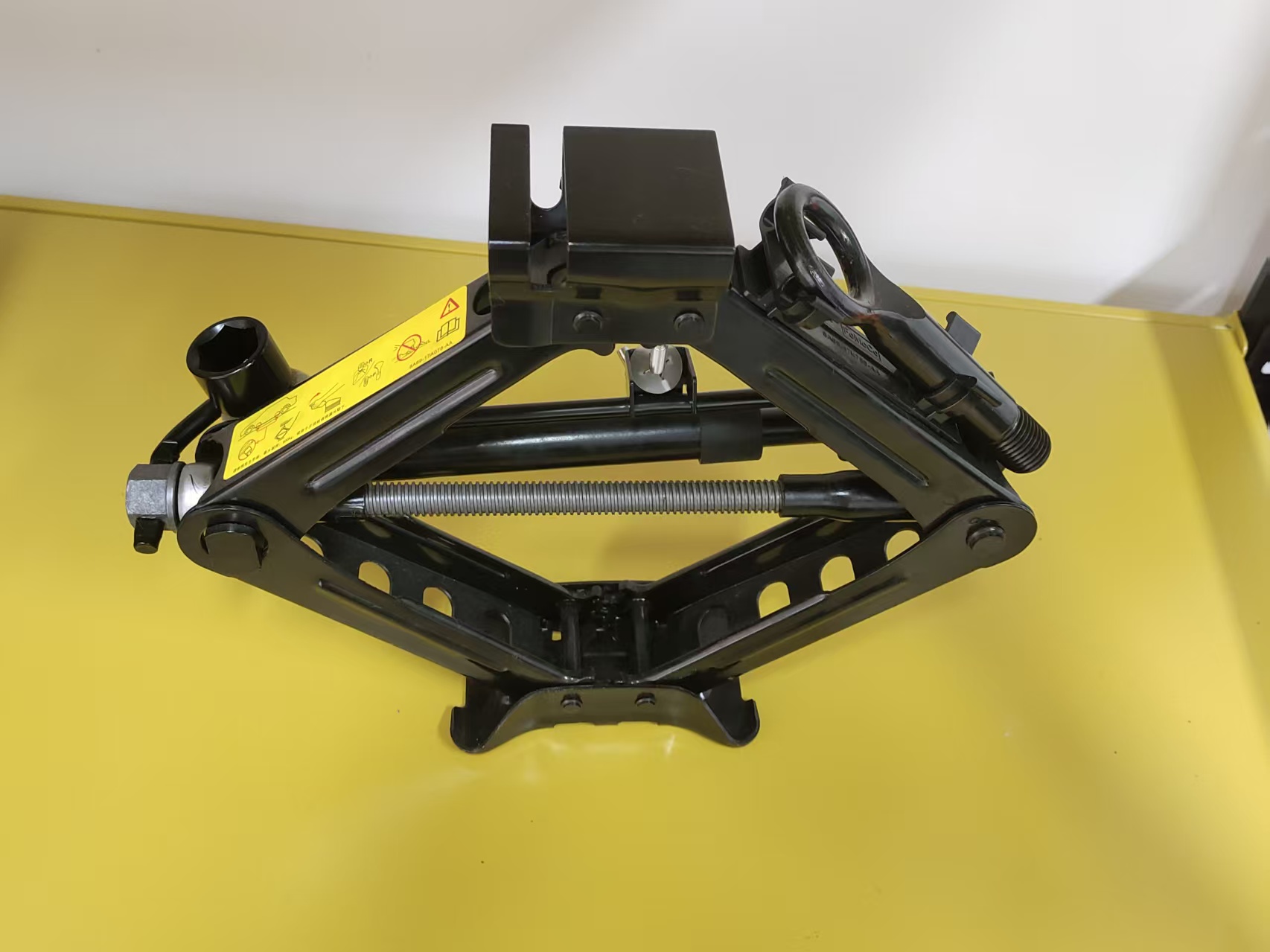
Thread rods and studs are core structural elements in fuel-powered car jack assemblies for major brands including Ford and Volkswagen. The support rod in a scissor jack, for example, is a precisely dimensioned jackscrew that must withstand both the compressive load of the vehicle and the bending stresses introduced during operation. Cold-headed carbon steel rods — often phosphate-coated and painted — are the standard choice for this application, offering the strength and dimensional consistency needed to meet OEM specifications.
Elevators and vertical lifting platforms rely on jackscrew assemblies to provide controlled, repeatable linear displacement. In these systems, the self-locking property of the screw thread is a critical safety feature — the platform must hold its position without power. Stainless steel or coated carbon steel thread rods are commonly specified to handle the load cycles and environmental exposure typical of elevator shafts.
Wherever precise linear displacement is needed — adjusting machine tool tables, positioning jigs and fixtures, tensioning conveyor systems — jackscrews provide a reliable, low-backlash solution. The length flexibility offered by cold-heading (14mm to 500mm in a single forming step) means that thread rods can be specified to match the exact stroke length required by the application, eliminating the need for costly custom machining.
Choosing the correct thread rod or jackscrew assembly for your application requires balancing several interrelated factors:
By aligning these variables with your application requirements, you can specify a jackscrew thread rod that delivers reliable performance over its full service life — whether that means lifting a car, positioning an elevator, or securing a precision connector in an industrial control panel.
 Contact Information
 Address



 中文简体
中文简体 Português
 Español
 Deutsch
 русский
 عربى
عربى