
Content
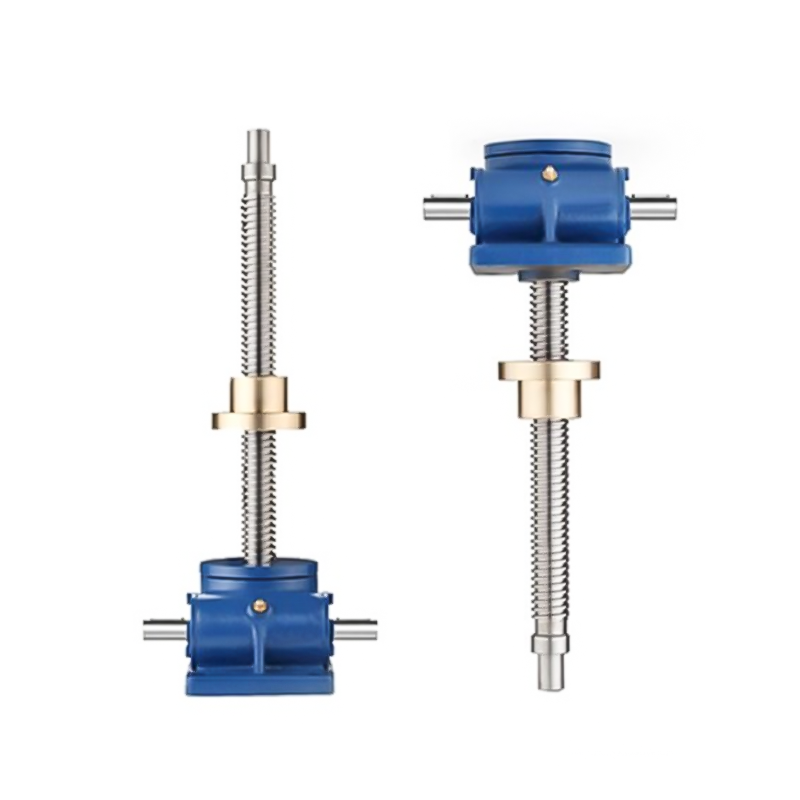
A machine screw jack converts rotary motion into precise linear displacement through the principle of spiral transmission. When an input shaft — driven by an electric motor and reducer — rotates the worm gear assembly, the lifting screw is forced to translate axially, pushing or retracting the load platform with controlled, continuous movement. The mechanical relationship between screw lead and input rotation means that every degree of motor rotation produces a defined, repeatable increment of vertical travel, which is the foundation of the screw jack's reputation for positioning accuracy in demanding industrial environments.
Within the assembly, sliding bearings positioned between the screw shaft and the lifting platform serve a dual function: they transmit both power and displacement while reducing friction losses at the interface between the rotating screw and the load-bearing structure. This bearing arrangement allows the platform to ascend or descend smoothly without lateral deflection or stick-slip behavior, even under asymmetric loading conditions. The result is a linear motion profile that remains consistent across the full travel range — a characteristic that separates quality machine screw jacks from hydraulic alternatives that can exhibit drift and settling under sustained loads.
The reducer coupled between the motor and the jack input shaft serves two purposes: it multiplies available torque to move heavier loads, and it reduces the rotational speed at the worm gear input to a range that maximizes mechanical efficiency. Most industrial worm gear reducers used in screw jack applications operate at ratios between 5:1 and 50:1, with the selection depending on required travel speed, load magnitude, and motor output characteristics.
One of the most operationally significant properties of a lifting screw jack is its inherent self-locking behavior. Unlike hydraulic cylinders that require an external valve or accumulator to hold position under load, a self-locking screw jack maintains its position the moment the driving motor stops — with no additional braking hardware required. This characteristic stems directly from the geometry of the screw thread: when the lead angle of the thread is smaller than the friction angle of the screw-nut interface, back-driving force from the load cannot overcome static friction to reverse the screw's direction.
In practical terms, self-locking makes lifting screw jacks the preferred choice for applications where the load must be held at a fixed height for extended periods — maintenance platforms, adjustable work tables, solar tracker supports, and precision alignment fixtures among them. There is no power consumption required to maintain position, no risk of slow creep under sustained load, and no dependence on external locking mechanisms that could fail independently of the jack itself.
It is important to note that self-locking is a function of lead angle, not simply screw thread type. Single-lead screws in standard worm gear machine screw jack configurations are self-locking. Double-lead screws, used when higher travel speeds are required, typically are not self-locking and require brake motors or external locking devices to hold position safely. Specifying the correct lead configuration for the application's holding requirement is therefore a critical selection step — not a detail to defer until installation.
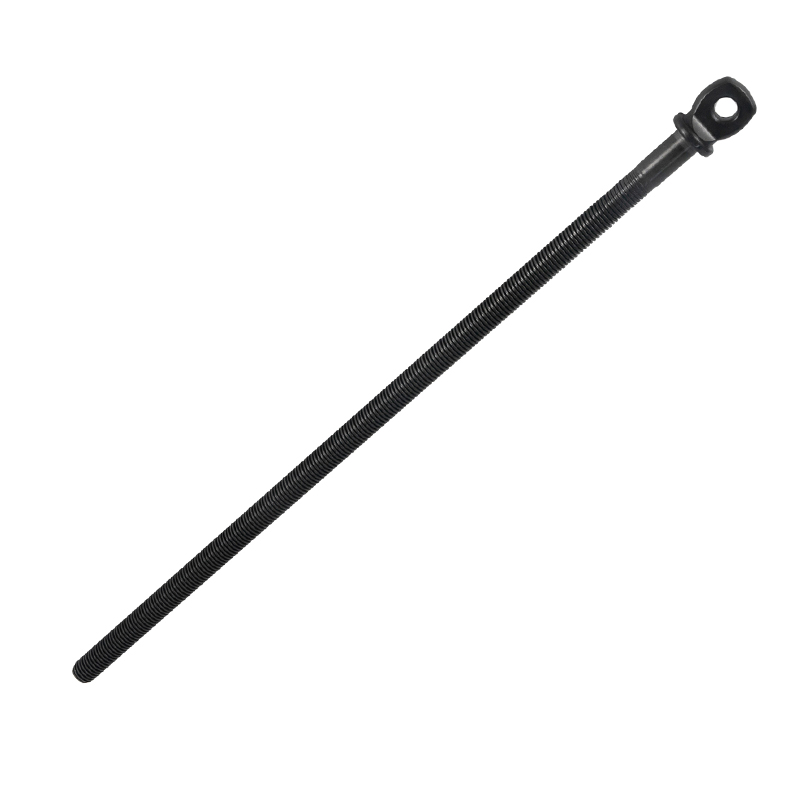
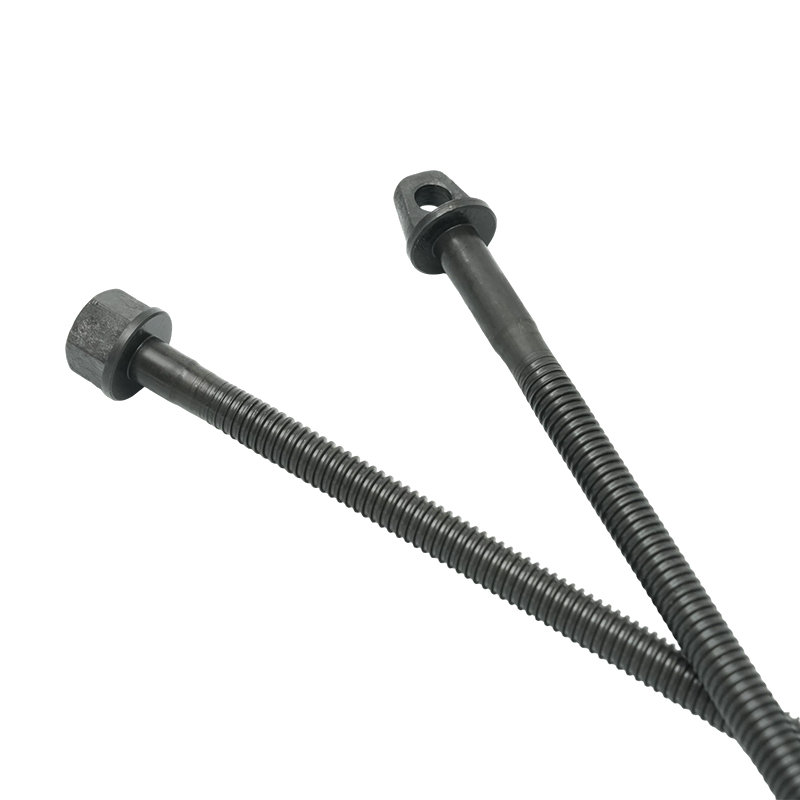
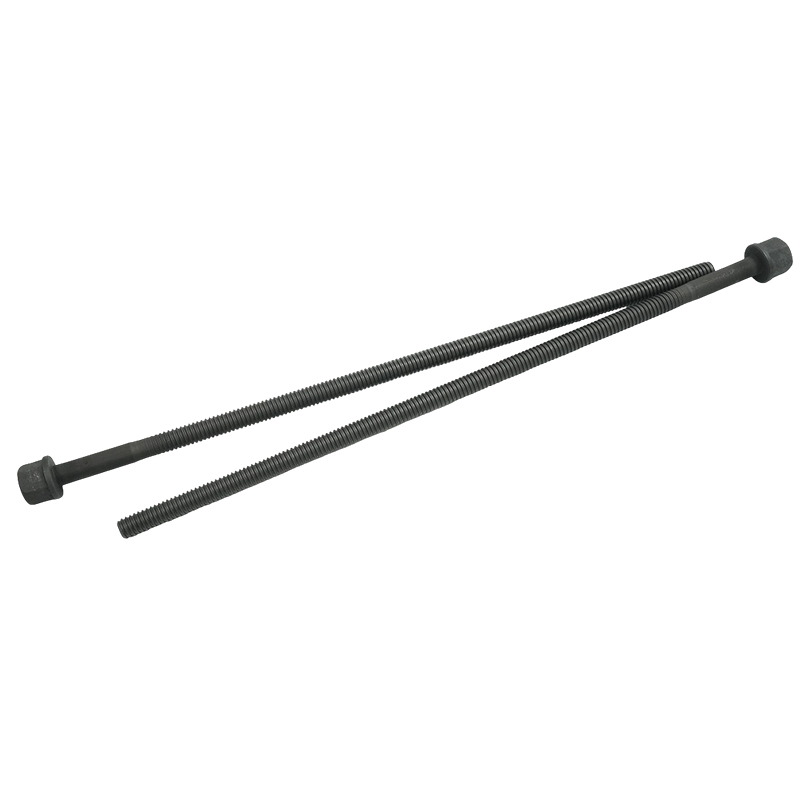
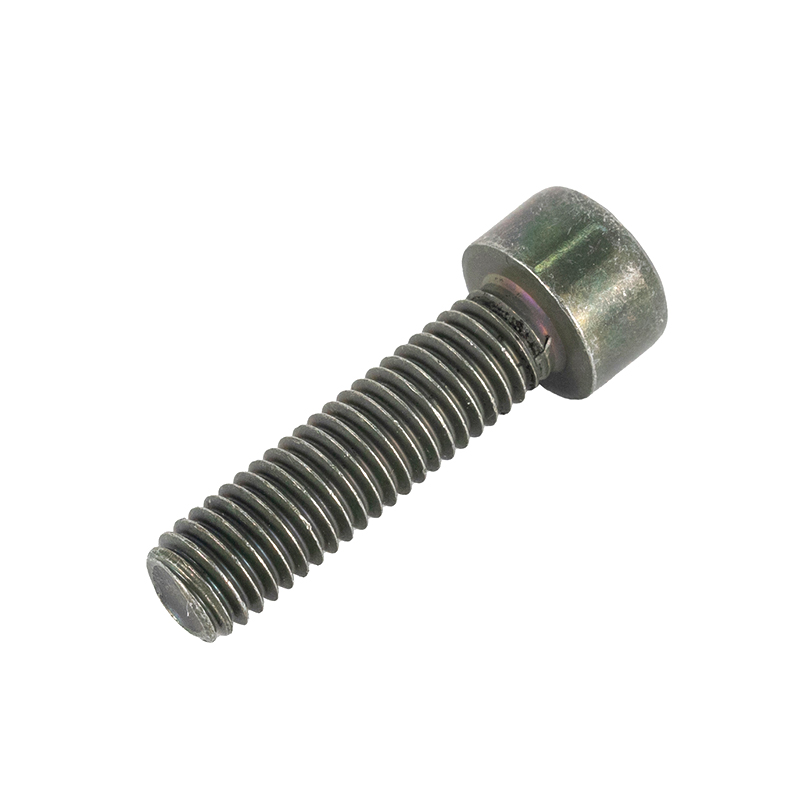
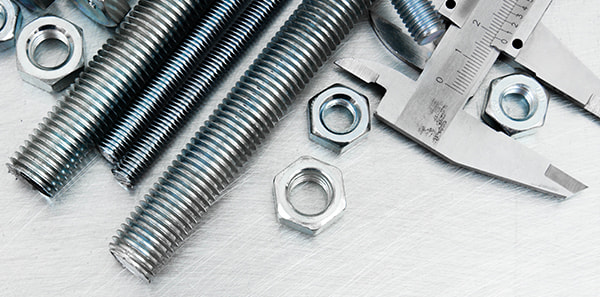
The performance ceiling of any lifting screw jack system is determined primarily by the quality of the screw rod itself. A high precision screw rod — manufactured with tight tolerances on lead accuracy, straightness, and surface finish — ensures that positional repeatability remains consistent across thousands of operating cycles. Conversely, a screw rod with accumulated lead error, surface roughness, or geometric deviation introduces positioning offset that compounds over travel distance, making precise motion control impossible regardless of how sophisticated the motor control system is.
Key manufacturing parameters that define screw rod precision include:
Stable quality across production batches is equally important for procurement teams sourcing screw jacks for fleet replacement or multi-unit system builds. Variation between batches — in hardness, surface finish, or dimensional tolerance — introduces inconsistency in system behavior that is difficult to diagnose once equipment is installed. Suppliers with documented process controls and outgoing quality inspection protocols provide the traceability needed to verify batch-to-batch consistency before components enter service.
Beyond precision and self-locking, lifting screw jacks offer a combination of structural and operational advantages that make them genuinely competitive with hydraulic and pneumatic alternatives across a broad range of industrial lifting applications. These advantages are not marketing claims — they reflect concrete engineering trade-offs that favor the screw jack format in specific operating conditions.
| Advantage | Practical Implication | Comparison vs. Hydraulic |
|---|---|---|
| Simple structure | Fewer components, lower assembly complexity | No hydraulic lines, seals, or fluid management |
| Easy maintenance | Periodic lubrication; no fluid changes | Eliminates oil contamination and leak risk |
| Compact size | Small footprint fits constrained installations | No pump unit or reservoir space required |
| Self-locking | Holds position without power or brake | Hydraulic requires counterbalance valve to hold |
| High stability | No position drift or load-induced settling | Hydraulic can creep under sustained pressure |
| Positioning accuracy | Repeatable to within fractions of a millimeter | Exceeds typical hydraulic positional repeatability |
The compact form factor of a machine screw jack is particularly relevant in retrofit and upgrade projects where available installation space is limited. A worm gear screw jack unit can typically be mounted in upright or inverted orientation, and multiple jacks can be mechanically synchronized through a common driveshaft to lift a shared load platform evenly — without the complexity of a hydraulic manifold system balancing pressure across multiple cylinders.
Specifying a lifting screw jack correctly requires working through a structured set of application parameters before consulting product data sheets. Starting with the wrong assumption — typically underestimating dynamic load or overestimating available duty cycle — leads to premature component wear and system downtime that could have been avoided at the design stage.
Static thrust capacity is the rated load a screw jack can support in compression or tension at rest. Dynamic load — the force acting on the jack during motion — is typically lower but must account for acceleration forces and load eccentricity. Travel speed is determined by the product of screw lead and input shaft RPM; applications requiring faster cycle times may require a double-lead screw or a ball screw jack rather than a standard single-lead machine screw jack. Total rise (travel distance) affects screw rod length and, critically, the column load capacity when the screw is extended — longer exposed screws buckle at lower axial loads, requiring a larger diameter or intermediate support guide.
Heat accumulates at the screw-nut interface during operation due to sliding friction between the thread flanks. Machine screw jacks must operate within specified duty cycles — defined as a ratio of running time to total cycle time — to allow thermal dissipation between operating periods. Exceeding the rated duty cycle accelerates lubricant degradation and accelerates thread wear in the nut, which is a consumable component in high-cycle applications. For continuous or near-continuous duty, ball screw jacks offer significantly lower friction and heat generation, making them the appropriate choice when the application's cycle demands exceed what a sliding-contact machine screw jack can handle without excessive maintenance intervals.
For buyers sourcing high precision lifting screw jacks for multi-unit systems — conveyor adjustments, synchronized platform lifts, antenna positioning structures — the combination of tight screw rod tolerances, verified self-locking performance, and documented load ratings across the full travel range provides the technical foundation needed to build reliable, long-service systems with predictable maintenance schedules and minimal unplanned downtime.
 Contact Information
 Address



 中文简体
中文简体 Português
 Español
 Deutsch
 русский
 عربى
عربى