
Content
When a driver pulls over on the side of the road and reaches for a scissor car jack, the last thing on their mind is the engineering inside it. Yet the performance, safety, and longevity of that jack depend almost entirely on a single component: the jack bolt. Also referred to as a lead screw or thread rod, this elongated fastener converts manual rotational force into the vertical lift that raises a vehicle off the ground. At Soverchannel Industrial CO.,Ltd., we specialize in manufacturing and wholesale supply of these precision-engineered components — and we believe buyers deserve a thorough understanding of what separates a reliable jack bolt from a failure waiting to happen.
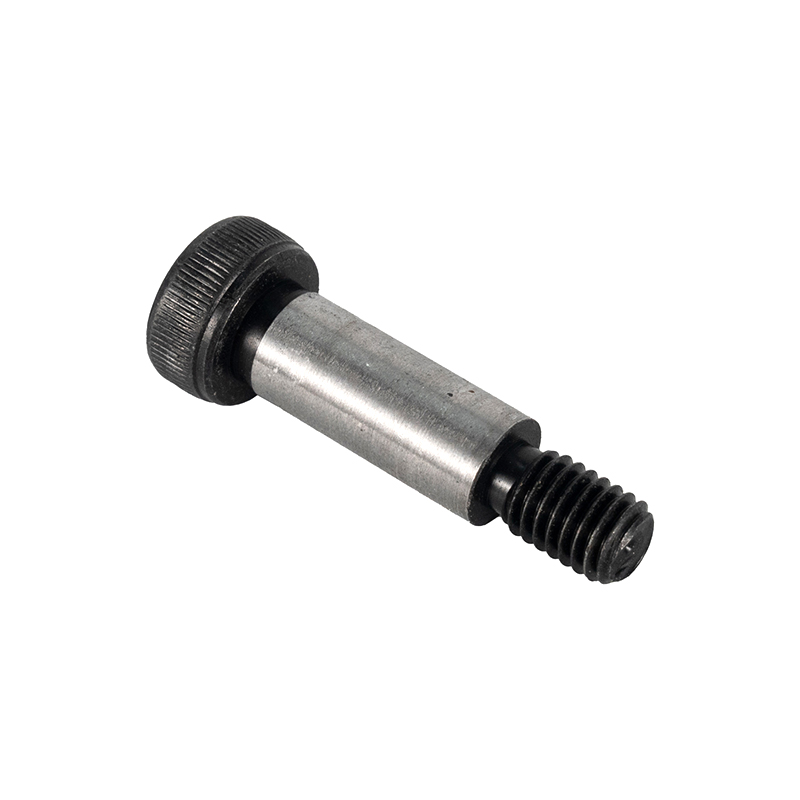
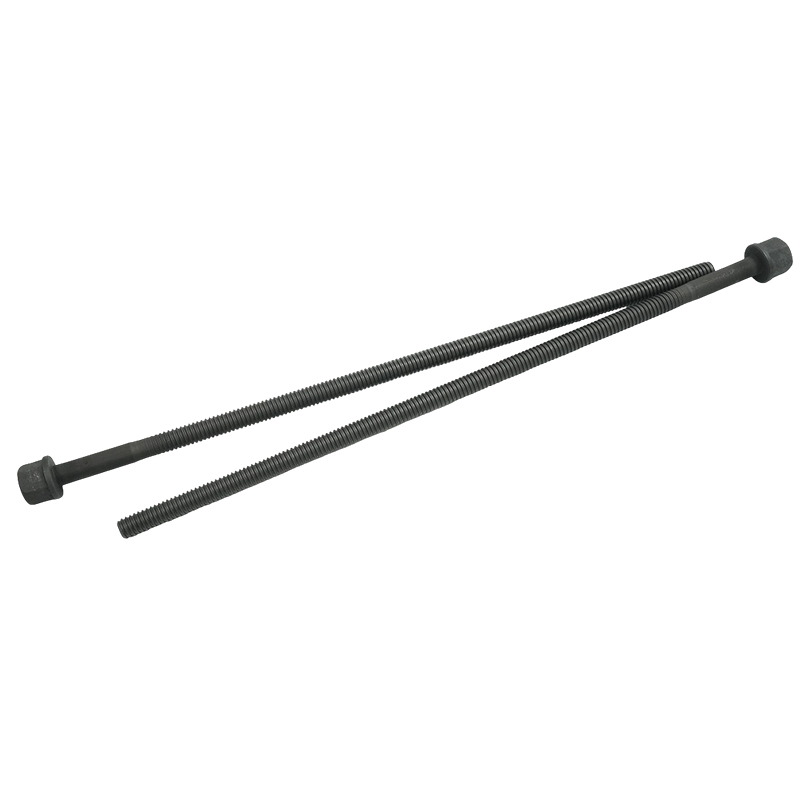
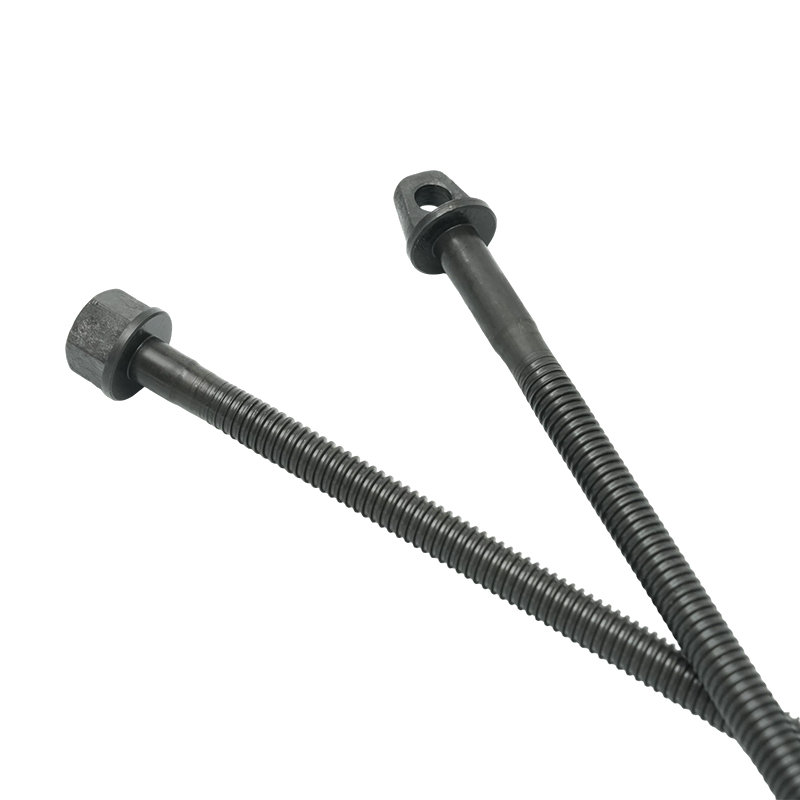
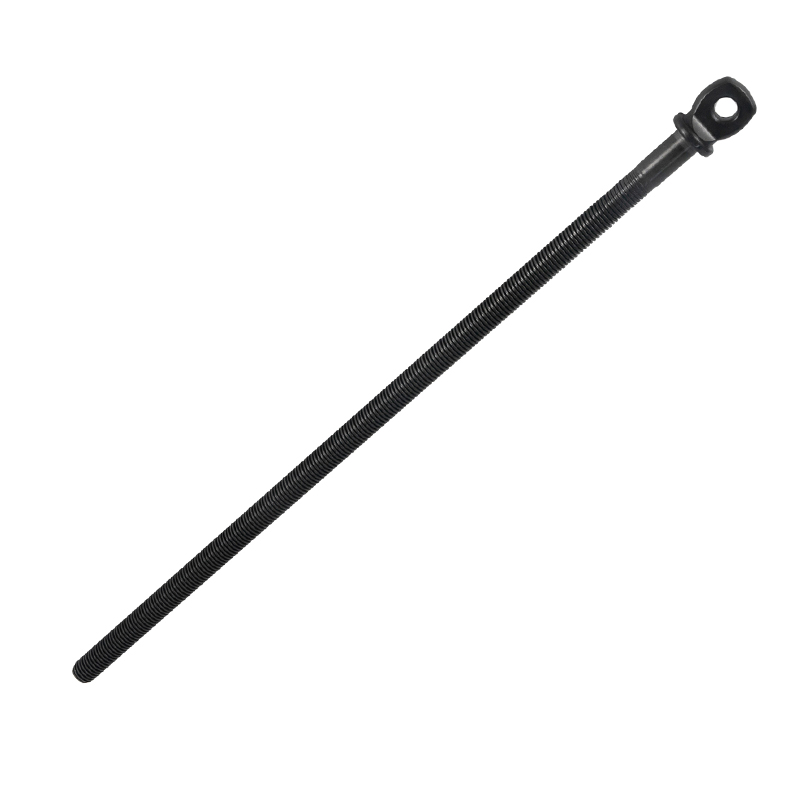
A jack bolt is an elongated threaded fastener that serves as the mechanical core of a scissor-type car jack. Unlike standard hex bolts, a jack bolt typically features a flat or looped head at one end, a shoulder zone, and a precision-cut thread shaft that can range from 300 mm to 800 mm in length depending on the load rating. When the crank handle engages the looped end and the operator turns it, the thread rod drives the scissor arms open or closed, translating rotation into vertical displacement.
The scissor car jack is widely used for roadside tire changes and underbody vehicle maintenance — situations that call for a compact, portable, and reliable lifting tool. Common load ratings include 0.8T, 1T, 1.5T, and 2T, and each tier demands a thread rod with proportionally greater diameter, tensile strength, and thread precision. A heavier-duty jack means a thicker, longer jack bolt — there is no shortcut around this engineering reality.
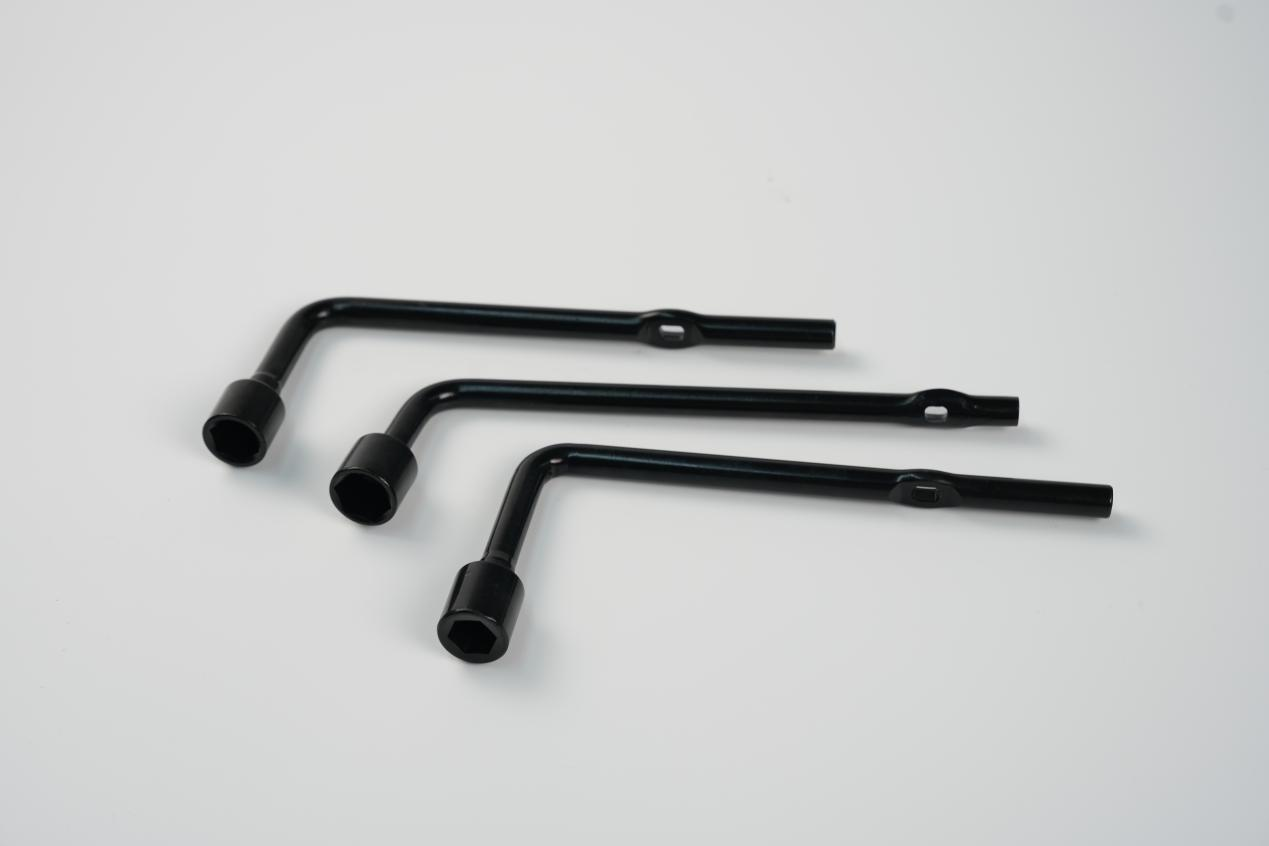
Thread form is arguably the most consequential design decision in any jack bolt. The thread must transfer enormous compressive and tensile loads cycle after cycle while resisting wear and maintaining dimensional stability. Three thread systems dominate the global market:
Selecting the right thread form is not merely a specification exercise — it directly determines whether a jack will operate smoothly for years or develop play, noise, and eventual failure within a few uses.
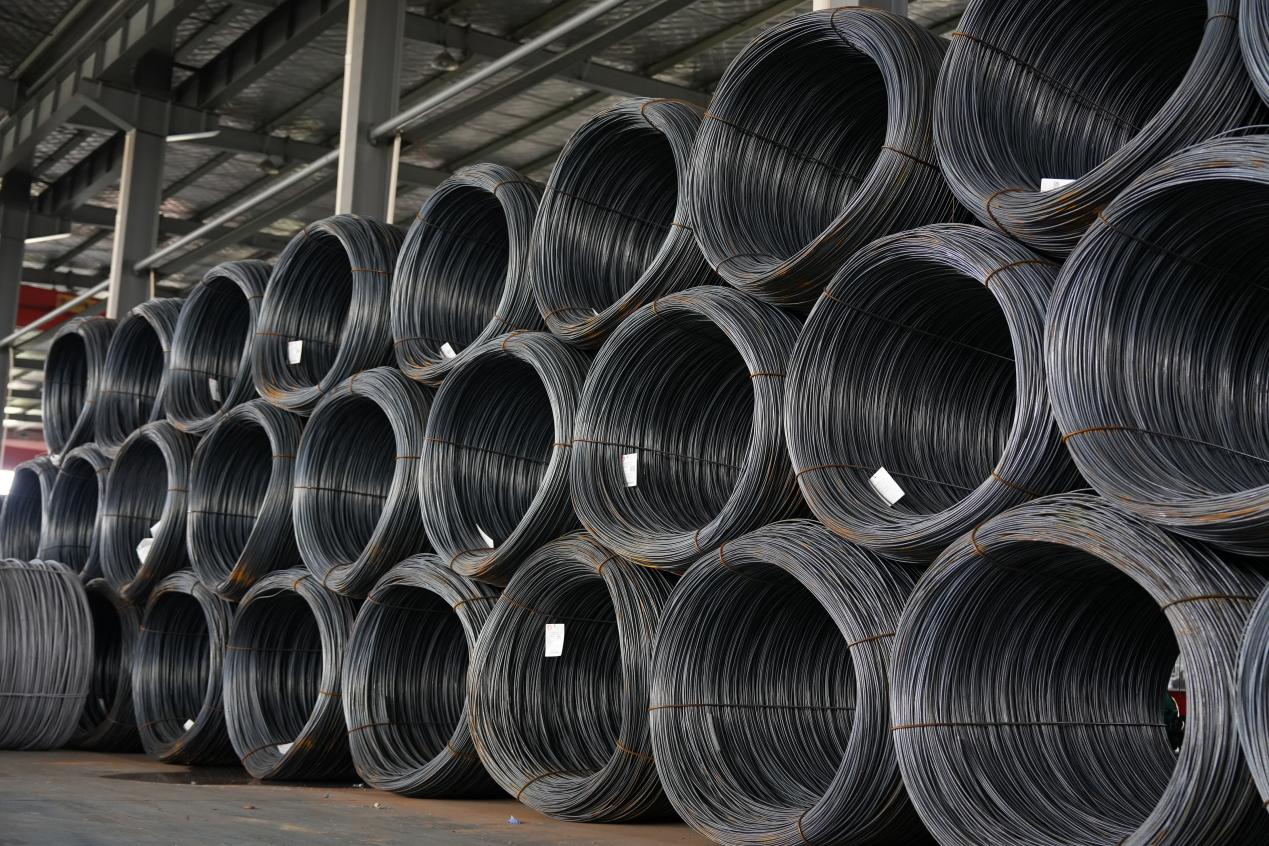
Premium jack bolts begin with medium-carbon or alloy steel: grades such as 45#, 35K, and 45K deliver the baseline hardness and ductility required for jack applications, while alloy grades like 40Cr and 35CrMo are specified for high-load or safety-critical jacks where yield strength and fatigue resistance must exceed standard carbon steel limits. These selections ensure that both tensile pull and torsional stress during lifting are well within safe operating margins — key factors verified through vehicle lift tests and pressure trials.
The manufacturing sequence for a typical jack bolt runs: raw material pickling and phosphating → spheroidizing annealing → shot blasting and wire drawing → straightening and shearing → cold heading or hot forging → thread rolling (covering M8 through M60) → surface treatment. For thread rods under 500 mm, cold heading is preferred because it delivers tighter dimensional tolerances and superior surface finish compared to hot-forged equivalents. Longer rods often require hot forging followed by CNC finish machining.
Surface protection completes the process. Zinc plating is standard for general automotive aftermarket jacks, while phosphate coating combined with anti-rust oil is used where the jack will see prolonged outdoor or humid environments. Both treatments are applied in-house at Soverchannel Industrial's integrated production facility.
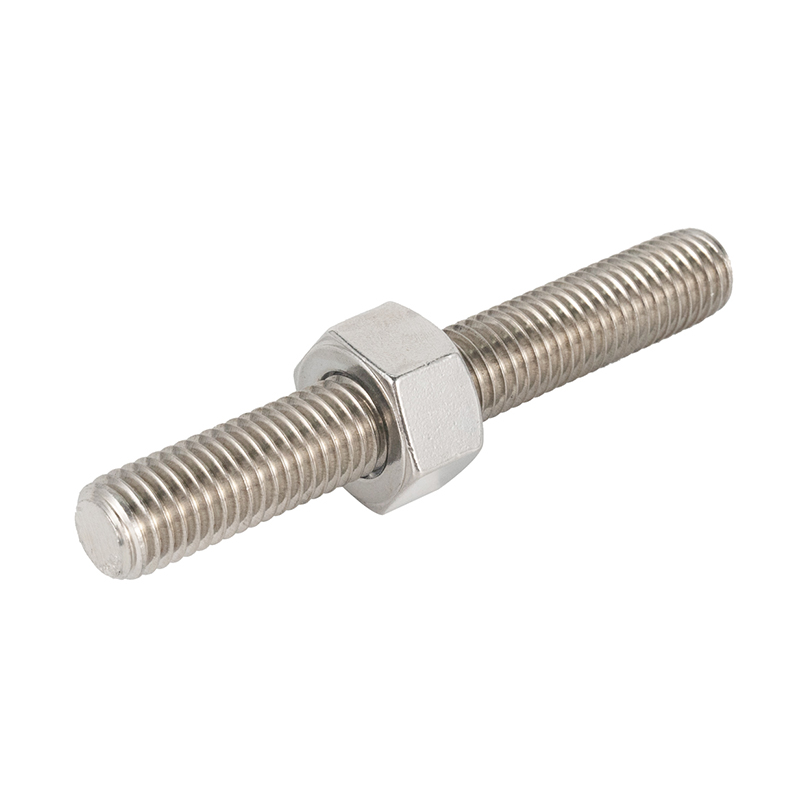
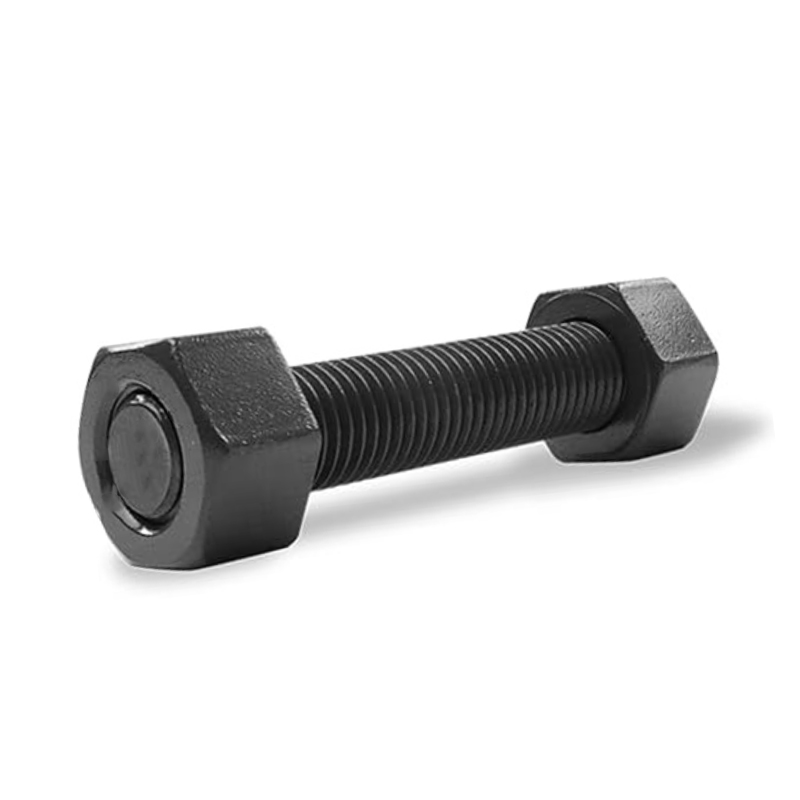
Buyers sourcing wholesale fasteners for jack assemblies should pay close attention to material certifications. ASTM A193 is a widely recognized American standard for alloy-steel and stainless-steel bolting materials intended for high-temperature or high-pressure service — and its grading system (B7, B8, etc.) provides a reliable vocabulary for communicating mechanical property requirements across global supply chains. While ASTM A193 is more commonly cited for studs used in pressure vessels and flanged joints, its influence on fastener specification culture has made it a useful reference even in automotive and industrial jack procurement discussions.
Beyond ASTM, jack bolt procurement should verify:
Reputable source factories provide material test reports (MTRs) and dimensional inspection reports with each shipment. If a supplier cannot supply these documents, that is a red flag regardless of price.
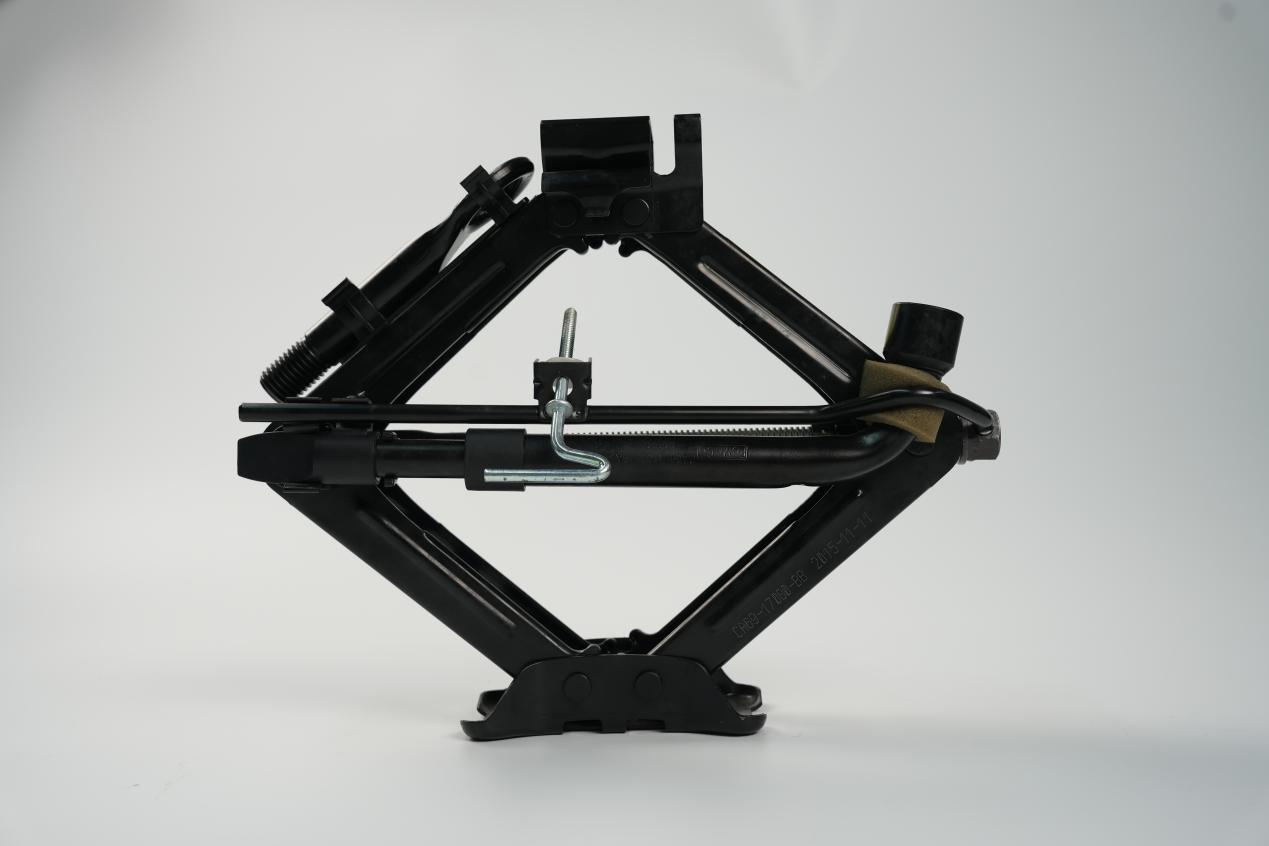
A scissor jack is not simply a thread rod — it is an assembly of interlocking components, and the studs and hex bolts at the pivot joints are just as critical as the central jack bolt. These pivot fasteners must absorb both dynamic shear loads and bending moments each time the jack is cranked under load. Undersized or low-grade pivot bolts are a common failure point in budget scissor jacks, causing the arms to wobble, the jack to lean, or in extreme cases the assembly to collapse.
Soverchannel Industrial supplies pivot studs and hex bolts as coordinated components alongside our jack bolt line, ensuring thread compatibility, matched surface treatment, and consistent mechanical grade across the entire fastener set. This is one of the key advantages of sourcing from a source factory with vertical production capabilities rather than assembling a bill of materials from multiple unrelated suppliers.
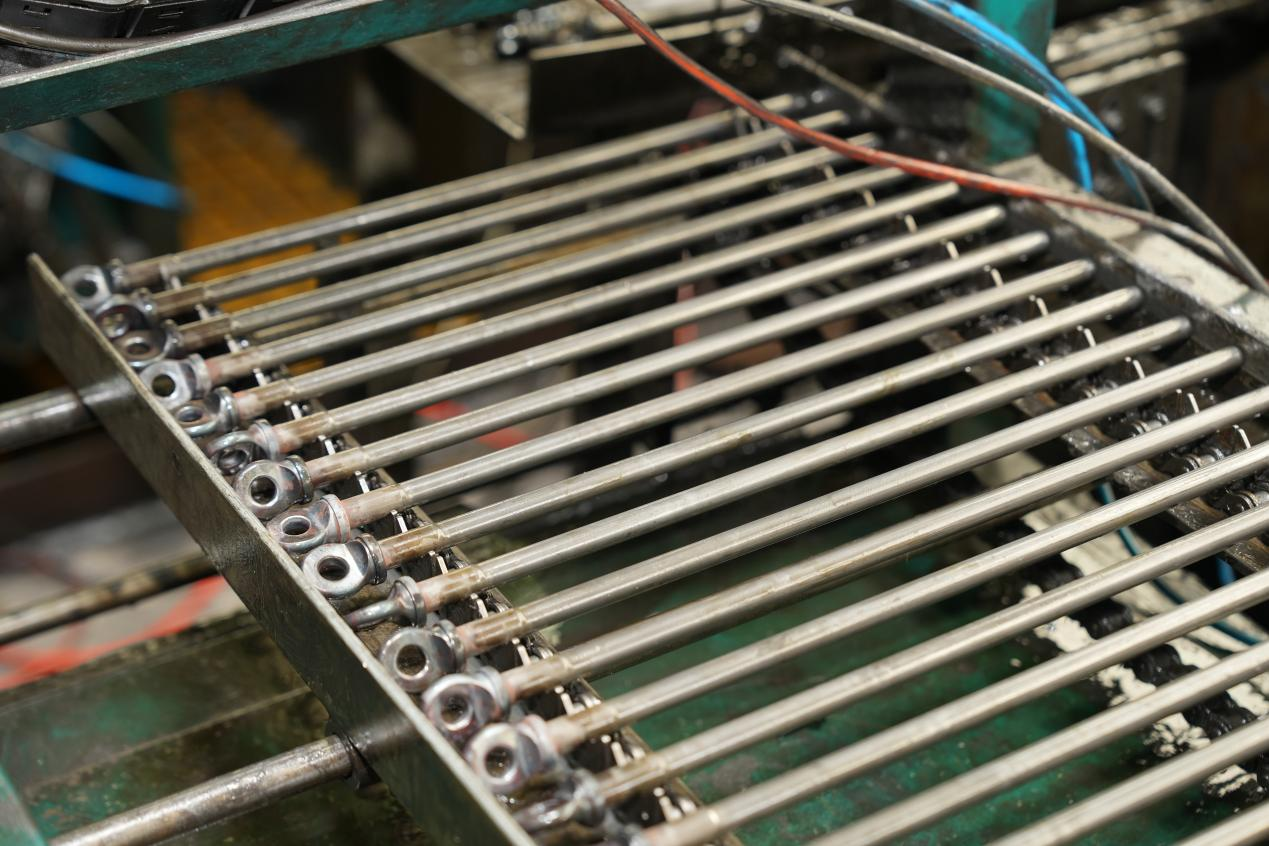
For jack manufacturers, automotive parts distributors, and MRO wholesalers, sourcing jack bolts and associated fasteners from a vertically integrated source factory delivers three concrete advantages. First, cost control: eliminating trading company markups and reducing the number of supplier relationships directly compresses landed cost, which matters when competing on wholesale fastener pricing at scale. Second, specification flexibility: a factory with its own thread-rolling equipment (covering M8–M60), cold heading lines, high-frequency forming presses, and CNC finishing capabilities can accommodate custom thread profiles, non-standard shaft lengths, and proprietary surface treatments that off-the-shelf distributors simply cannot match. Third, quality accountability: when a single facility controls raw material incoming inspection, forming, threading, and surface treatment, traceability is unambiguous — a necessity for automotive-grade components subject to safety-related recalls or field audits.
Soverchannel Industrial CO.,Ltd. operates precisely this kind of integrated facility, with production capacity covering the full range of jack bolt and fastener types described above. We welcome inquiries from OEM scissor jack manufacturers, wholesale fastener distributors, and automotive aftermarket buyers seeking a reliable, transparent, and specification-capable supply partner.
When specifying or sourcing a jack bolt for a scissor car jack application, the following parameters should be confirmed before placing an order:
| Parameter | Typical Range / Options | Impact |
|---|---|---|
| Jack load rating | 0.8T / 1T / 1.5T / 2T+ | Determines minimum shaft diameter and material grade |
| Thread form | 1/2-10 Stub Acme, Tr16×2, M14, RD16×2 | Governs load efficiency, wear rate, and regional standard compliance |
| Shaft length | 300–800 mm | Must match jack travel range; longer rods require straightness verification |
| Material grade | 45#, 40Cr, 35CrMo | Directly affects tensile and yield strength under vehicle load |
| Surface treatment | Zinc plating / Phosphate + oil | Corrosion protection for service life expectations |
| Manufacturing process | Cold heading (≤500 mm) / Hot forging | Dimensional precision and surface finish |
Matching each parameter to the actual service requirement — rather than defaulting to the cheapest available option — is what separates a jack that passes a 50,000-cycle fatigue test from one that fails on the roadside.
The jack bolt is not a commodity. Whether it carries a 1/2-10 Stub Acme profile for an American-market scissor car jack, a trapezoidal thread for a European OEM assembly, or a custom specification for a heavy-duty industrial lift, its design, material, thread form, and surface treatment collectively determine whether the product succeeds or fails under real-world conditions. Soverchannel Industrial CO.,Ltd. brings over a decade of dedicated experience in jack bolt and wholesale fastener manufacturing, with full process control from raw material through final inspection. We invite you to contact our team to discuss your specifications, request samples, or explore our factory audit process.
Contact Person: Manager Peng
Phone: 15921208398
 Contact Information
 Address



 中文简体
中文简体 Português
 Español
 Deutsch
 русский
 عربى
عربى