
Content
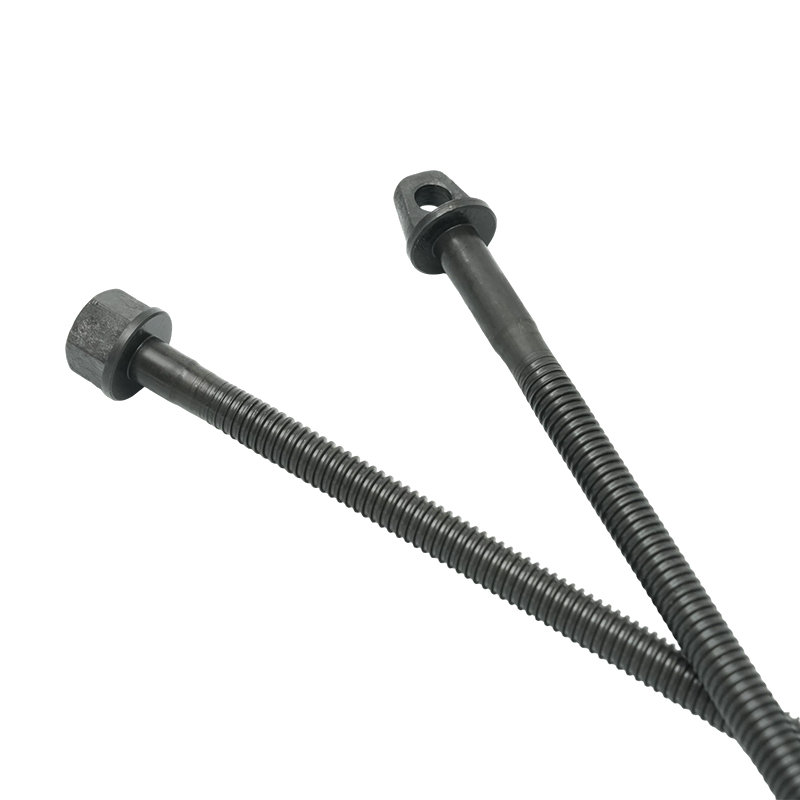
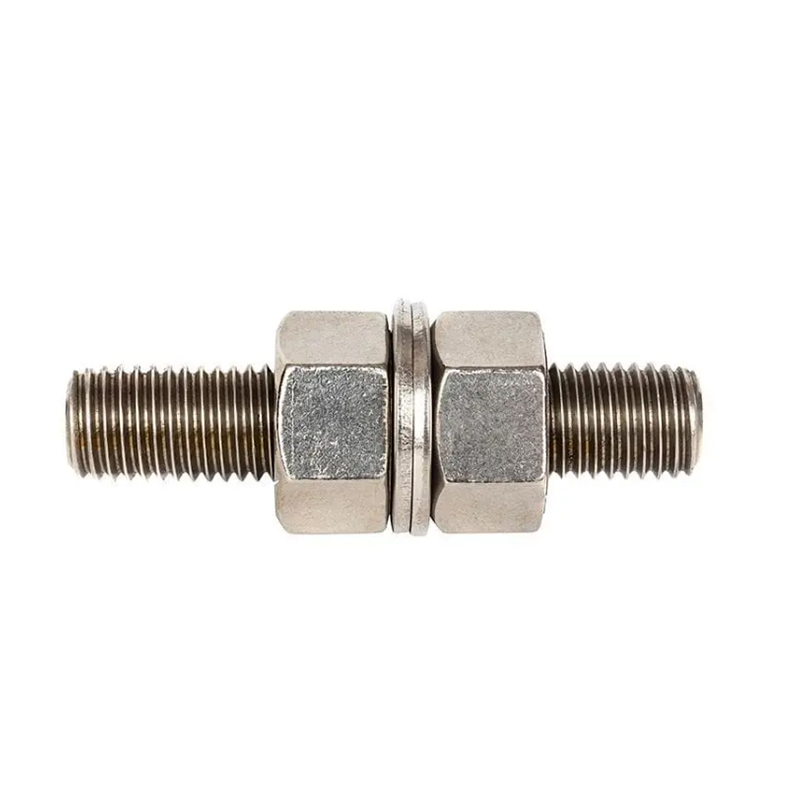
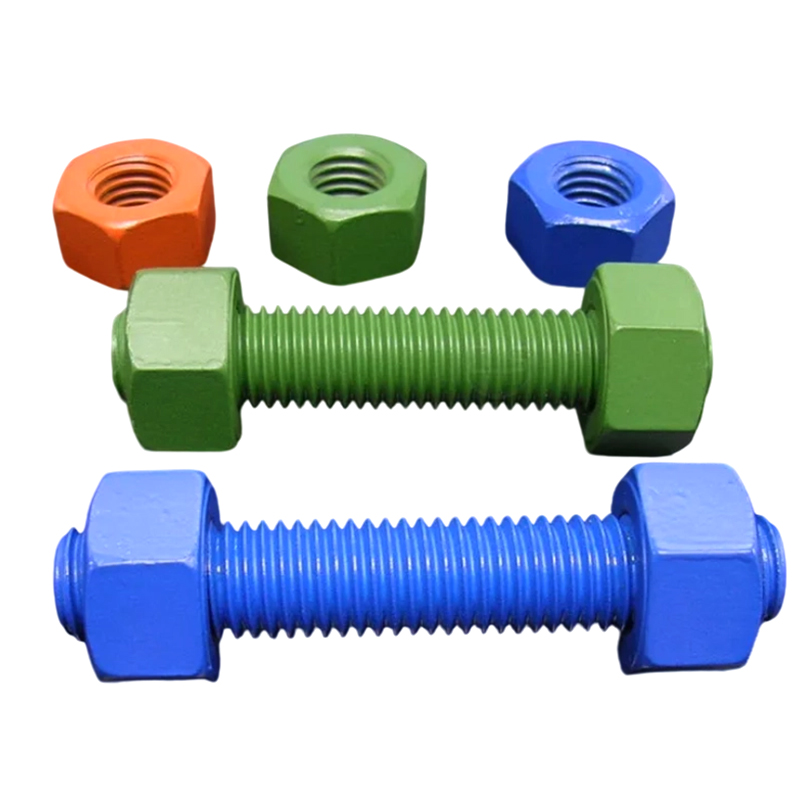
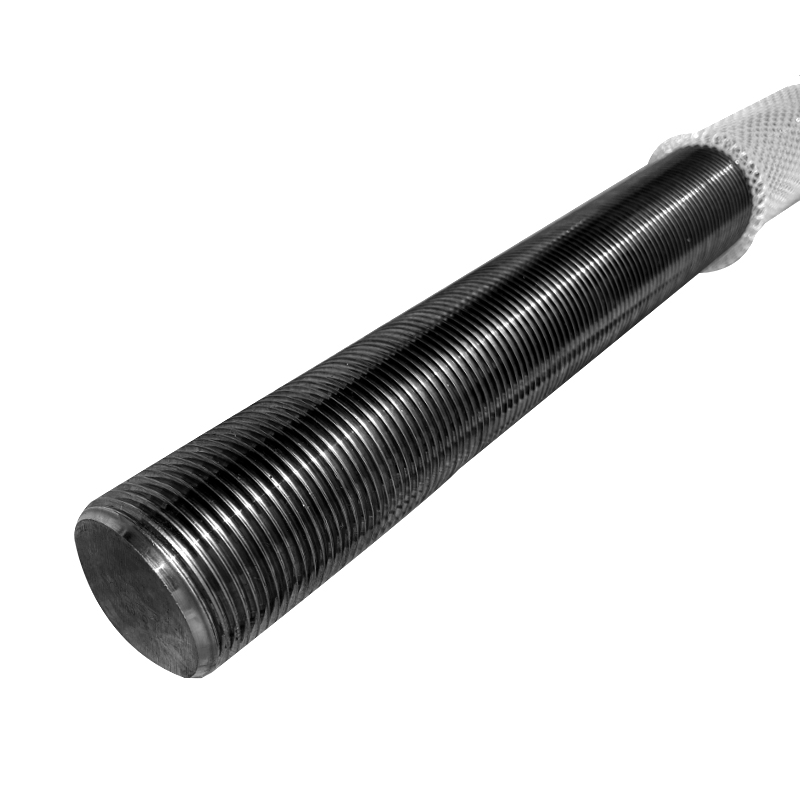
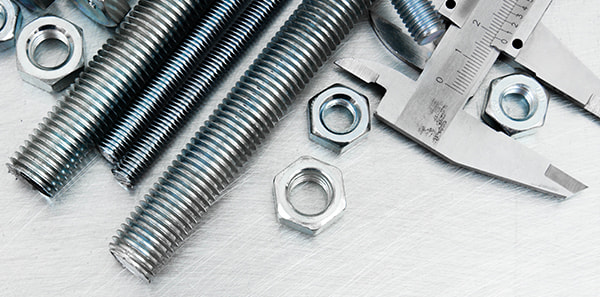
Thread rods & studs are externally threaded fasteners that serve as the mechanical backbone of countless industrial and mechanical assemblies. A thread rod — also called an all-thread rod or fully threaded rod — carries continuous threading along its entire length, allowing nuts or threaded inserts to be engaged at any point. Studs, by contrast, are typically threaded at both ends with an unthreaded or partially threaded shank in the middle, designed to be permanently anchored into one component while the second end receives a nut to clamp an adjoining part. Both fastener types share a fundamental role: transmitting axial force, maintaining precise positional relationships between components, and enabling controlled linear displacement in mechanical systems.
The application range for thread rods and studs spans virtually every sector of industrial manufacturing. In automotive assemblies, they appear in engine components, suspension systems, brake mechanisms, and — most relevantly — in jack mechanisms that require reliable, load-bearing linear motion. In construction and infrastructure, fully threaded rods are embedded in concrete anchor systems, structural connections, and pipe hanging assemblies. In elevator systems, precision-threaded rods facilitate the controlled vertical displacement of counterweights and mechanical linkages. The common requirement across all these applications is dimensional consistency: a thread that is even fractionally out of tolerance will generate uneven load distribution, accelerated wear, and — in safety-critical applications — potential mechanical failure.
Traditional thread rod and stud manufacturing has historically relied on two primary forming methods: cutting (machining the thread profile from bar stock) and red punching (hot forging under high temperature). Both methods have well-documented limitations that directly affect the dimensional consistency, surface quality, and mechanical integrity of the finished fastener. Cold heading technology — the process of forming metal at or near room temperature using compressive die forces — addresses these limitations systematically, and its adoption as a one-step forming method for thread rods and studs represents a significant quality advancement over legacy approaches.
In cutting operations, the thread profile is generated by removing material from the parent rod. This process severs the grain flow of the metal across the thread flanks, creating potential initiation points for fatigue cracking under cyclic loading. The dimensional accuracy of cut threads is also limited by tool wear — as the cutting tool degrades, thread pitch, depth, and flank angle progressively drift from nominal values unless the tool is replaced or reconditioned at frequent intervals. Red punching introduces thermal distortion as an additional variable, with differential cooling rates across the workpiece cross-section generating residual stresses and dimensional variation that require post-process correction.
Cold heading forms the thread rod or stud geometry by displacing — not removing — material using precision-ground dies. This preserves and aligns the grain flow of the metal along the thread contours, producing flanks and roots with superior fatigue resistance compared to cut threads of equivalent nominal dimensions. The one-step forming capability of modern cold heading equipment means that the complete fastener geometry — head form, shank diameter, thread profile, and end geometry — is produced in a single die sequence without intermediate handling or repositioning. This eliminates the cumulative dimensional errors that accumulate across multi-step processes and delivers a refined surface finish that reduces the need for secondary operations.
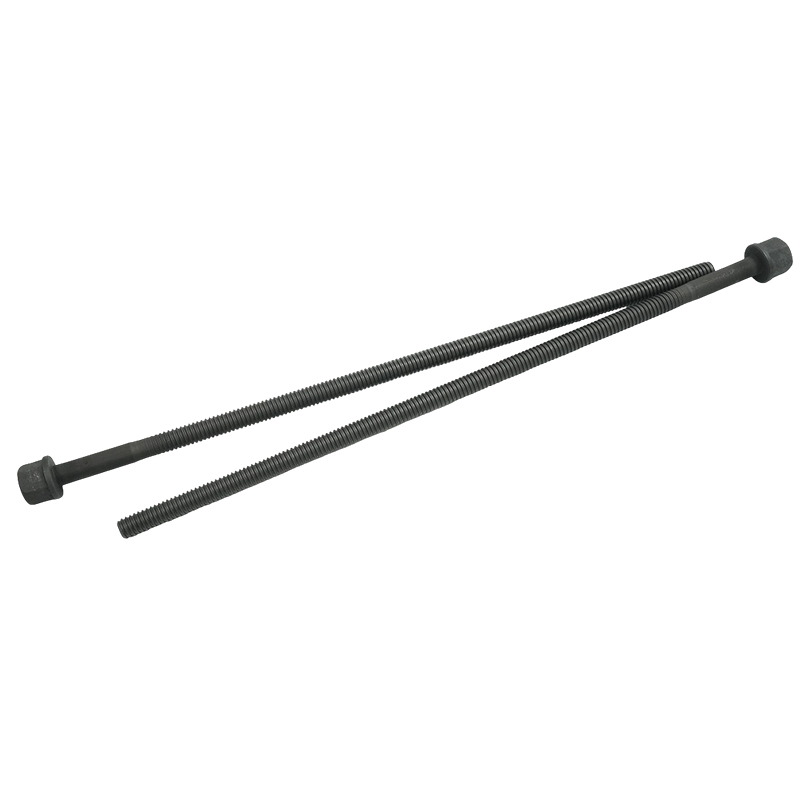
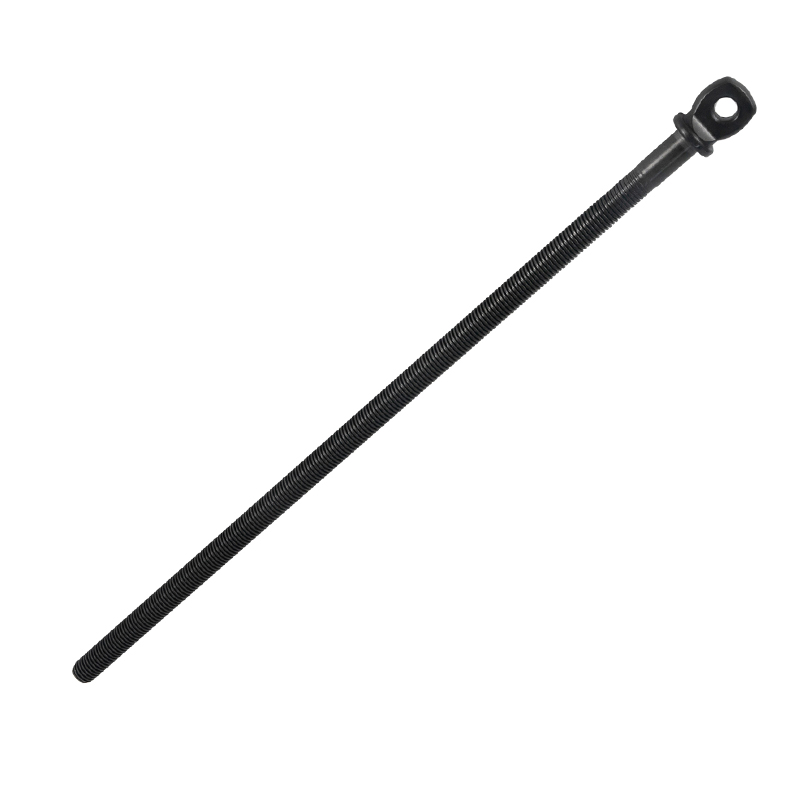
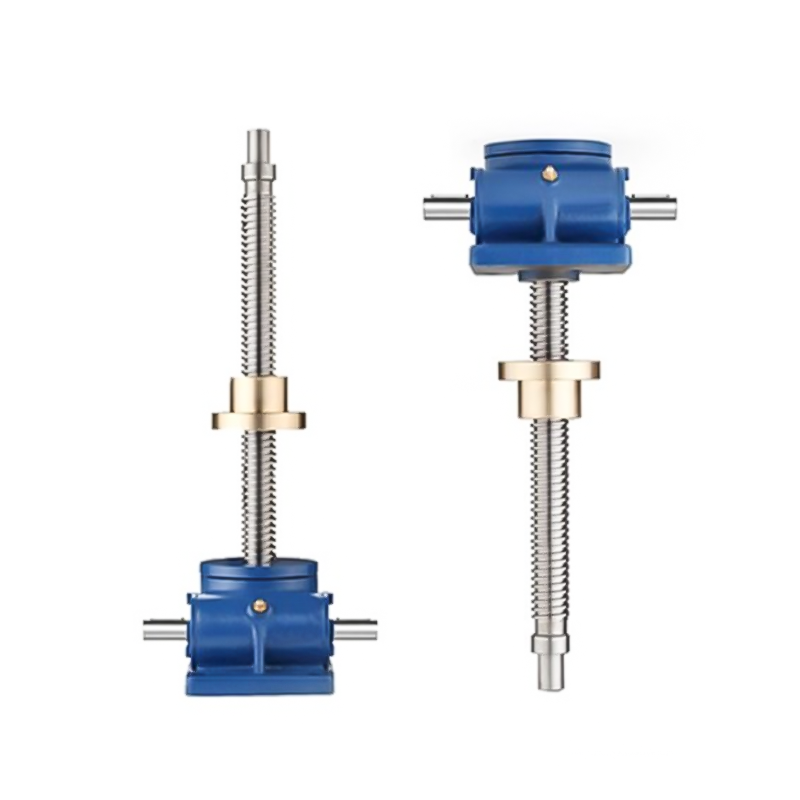
The jack screw is one of the most mechanically demanding applications for thread rods and studs. A jack screw converts rotational input — from a hand crank, electric motor, or hydraulic actuator — into precise linear displacement through the engagement of an externally threaded rod with an internally threaded nut or housing. The thread form, pitch accuracy, and surface finish of the rod directly determine the mechanical efficiency of the conversion, the smoothness of travel under load, and the ability of the assembly to hold position without back-driving when the input force is removed.
In automotive jack applications, thread rods serve as the primary load-bearing and motion-transmitting element. Support rods in fuel-powered car jack components for major brands including Ford and Volkswagen are produced to tight dimensional tolerances that must be maintained consistently across production volumes of tens of thousands of units. The thread pitch must be uniform along the entire usable length of the rod to ensure smooth, consistent travel without binding or backlash. The surface finish of the thread flanks must be within specified roughness parameters to minimize friction, reduce wear on the mating nut thread, and ensure that the jack operates within its rated load capacity without excessive operator effort.
The grain flow continuity and surface finish quality achieved through cold heading make cold-formed thread rods the preferred specification for jack screw applications where fatigue resistance, dimensional consistency, and surface smoothness are all simultaneously required. A jack screw thread rod that is subjected to thousands of extension and retraction cycles across the service life of the vehicle jack must maintain its thread geometry and surface integrity throughout — a requirement that cold-headed rods meet more reliably than cut or hot-formed alternatives.
Material selection for thread rods and studs is driven by the mechanical load requirements, environmental exposure conditions, and cost constraints of the target application. Both carbon steel and stainless steel are available, each offering a distinct performance profile that suits different use cases.
| Property | Carbon Steel | Stainless Steel |
|---|---|---|
| Tensile Strength | High (grade-dependent) | Moderate to High |
| Corrosion Resistance | Low (requires surface treatment) | Excellent (inherent) |
| Cost | Lower | Higher |
| Typical Applications | Automotive jacks, structural fasteners, general machinery | Food processing, marine, chemical, medical equipment |
| Strength Grade Range | 4.8, 6.8, 8.8, 10.9, 12.9 | A2-50, A2-70, A4-70, A4-80 |
For automotive jack screw applications and most general mechanical assemblies, carbon steel at the appropriate strength grade is the standard specification. The lower base material cost combined with the corrosion protection provided by surface treatment delivers an optimal cost-performance balance for high-volume production. Stainless steel becomes the preferred choice when the operating environment involves sustained moisture exposure, chemical contact, or hygiene requirements that make surface-treated carbon steel impractical or insufficient for the required service life.
For carbon steel thread rods and studs, surface treatment is a functional necessity rather than an aesthetic consideration. The choice of treatment directly affects corrosion protection duration, friction characteristics, paint adhesion, and the suitability of the fastener for specific assembly environments. Three principal surface treatment options are available, each suited to different performance requirements:
One of the practical advantages of cold heading as the primary forming technology for thread rods and studs is its dimensional flexibility. One-step forming is capable of producing lengths from 14mm up to 500mm depending on the rod diameter, covering the full range of requirements from compact jack screw components to long structural fasteners and elevator mechanism rods. This breadth of length capability within a single process — without requiring secondary extension or joining operations — preserves dimensional integrity across the full length of each part and eliminates the joint weakness and tolerance accumulation that multi-piece assemblies introduce.
For customers with specific technical requirements that fall outside standard catalog specifications, tailored process plans are developed based on a detailed review of the application's load conditions, dimensional constraints, material requirements, and volume targets. This engineering collaboration covers thread form selection (metric coarse, metric fine, UNC, UNF, or application-specific profiles), tolerance class specification, heat treatment requirements for high-strength grades, surface treatment sequencing, and packaging requirements for automated assembly line feeding. The goal of this process planning approach is to ensure that both production volume and quality meet the customer's expectations from the first production run, eliminating the costly iterative correction cycles that result from incomplete specification at the design stage. For automotive OEM customers sourcing jack screw components for Ford, Volkswagen, and other major vehicle platforms, this reliability and dimensional consistency at volume is the foundation of a supply relationship built on mutual confidence.
 Contact Information
 Address



 中文简体
中文简体 Português
 Español
 Deutsch
 русский
 عربى
عربى