
Content
Wheel wrenches are essential tools for vehicle maintenance, particularly for changing tires. The design of a wheel wrench directly affects usability, leverage, portability, and efficiency. Understanding the different types of wheel wrenches helps users select the right tool for specific applications, whether for home use, garage work, or roadside emergencies.
Cross-shaped wrenches feature four arms extending from a central hub, each with different socket sizes. This design allows users to apply force evenly and provides multiple leverage points, which is particularly useful for loosening stubborn lug nuts.
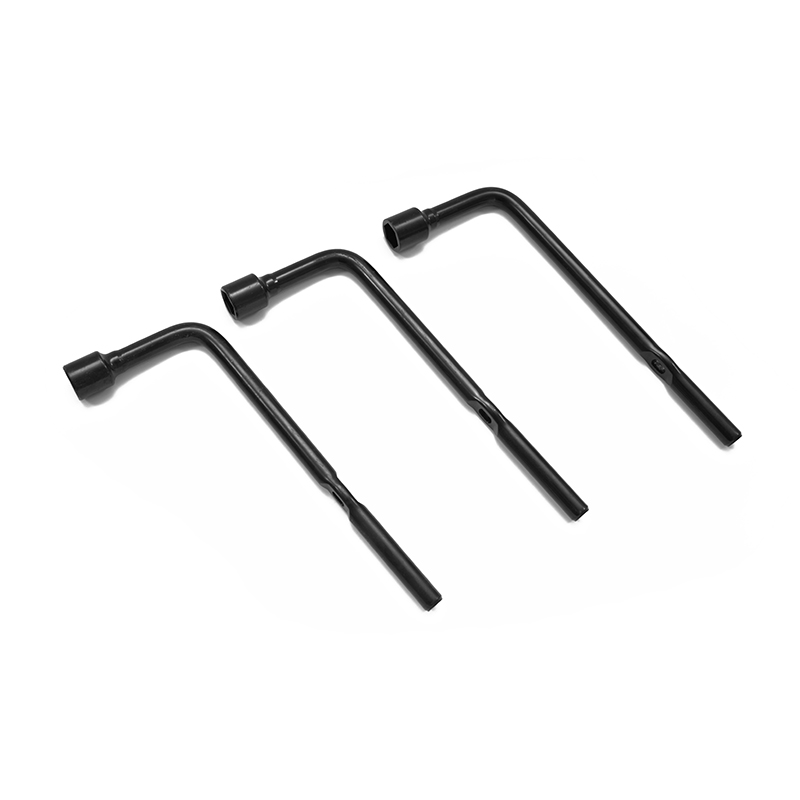
Telescopic wrenches feature a single handle that extends or retracts. This adjustability allows users to increase leverage when loosening tight lug nuts and reduces storage space requirements, making them highly portable.
Impact wrenches are powered tools, usually electric or pneumatic, that deliver rapid, high-torque impacts to loosen or tighten lug nuts. They are commonly used in professional garages and for high-volume tire changes.
Breaker bars are long, non-ratcheting bars used with a socket to loosen extremely tight lug nuts. The extended length allows maximum leverage, making them effective for stuck or corroded nuts.
| Type | Design | Leverage | Portability | Best Use |
| Cross-Shaped | Four-arm lug wrench | High, multiple arms | Moderate, bulkier | Garage or home tire changes |
| Telescopic | Single extendable handle | Adjustable, variable torque | High, compact | Roadside emergencies, portable kits |
| Impact Wrench | Powered tool with socket | Very high torque | Moderate, battery-powered options | Professional garages, frequent tire changes |
| Breaker Bar | Long, non-ratcheting bar | Maximum leverage | Low, long handle | Stubborn or corroded lug nuts |
The type of wheel wrench chosen affects usability, leverage, portability, and efficiency. Cross-shaped wrenches provide stable leverage, telescopic wrenches offer adjustable torque and portability, impact wrenches deliver fast and high torque, and breaker bars provide maximum force for stubborn nuts. Selecting the right tool depends on the application, user preference, and specific vehicle requirements.
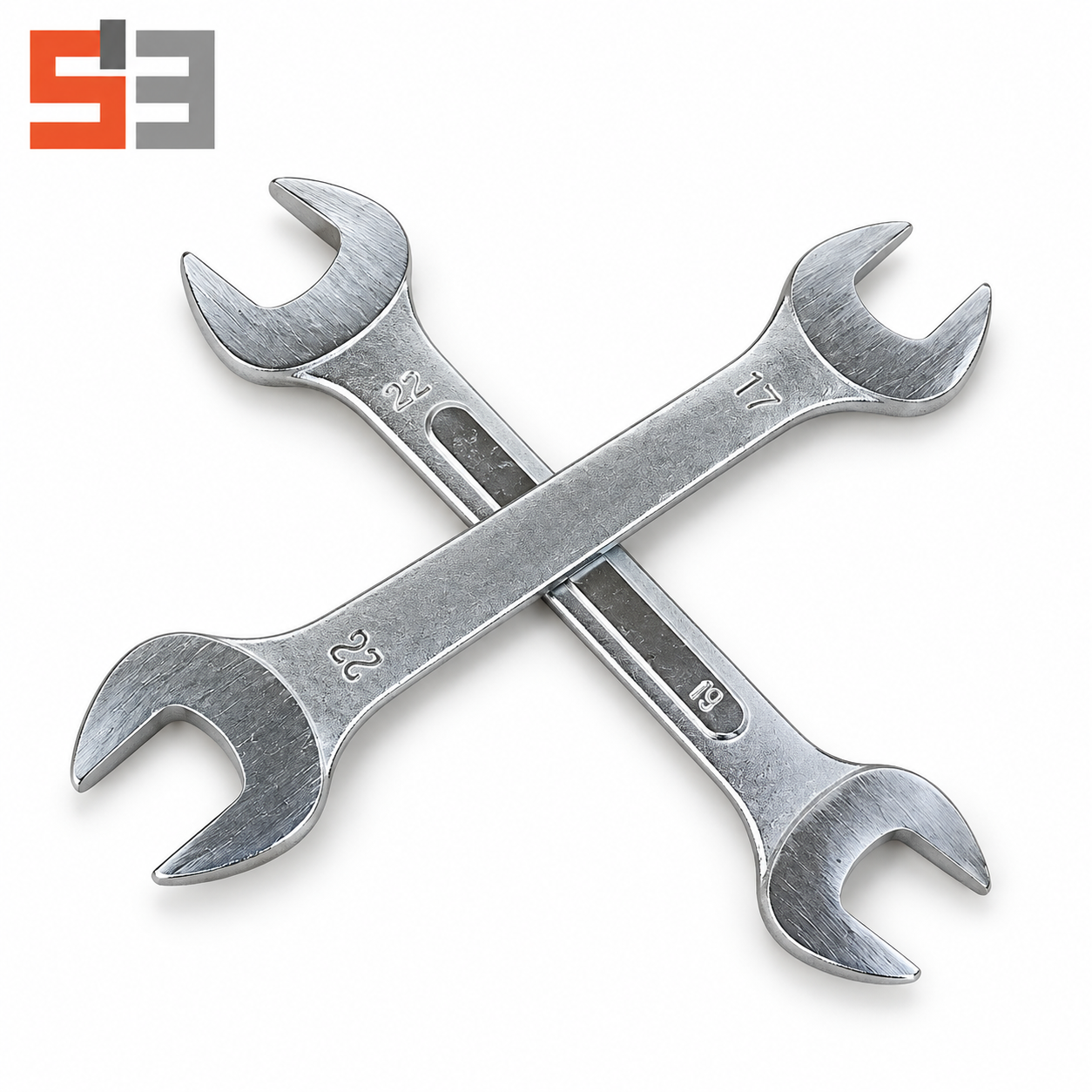 Car Emergency Tool Kit, Double Open End Wrench Set With Plier & Screwdriver, Vehicle Spare Tire Repair Hand Tools
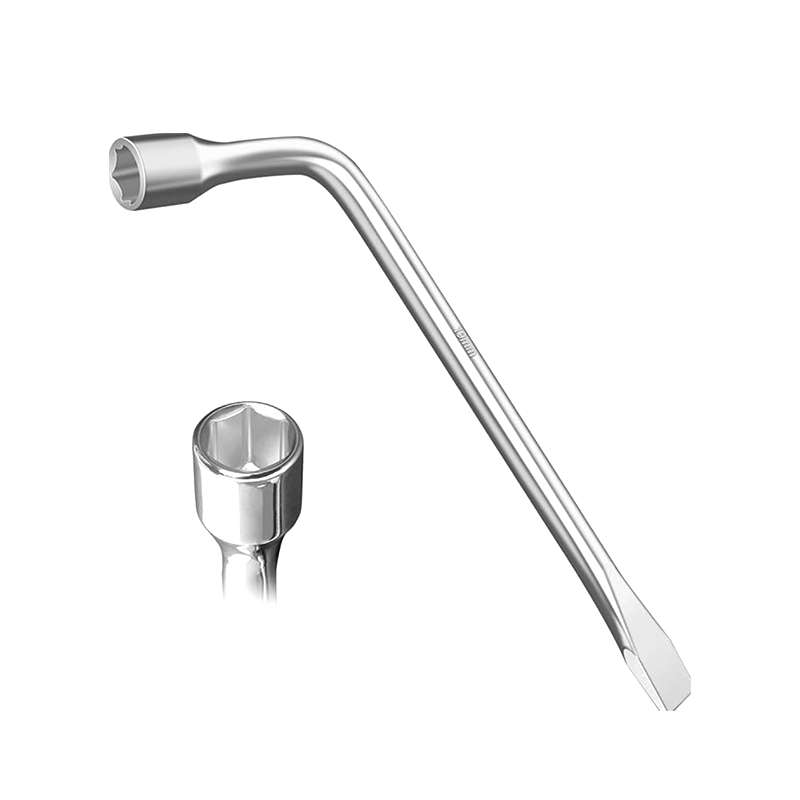 19mm L Shape Car Spare Tire Lug Wrench
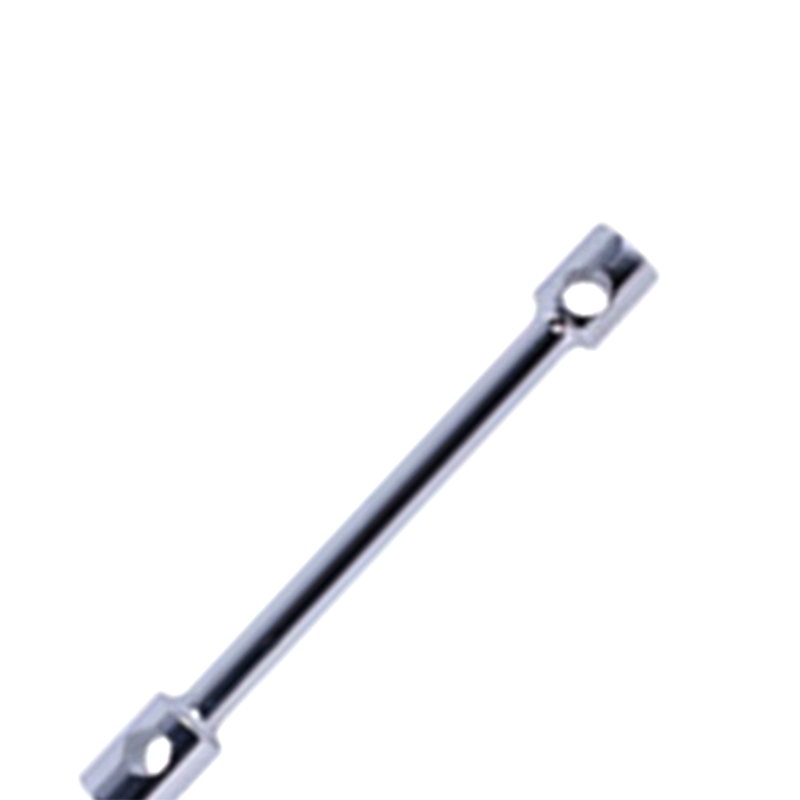 Universal Zinc Plated Straight Handle Wheel Wrench
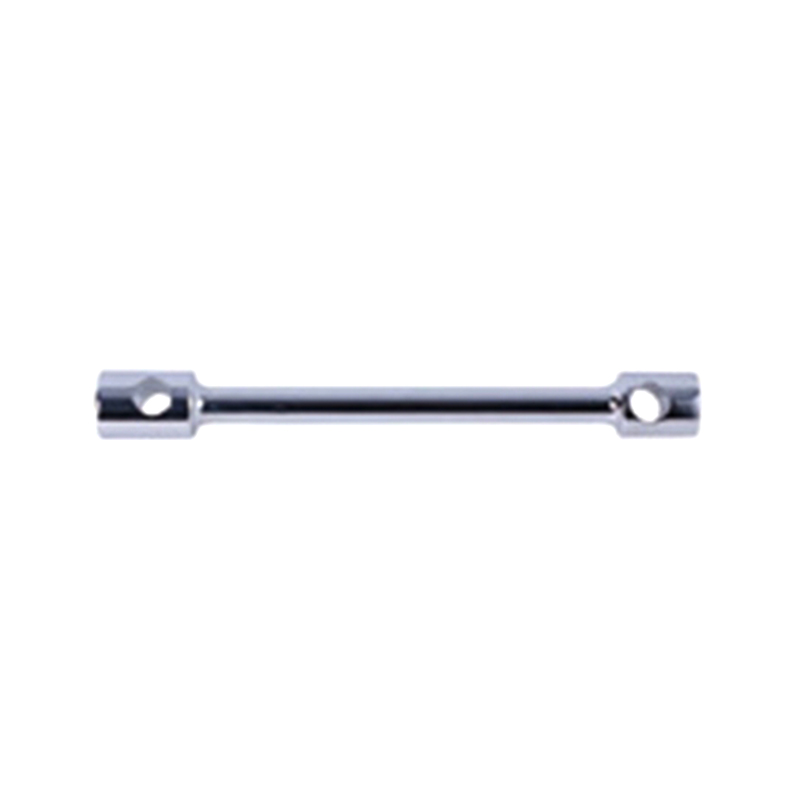 10*75*2 Double-Ended Straight Handle Lug Wrench Spanner
 China High Carbon Steel Double Open End Spanner Portable Hand Wrench for Auto Repair, Support Custom Drawing & Sample Processing
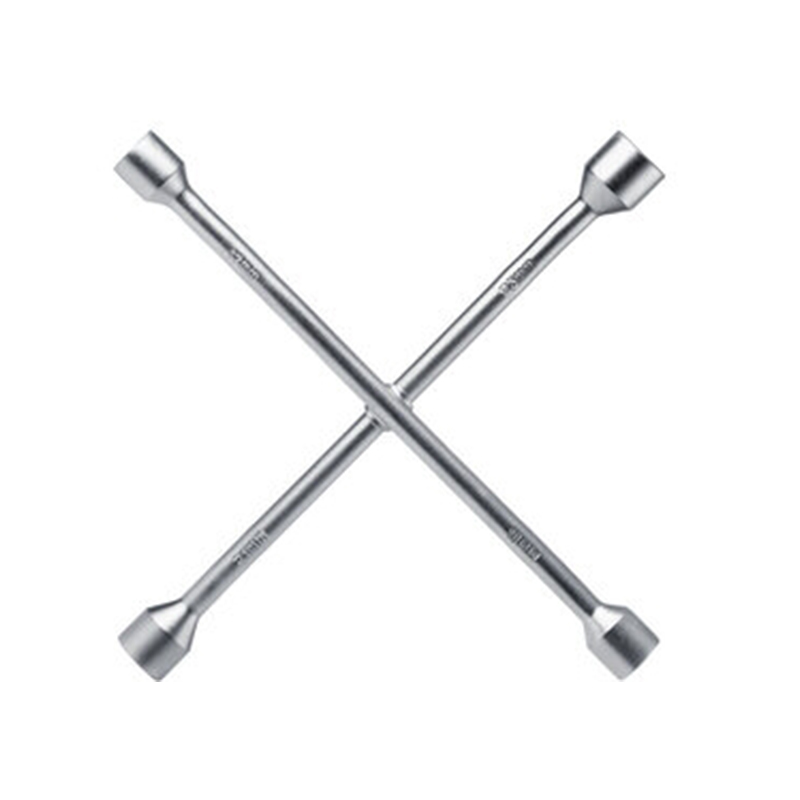 Carbon Steel 4*30*100 Car Wheel Lug Nut Cross Wrench
 Contact Information
 Address



 中文简体
中文简体 Português
 Español
 Deutsch
 русский
 عربى
عربى