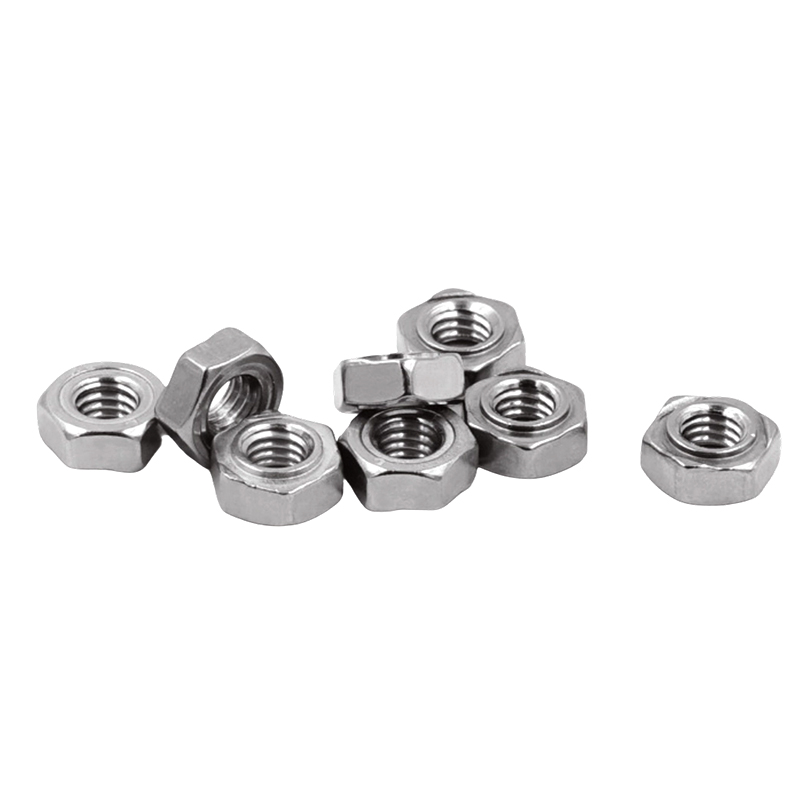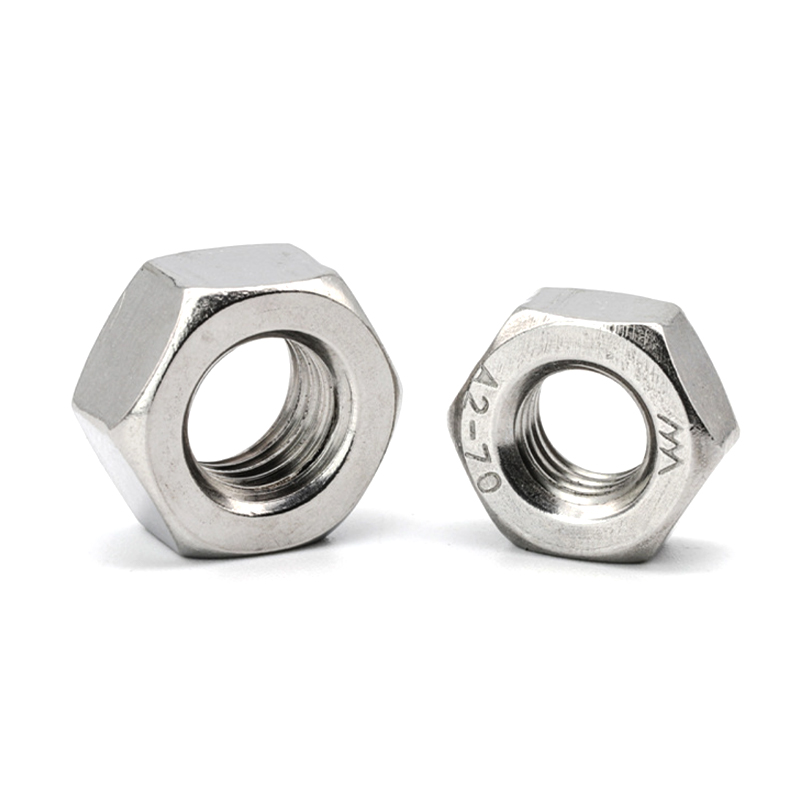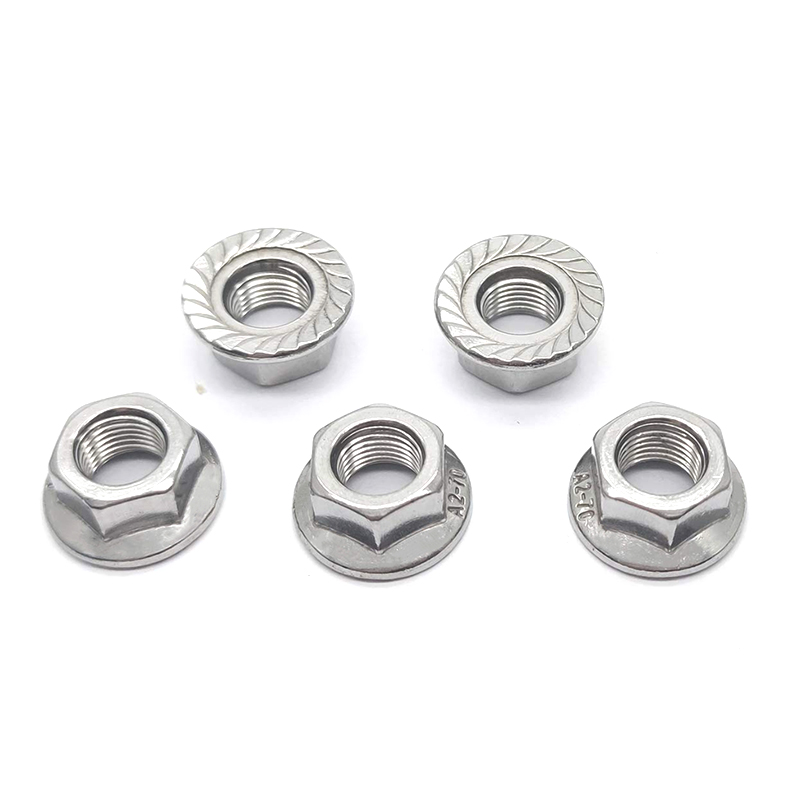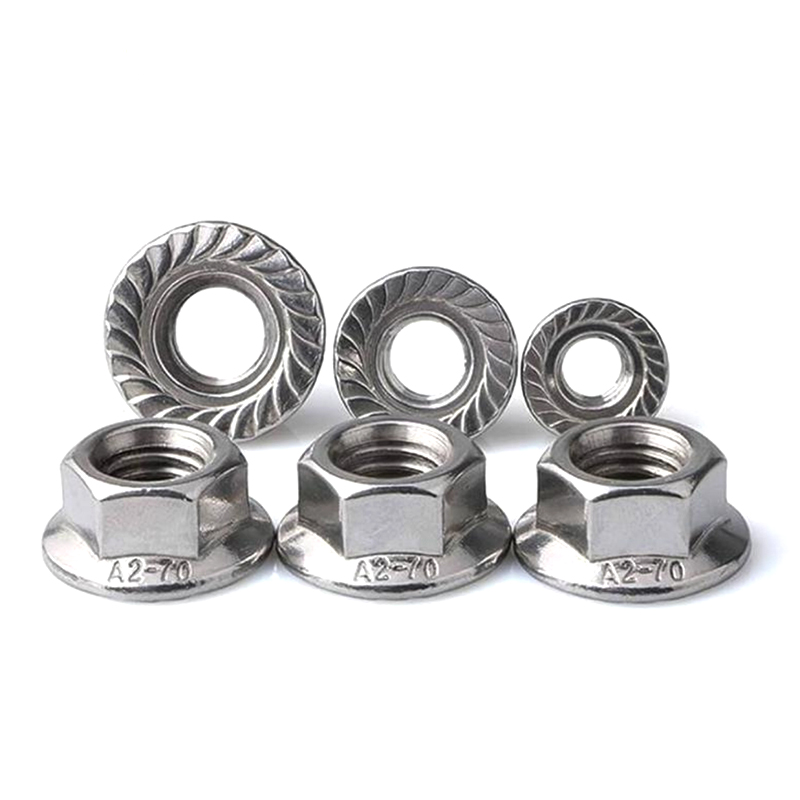

In the use of mechanical equipment, the fixing of the nut is very important. However, due to vibration, loosening, or other reasons, the nut may become loose and cause the device to fail. Nut locking is an important consideration in mechanical design, as loosening the nut can to equipment failure or accidents. To solve the problem of nut loosening, the following introduces several common nut loosening methods 1, the use of locking glue: the application of locking glue is a common method to prevent nut loosening. It is a viscous substance that is coated on the surface of the thread and can increase the friction between the nut and the bolt, thereby increasing the fastening force. According to different needs, there are different types of locking agents to choose from, such as low strength, medium strength, and high strength. Select the lock that suits your needs and use it correctly according to the instructions. 2. Nut gasket (anti-loose washer): Adding a nut gasket during installation is also a commonly used anti-loose method. It is located between the nut and the connector and can provide additional damping and pressure to stop the nut from loosening. Nut gaskets are usually made of metal and have good wear and corrosion resistance. Select the nut gasket suitable for thread size and use environment, and ensure correct installation and use. 3, self-locking nut: A self-locking nut is a nut specially designed to prevent loosening of the nut. They usually rely on friction from the lock and are suitable for special occasions where anti-loosening and anti-vibration are required.
 Contact Information
 Address



 中文简体
中文简体 Português
 Español
 Deutsch
 русский
 عربى
عربى