
Content
A cement kiln lining replacement looked straightforward until the first cooldown. The castable was within specification, but two pallets of 310 stainless V-anchors were actually 304, and several welds had undercut the 6 mm rod. The lining cracked along the anchor pattern before the campaign reached its expected life. The root cause was not the refractory mix. It was the anchor selection and weld detail.
Bottom line: choose the anchor alloy for the hot-face temperature and furnace atmosphere, then verify weld procedure, expansion allowance, and material certificate. Rod diameter alone tells you very little about whether an anchor will survive a thermal cycle.
Anchor material is usually a small line on the lining purchase order, but a failed anchor can take out an entire castable campaign. The value of a correct anchor is not in the piece price; it is in avoided downtime.
Refractory anchors are small compared with the lining, but they carry the lining's dead load, resist thermal movement, and keep the hot face from spalling away from the steel shell. They operate in the worst part of the system: a hot, restrained joint where oxidation, creep, and weld stress meet. A good anchor design gives the lining a mechanical grip without locking up thermal expansion.
Austenitic stainless anchors expand about 16-18 x 10^-6/K over the working range, while carbon steel is lower. If the anchor pattern is too rigid, the rod or weld absorbs the difference and cracks.
304 is a useful general stainless grade, but it is not a high-temperature anchor alloy. 310 and 253MA hold up better above 1,000 C; Inconel 601 is used where oxidation is severe or cycling is frequent.
The anchor-to-shell weld is often the first crack site. Undercut, porosity, and a heat-affected zone that is too hard can start a failure even when the rod alloy is correct.
V-anchors suit general castable linings; Y-anchors give more grip in thicker sections; U-anchors and corrugated anchors are common for ceramic fiber modules and brick support.
The same sourcing discipline applies to structural anchor bolts around the furnace shell. A hot-dip galvanized F1554 anchor is not a substitute for a 310 stainless refractory anchor, but it shows why grade, coating, and certificate must match the drawing. Buyers can use ASTM F1554 anchor selection rules as a cross-check for structural anchoring, then keep refractory anchors on a separate material specification.
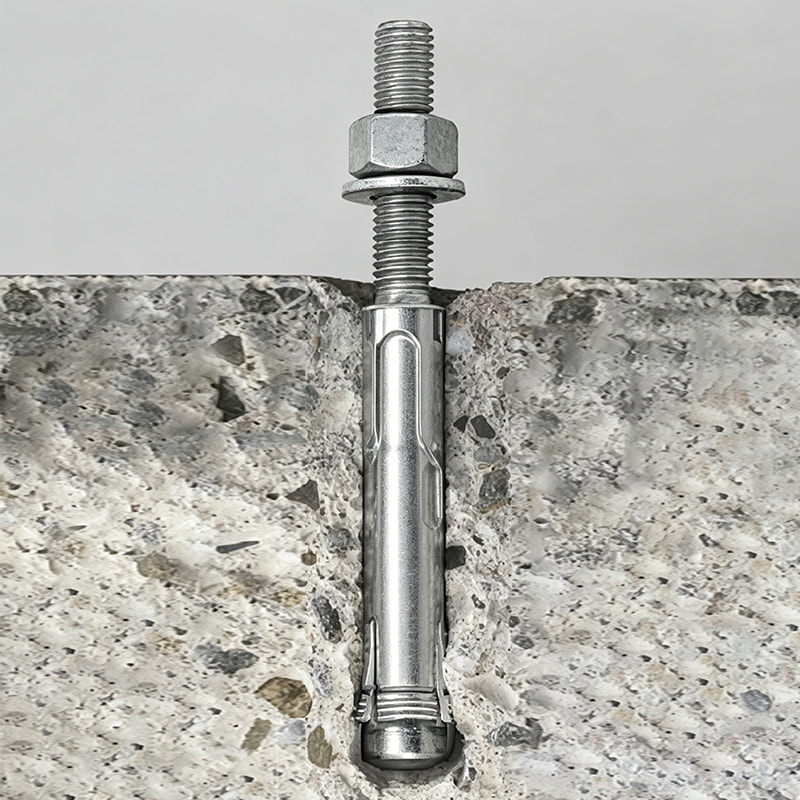 ASTM F1554 Hot-Dip Galvanized Carbon Steel Anchor BoltCarbon steel anchor bolt with hot-dip galvanized finish and customizable specifications; confirm grade, coating and certificate match the structural anchoring drawing.View Product →
The comparison below is a selection starting point, not a code allowance. Continuous-service limits fall when the atmosphere is reducing, the lining cycles often, or the process carries sulfur and alkali.
Notes: limits are continuous-service guides, not design allowances. Reduce them for reducing atmospheres, heavy cycling, high sulfur, or alkali attack.
In a typical inspection sample from high-temperature linings, the distribution of anchor failures is rarely spread evenly. Weld cracking usually leads because the anchor-to-shell joint combines restraint, heat, and a small weld throat. Oxidation and thermal fatigue follow, then wrong alloy and installation damage.
The practical lesson is to qualify the welder and the weld procedure before chasing a higher alloy. A 310 anchor with a poor weld will fail earlier than a correctly welded 304 anchor in a lower-temperature zone. Anchor spacing also matters: 150-300 mm is common, but the drawing should follow lining thickness, anchor pattern, and shell stiffness.
Cement and steel dominate because large kilns, ladles, and furnaces need dense anchor patterns over big shell areas. Petrochemical and power applications are smaller in volume but often demand tighter alloy control and better documentation.
Start with the hot face, not the catalog. The anchor drawing should be a result of temperature, atmosphere, lining type, and shell condition, not a default V-anchor copied from an old project.
Record normal temperature, peak temperature, cycle frequency, and atmosphere. Sulfur, alkali, and reducing conditions can shorten alloy life more than a 50 C temperature rise.
Use 304 below about 800 C, 310 for 1,000-1,150 C service, and 601 where oxidation or cycling is severe. Do not treat a B7 threaded rod as a refractory anchor; its practical limit is much lower.
V-anchors suit castable linings around 75-150 mm; Y-anchors add grip in thicker sections; U-anchors and corrugated anchors are common for fiber modules and brick support.
Specify weld size, filler, and heat input. Leave expansion clearance at the cold face so the anchor can move without pulling the lining apart.
Ask for PMI on every heat, EN 10204 3.1 mill certificates, weld procedure qualification, and dimensional records. A certificate that says 310 without PMI is a paperwork claim, not material verification.
High-temperature studs and threaded rods are a separate product family, but they share the same heat and oxidation limits. ASTM A193 B7 is common in flange bolting, yet it is not a refractory anchor and should not be substituted above its service range. For adjacent high-temperature bolting, B7 threaded rods for flange bolting are specified by grade, coating, and temperature limit, not by resemblance to an anchor rod.
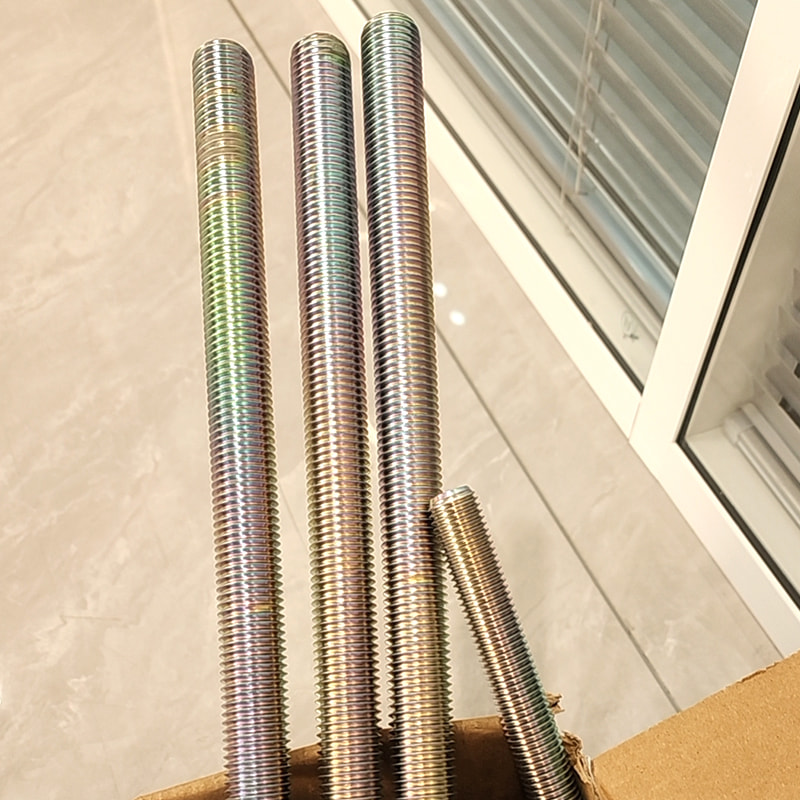 3/4" × 10" B7 Alloy Steel Threaded RodB7 alloy steel threaded rod in 3/4" × 10" with zinc, black oxide or hot-dip galvanized finish; confirm service temperature and flange use.View Product →
Anchor inspection should happen at the first cooldown and then at planned shutdowns. Look at the weld toe, the anchor neck, and the oxide scale. A white or greenish scale on a 310 anchor can indicate overheating; a rust bloom on a stainless anchor can indicate carbon steel contamination from tooling.
The cheapest anchor is rarely the lowest-risk anchor. A 310 or 601 upgrade adds material cost, but it can protect a lining campaign that costs many times more to shut down, cool, demolish, and rebuild. Specify the hot-face duty, verify the alloy, qualify the weld, and leave room for thermal movement. That is what keeps refractory anchors doing their job after the first cycle.
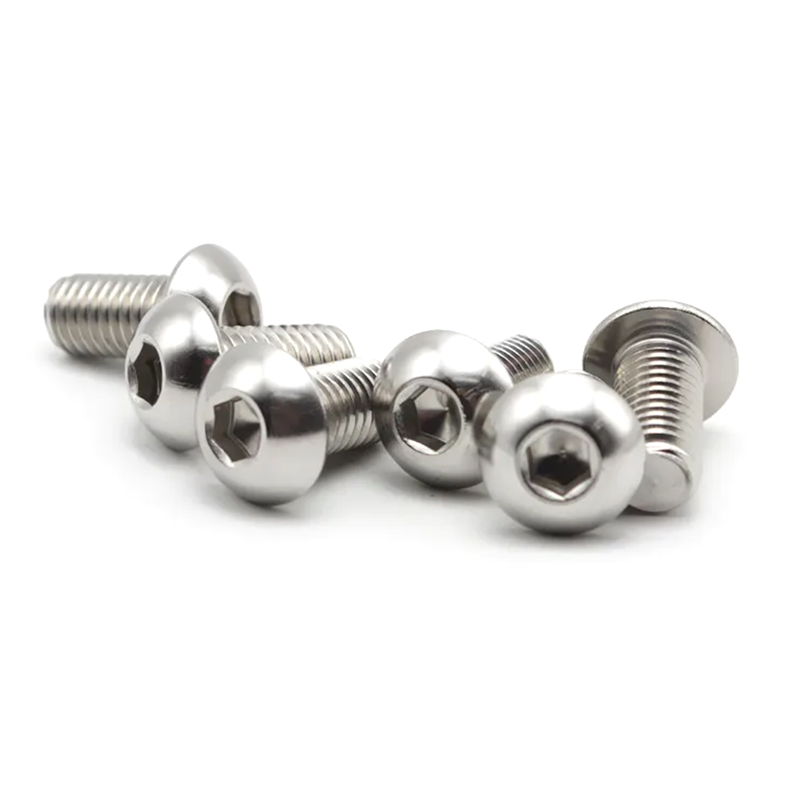 Alloy Steel M5*10 Zinc Plated Round Head Hex Socket Screw
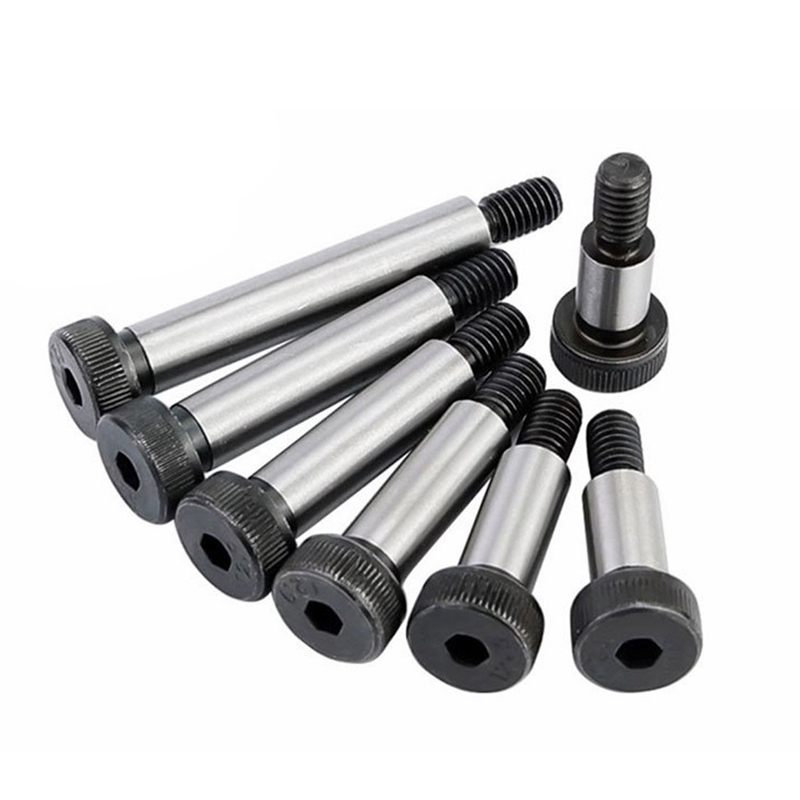 Alloy Steel Black Oxide Extended Shoulder Screw ISO 7379
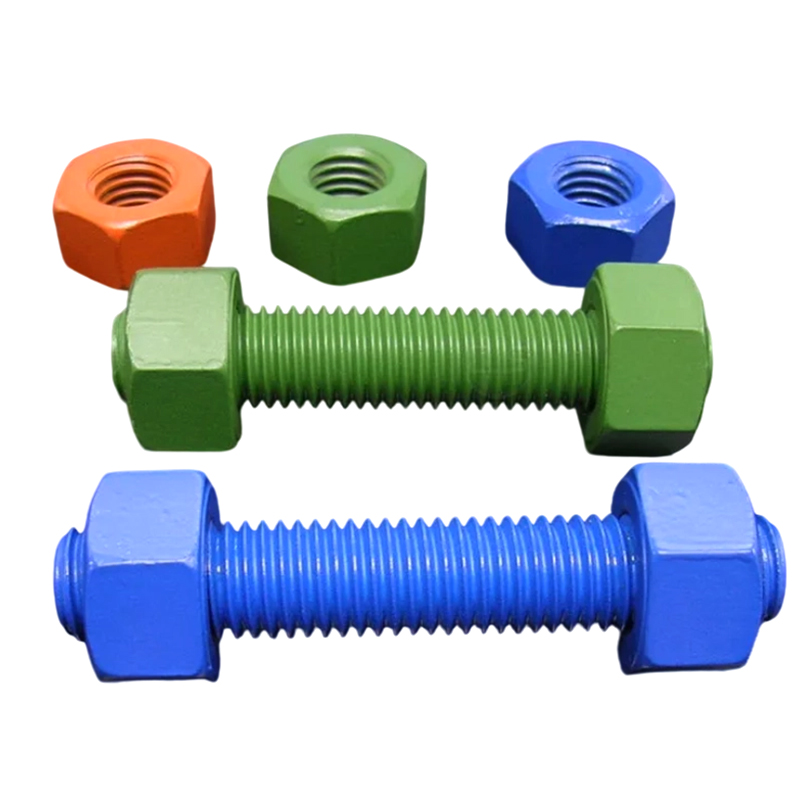 Alloy Steel M27*300 PTFE / Dacromet Coating B7 Threaded Rods Studs
 China High Carbon Steel Double Open End Spanner Portable Hand Wrench for Auto Repair, Support Custom Drawing & Sample Processing
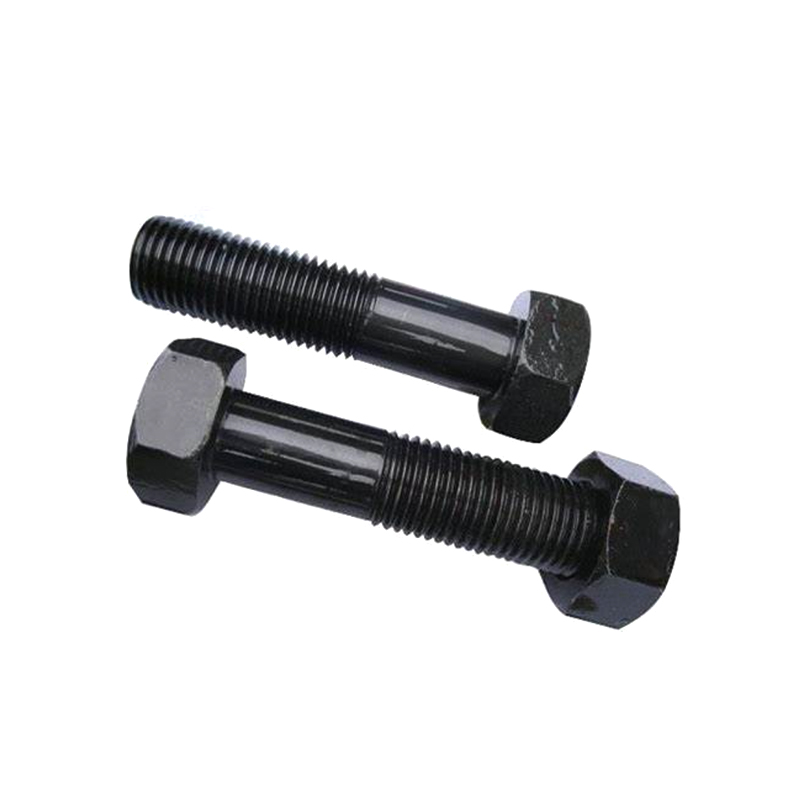 Alloy Steel M10*100 External Hex head Screw Black Oxide Bolts
 Alloy Steel Zinc Plated Cross Lug Wrench
 Contact Information
 Address


 中文简体
 Português
 Español
 Deutsch
 русский
 عربى