
Content
Two studs arrive in the same crate and look identical: same thread, same black oxide finish, same grade stamp style on the end. One is ASTM A193 Grade B7, the other is Grade B16. The difference between them comes down to a single alloying element and one extra step in the heat-treat furnace, and that difference decides whether a hot flange still holds its bolt load after eight years of service.
The short answer
One consequence follows immediately: B7 and B16 are not interchangeable at the purchasing desk. If a drawing calls for A193 B7 and a supplier offers B16 as an upgrade, that is an engineering change, not a substitution. The paperwork, the marking and the joint calculation all have to agree before the stud goes into the flange.
Grade B7 is essentially AISI 4140/4142 steel: 0.38-0.48% carbon, 0.80-1.10% chromium, 0.15-0.25% molybdenum, no deliberate vanadium addition. Grade B16 keeps the chromium level but roughly triples the molybdenum to 0.50-0.65% and adds 0.25-0.35% vanadium.
That vanadium is the whole story. It forms fine, stable carbides that resist coarsening while the steel sits at temperature for years. Because those carbides stay where they were put, B16 can be tempered harder and hotter than B7 and still meet the same 125 ksi tensile minimum. B7 is tempered at a minimum of 1100°F (593°C); B16 is tempered noticeably higher, commonly in the 1150-1250°F (620-675°C) range.
A hotter temper normally softens steel, so how does B16 hold its strength? The chemistry is designed to make that possible. Two studs that both pass a tensile test at room temperature can behave very differently after five years at 900°F, and that is the gap the specification is trying to close.
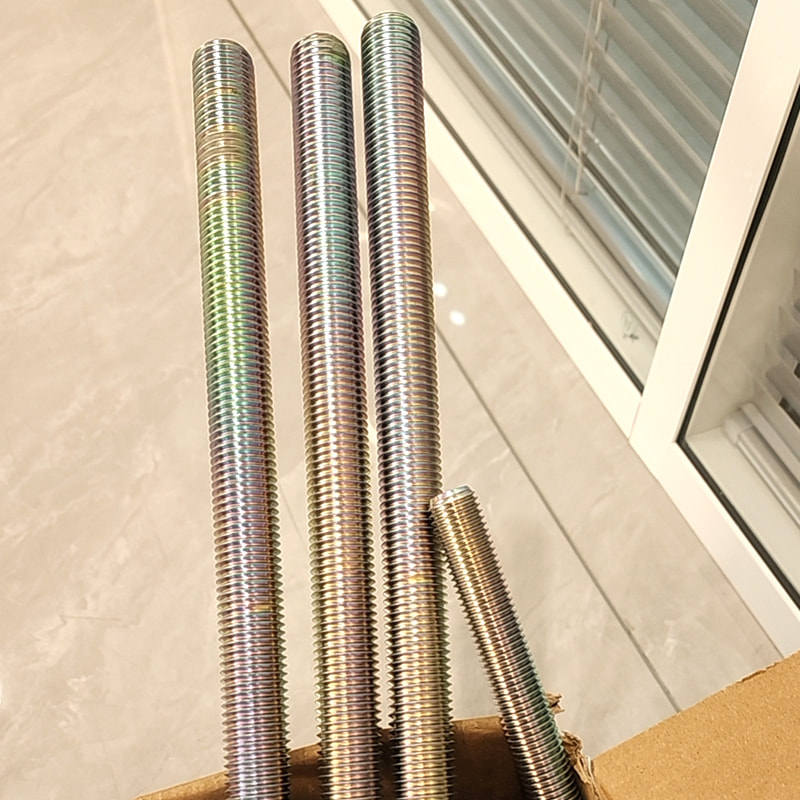 3/4*10" Zinc Plated / Black Oxide / Hot Dip Galvanized B7 Threaded Rods3/4"×10" B7 Alloy Steel Threaded Rods deliver exceptional strength, temperature resistance, and corrosion protection in one reliable fastener. Whether you're securing ...View Product →
B7 remains the volume grade by a wide margin, and the sourcing rules around it, including documentation expectations for oil and gas piping work, are covered in this B7 threaded rod grade and selection guide.
Both grades must reach 125 ksi tensile and 105 ksi yield up to 2-1/2 in, with a hardness cap of 321 HBW (35 HRC). Torque tables for the two grades are therefore close to identical.
Vanadium plus a higher tempering temperature slows the loss of bolt preload. This is a creep and relaxation property, and it never shows up on a room-temperature certificate.
B16 typically carries a 15-35% price premium and is often produced per heat lot, while B7 is stocked in depth in UNC and metric diameters.
Values reflect ASTM A193 minimum requirements and widely accepted industry practice; hot-service ceilings are engineering guidance rather than code-mandated limits.
A hot flange rarely fails because the stud broke. It fails because the stud slowly stretched, the gasket lost compression, and the joint started weeping. Both grades start at the same preload, so the question is how much of that preload survives. B7 and B16 track each other closely through about 700°F and then diverge quickly.
700°F
800°F
900°F
1000°F
B7 B16
Bars show an illustrative retained-preload index (100 = full initial preload) to make the trend visible. Real joint behaviour also depends on gasket type, joint stiffness, initial bolt stress and flange rotation.
Two practical readings come out of this. First, the crossover sits between 800°F and 900°F, which matches the field habit of specifying B16 for hot reheat steam, hydroprocessing reactors and hydrogen service. Second, if a joint at 850°F is already leaking and re-torquing every shutdown, changing the stud grade does more for you than tightening the torque value. Also worth noting: B7 exposed above its tempering temperature is permanently softened and should not be reused, no matter how good it looks after cleaning.
These two grades do not split the market evenly. The illustrative distribution below shows where high-temperature A193 bolting demand concentrates, and why grade selection requests differ so much from one project to the next.
Segments are an approximate industry estimate for illustration, not a measured market study.
B7 dominates the cooler end of every one of those segments: utility piping, class 150 to 600 flanges, valve bonnets and general plant maintenance. B16 concentrates where designers are worried about relaxation over a 20-year life, which is why it shows up disproportionately in hydroprocessing, hot steam and high-pressure hydrogen circuits even though it represents a small share of total tonnage.
Below roughly 800°F with a standard gasket, B7 is normally sufficient. Above 800°F, or where leak-tightness must survive repeated thermal cycling, B16 is the safer engineering choice.
If the line list or drawing calls out A193 B7, delivering B16 requires written engineering approval. The grade stamp on the stud must match the certificate and the drawing.
For sour service the choice is B7M with a 235 HBW maximum and 100% hardness testing, or an austenitic grade such as B8M. For sub-zero service the answer is A320 L7 or L7M. B16 does not solve either problem.
A194 Grade 2H is the usual pairing with B7; above about 800-850°F, A194 Grade 7 nuts are commonly specified with B16 studs. Coating choice is a separate temperature decision covered below.
B16 adds a 15-35% premium and often ships from a dedicated heat lot, so schedule risk is real. For non-standard lengths, special head geometry or a proprietary stud pattern, a custom manufacturing route is usually faster than hunting for a catalogue item, and our OEM and ODM fastener service covers drawing-based production.
Grade selection is only half of the purchase. The nut has to be harder than the stud so that thread stripping does not become the failure mode, and the coating has to survive the same temperature as the stud. This is where a technically correct B16 stud can still fail in service.
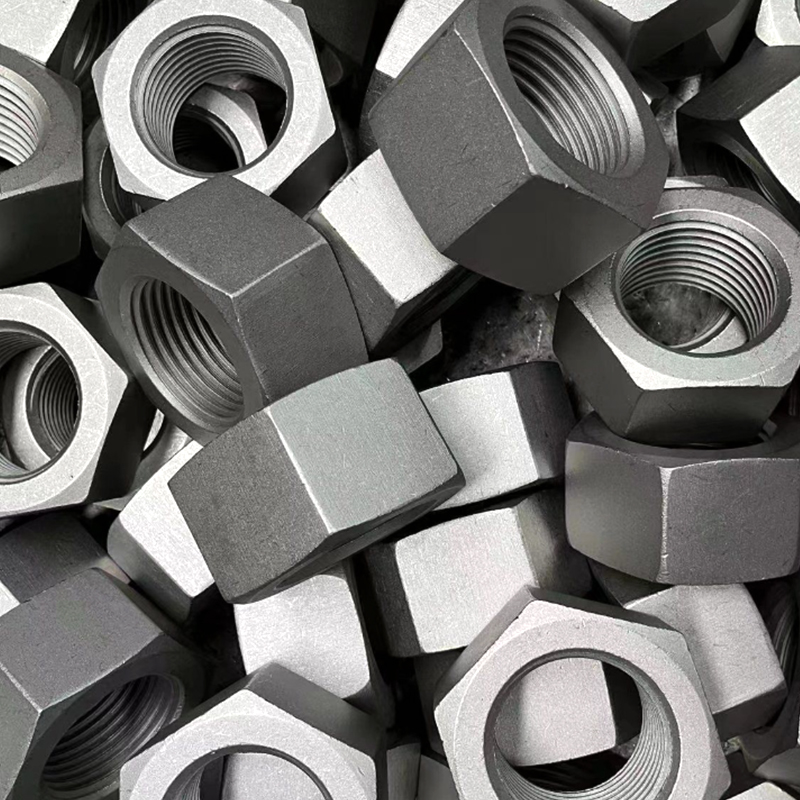 ASTM A194 B7 Black Heavy Hex NutsASTM A194 B7 Black Heavy Hex Nuts are high-strength, heavy-duty hex nuts specifically engineered to pair with ASTM A193 B7 alloy steel bolts in high-temperature and hi...View Product →
A194 Grade 2H nuts are quenched and tempered to a higher hardness than the studs they carry, which is why the B7 stud with 2H nut combination is so common. Above roughly 800-850°F, Grade 7 nuts are typically used so that the nut does not become the weak link. Coating limits are just as concrete: PTFE-based coatings are generally used up to about 500°F, and hot-dip galvanizing is avoided in continuous service above roughly 400°F because zinc and iron interdiffuse and the coating degrades. Above those temperatures, black oxide or a bare alloy surface with an appropriate lubricant is the realistic option.
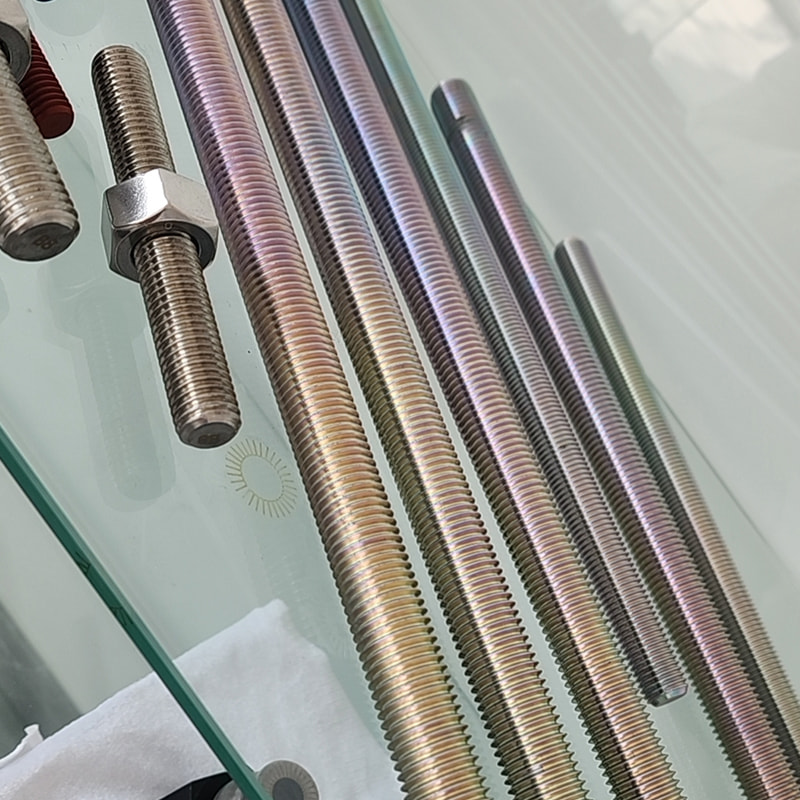 Alloy Steel M27*300 PTFE / Dacromet Coating B7 Threaded Rods StudsAlloy Steel M27×300 PTFE/Dacromet Coated B7 Threaded Rods combine high-temperature strength with advanced corrosion protection. Whether securing critical flanges on of...View Product →
Coating and lubricant also change the torque-preload relationship. A stud with a Dacromet or PTFE finish reaches a given preload at a much lower wrench torque than a dry, black-oxide stud. When you change the finish, re-check the torque value against ASME PCC-1 rather than reusing the number from the previous project.
If the joint runs below about 800°F and the specification calls for B7, buy B7 and spend the difference on correct bolt-up procedure. If the joint runs hotter, cycles thermally, or has a history of leaking between turnarounds, the vanadium and higher tempering temperature in B16 are buying you something measurable: bolt load that is still there in year ten. The two grades share a strength class and a torque table, but they do not share a service life at temperature, and that is the difference that matters.
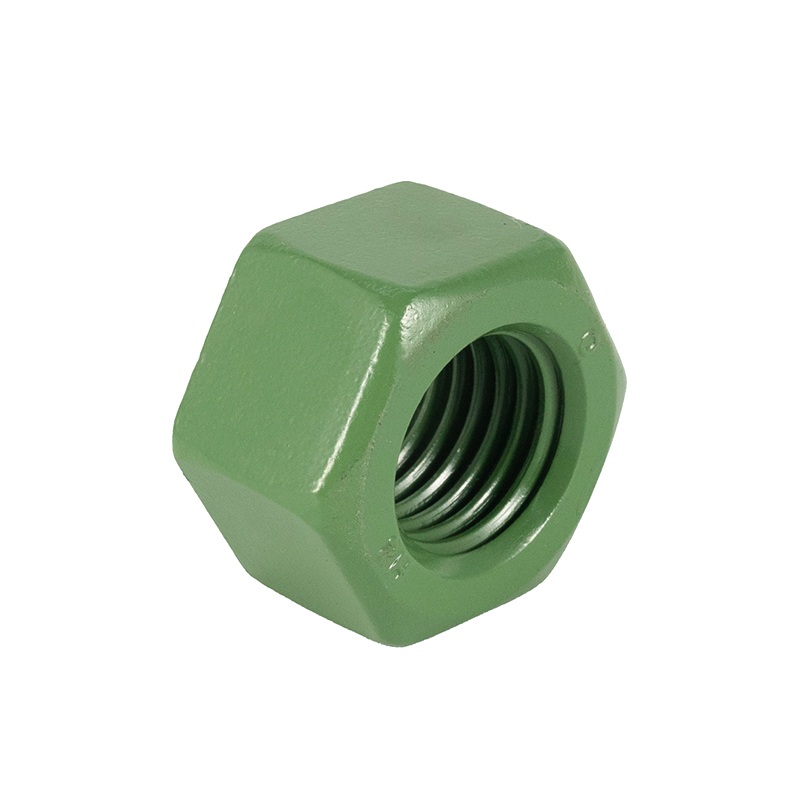 Black Hot Dip Galvanized Heavy Hex Nuts
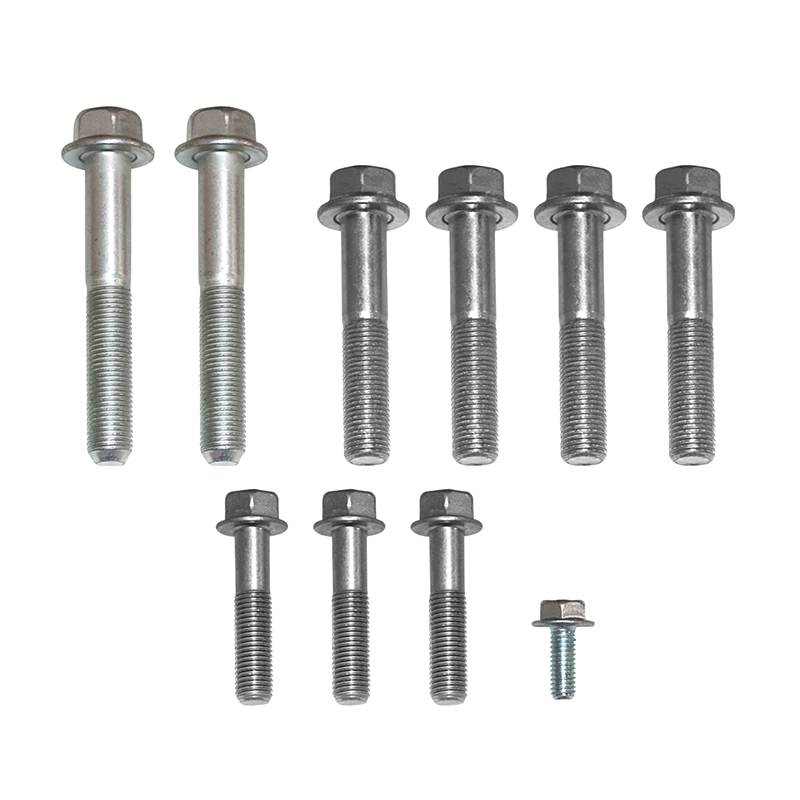 M10*160 Alloy Steel Phosphated Hex Flange Bolts
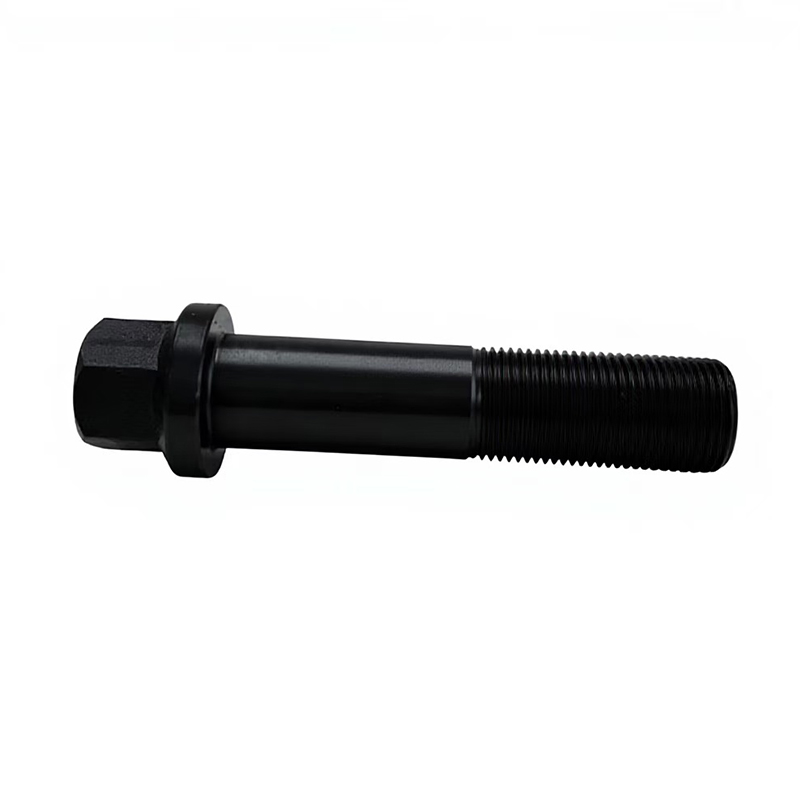 M8×60 Alloy Steel Grade 8.8 Zinc-Plated Hex Head Flange Bolt Cylinder Bolts
 10*75*2 Double-Ended Straight Handle Lug Wrench Spanner
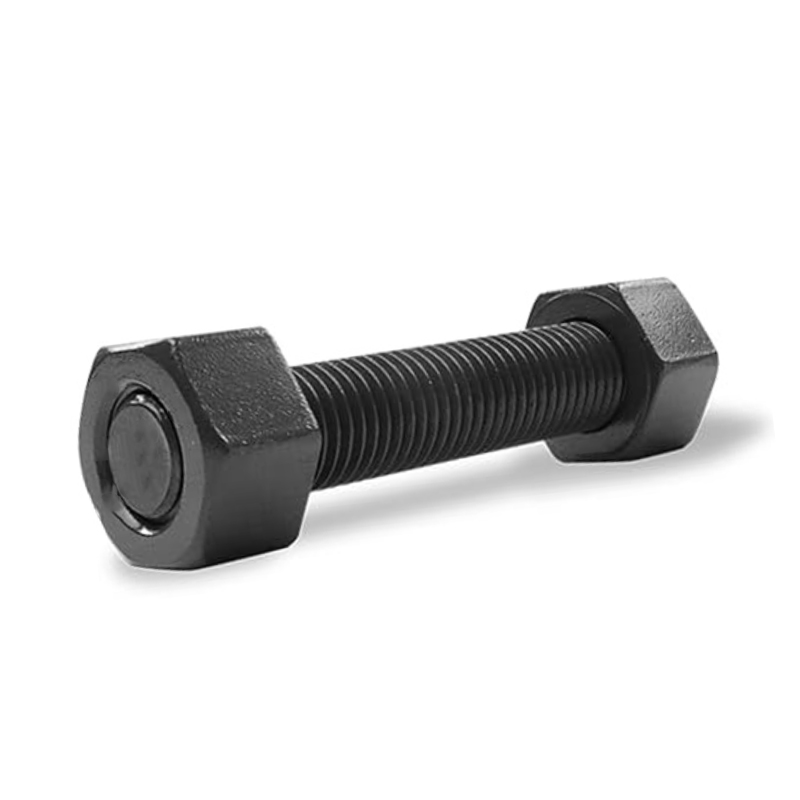 Carbon Steel M16×300 Grade 8.8 Galvanized / Black Full Threaded Bar
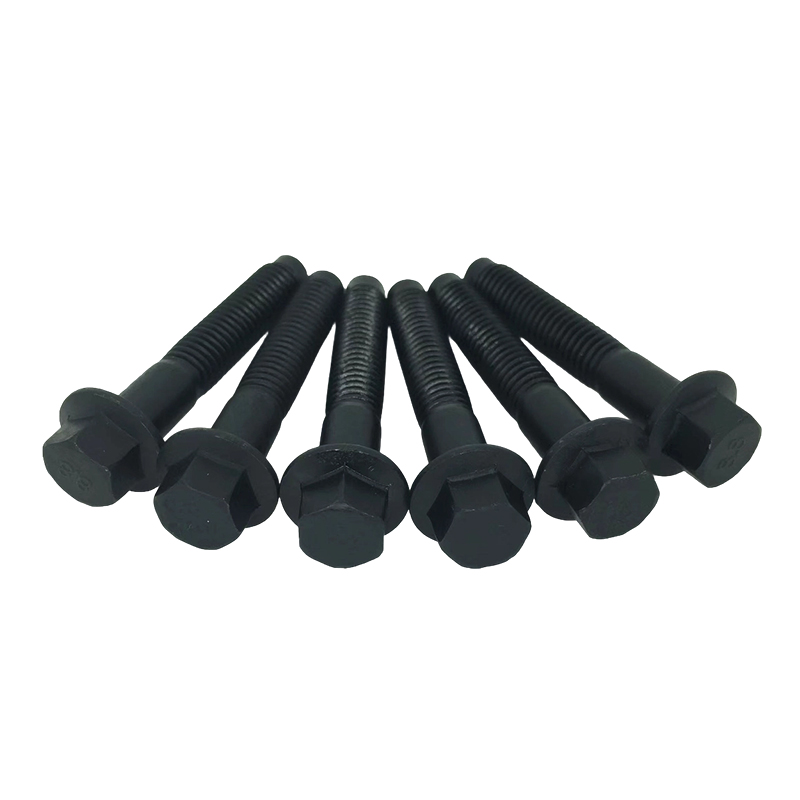 M5*10 Grade 8.8 Carbon Steel Flanged Hex Head Bolts
 Contact Information
 Address



 中文简体
中文简体 Português
 Español
 Deutsch
 русский
 عربى
عربى