
Content
A carriage bolt that spins in its hole has already failed, even though nothing has cracked yet. That moment usually arrives on a trailer side panel or a dock rebuild, when the nut reaches real torque and the dome head turns freely instead of biting into the timber underneath. Replacing a spinning bolt costs far more than the bolt itself, so the type has to be right before the first hole is drilled.
The short answer: five carriage bolt types cover almost every order - standard square neck, ribbed neck, short neck, flat counterssunk head, and plain round head with no neck. Choose by hole condition and material thickness first, head profile second. A square neck locks into sound wood or a square punched hole, ribs grip holes that are worn or drilled oversize, a short neck seats in thin panels, a flat head keeps a walking surface flush, and a no-neck bolt only works when you can hold the head during tightening.
All five share the same anatomy: a low dome head, a short unthreaded section under the head, a coarse thread, and a length measured from under the head to the tip. What changes is the neck, and that one feature drives price, installation method and failure risk.
Made to ASME B18.2.1 in inch sizes and DIN 603 / ISO 8677 in metric. The four-sided neck is drawn into the hole as the nut tightens, so the surrounding material resists rotation instead of the wrench. Common diameters run from 1/4 in. to 1-1/2 in., and M6 to M24 in metric.
A round neck with vertical ribs or fins. The ribs displace material and lock into oversized, elongated or weathered holes where a square neck cannot get a clean bite. Truck bodies and agricultural equipment use them heavily, because field repairs rarely produce a fresh, tight hole.
The square neck is shortened so the head sits flat on thinner material - sheet metal, plywood, composite panels - instead of standing proud on a neck that never seats. This is the type to specify when a standard neck leaves a visible gap under the head.
A flat head with the same square neck, used where nothing may protrude: elevator walls, walkway surfaces, marine decking and furniture. The seat must be countersunk to match; a partial seat concentrates load on the hole edge and crushes the surrounding material.
Dome head, plain shank, no anti-rotation feature at all. It relies entirely on the installer holding the head, so it belongs in assemblies with access from both sides. Cheaper per piece, but it will spin in any hole that is not clamped on the first turn.
Outdoor timber, docks and pole-line hardware normally call for hot-dip galvanized square-neck carriage bolts, since the coating survives decades of wet service that zinc plating will not. If you are unsure which neck profile matches an existing assembly, the head and neck breakdown in this guide to carriage bolt and hex bolt profiles is a useful cross-check before ordering.
Substitutions happen most often at the counter, when a buyer is told that a step bolt or a lag screw will "do the same job." The head and neck geometry say otherwise, and the difference shows up as spinners, crushed panels or a head that sits above the wear surface.
A lag screw cuts its own thread and needs no nut, so it cannot replace a through-bolted carriage bolt where clamp load must be controlled. A step bolt has a lower, wider head but weaker anti-rotation geometry, and an elevator bolt spreads load over a larger area without the same neck bite.
Retention is rarely printed on a datasheet, yet it is the number that predicts whether a bolt spins. The chart below compares neck styles by the bearing area they develop against the hole wall and the material they displace as the nut is tightened. Values are a relative index, with the ribbed neck set at 100 for a hole roughly 1/16 in. oversize.
A drilled hole that runs 1/16 in. or more oversize removes most of the square neck's bite, which is the single most common cause of spinners reported on site.
Order data across industrial fastener distribution clusters into five demand pockets. The split matters for stock planning, because a ribbed neck is not interchangeable with a standard square neck in every one of them.
Most complaints about carriage bolts trace back to specification, not manufacturing. Walking these six points before releasing a purchase order prevents nearly all of them.
Most carriage bolts are low-carbon steel to ASTM A307 Grade A, with 304 or 316 stainless specified for food, marine and chemical exposure. Hot-dip galvanizing per ASTM A153 or F2329 adds a coating thick enough to require over-tapped nuts, and mixing an untreated nut with a galvanized bolt usually ends in a stripped thread rather than a loose joint. Where strength grades above Grade 2 are used with electroplating, hydrogen embrittlement must be addressed through baking after plating.
For regulated projects, confirm that the bolt meets the drawing standard (ASME B18.2.1, DIN 603 or ISO 8677), that the coating specification is stated by number rather than by description, and that RoHS or REACH declarations are on file if the finished product is sold to consumers.
Carriage bolt selection comes down to one question: what will stop the bolt from turning when the nut is tightened? Answer that with neck geometry, verify it against hole condition and panel thickness, then lock the finish to the environment. Get those three right and the fifth type on the list is the only one you will never need indoors.
Non-standard neck heights, imperial lengths that sit between catalogue steps and special head profiles are common requests for trailer, marine and equipment builders. Custom tooling and drawing-based production are handled through the OEM and ODM program, which is the practical route when the hole in the field does not match anything in a standard table.
 Flat Head Jack Screw Rods
 M6*100 Carbon Steel Galvanized External Hex Bolts
 China High Carbon Steel Double Open End Spanner Portable Hand Wrench for Auto Repair, Support Custom Drawing & Sample Processing
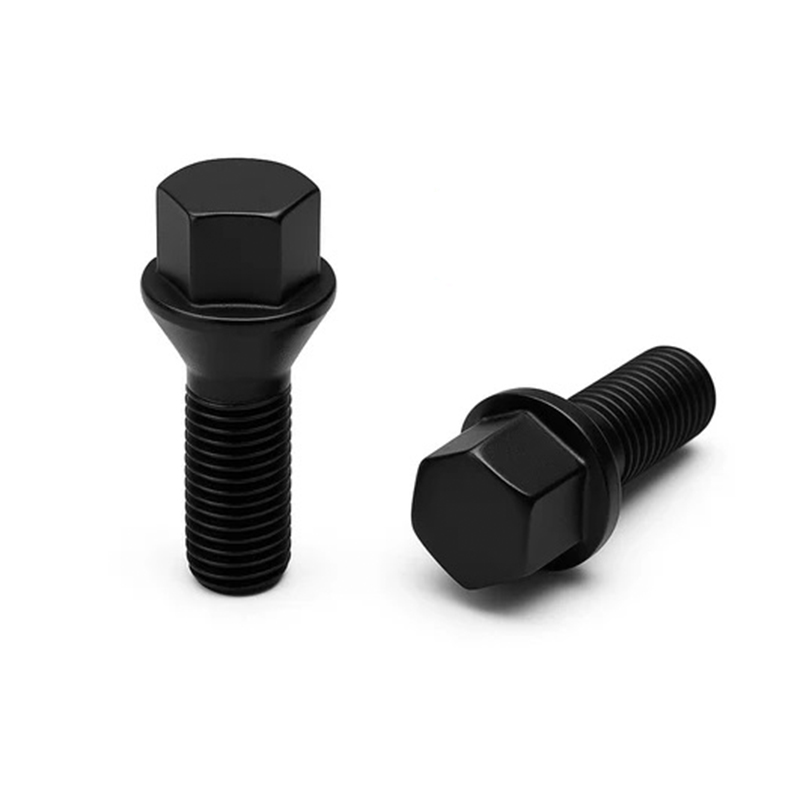 Plain Carbon Steel Flat Seat Lug Bolt ASME B18.2.1
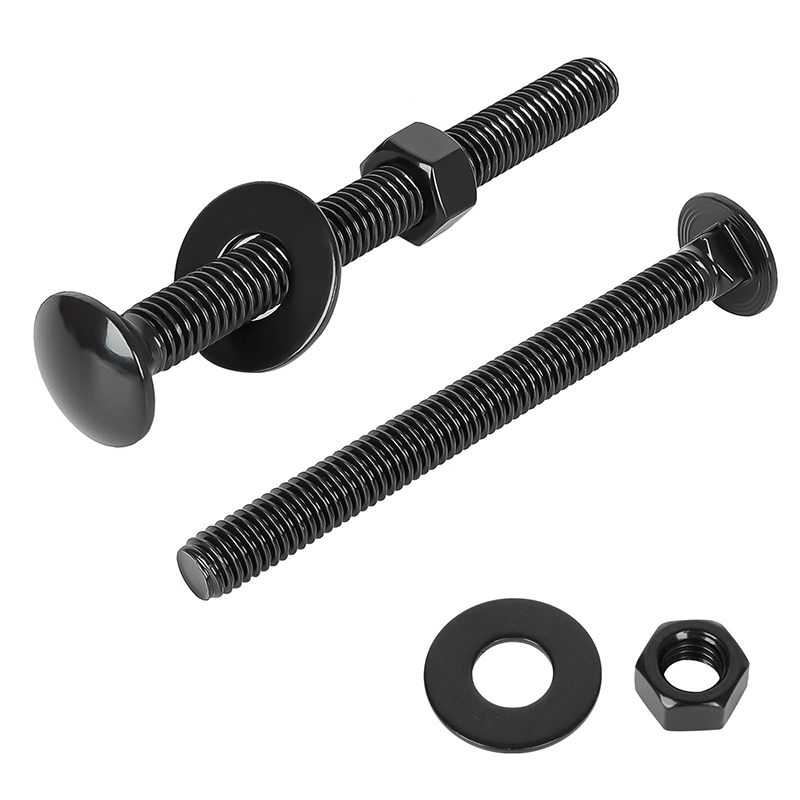 Hot-Dip Galvanized Carbon Steel Carriage Bolt
 XD110 Flat & Round Shape Universal Rope Braiding Machine
 Contact Information
 Address



 中文简体
中文简体 Português
 Español
 Deutsch
 русский
 عربى
عربى