
Content
During the material take-off stage of a transmission tower foundation, the anchor bolt diameter is usually locked by the baseplate geometry, not by the load. When a 1-inch Grade 36 rod can deliver only about one-third of the yield capacity required for the design uplift, the practical solution is rarely to re-drill the plate; it is to move to ASTM F1554 Grade 105 in the same diameter. This grade is a quenched-and-tempered alloy-steel anchor bolt with a minimum yield strength of 105 ksi, nearly double the yield strength of Grade 55 and almost triple that of Grade 36.
Key conclusion: If your design needs high strength, predictable ductility, and a recognized structural anchor specification, ASTM F1554 Grade 105 is the right default for heavy anchors. Three details decide whether it performs as intended: the mechanical values drop above 2-1/2-inch diameter, the rod must not be welded, and the nut and washer combination must be matched to the 125 ksi tensile rating.
The F1554 specification covers headed anchor bolts, straight anchor rods, and bent anchor bolts. The number in the grade name is the guaranteed minimum yield strength in ksi. Grade 36 uses carbon steel, Grade 55 uses higher-strength carbon steel, and Grade 105 requires a medium-carbon alloy steel that is quenched and tempered. The difference is metallurgical, not cosmetic, and it shows up on every test report.
ASTM F1554 Grade 105 is available from 1/2 inch through the maximum diameter covered by the standard's mechanical tables. The table below lists the values a certified test report must meet before the material leaves the mill.
105 ksi minimum yield
Guaranteed in the 1/2 to 2-1/2 in. range; the "105" in the grade name is a promise, not a target.
15% minimum elongation
Enough ductility to bend, align, and tension without brittle fracture in normal field conditions.
Quenched and tempered alloy steel
Heat treatment creates a consistent tempered-martensite structure across the bar section.
| Property | Diameter 1/2 - 2-1/2 in. | Diameter over 2-1/2 in. |
|---|---|---|
| Tensile strength, min (ksi) | 125 | 115 |
| Yield strength, min (ksi) | 105 | 95 |
| Elongation in 2 in., min (%) | 15 | 15 |
| Reduction of area, min (%) | 45 | 45 |
| Material and heat treatment | Medium-carbon alloy steel, quenched and tempered | |
The oversize-diameter row is where specification mistakes happen. A number of structural details assume 105 ksi yield regardless of diameter, but the standard itself calls for lower values on large-diameter bars. Always confirm the actual diameter with the manufacturer before accepting a mill certificate.
Selecting a grade is an exercise in cost against strength. The comparison below positions the three F1554 grades so the real spacing between them is visible.
| Property | Grade 36 | Grade 55 | Grade 105 |
|---|---|---|---|
| Minimum yield strength (ksi) | 36 | 55 | 105 |
| Minimum tensile strength (ksi) | 58 | 75 | 125 |
| Typical material | Carbon steel | Carbon steel, normalized for large sizes | Alloy steel, quenched and tempered |
| Welding behavior | Weldable with normal precautions | Weldable within the limits of the standard | Not intended for welding |
| Relative material cost | Lowest | Moderate | Highest |
Grade 36 covers light foundations and temporary works. Grade 55 handles most ordinary column-baseplate anchors. Grade 105 earns its premium when overturning moments, dynamic equipment loads, or limited baseplate dimensions leave no room for a larger bolt. Because tensile capacity scales with the square of the diameter, moving from Grade 55 to Grade 105 can reduce a 2-1/4-inch rod to roughly 1-3/4 inches at the same working load, shrinking the baseplate, the edge distances, and the embedment depth in one step.
Grade 105 is not simply stronger in a generic sense. The quench-and-temper cycle develops tempered martensite, which provides high yield strength while preserving enough ductility to bend without cracking. The 15% minimum elongation matters in the field because erectors routinely spring misaligned anchor rods back into position or bend the top leg of a J-anchor to match a template.
Above 2-1/2 inches in diameter, ASTM F1554 Grade 105 steps down to 95 ksi minimum yield and 115 ksi minimum tensile. If a design uses a 3-inch rod and still assumes 105 ksi yield, the connection is calculated about 10% above its guaranteed capacity. The bar chart below shows the yield values across the grade family.
Minimum yield strength by F1554 grade (ksi)
36
Grade 36
55
Grade 55
105
Grade 105
95*
Grade 105 >2-1/2 in.
Bar height is scaled to the ksi value; *value applies above 2-1/2-inch diameter.
Hot-dip galvanizing to ASTM A123/A153 is the most common corrosion protection for anchor bolts because embedded steel needs long service life. Grade 105 is a high-strength alloy steel, and the acid-cleaning step before galvanizing can introduce hydrogen into the steel. A responsible manufacturer controls pickling time and bath temperature, and many project specifications add a hydrogen-embrittlement verification after galvanizing. For a full review of finishes and their process risks, see our bolt surface treatment types complete selection guide.
F1554 Grade 105 must be assembled with heavy hex nuts to ASTM A563 Grade DH or DH3 (ASTM A194 Grade 8 is also recognized) and hardened washers to ASTM F436. A standard hex nut is not strong enough for a 125 ksi bolt, and skipping the hardened washer lets the nut embed into softer plate steel.
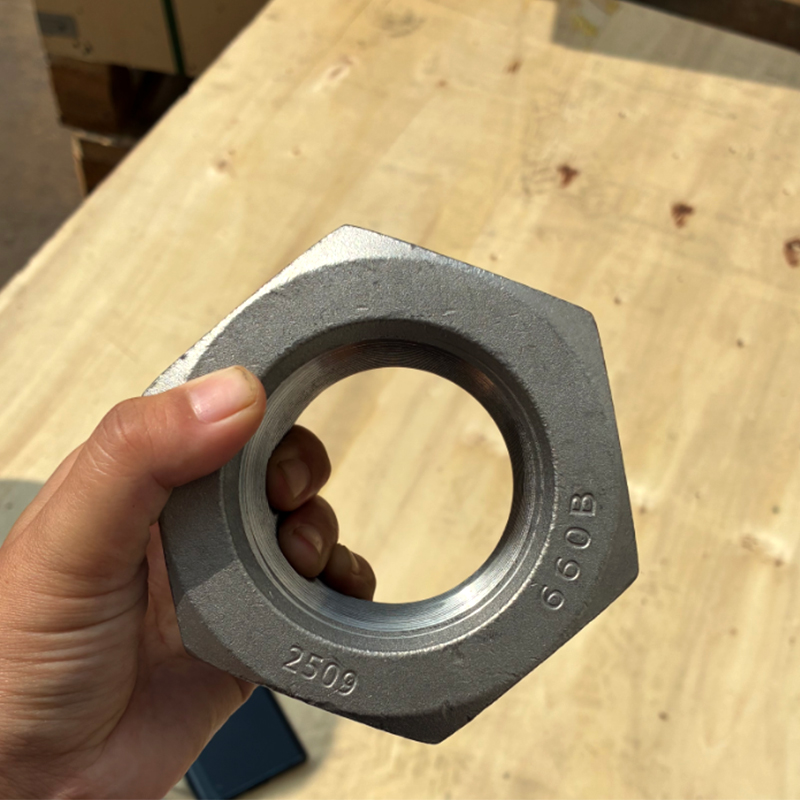 Hot-Dip Galvanized Heavy Hex Nut for High-Strength Anchor BoltsThis heavy hex nut with a hot-dip zinc coating is specified for F1554 Grade 105 anchor bolts, matching the required A563 DH or DH3 strength and preventing nut embedment when paired with hardened washers.View Product →
Welding heats a quenched-and-tempered bar above its tempering temperature, destroys the heat-treated microstructure, and leaves a soft, weak heat-affected zone. The F1554 system therefore treats Grade 105 as a mechanical-only connection. If the anchor layout demands welding, design a threaded coupler extension or step down to Grade 55 and follow the standard's welding provisions.
Demand for Grade 105 follows the structures that are tall, slender, or heavily loaded. The distribution below represents a typical project portfolio; actual mixes vary by region, but the pattern is consistent: the industries that cannot afford a large anchor bolt are exactly the ones that specify the highest grade.
Transmission towers, high-mast lighting, and antenna structures put anchor bolts into constant tension from wind loads and, in seismic zones, into cyclic overturning. Industrial plants use Grade 105 where skid-mounted compressors, mills, and crushers create repeated load cycles on foundations. Bridges and transportation structures use it for sign support frames, gantries, and light standards where stiffness of the anchor assembly participates in the dynamic analysis. In all three cases, the common thread is the same: the bolt diameter is limited, so the grade must carry the load.
Anchor bolts are among the least expensive items on a construction schedule, yet a wrong grade or a missing test report can stop an entire erection sequence. Use the following steps as the backbone of your purchase specification.
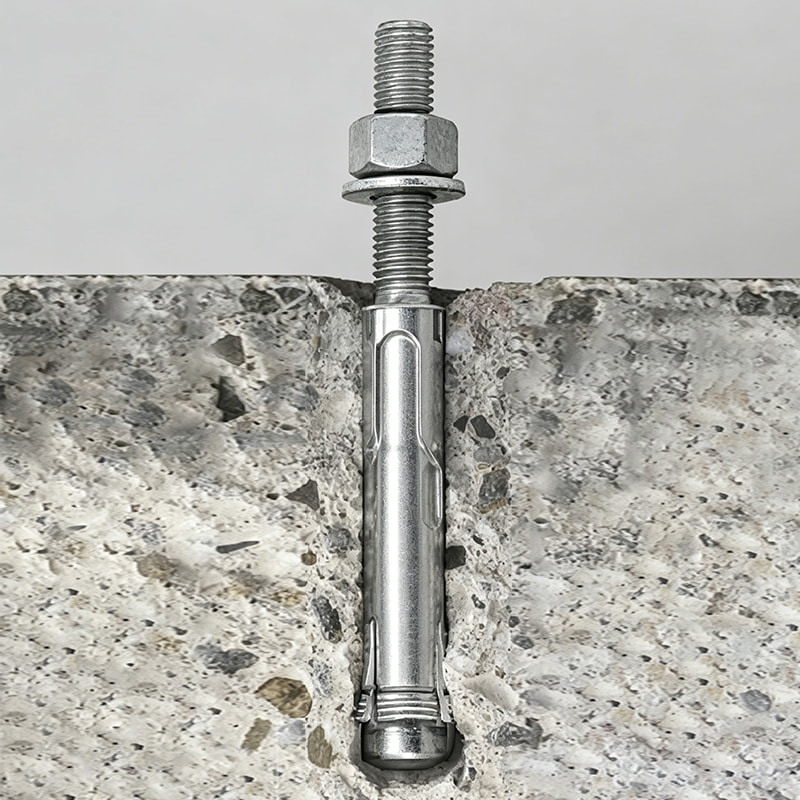 ASTM F1554 Carbon Steel Hot-Dip Galvanized Anchor BoltA customizable anchor bolt in F1554 Grades 36, 55, or 105, with hot-dip galvanizing for corrosion resistance. It is central to the purchasing steps that help avoid costly erection delays from wrong grades or missing test reports.View Product →
If you need help verifying a specification against a project drawing, send the drawing to us through the contact page before you commit to a supplier. We regularly support fastener packages for steel structures, and for sizes or custom forms outside the standard range we can discuss OEM/ODM production directly.
Receiving inspection is the last quality gate before an anchor bolt disappears into concrete. A short checklist keeps the delivered hardware aligned with the design intent.
If a project requires re-testing, work with the manufacturer to sample from the original heat rather than accepting field-sourced substitutes. Compliance after installation depends on the owner's records, so file the mill certificates together with the shop drawings and installation torque records. That file is also the fastest evidence of conformity during an audit.
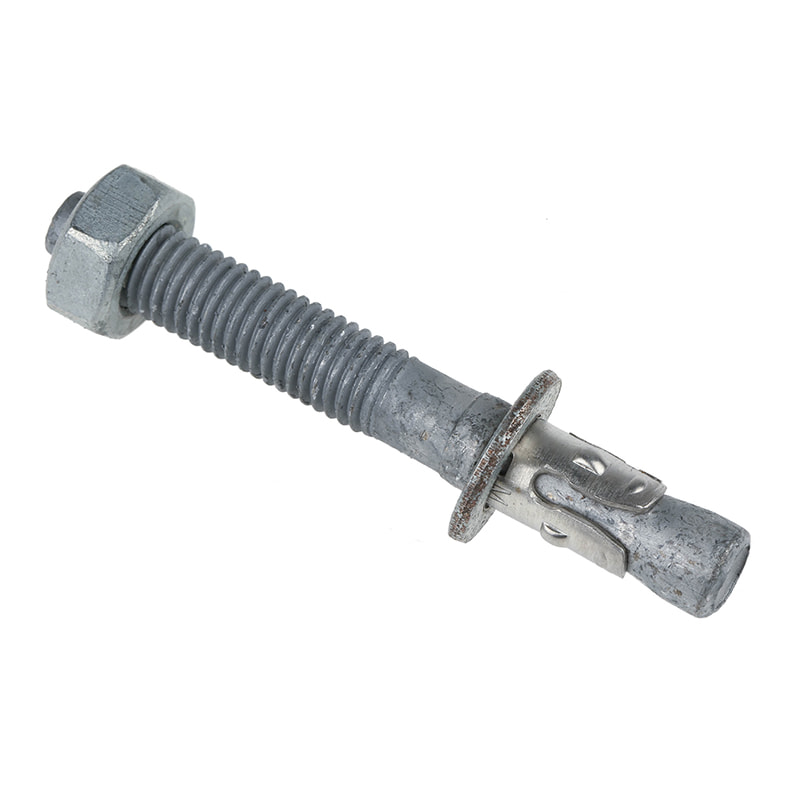 ASTM F1554 Carbon Steel Hot-Dip Galvanized Anchor Bolt
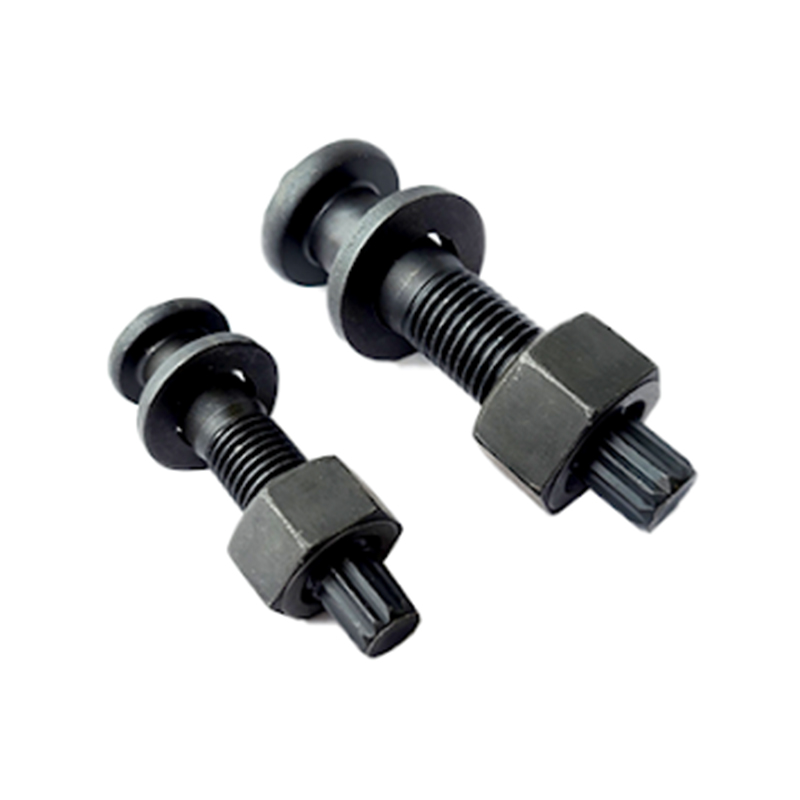 ASTM F2280 A490 Torque Shear Bolt Hot-Dip Galvanized
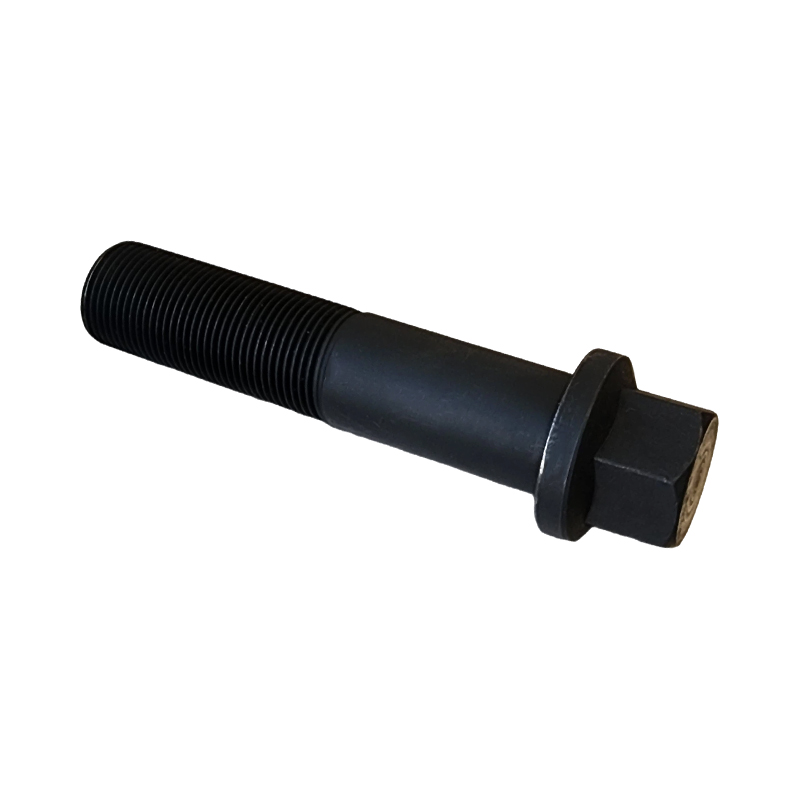 M8×100 Alloy Steel Grade 8.8 Phosphate Coated Cylinder Hex Head Flange Bolts
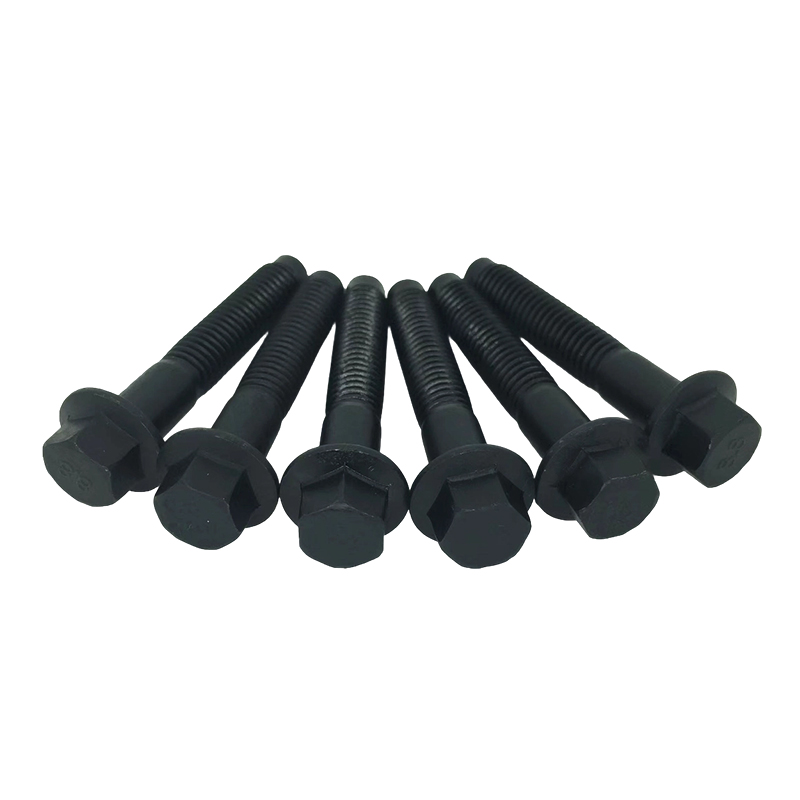 M5*10 Grade 8.8 Carbon Steel Flanged Hex Head Bolts
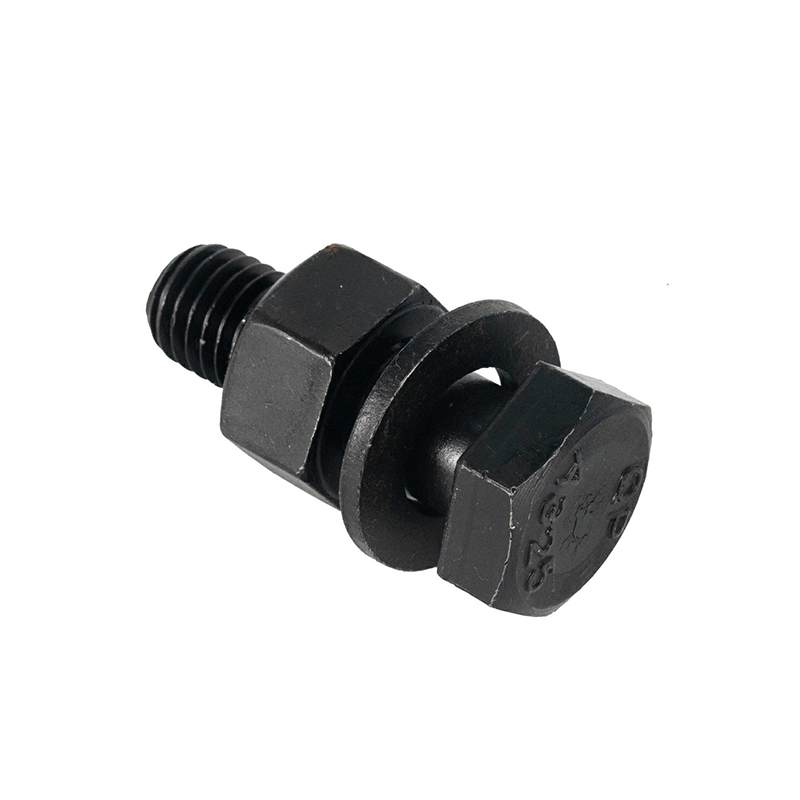 ASTM F1852 A325 Heavy Hex Twist-Off Bolt Plain Carbon Steel
 Grade 8.8 M8*100 Alloy Steel Hot Dip Galvanized External Hexagon Bolts
 Contact Information
 Address



 中文简体
中文简体 Português
 Español
 Deutsch
 русский
 عربى
عربى