
Content
Bottom line: ASTM F1554 Grade 55 is the most frequently specified anchor bolt grade for structural steel and equipment anchorage in North American projects. It provides a 55 ksi minimum yield strength, remains weldable and ductile, and performs reliably with hot-dip galvanizing, making it the default choice for column base plates, embedded anchorage, and plant equipment supports.
When a structural drawing calls out "ASTM F1554 Gr 55" on a base plate detail, the contractor has to know exactly what that means before ordering. The designation points to a specific standard for steel anchor bolts, not a general structural bolt. Understanding the material requirements, test obligations, and coating options prevents procurement errors, concrete placement delays, and nonconformance reports on site.
ASTM F1554 is the standard specification for anchor bolts made from steel with three yield strength levels: Grade 36, Grade 55, and Grade 105. The standard governs headed anchor bolts, bent anchor bolts, and straight rods threaded on one or both ends, in diameters from 1/2 to 4 inches.
Grade 55 is a carbon or low alloy steel grade with a minimum yield strength of 55,000 psi. It is selected when the lateral and overturning loads on a structure exceed what Grade 36 can carry, but the connection does not need the quenched-and-tempered strength of Grade 105. Grade 55 also has a practical advantage: it can be welded and galvanized without the special precautions required for heat-treated Grade 105 material.
The tensile requirements in F1554 define the acceptance envelope for each grade. The comparison below summarizes the values that matter for structural design and incoming inspection.
Values are minimums except tensile, which appears as a range. Always confirm against the current revision of ASTM F1554 and the project specification.
The yield and tensile numbers drive the design. Elongation and reduction of area control the bending behavior of the anchor during placement and the ductility available when a connection is overstressed. Grade 55 keeps elongation above 20%, which is why it is accepted in seismic-resisting anchor connections where post-yield deformation capacity is required.
Grade 55 is produced from carbon steel with controlled chemistry. The limits are intended to keep the material formable, weldable, and free of cracking during cold bending or galvanizing. Typical heat analysis limits include carbon up to 0.30%, manganese up to about 1.20%, phosphorus max 0.040%, and sulfur max 0.050%. The exact values depend on bar diameter and the current F1554 revision, so the supplier's mill test report is the authoritative source for a specific lot.
Heating and forming
Heads are formed by hot forging or cold heading. The head must be concentric, with no cracks, laps, or seams that would weaken the load path.
Condition
Grade 55 is supplied in the as-rolled or normalized condition. Quench-and-tempering is not required, which keeps hardness compatible with galvanizing and field welding.
Thread rolling
Threads are typically rolled after heat treatment. Rolled threads retain favorable residual stress at the thread root, improving fatigue resistance in cyclically loaded connections.
Bend test
The standard requires a 90-degree cold bend for qualifying sizes. The outside of the bend must show no cracks, verifying ductility before the bolt is embedded in concrete.
Specifiers rarely compare the tensile-to-yield ratio (TS/YS) across F1554 grades, but it reveals how much deformation an anchor can offer after yielding. Grade 55 sits at about 1.55 on a mid-range basis; Grade 36 is near 1.61; Grade 105 drops to about 1.31. The chart below visualizes the difference.
Higher TS/YS ratio means more plastic deformation before fracture, which improves load sharing among a group of anchor bolts.
Anchor bolts under F1554 use Unified inch screw threads. The typical configuration is UNC series, Class 2A, with thread lengths that follow the standard's table for each diameter. Heavy hex heads are the normal choice for headed bolts, and J-type or L-type bent anchors are specified when the bolt receives load through bond or a hook at the embedded end.
Grade 55 is regularly supplied with hot-dip galvanizing per ASTM A153 because the zinc layer protects the embedded portion of the bolt in wet concrete and exterior exposure. Zinc plating is used in indoor applications, while mechanical galvanizing is an alternative when hydrogen embrittlement is a concern. For severe chemical environments, Dacromet and PTFE-coated systems are also available, but the base geometry and thread tolerance must be adjusted for the coating thickness.
For a structured comparison of zinc, phosphate, Dacromet, and other treatments, see this surface treatment selection guide.
Grade 55 anchor bolts appear in structural steel columns, equipment foundations, dead-end poles, sign structures, and pedestrian bridges. In all of these, the bolt transfers tension and shear from the structure into the concrete foundation through bond, bearing, or end anchorage.
Building & structural steel — 55%
Infrastructure — 20%
Industrial equipment — 15%
Other anchorage — 10%
Share values are indicative of typical specification patterns observed across structural and industrial projects; the actual mix varies by region and project type.
Building and structural steel dominate because column base plates in every braced frame require a pair of anchor bolts per column, and Grade 55 is the default specification for moderate load levels. Infrastructure applications tend to use larger diameters and longer embedment lengths, which is why a manufacturer that can produce threaded rods and anchor bolts from bar stock is an advantage.
Procurement mistakes happen when the purchase order stops at "F1554 Gr 55" without the details a manufacturer needs. A complete callout includes diameter, thread series, total length, thread length, head style or bend type, coating, and quantity. The following steps protect the project:
Step 1 — Mill test report
Confirm heat analysis and mechanical test data against the physical material supplied.
Step 2 — Test certificate
The document should show yield, tensile, elongation, reduction of area, and the bend test result.
Step 3 — Nut grade
Use an appropriate nut, typically ASTM A563 Grade DH or A194 Grade 2H, matched to the bolt strength.
Step 4 — Coating weight
For hot-dip galvanized bolts, verify average coating mass per ASTM A153 and the thickness report.
Step 5 — Marking
Each bolt should carry the manufacturer identifier and grade marking required by F1554.
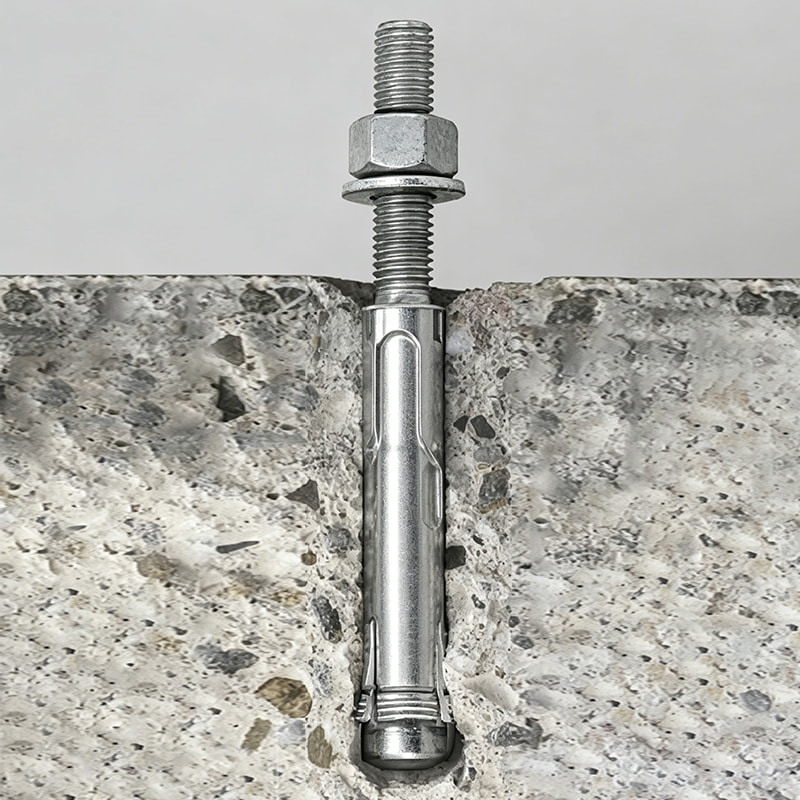 ASTM F1554 Hot-Dip Galvanized Carbon Steel Anchor BoltsThese anchor bolts meet F1554 grade markings and offer hot-dip galvanized corrosion resistance, with customizable dimensions and documented traceability for structural and equipment anchorage applications.View Product →
For standard column base and equipment anchorage details, sourcing hot-dip galvanized anchor bolts directly from a fastener manufacturer with documented traceability saves time. For unusual diameters, thread lengths, or special head configurations, an OEM/ODM arrangement allows the project team to supply stamped drawings and receive batch-tested parts with inspection records tied to each heat.
Once the anchor bolt is cast into concrete, correction options are limited. The inspection effort should happen in two stages: before concrete placement and after the connection is loaded.
Compliance with F1554 Gr 55 is not a paperwork exercise. The combination of yield strength control, bend ductility, chemistry limits, and identity marking is what makes the anchor bolt predictable under design loads. Partnering with a manufacturer that documents each production heat is the most direct way to protect the project from a failed inspection.
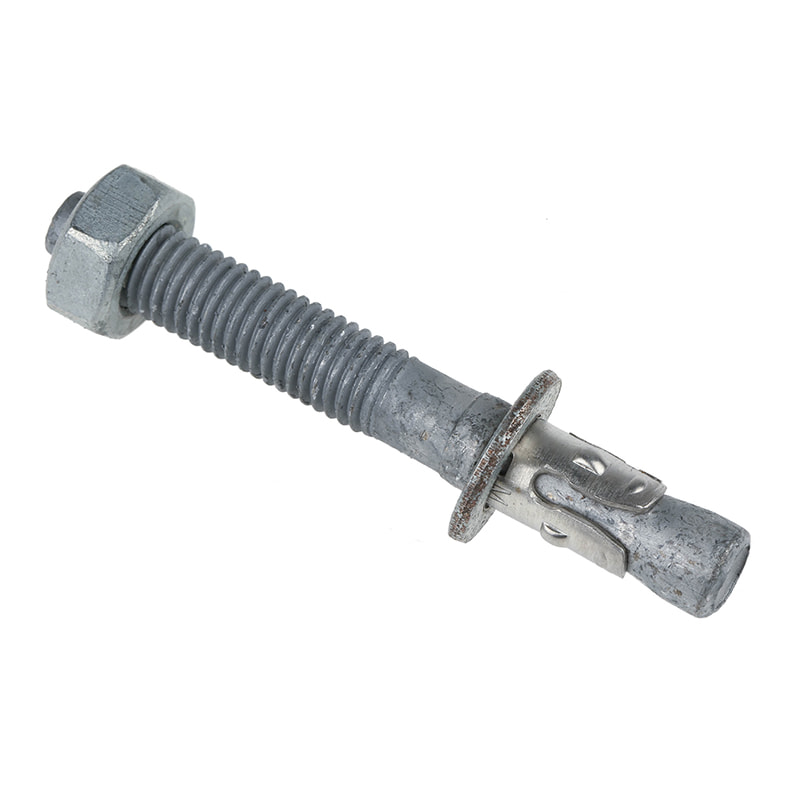 ASTM F1554 Carbon Steel Hot-Dip Galvanized Anchor Bolt
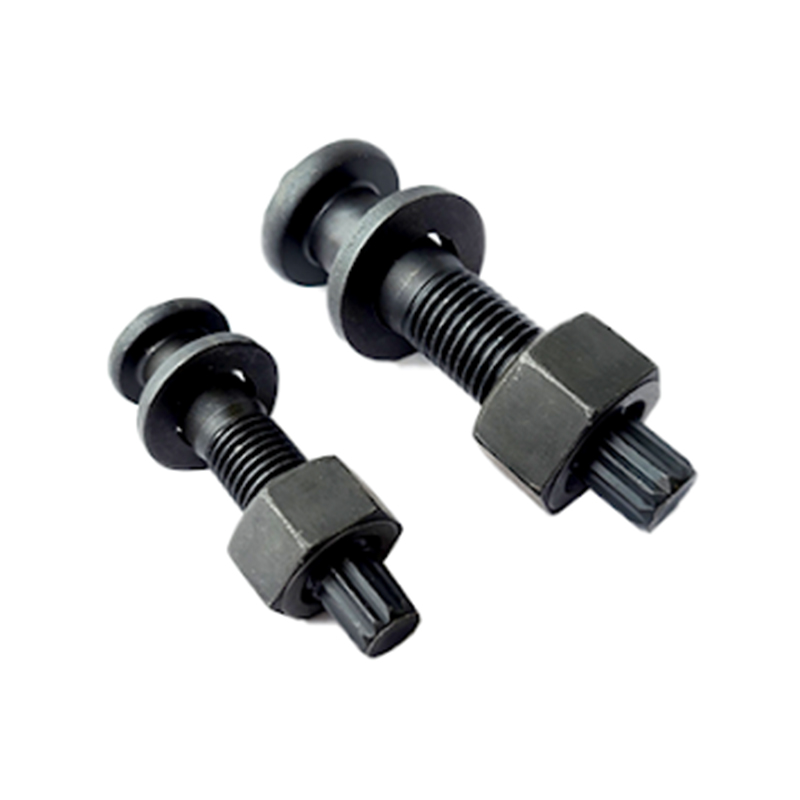 ASTM F2280 A490 Torque Shear Bolt Hot-Dip Galvanized
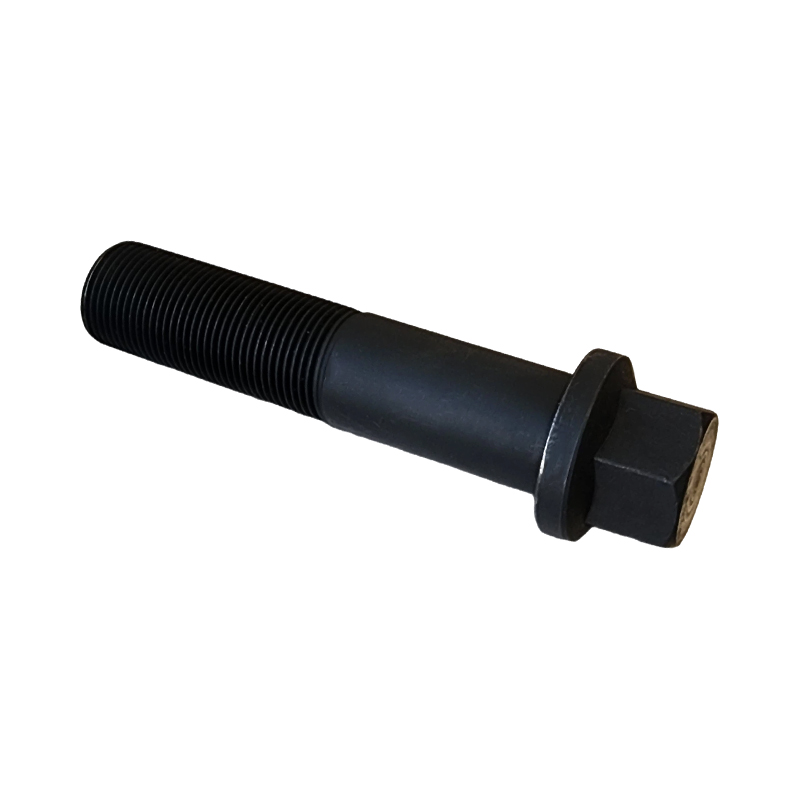 M8×100 Alloy Steel Grade 8.8 Phosphate Coated Cylinder Hex Head Flange Bolts
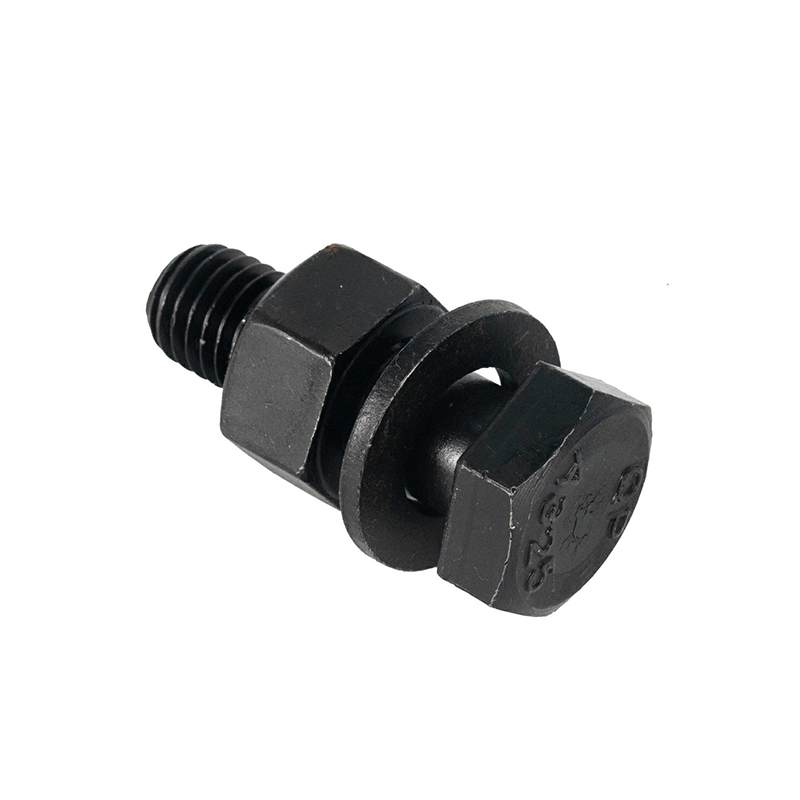 ASTM F1852 A325 Heavy Hex Twist-Off Bolt Plain Carbon Steel
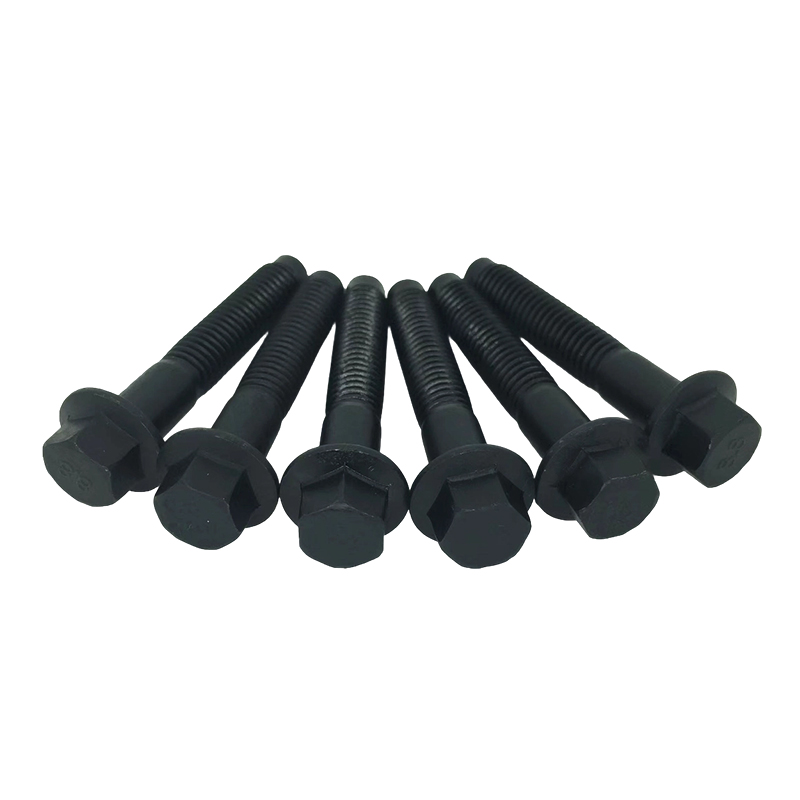 M5*10 Grade 8.8 Carbon Steel Flanged Hex Head Bolts
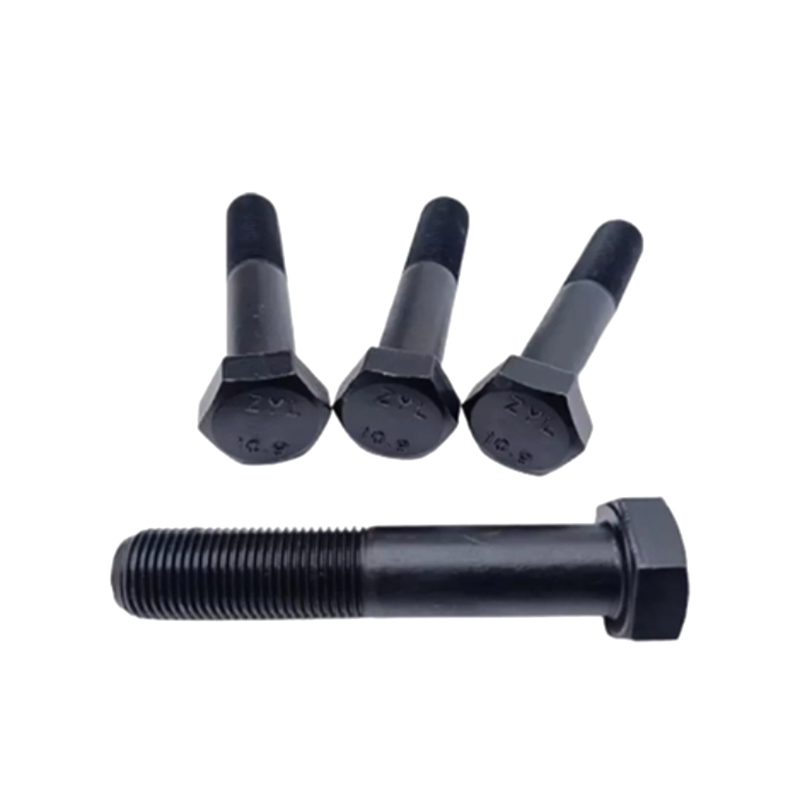 Grade 8.8 M8*100 Alloy Steel Hot Dip Galvanized External Hexagon Bolts
 Contact Information
 Address



 中文简体
中文简体 Português
 Español
 Deutsch
 русский
 عربى
عربى