
Content
Ask three fastener suppliers for "A307 Grade C anchor bolts" and you will usually get three different answers. One quotes bent rods with A36 plate certificates, one quotes ASTM F1554 Grade 36, and one says Grade C has not existed for two decades. All three are partly right, and the gap between them is where rejected shipments are born.
The short version: ASTM A307 still covers low-carbon steel bolts and studs at a 60 ksi minimum tensile strength, but Grade C, the unheaded bent-or-straight anchor bolt grade, was removed in the 2002 revision and its requirements moved into ASTM F1554 Grade 36. If a drawing still says "A307 Grade C anchor bolt," the compliant answer today is F1554 Grade 36, and the drawing should be corrected before the purchase order is released.
What follows is what A307 actually controls, where it ends and the higher grades begin, and the ordering, inspection and installation details that keep low-carbon anchor bolts seated at the base plate.
A307 is written as a mechanical property specification, not a chemistry specification. That single decision explains both its cost advantage and its limits.
What A307 is not matters just as much. It is not a substitute for ASTM A193 B7 in flanged and elevated-temperature joints, nor for ASTM A320 L7 in low-temperature service, both of which are quenched and tempered alloy steels at roughly 125 ksi minimum tensile. It is also not permitted in pretensioned or slip-critical connections, which require ASTM F3125 A325 or A490 bolts with documented pretension control.
Most low-carbon hex-head stock is quoted by geometry and finish rather than by grade name. A zinc-plated carbon steel hex bolt sized and threaded to the right standard sits in the same mechanical family, but the grade claim has to be proven by the mill certificate, never by the catalog page.
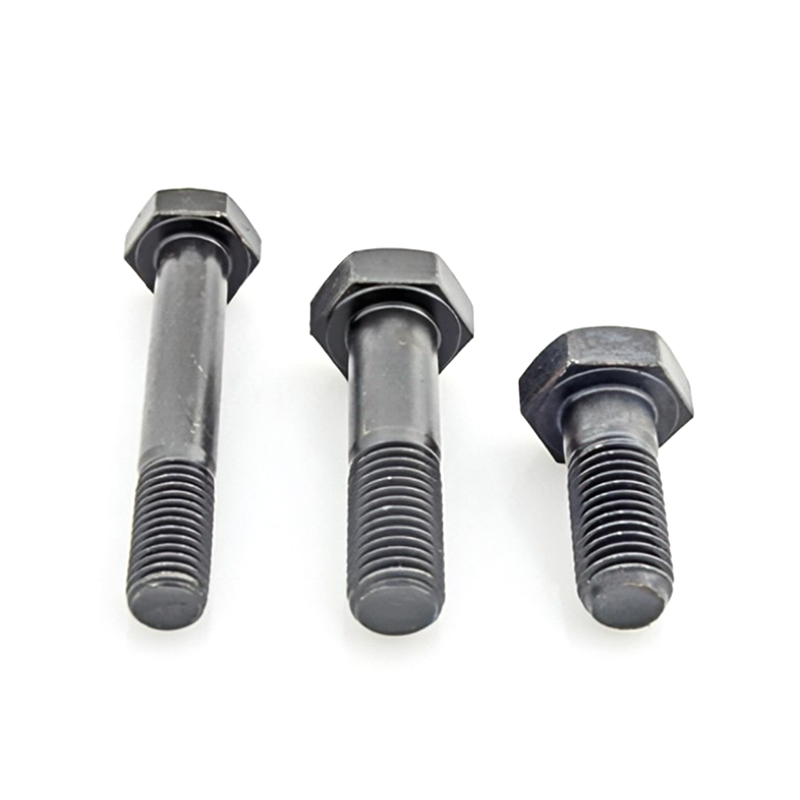 M6×100 Galvanized Carbon Steel Hex Head BoltsA metric hex bolt in galvanized carbon steel, M6×100; useful where geometry and finish are specified, with grade confirmed by mill certificate.View Product →
That last point drives real purchasing errors. A drawing calling out A307 Grade C is asking for a grade the specification no longer contains, and suppliers handle it in one of three ways: they ship F1554 Grade 36 and mark it correctly, they ship A36 bar with no anchor bolt certification at all, or they ship whatever low-carbon stock is on the floor. Only the first is defensible on a project that may be inspected.
F1554 also adds what A307 never had: a specified 36 ksi minimum yield, optional Grade 55 and Grade 105 for higher loads, coverage of both headed and unheaded anchor bolts, and marking rules that let the bolt be traced back to its grade on site. For bent anchor bolts in hot-dip galvanized finish, it is the standard that matches the job.
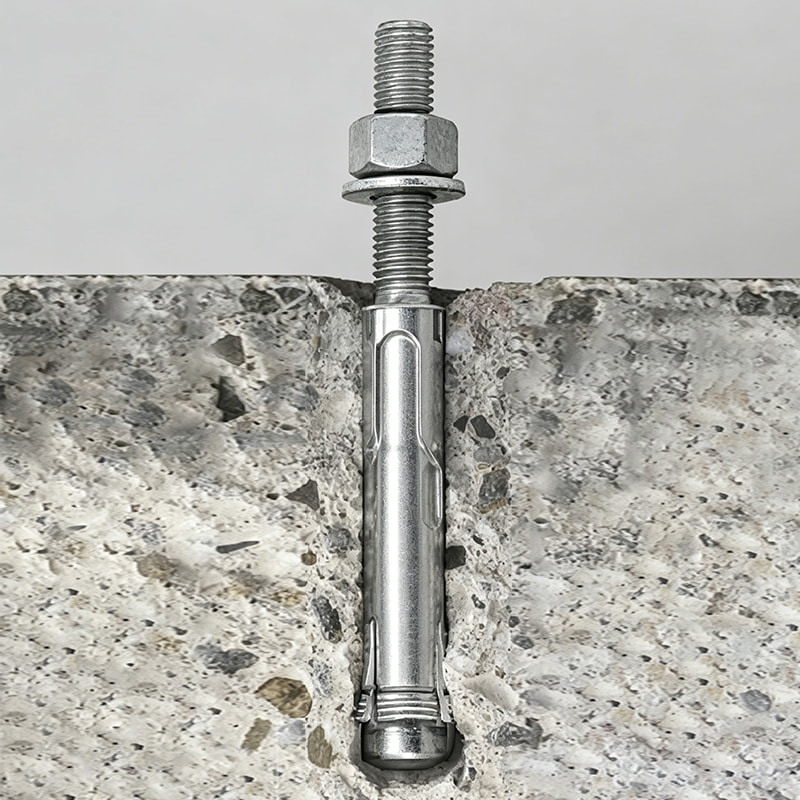 ASTM F1554 Hot-Dip Galvanized Anchor BoltsEmbedded anchor bolts for attaching structural components to concrete, relevant where F1554 grade marking and hot-dip galvanized finish must be checked against project requirements.View Product →
The table below lines up the specifications that usually appear in the same conversation. Values are indicative for common diameters and should be confirmed against the current edition of each standard.
Tensile ranges are indicative for the common diameter range of each grade; the controlling values and any supplementary requirements must come from the current specification edition.
Grade and chemistry almost never cause a rejection on a low-carbon anchor bolt lot. The failures cluster around a handful of process details that a certificate alone will not reveal.
Indicative distribution from routine incoming inspection of low-carbon anchor bolt lots; treat it as a checklist rather than an industry benchmark.
Thread damage after bending is a sequencing problem, not a material problem: the bar is bent cold after threading, without a radius gauge, and the crest flattens where the connection needs full thread engagement. Coating misses usually mean hot-dip galvanizing was applied after threading without retapping, so the nut will not run down. Certificate gaps matter most on A307, because the standard does not require heat lot mechanical testing on every shipment, which leaves the mill certificate as your only traceability.
Pole and sign bases dominate because the governing loads are modest and corrosion resistance matters more than tensile capacity, so galvanizing drives the decision. Column base plates are the segment where specification errors concentrate: A307 is often acceptable only where the engineer has confirmed it, and many designs move to F1554 simply to obtain a defined yield point. Note that A307 bolts are not tension-control bolts, so standard pretension installation practice does not apply to them.
Confirm the governing load and environment. If 60 ksi tensile with no specified yield is enough and the joint is not pretensioned, A307 is a legitimate choice. If the anchorage is designed on yield, move to F1554.
Pick the specification family in writing: A307 for general low-carbon bolting, F1554 for anchor bolts, A193 B7 or A320 L7 for pressure and temperature service.
Lock the finish: plain, electroplated zinc, hot-dip galvanized to ASTM F2329, or mechanical zinc for high volumes. Finish choice changes thread fit, because galvanized nuts are tapped oversize to accommodate coating thickness.
Define geometry in numbers, not adjectives: straight or bent, bend angle with tolerance, bend radius, thread length, overall length, thread class and point style. Straight anchor rods are frequently cut from all-thread bar, and the bar grade, not the cutting operation, decides the capacity.
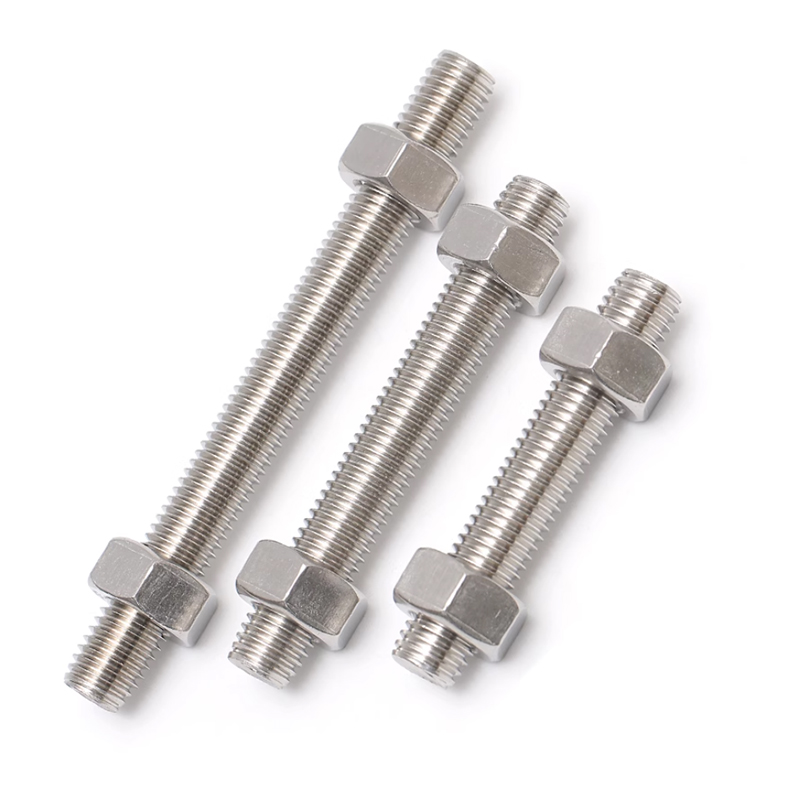 M10×300 Grade 8.8 Galvanized Fully Threaded RodsA metric fully threaded rod in galvanized carbon steel, relevant when length and thread geometry are defined and grade evidence must come from mill certification.View Product →
Require documentation up front: a mill certificate with heat number, chemical analysis, tensile result and coating thickness readings. On A307 this is the only grade evidence you will get.
Inspect on arrival: a sample bend test, ring gauge check for Class 2A fit, coating thickness measurement, and length and straightness checks. Pull the sample from the middle of the pallet, not the top layer.
Install to the design: template the bolt group, hold the specified embedment, and match the wrenching method to the low-carbon material rather than to a high-strength torque table.
Shanghai Soverchannel Industrial (fasteners-factory.com) manufactures standard and non-standard bolts to ASTM, DIN, ASME and ISO standards from carbon steel, alloy steel and 304 or 316 stainless, with an annual output of about 10,000 tons. The shop runs cold heading for long bolts and one-step cold extrusion for non-standard geometries, which matters for bent anchor bolts and long threaded rods where thread quality after forming is the usual failure point. Available finishes include plain, zinc plating, hot-dip galvanizing, black oxide, phosphate, PTFE and Dacromet.
If your design calls for a grade the catalog does not list, the practical route is OEM/ODM custom fastener development, where the drawing, grade, finish and inspection plan are agreed before tooling starts. For a quotation on F1554 Grade 36 bent anchor bolts, A307 Grade A hex bolts or all-thread rod, send the drawing and quantity to our team and confirm the grade marking and certificate format in the same message.
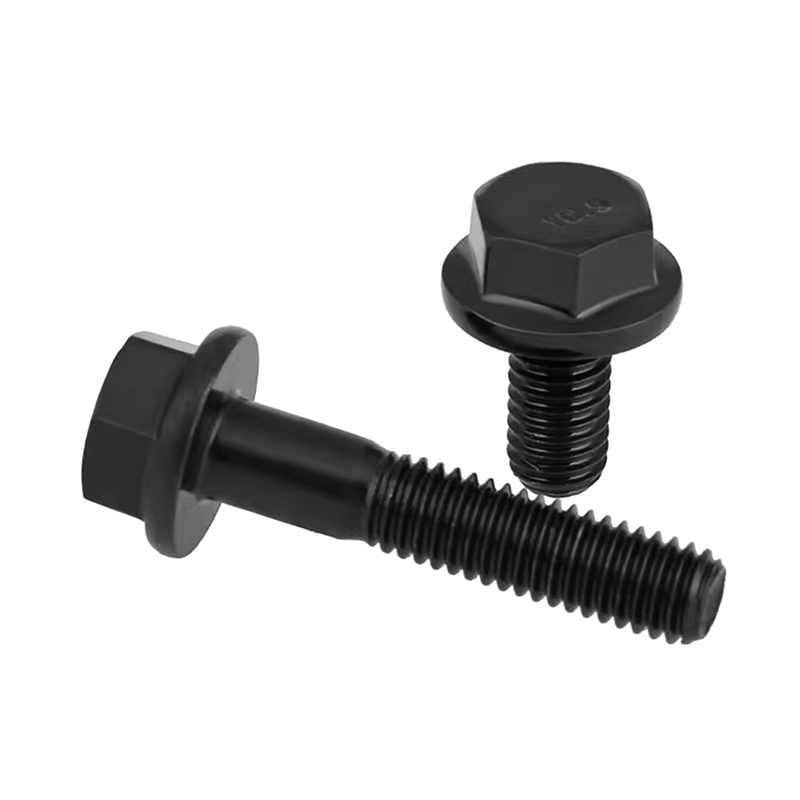 Alloy Steel M6*20 Galvanized Hexagonal Flange Bolts
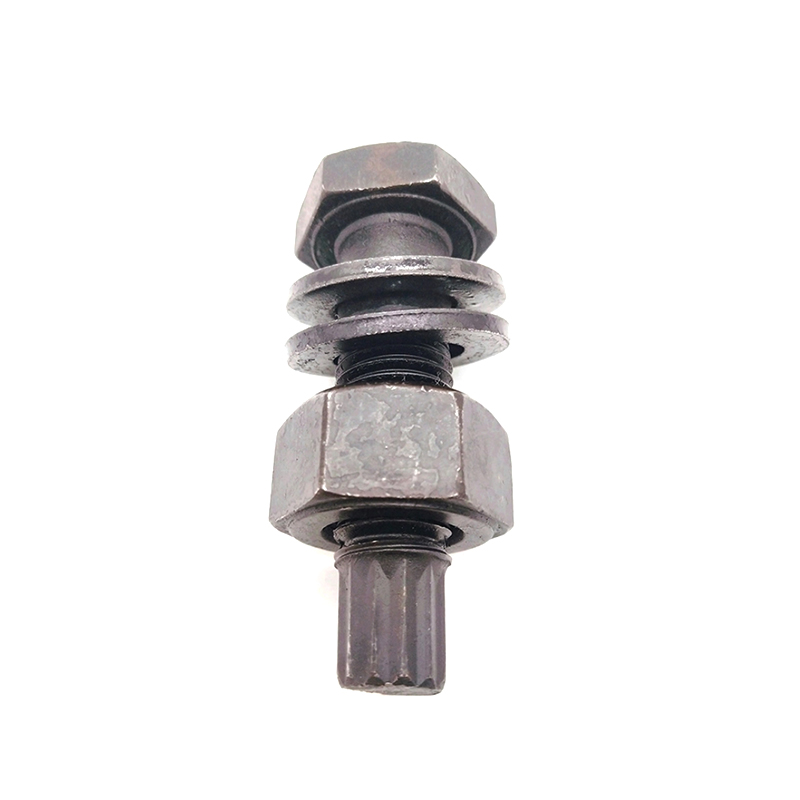 M24*200 Alloy Steel High-Strength Bolts for Steel Structure
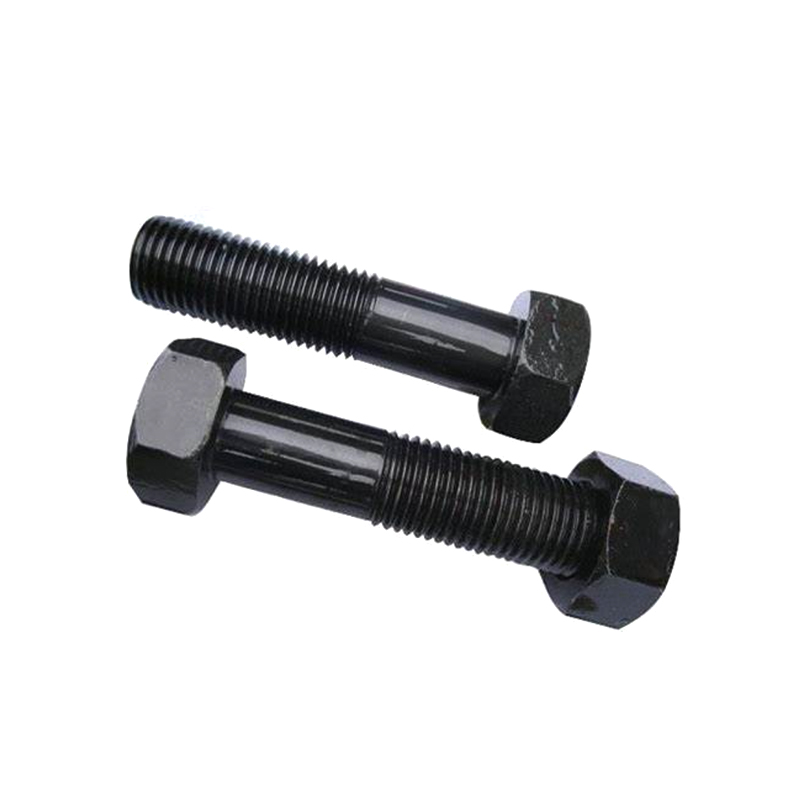 Alloy Steel M10*100 External Hex head Screw Black Oxide Bolts
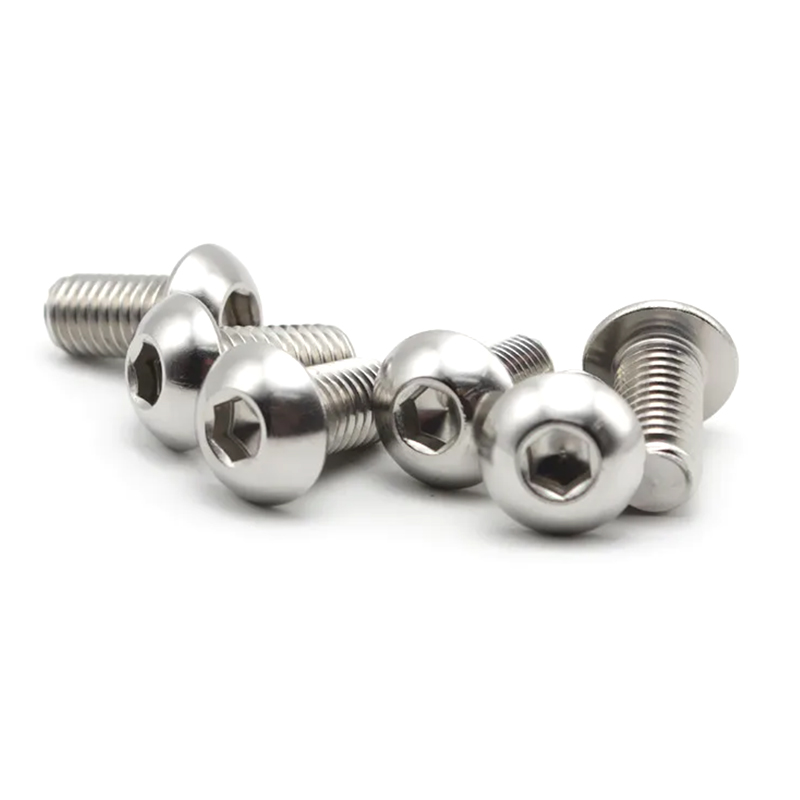 Alloy Steel M5*10 Zinc Plated Round Head Hex Socket Screw
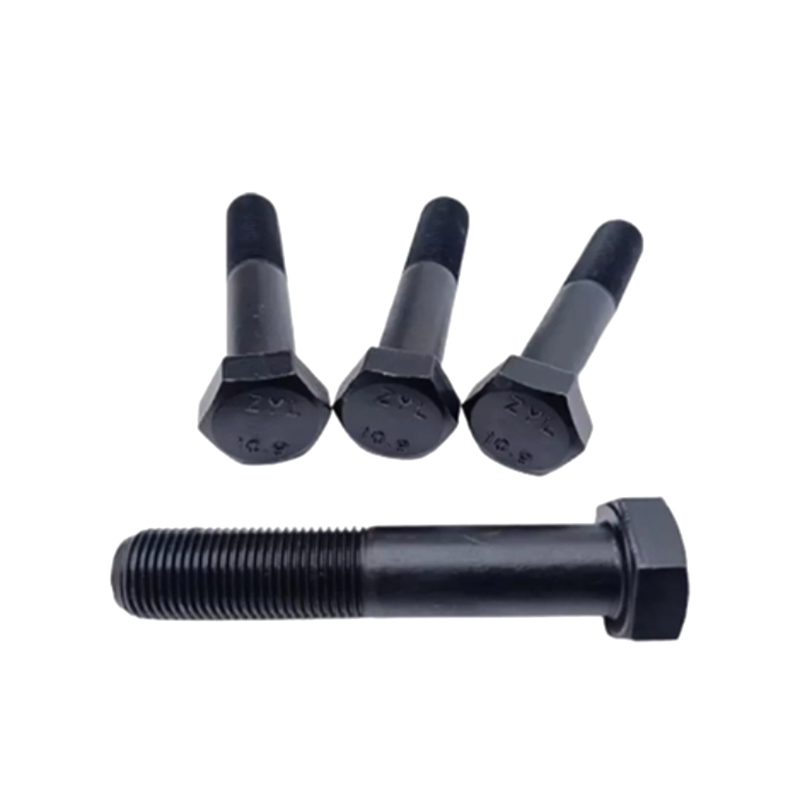 Grade 8.8 M8*100 Alloy Steel Hot Dip Galvanized External Hexagon Bolts
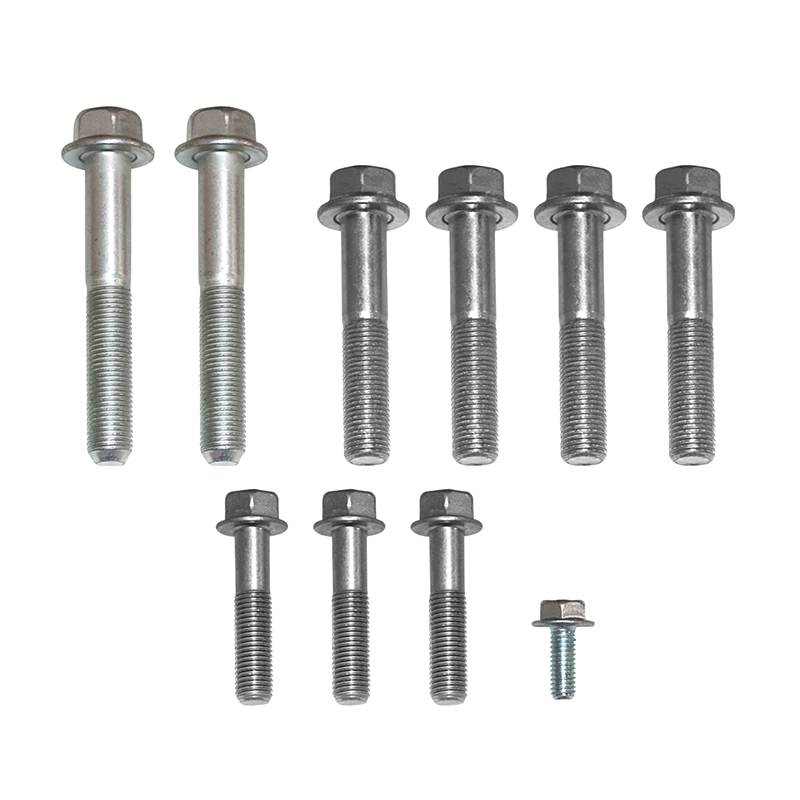 M10*160 Alloy Steel Phosphated Hex Flange Bolts
 Contact Information
 Address



 中文简体
中文简体 Português
 Español
 Deutsch
 русский
 عربى
عربى