
Content
A base-plate crew on a mid-rise project has four anchor bolts to set. One hole hits rebar, one sits close to a slab edge, and the third is in a wet area near a loading dock. The bolts are all the same diameter and grade, but the installation risk is not the same. That is the first lesson about bolts in concrete: the steel is only one variable. Embedment, hole condition, edge distance, torque, and corrosion protection decide whether the connection behaves as designed.
Choose the anchor family after you define the load path, concrete condition, and inspection method. Do not start with a bolt diameter and work backward. Cast-in-place anchors usually win on predictable tension load in new construction; post-installed mechanical and adhesive anchors win on retrofit access. In both cases, edge distance, hole cleaning, and corrosion class are non-negotiable.
For buyers and engineers, the practical question is not “which bolt is strongest?” It is “which bolt can be installed, inspected, and maintained in this concrete?” That distinction keeps projects out of pull-out failures, creep problems, and late-stage rework.
Concrete anchors carry tension, shear, or a combination of both. Tension pulls the bolt away from the concrete; shear pushes it sideways. A base plate under uplift may load anchors in tension, while a guardrail post or equipment skid often loads them in shear. Combined tension and shear need interaction checks, not separate checks added together.
Cast-in-place bolts are placed before the concrete hardens. They are common for structural columns, machinery bases, and steel erection because the anchor is embedded in the pour and can be inspected before concrete placement. The trade-off is coordination: anchor templates, hold-down bolts, and conduit conflicts must be resolved before the truck arrives.
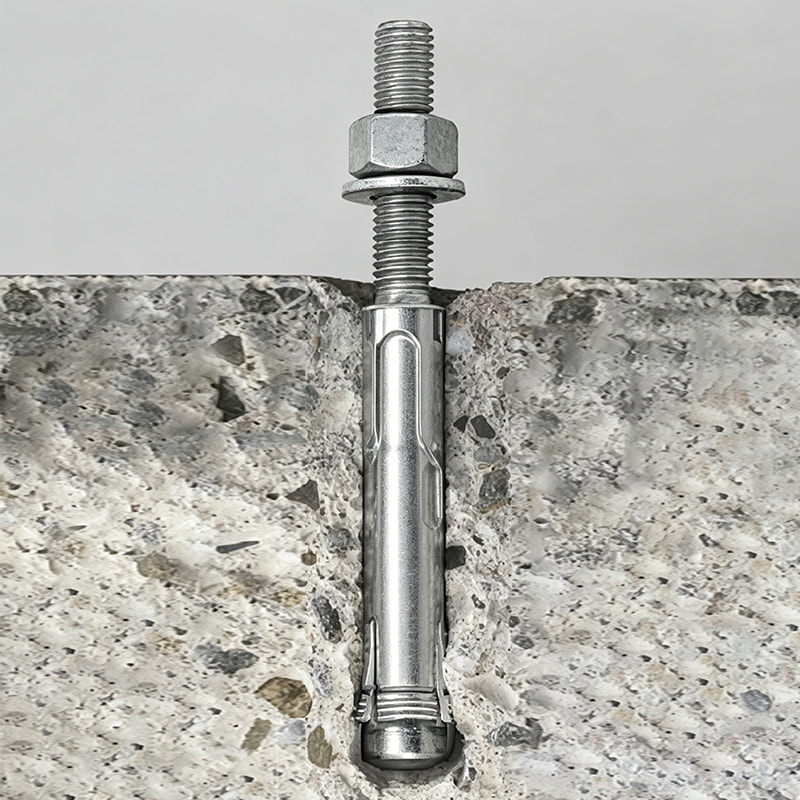 ASTM F1554 Hot-Dip Galvanized Carbon Steel Anchor BoltView this anchor bolt option for structural anchoring, with carbon steel construction, hot-dip galvanized finish, and customizable specifications and surface treatments.View Product →
For structural anchor bolts, ASTM F1554 is a common specification family, with grades covering different strength levels. Hot-dip galvanizing is often specified for exposed or damp conditions, but coating thickness and thread fit must be checked because galvanizing changes the thread envelope.
Post-installed anchors are drilled and set after concrete has cured. Mechanical expansion anchors transfer load through friction and bearing; undercut anchors use a mechanical key beneath the surface; adhesive anchors bond a threaded rod or stud into a cleaned hole. Screw anchors are a separate family and rely on thread engagement in the concrete.
Check embedment, concrete tensile strength, and edge distance. Pull-out and concrete cone failure often govern before steel fracture.
Check pry-out, edge breakout, and plate bearing. Thin slabs and close edges reduce capacity quickly.
Use the anchor manufacturer’s interaction equation. Do not add tension and shear capacities as if they were independent.
The comparison below is a procurement and engineering screen, not a substitute for a project-specific anchor design. The right choice depends on load case, concrete condition, inspection access, and the evaluation report behind the product.
Anchor capacity tables can look precise, but jobsite variables decide whether the table applies. Embedment depth and edge distance are visible; hole cleaning, concrete moisture, and torque discipline are not. The bar chart below is an illustrative sensitivity index for common failure modes, not a test result.
In practice, embedment and edge distance are design-stage decisions. Hole cleaning and torque are field decisions. That is why a technically correct anchor can still fail inspection: the design assumed a cleaned hole and a calibrated torque wrench, but the crew used a brush once and guessed the torque.
Demand is not evenly spread across anchor types. The mix below reflects typical project categories that drive concrete anchor selection; it is not a market survey.
A repeatable sequence prevents most anchor problems. It also gives procurement a clear basis for comparing quotes, because two suppliers may offer the same diameter at very different performance levels.
For steel-to-concrete connections that use high-strength bolts, review high-strength bolt installation and testing requirements before approving the method statement.
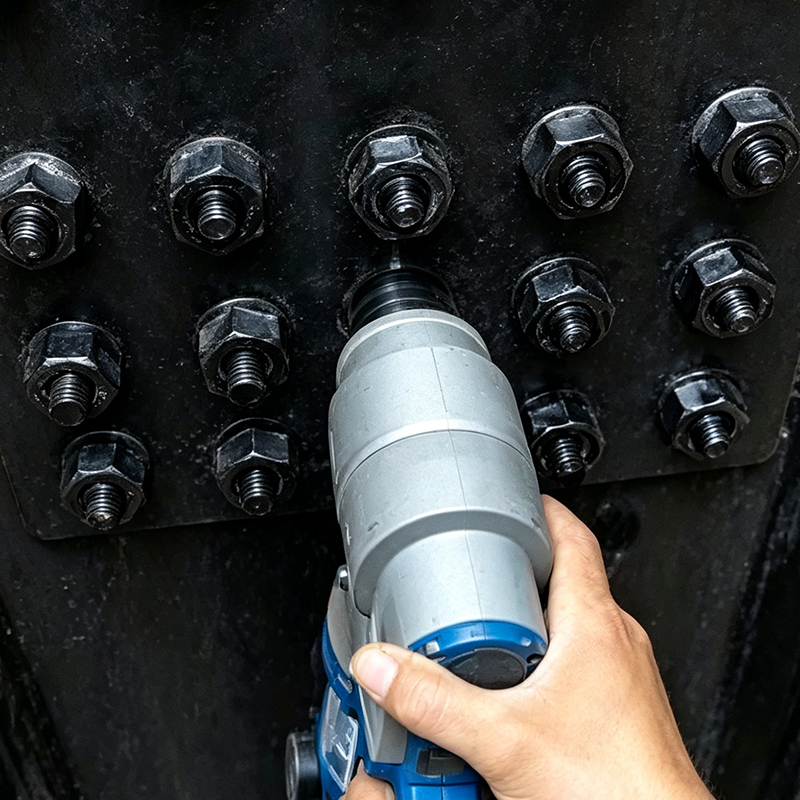 ASTM F1852 A325 Heavy Hex Twist-Off BoltReview this tension-control structural bolt for steel assemblies, featuring a sheared pintail for visual preload confirmation and plain carbon steel construction.View Product →
For structural steel assemblies, twist-off bolts and heavy hex nuts are often specified as a system. Mixing components from different lots without verifying compatibility can create torque and thread-fit problems that show up only during erection.
Concrete anchors are not maintenance-free. Exposed anchor bolts in parking structures, marine sites, and food plants need periodic inspection for corrosion, loose nuts, and cracked concrete around the anchor. A bolt that was galvanized at installation can still corrode at a damaged thread or at a dissimilar-metal contact point.
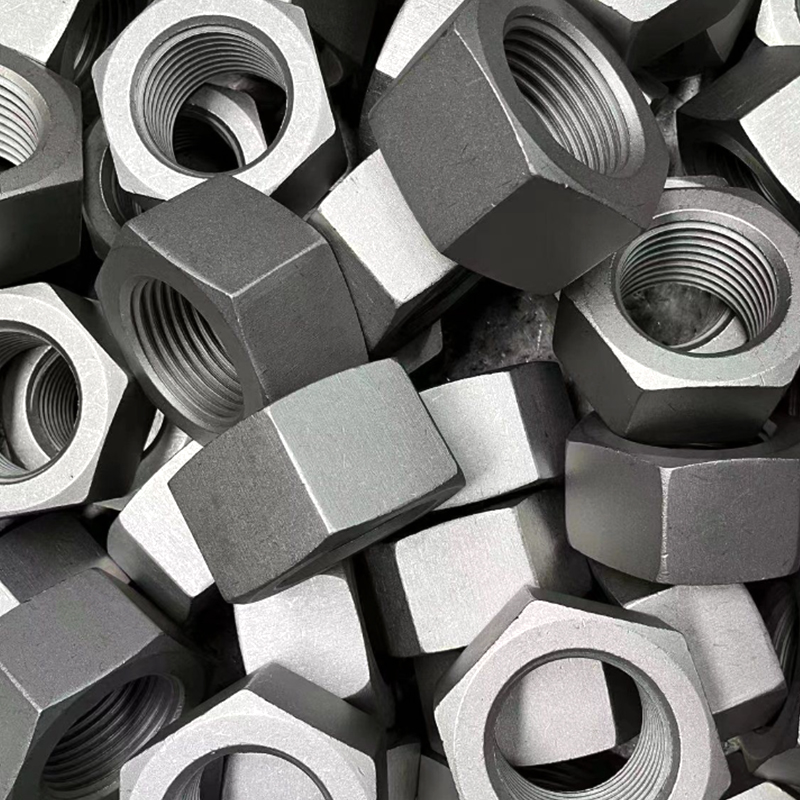 ASTM A194 B7 Black Heavy Hex NutsConsider these heavy hex nuts for pairing with B7 alloy steel bolts in high-temperature, high-pressure flange and pressure-vessel joints, with OEM/ODM customization available.View Product →
For custom anchor assemblies, OEM/ODM anchor and stud programs can align bolt grade, thread length, coating, and nut fit before the first anchor is shipped. That front-end coordination is usually cheaper than resolving a thread or coating mismatch on site.
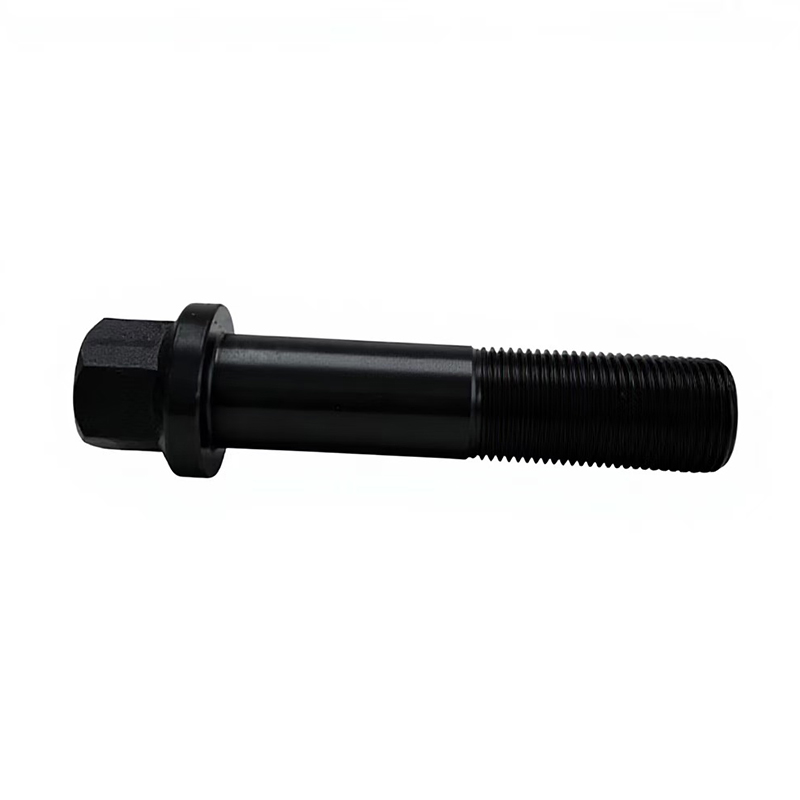 1-14UNS 2A Alloy Steel GR10 Zinc-Plated Hex Head Flange Bolt Cylinder Bolts
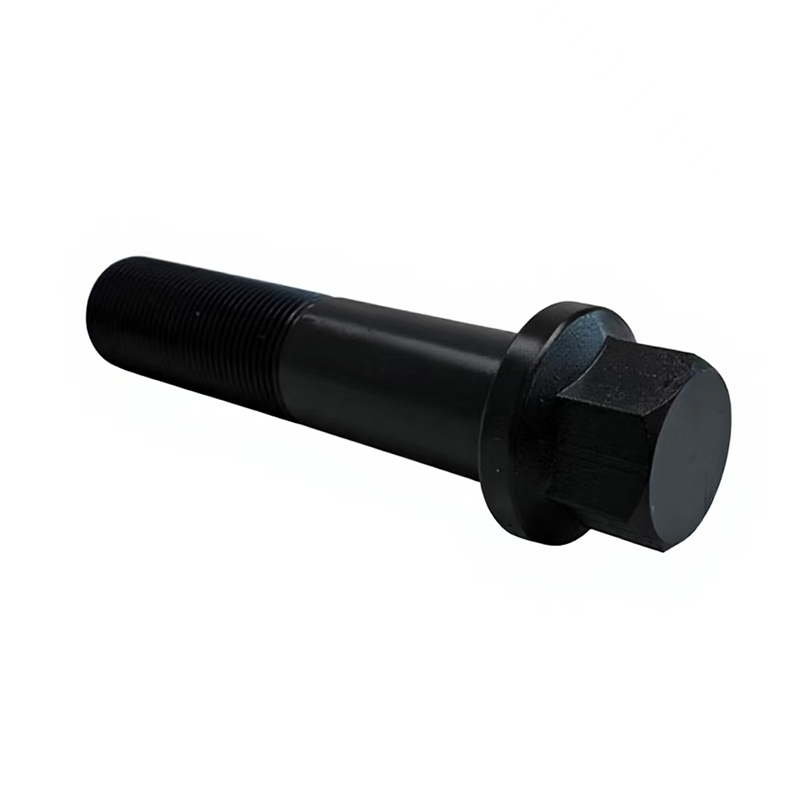 M8×40 Carbon Steel Grade 8.8 Black Cylinder Head Flange Bolts
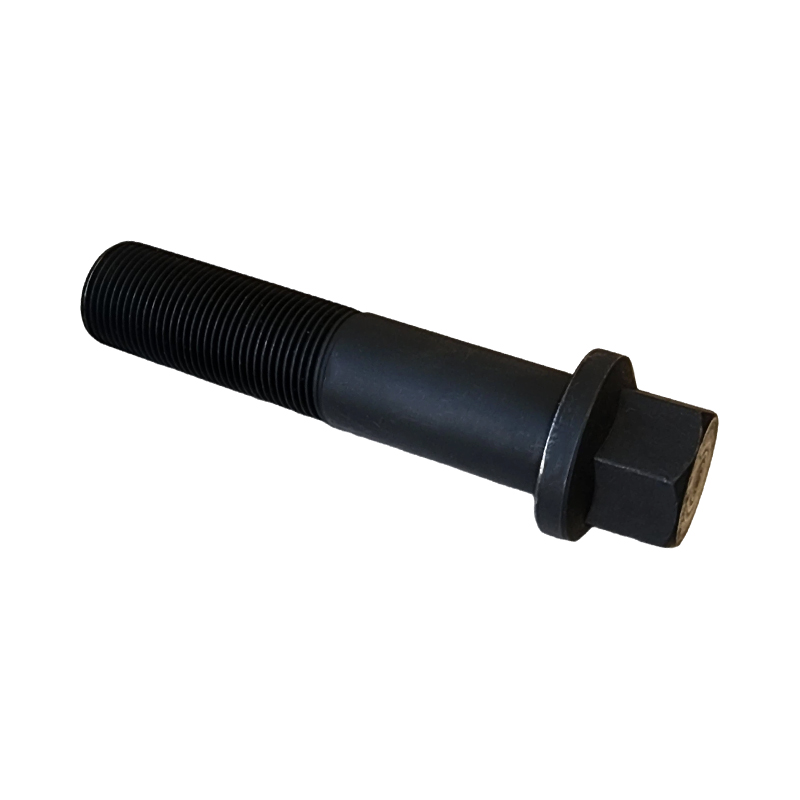 M8×100 Alloy Steel Grade 8.8 Phosphate Coated Cylinder Hex Head Flange Bolts
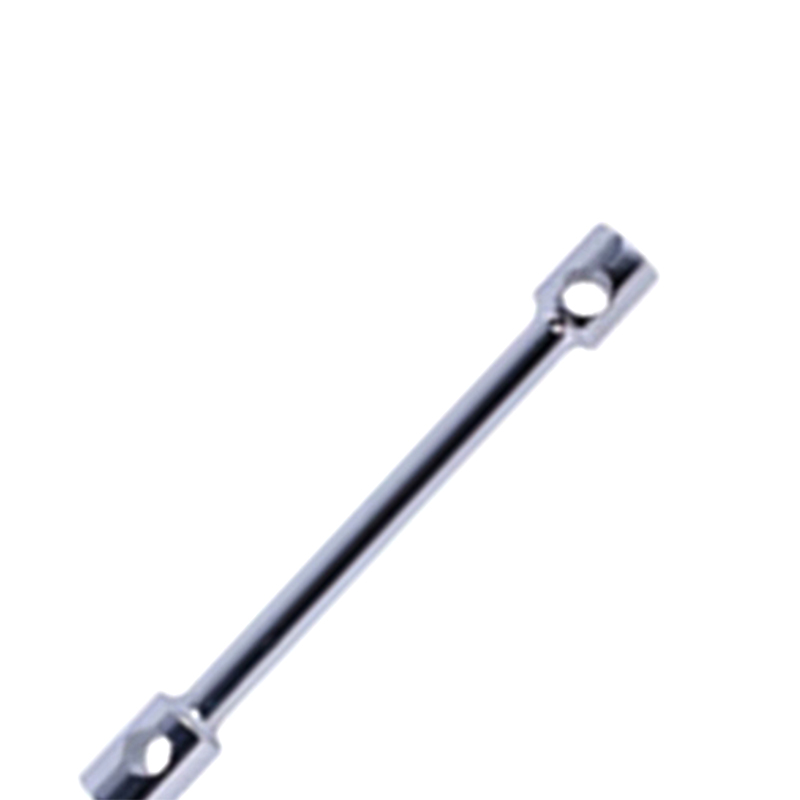 Universal Zinc Plated Straight Handle Wheel Wrench
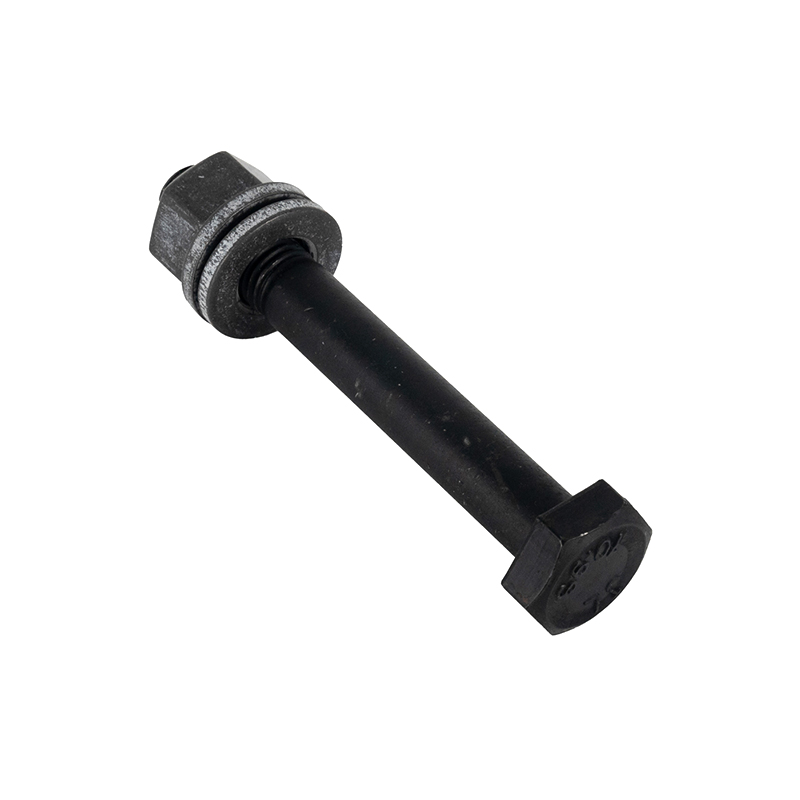 Steel Structure M20*120 Zinc Plated High-Strength Bolts
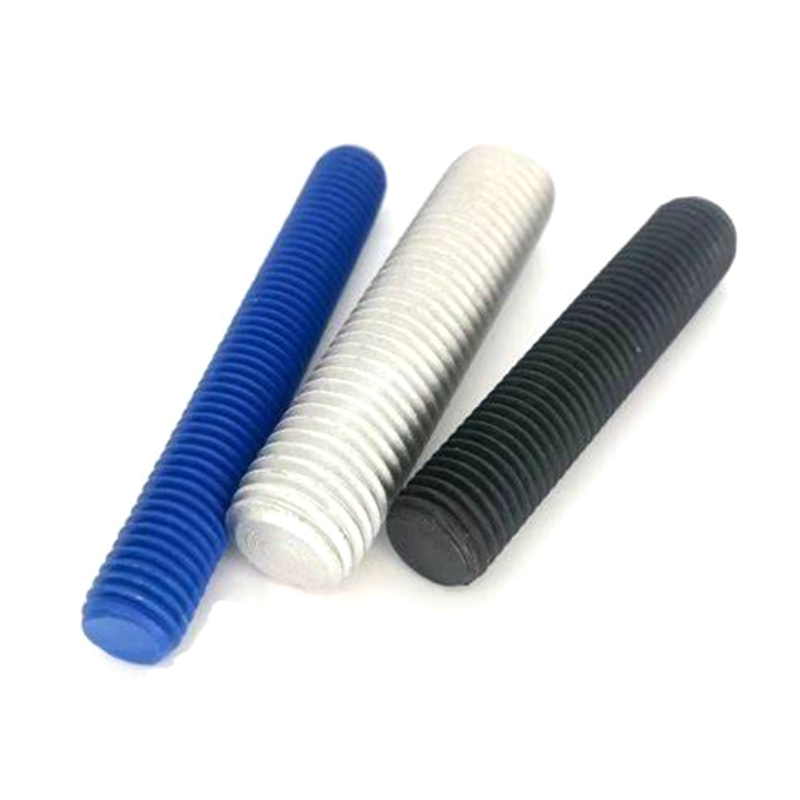 3/4*10" Zinc Plated / Black Oxide / Hot Dip Galvanized B7 Threaded Rods
 Contact Information
 Address


 中文简体
 Português
 Español
 Deutsch
 русский
 عربى