
Content
Bracing rarely fails because the diagonal was too small. It fails at the connection: an oversize hole nobody carried into the bearing check, a hot-dip galvanized bolt tightened to the same torque value as a plain one, a gusset detailed without a thought for eccentricity. If you are specifying, buying or approving brace steel, start at the joint rather than the member.
The term itself is loose. On some drawings "brace steel" means the diagonal angles or channels; on others it covers the whole lateral-force system, including gussets, bolts, anchor rods and base plates; in light-gauge construction it usually means strap or rod bracing. The purchasing decisions differ in each case, but the failure modes overlap far more than most buyers expect.
The short version
Match the connection type to the load case before choosing a bolt grade. Bearing connections with ASTM A325/F1852 or A490/F2280 bolts cover most braced frames; slip-critical joints belong where slip is visible or where fatigue and load reversal matter; tension-only rod bracing needs a rod, a coupler or turnbuckle, and a pin that tolerates slenderness. Align hole tolerance, coating and preload method early, and the rest of the brace package usually falls into place.
Three families show up again and again, and they behave very differently under load. Knowing which one you are pricing is the difference between a comparable quote and a misleading one.
Angles, channels or wide flanges in X, chevron, V or single-diagonal layouts. Members take tension and compression, so buckling and slenderness govern the section long before yield does.
Rod or strap bracing sized purely in tension, with couplers or turnbuckles for take-up. Cheap and fast, but the connection has to accept the slenderness and the inevitable slack.
Light-gauge flats fixed with self-drilling screws. Effective in low-rise framing, but capacity depends almost entirely on screw pattern, edge distance and sheathing restraint.
Whichever family you buy, the deliverable is a package: members, gusset plates, bolts, nuts, washers and, at the base, anchor rods. A brace package quoted without the connection hardware is not a like-for-like comparison.
Bracing turns horizontal force into a diagonal force and hands it to a gusset, then to bolts in shear and bearing, then to the column or beam. Every step introduces a constraint that a fastener buyer can check on paper before steel is cut.
For tension-only cross bracing in industrial frames, the rod itself is usually the simple part. An ASTM A193 B7 threaded rod with couplers gives predictable strength and is easy to tension on site, provided the coating and thread lubrication are specified together so the take-up nuts do not gall.
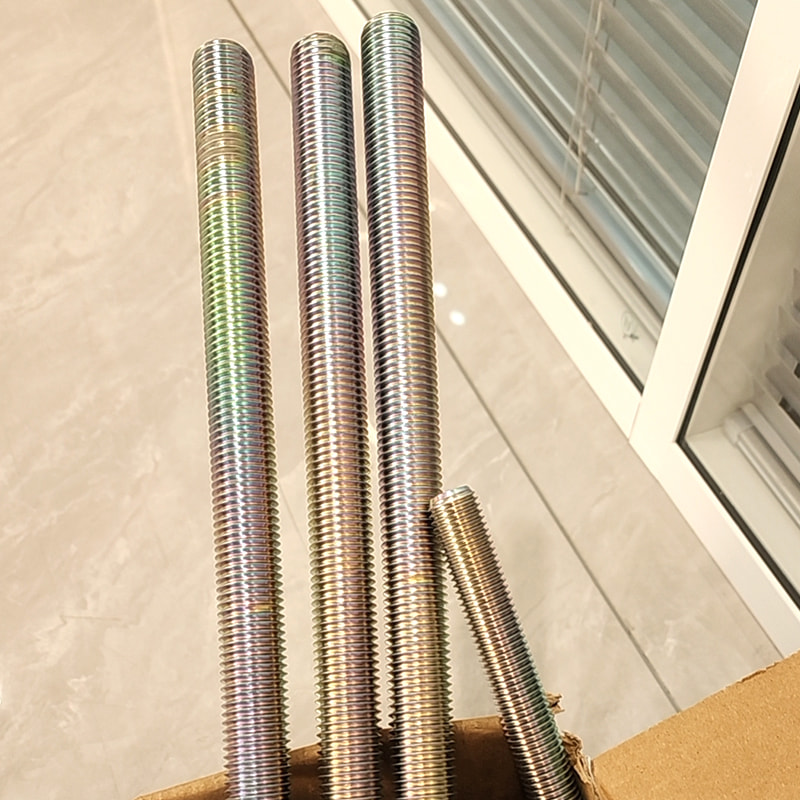 ASTM A193 B7 Alloy Steel Threaded RodsFor tension-only cross bracing, these B7 alloy steel rods offer specified strength and on-site tensioning with coordinated coating and lubrication choices.View Product →
Rod bracing has one requirement that is easy to overlook in purchasing: the pin or clevis at each end must tolerate the angular movement of a slender rod. A single bolt through an oversize hole is not a substitute.
This is the table worth putting in front of a supplier. Grades are widely available; the connection class is what most quotes fail to state.
Where speed matters more than first cost, tension-control bolts in the F1852 family remove the torque wrench from the equation: the splined end shears at the specified tension and inspection becomes visual. The trade-off is a slightly higher unit price and stricter washer requirements.
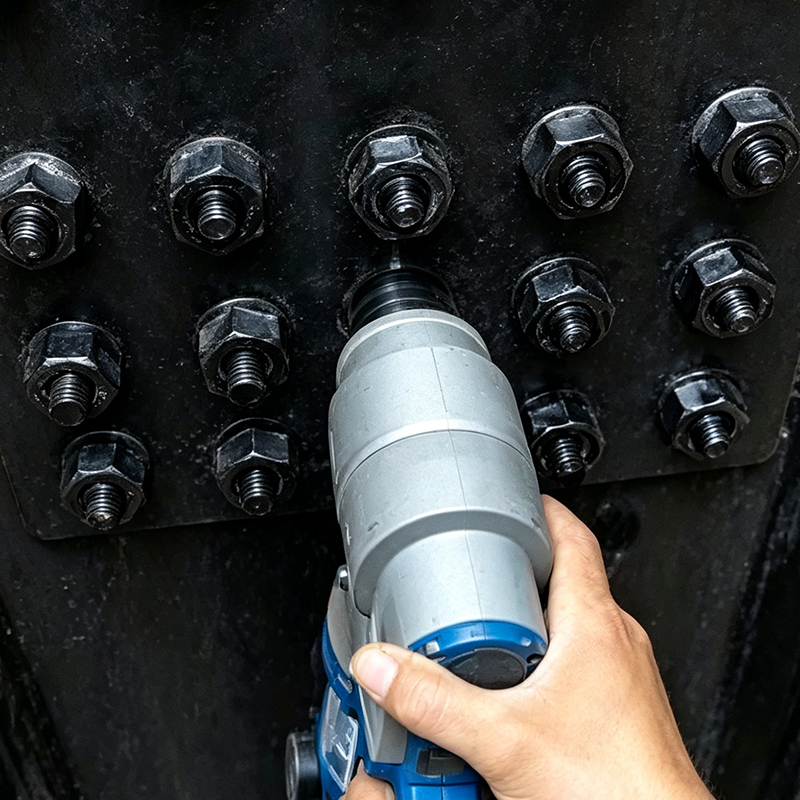 ASTM F1852 A325 Heavy Hex Twist-Off BoltsFor faster structural steel installation, these tension-control bolts shear at specified tension and provide visual confirmation of achieved preload.View Product →
Buyers compare strength grades and rarely ask about friction scatter. Yet scatter is what turns a preload specification into a site argument, because the same torque wrench produces very different clamping forces on different finishes.
Plain, oiled
Zinc plated
Hot-dip galvanized
PTFE coated
Zinc flake
The practical consequence is simple. Hot-dip galvanizing raises friction unpredictably through thread roughness and zinc build-up, so galvanized high-strength assemblies need either lubricated nuts, a test-based torque value, or a tension-control method. Treating a galvanized brace bolt as interchangeable with a plain one is one of the most common and least visible errors in the package.
Demand is not spread evenly, and the mix explains why specification language differs so much between buyers.
Industrial and warehouse work tends to buy tension-only rod and chevron bracing in volume, with galvanized finish and simple documentation. Multi-storey commercial work buys slip-critical joints and tension-control bolts, and it asks for mill certificates and coating thickness reports before the steel leaves the shop.
Steps two and three are where custom work usually enters. Bent gusset plates, welded clevises or nonstandard rod lengths are ordinary requests, and it pays to raise them at quotation stage rather than after fabrication drawings are approved. Suppliers who run a dedicated OEM and ODM programme can usually confirm feasibility from a sketch within days.
At the base, brace force becomes overturning, and that is where anchor rods earn their keep. Grade selection matters: Grade 36 bends and yields in a ductile manner, Grade 105 carries far more load but leaves little room for hole misalignment, and the difference in required embedment is significant.
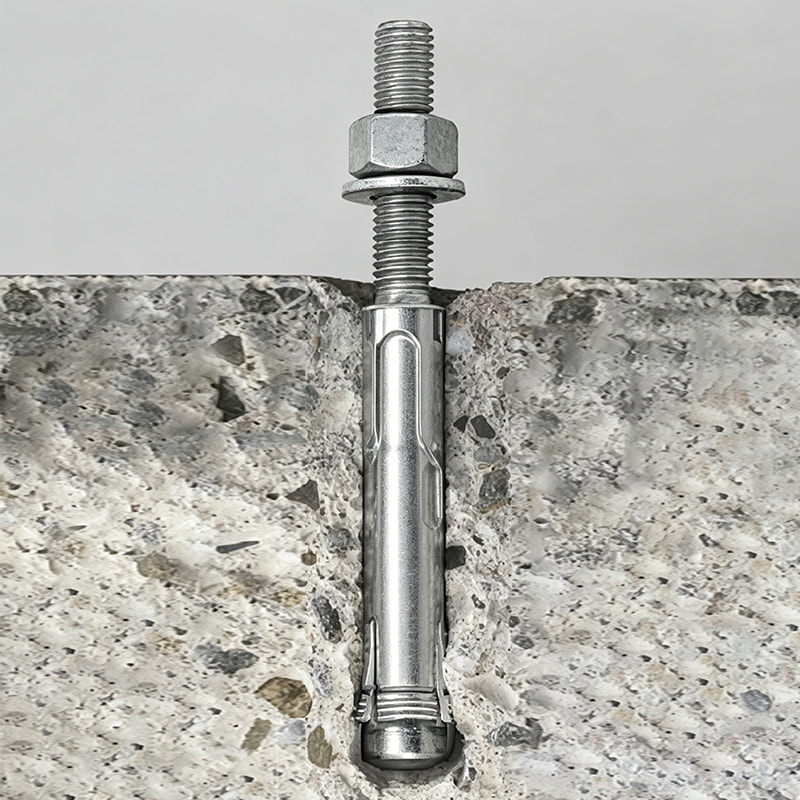 ASTM F1554 Hot-Dip Galvanized Anchor BoltsFor base connections that transfer brace force into concrete, these F1554 carbon steel anchor bolts are available with a hot-dip galvanized finish.View Product →
A braced frame is inspected once and then forgotten for decades, so the details that survive are the ones documented at installation.
Installation and testing requirements are often the gap between a compliant frame and a rejected one, and the standard requirements for high-strength bolt installation and testing are worth reading before the erection crew mobilises, not afterwards.
Get the connection class, the coating and the inspection method agreed at the quotation stage and brace steel becomes a predictable purchase. Leave any one of the three open, and the argument moves to site, where it is always more expensive to settle.
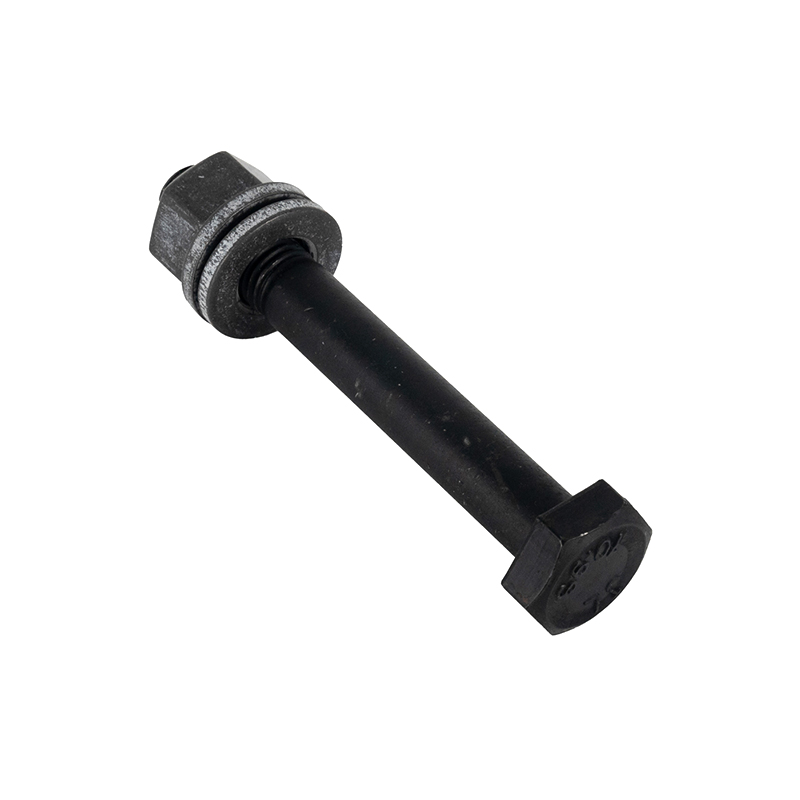 Steel Structure M20*120 Zinc Plated High-Strength Bolts
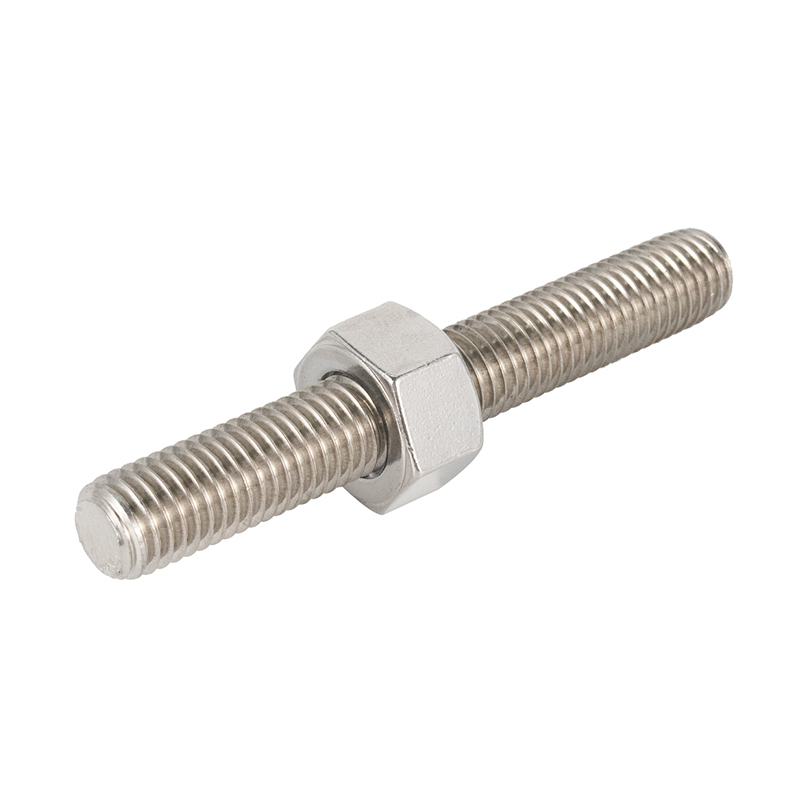 M10×300 Carbon Steel Grade 8.8 Galvanized Fully Threaded Rods
 Universal Zinc Plated Straight Handle Wheel Wrench
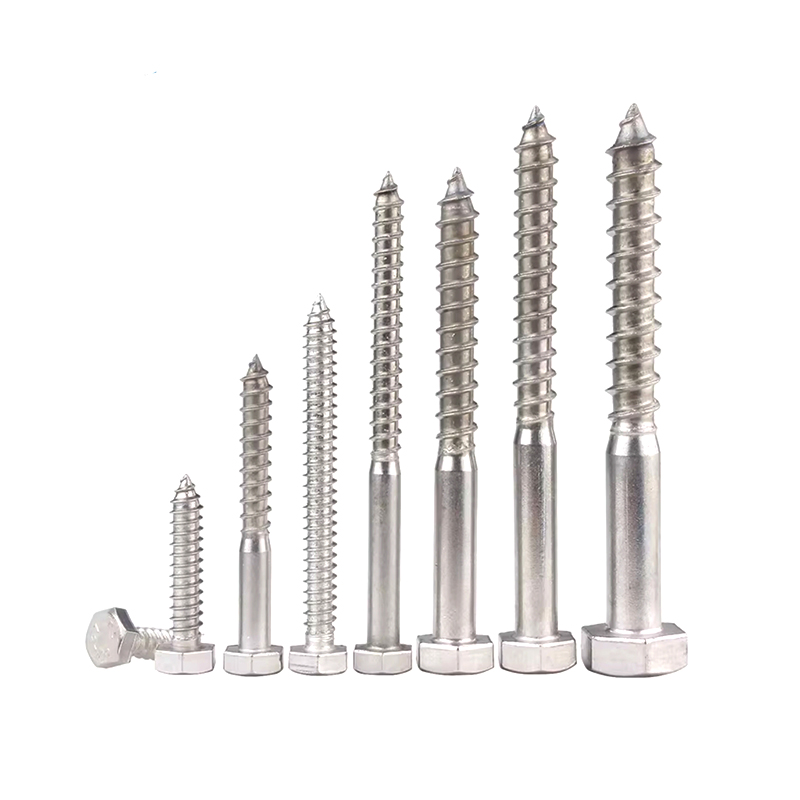 ST5*35 Stainless Steel 304 Hexagonal Wood Screws
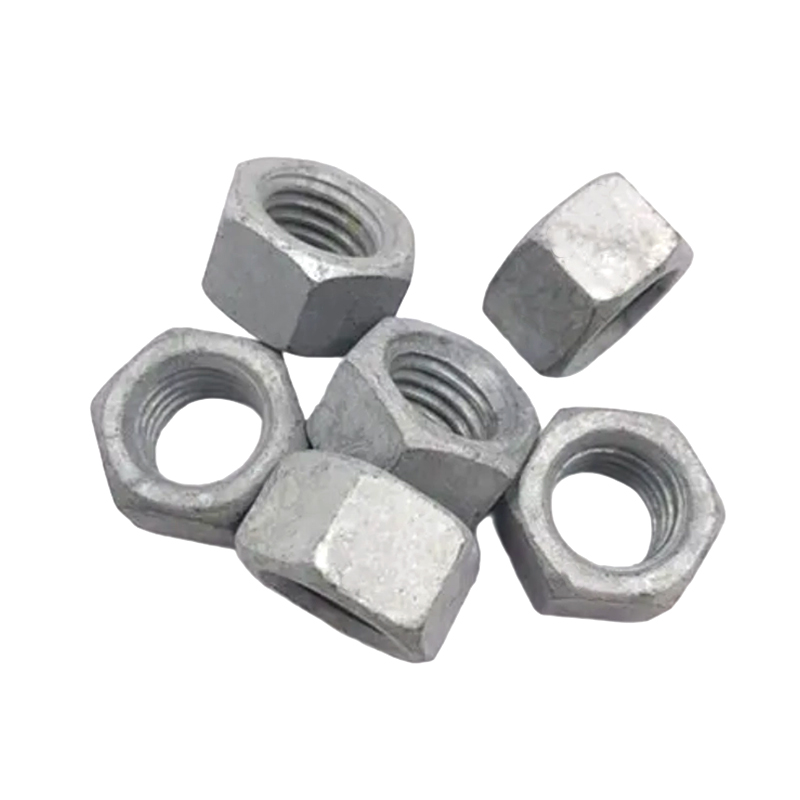 Stainless Steel 304 Plain Heavy Hex Jam Nuts
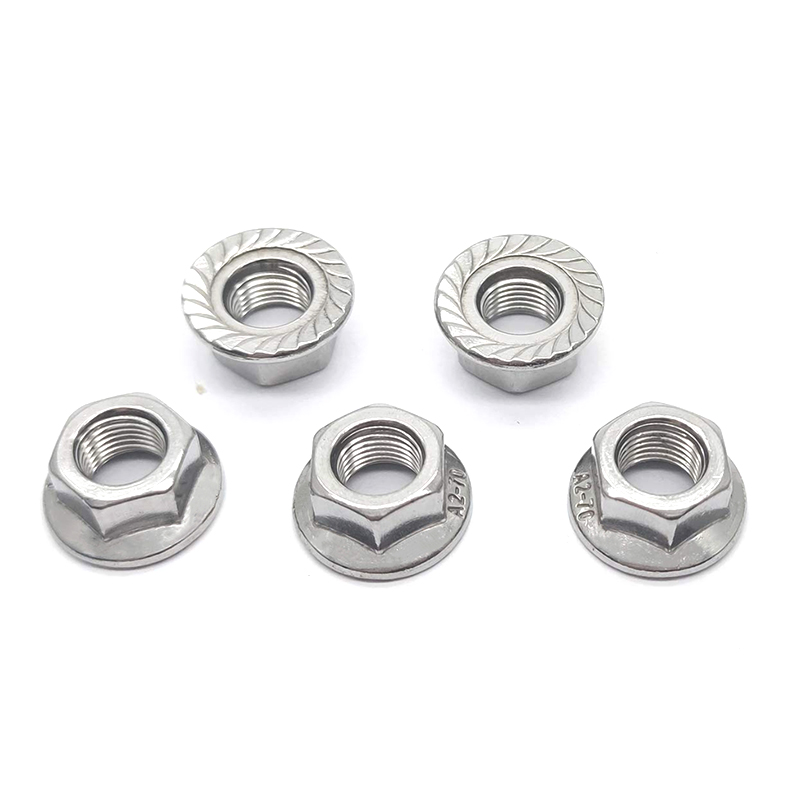 Stainless Steel 304 Plain Hex Flange Nut Non-Slip Nuts
 Contact Information
 Address


 中文简体
 Português
 Español
 Deutsch
 русский
 عربى