
Content
Carbon steel corrodes. In most indoor, dry, and protected environments, that is a manageable reality — a coating of zinc or paint keeps the rust at bay for the service life of the assembly. But in coastal construction, chemical processing plants, food production facilities, offshore platforms, and petrochemical pipelines, corrosion is not a slow background process. It is an active, continuous threat that undermines structural integrity, contaminates product streams, and drives expensive maintenance cycles. Stainless steel threaded rods eliminate the corrosion variable at the material level, rather than managing it with surface treatments that degrade over time. This guide explains how to choose between grades, which industries rely on stainless rods and why, and what to confirm before placing a bulk procurement order.
The corrosion resistance of stainless steel comes from its chromium content — a minimum of 10.5% by mass. Chromium reacts with oxygen to form a thin, stable oxide layer on the surface of the metal. This passive film is self-repairing: if the surface is scratched or cut, the chromium re-oxidizes in the presence of air or moisture, restoring protection. Carbon steel has no equivalent mechanism. Once its zinc or paint coating is breached, oxidation proceeds at the base metal and accelerates from there.
For threaded rods, this difference is particularly significant. Threading creates a high surface-area geometry — the helical grooves are exactly the kind of crevice geometry that traps moisture, concentrates chlorides, and accelerates corrosion on carbon steel. A stainless rod maintains its thread profile and cross-sectional strength in environments where a galvanized carbon rod would show significant corrosion within a single season.
The practical consequence for procurement is total cost of ownership. A stainless steel threaded rod carries a higher unit price than a galvanized carbon steel rod of equivalent size. But in a corrosive environment, a carbon steel rod may require replacement every three to five years, while a correctly specified stainless rod delivers twenty years or more of service without maintenance. Over the asset's life, stainless is typically the more economical choice wherever the environment justifies it. Our stainless and standard fully threaded rod options are available in a full range of diameters and lengths to compare directly against your current specification.
The two grades that cover the vast majority of stainless threaded rod applications are 304 and 316. They share the same base austenitic microstructure and similar mechanical properties — the critical difference is corrosion resistance, specifically in chloride-bearing environments.
| Property | Grade 304 (A2) | Grade 316 (A4) |
|---|---|---|
| Chromium content | 18% | 16–18% |
| Nickel content | 8–10% | 10–14% |
| Molybdenum | None | 2–3% (key differentiator) |
| Chloride resistance | Moderate — suitable for most indoor and dry outdoor environments | High — resists saltwater, acid wash, and chemical splash |
| Typical applications | Construction, HVAC, general outdoor, architectural | Marine, petrochemical, food processing, chemical plants |
| Relative cost | Lower | Higher (molybdenum premium) |
The molybdenum in Grade 316 is the defining difference. Molybdenum significantly raises the critical pitting potential of the alloy — the electrochemical threshold at which chloride ions can initiate corrosion pits in the passive film. In practical terms, this means 316 resists corrosion in saltwater, chlorinated water, acid-wash cleaning cycles, and industrial chemical environments where 304 would pit and eventually fail.
The decision rule is straightforward: use 304 for general corrosion resistance in environments free of significant chloride exposure; specify 316 wherever chlorides, seawater, or chemical reagents are present. An easy field check — if the installation is within one kilometer of a coastline, or will be exposed to any chlorine-bearing cleaning agent, 316 is the correct choice. As noted in guidance from fastener specification resources, 304 resists corrosion in most kitchens and wash-down areas, while 316 is the marine-grade choice for salt, chemicals, and harsh industrial exposure.
One practical note on galling: both 304 and 316 are susceptible to thread galling — the friction-welding of stainless threads under torque that makes nuts impossible to remove without cutting. Always apply anti-seize lubricant (molybdenum disulfide or PTFE-based) to stainless threaded rod before assembling nuts, and tighten by hand before applying torque tools. Pairing a 316 rod with a 304 nut (dissimilar alloys) also reduces galling risk compared to same-grade pairings.
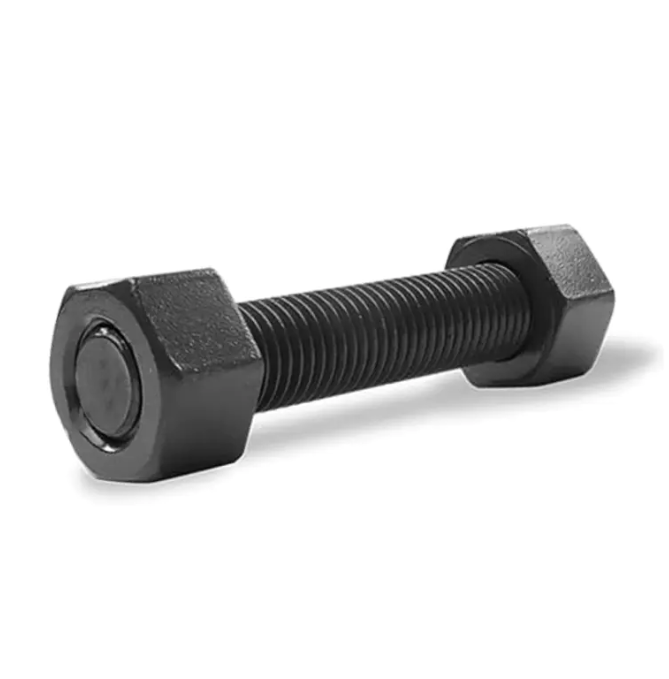
Stainless steel threaded rods are not a universal upgrade over carbon steel — they are the correct specification for specific environments. Here is where they are routinely required.
Petrochemical and Pipeline Engineering
Refineries, chemical processing plants, and pipeline infrastructure expose fasteners to hydrocarbon vapors, acid gases, high temperatures, and aggressive cleaning media. Carbon steel corrodes rapidly in these environments without constant maintenance. Stainless rods — typically Grade 316 or higher-specification alloys for extreme-temperature service — are used to support pipelines on pipe racks, fix valve and instrument assemblies, and secure tanks and pressure vessels to structural frames. For high-pressure and high-temperature service within this sector, our ASTM A193 B7 threaded rods for high-pressure service provide certified alloy-steel performance where stainless strength grades are insufficient.
Food Processing and Pharmaceutical Facilities
Hygiene regulations in food and pharmaceutical production require fasteners that can withstand frequent high-temperature wash-downs with caustic or acidic cleaning agents without corroding, pitting, or shedding particulates. Grade 316 stainless is the standard specification for these environments — its smooth surface finish resists bacterial adhesion, its passive film survives chlorinated cleaning cycles, and it meets FDA and EHEDG material requirements for food-contact zones. Grade 304 is acceptable in dry areas of food plants away from direct product contact or wet cleaning zones.
Architectural and Curtain Wall Construction
In façade engineering and curtain wall systems, stainless steel threaded rods serve as the adjustable connection between structural brackets and cladding panels. The rods are exposed to weather, atmospheric moisture, and in coastal locations, salt-laden air. Grade 304 is adequate for most inland architectural applications; coastal and marine façades require Grade 316. The aesthetic dimension also matters — stainless rods in visible architectural applications are typically specified with a polished or brushed finish that matches surrounding hardware.
Marine and Offshore Installations
Continuous saltwater exposure, high humidity, and salt spray make marine environments among the most demanding for fasteners. Grade 316 is the minimum acceptable specification for marine use; for submerged or splash-zone applications in seawater, duplex stainless steel (combining austenitic and ferritic microstructure) offers superior chloride resistance at a higher cost. Standard carbon steel — even hot-dip galvanized — has a limited service life measured in months, not years, in direct saltwater exposure.
Electrical and Power Infrastructure
Cable tray suspension, transformer mounting, and outdoor electrical enclosure fastening in industrial and coastal environments require corrosion-resistant rods. Stainless steel maintains electrical conductivity properties that are important in certain grounding and bonding applications, and its non-magnetic properties (particularly in austenitic grades) are relevant where electromagnetic interference must be minimized near sensitive equipment. Our ASTM A320 L7 threaded rods for cryogenic applications address the low-temperature requirements of LNG facilities and refrigerated electrical infrastructure.
Stainless steel threaded rods are produced to the same dimensional standards as carbon steel rods — the material grade is a separate specification from the thread geometry. Confirming the correct thread standard is essential for ensuring nut compatibility and achieving rated assembly strength.
Metric threads follow ISO 261 and are designated by diameter and pitch (e.g., M12 × 1.75). In most international construction and industrial projects outside North America, metric is the default. Common sizes for structural and mechanical work range from M8 to M36; larger diameters up to M64 and beyond are available for heavy industrial applications.
Inch-series threads follow UNC (Unified National Coarse) or UNF (Unified National Fine) per ASME B1.1. UNC is the standard for most structural and general fastening applications in North American projects; UNF is used where finer thread pitch provides better vibration resistance or higher pull-out strength in thin material.
ASTM F593 is the governing specification for stainless steel bolts, screws, and studs — including threaded rod — in the American market. It covers chemical composition, mechanical properties, and dimensional tolerances for 18-8 type stainless (which includes both 304 and 316). For stainless rods used in pressure vessel and pipeline service, ASTM A193 Grade B8 (304) and B8M (316) provide higher-level mechanical certification appropriate to those applications.
Nut compatibility is a non-negotiable check. Stainless threaded rods must be paired with nuts of matching thread standard, compatible grade, and — ideally — dissimilar alloy to reduce galling. Our matching nuts and washers for stainless assemblies are available in both metric and inch series across 304 and 316 grades, ensuring consistent material compatibility across the fastener system.
For procurement teams ordering stainless threaded rods in volume, the following checklist prevents the most common sourcing failures.
Stainless steel threaded rods are a long-term infrastructure investment. Specifying the correct grade, confirming dimensional compatibility, and sourcing from a manufacturer who provides full traceability documentation eliminates the risk of material non-conformance in the field — where the cost of replacement and remediation far exceeds any savings from under-specification at the procurement stage.
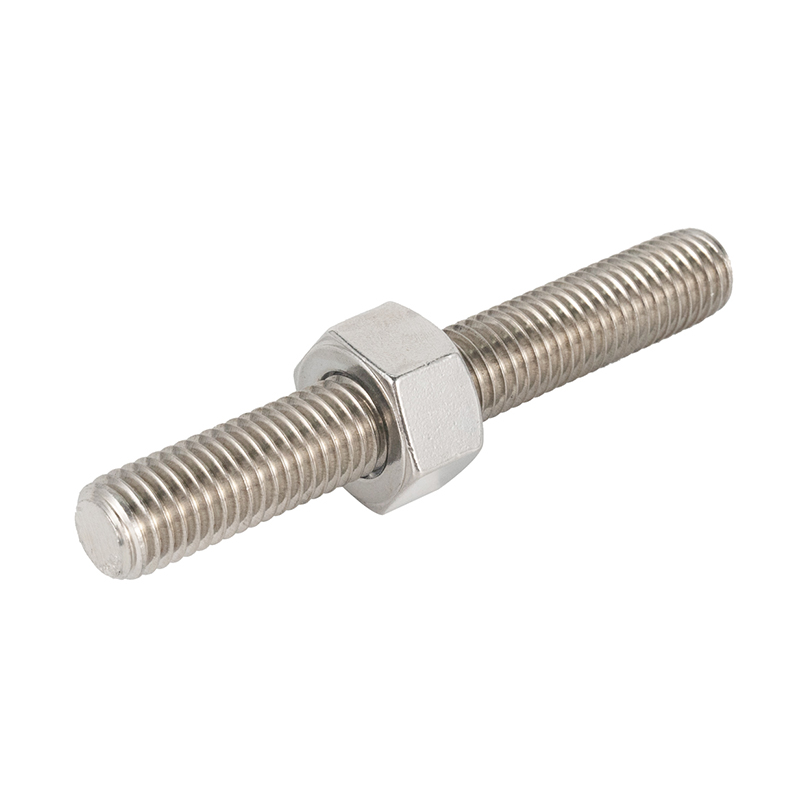 M10×300 Carbon Steel Grade 8.8 Galvanized Fully Threaded Rods
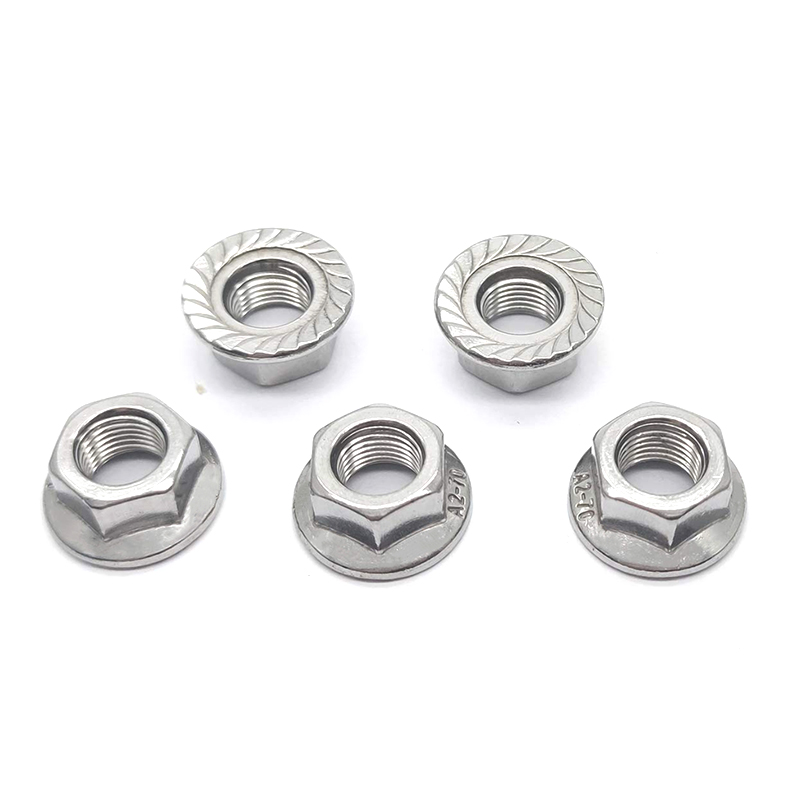 Stainless Steel 304 Plain Hex Flange Nut Non-Slip Nuts
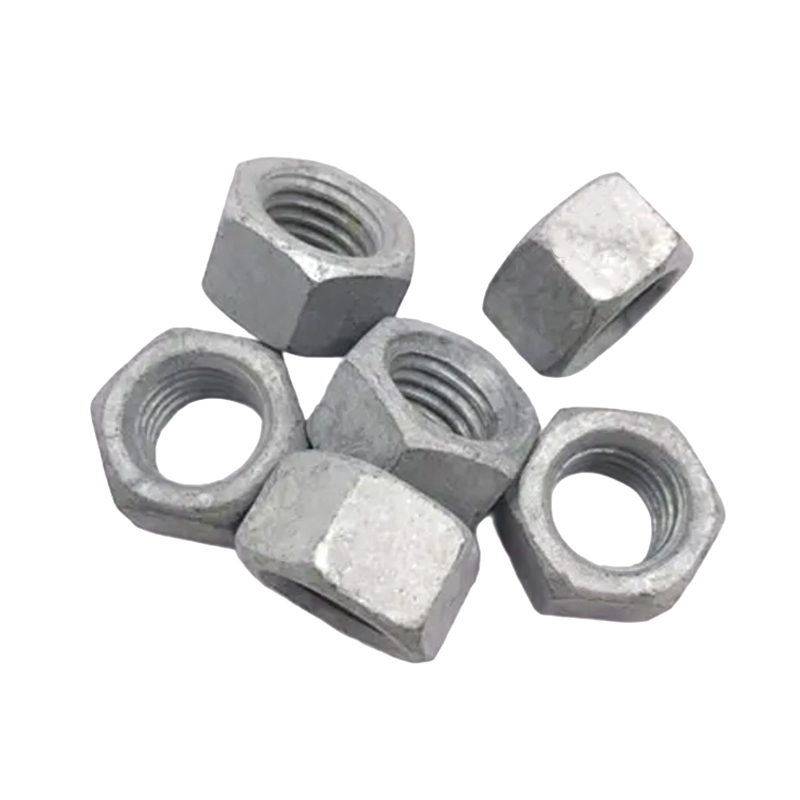 Stainless Steel 304 Plain Heavy Hex Jam Nuts
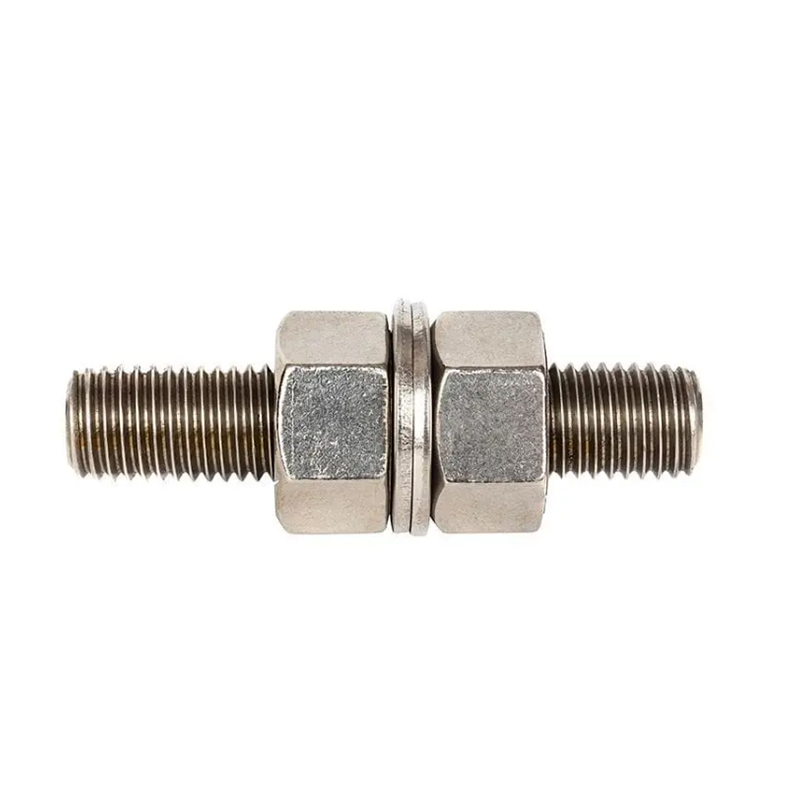 1-8 UNC *5" Alloy Steel ASTM A193 B7 Threaded Rods Grade L7 Threaded Studs
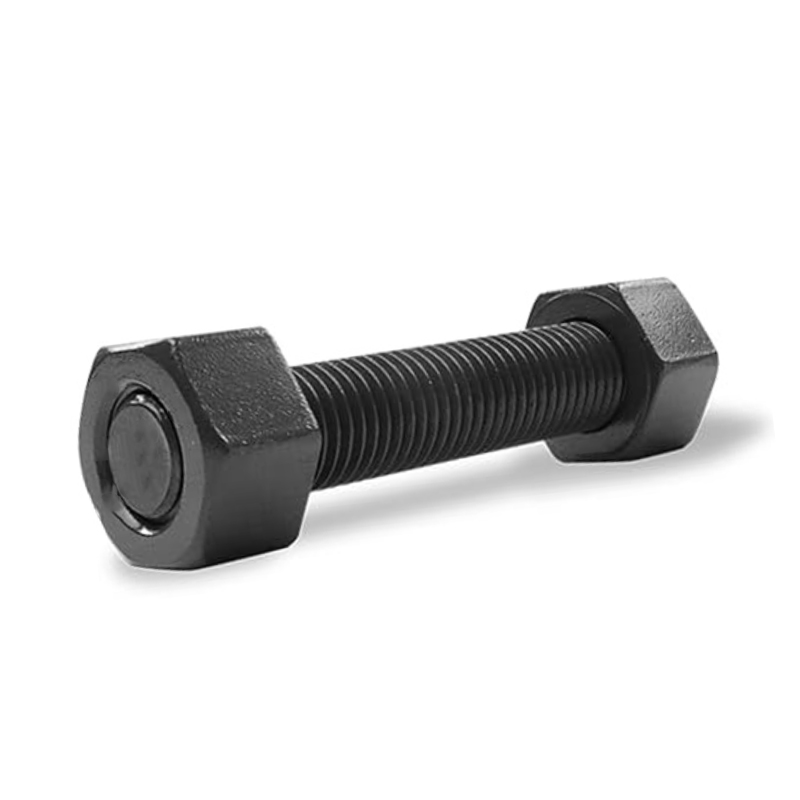 Carbon Steel M16×300 Grade 8.8 Galvanized / Black Full Threaded Bar
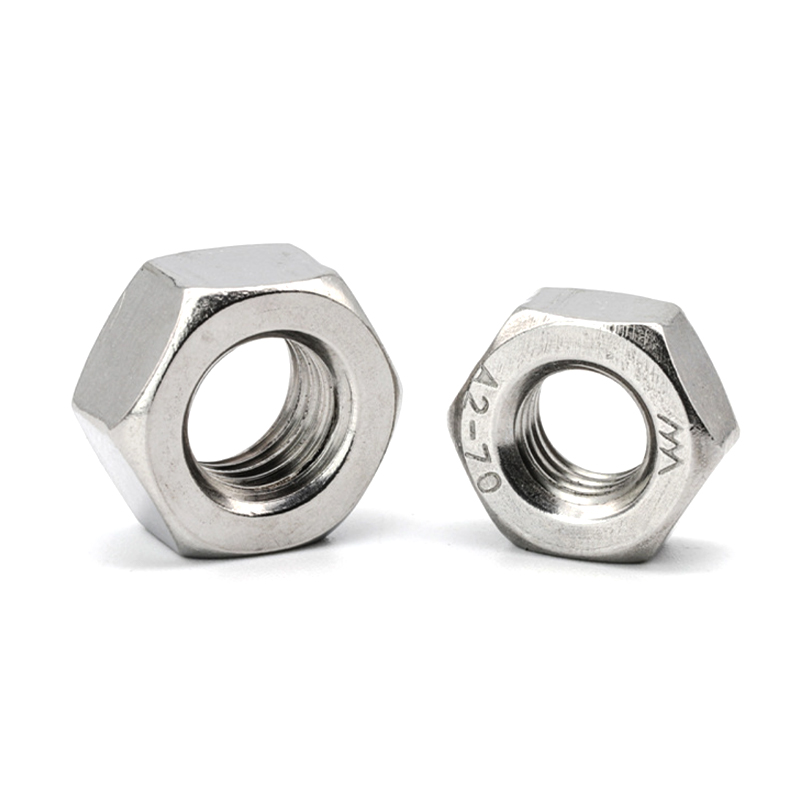 DIN934 M1.2 Stainless Steel 304 Hex Nuts
 Contact Information
 Address



 中文简体
中文简体 Português
 Español
 Deutsch
 русский
 عربى
عربى