
Content
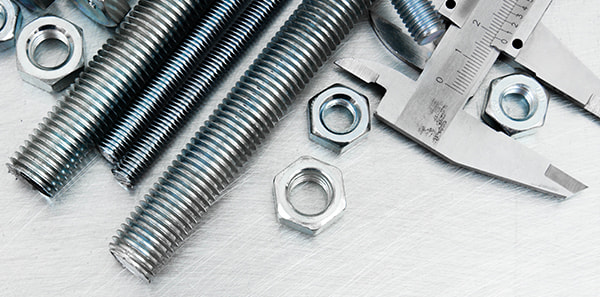
A fully threaded rod — also called an all-thread rod, threaded stud, or continuously threaded rod — is a straight metal fastener with helical threading running along its entire length, from one end to the other, without any smooth shank section. This uninterrupted thread profile distinguishes it from standard bolts or partially threaded studs, giving engineers complete flexibility in cutting the rod to any required length while maintaining full thread engagement at every point.
Unlike conventional bolts that are manufactured to fixed lengths with a defined head, fully threaded rods are headless and designed to work with nuts, couplers, or anchor plates applied at any position along the rod. This makes them indispensable wherever adjustable clamping, suspension, or tension is required across variable spans.
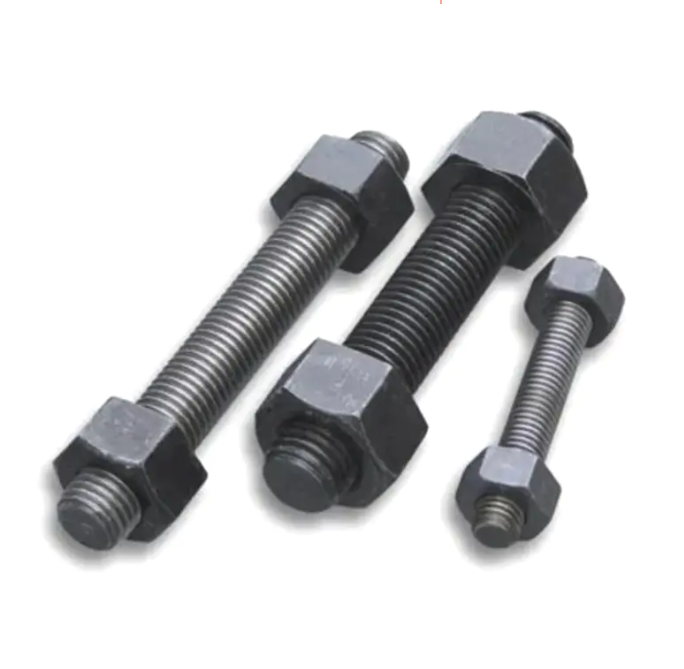
Fully threaded rods are produced across a broad range of diameters and lengths, governed by internationally recognized standards. Understanding the correct specification is critical for load calculations and compatibility with matching hardware.
Standard metric sizes range from M6 to M64, while imperial (UNC/UNF) sizes typically span from 1/4 inch to 2 inches in diameter. Stock lengths of 1 m, 2 m, and 3 m are most common, though custom-cut lengths are widely available for project-specific requirements.
| Standard | Diameter Range | Thread Type | Typical Stock Length |
|---|---|---|---|
| Metric (DIN 975/976) | M6 – M64 | Coarse / Fine | 1 m, 2 m, 3 m |
| Unified (ASME B18.31.3) | 1/4″ – 2″ | UNC / UNF | 1 ft, 3 ft, 6 ft, 12 ft |
| BSW (Whitworth) | 3/16″ – 1.1/2″ | BSW / BSF | 1 m, 2 m |
For metric rods, coarse-pitch threads (e.g., M12×1.75) are the default for general structural use, while fine-pitch threads (e.g., M12×1.25) provide better resistance to vibration loosening in dynamic environments. Tolerance classes 6g (external) and 6H (internal) represent the standard commercial fit. For precision or aerospace applications, tighter 4h/4H tolerances are specified to minimize thread play and ensure accurate load transfer.
Material choice directly determines the tensile strength, corrosion resistance, and service temperature of a fully threaded rod. Selecting the correct grade prevents premature failure in service and ensures long-term structural integrity.
Low-carbon steel rods (Grade 2 / DIN 4.6) offer a minimum tensile strength of 400 MPa and suit light-duty, indoor fastening applications. Medium-carbon grades such as ASTM A307 and SAE Grade 5 (DIN 8.8) raise tensile strength to around 830 MPa, making them appropriate for structural steel connections. High-strength alloy steel rods — Grade B7 (ASTM A193) or DIN 10.9 — achieve tensile strengths exceeding 1,000 MPa and are specified for pressure vessels, flanged joints, and heavy structural anchoring where proof load consistency is paramount.
Austenitic stainless steel — primarily A2 (304) and A4 (316) — is the standard choice for corrosive environments. A4-70 rods provide a minimum tensile strength of 700 MPa alongside excellent resistance to chloride-induced pitting, making them the preferred option for marine, coastal, food processing, and chemical plant installations. Duplex grades such as 2205 offer both higher strength (~900 MPa) and superior corrosion resistance compared to standard 316.
Bare carbon steel fully threaded rods require surface protection to prevent corrosion in service. The correct coating choice depends on environmental exposure, operating temperature, and whether the rod will be embedded in concrete or exposed to chemicals.
The versatility of fully threaded rods makes them one of the most widely specified fasteners in industrial and construction engineering. Their ability to be cut on-site and adjusted with standard nuts eliminates the need to stock dozens of discrete bolt lengths.
In structural steel framing, anchor bolts made from fully threaded rods (typically ASTM F1554 Grade 36 or Grade 55) are cast into concrete foundations to secure column base plates, machinery bases, and precast panels. The all-thread configuration allows the projecting end length to be adjusted after the concrete sets by cutting or by selecting the nut position. Seismic bracing systems for suspended ceilings, piping, and ductwork rely heavily on threaded rod hangers combined with beam clamps and hex coupling nuts to achieve code-compliant sway bracing per NFPA 13 and IBC requirements.
High-pressure flange assemblies in oil refineries and petrochemical plants use B7 stud bolts — a form of fully threaded rod — in conjunction with B2H heavy hex nuts to achieve leak-free sealing on ASME B16.5 and B16.47 flange joints. Operating temperatures can reach 450°C, where the chromium-molybdenum alloy content of B7 material maintains yield strength that plain carbon steel would lose entirely. In the power generation sector, M72 and M80 rods are used to tension turbine casing bolts with hydraulic tensioners, ensuring even gasket compression across the full flange face circumference.
MEP (mechanical, electrical, and plumbing) contractors use 3/8 inch and 1/2 inch threaded rods extensively to suspend conduit racks, cable trays, and pipe runs from structural members. The rod is cut to the required drop length and fitted with conduit clamps or pipe straps, offering a clean, adjustable, and code-compliant support solution. In switchgear and transformer rooms, non-metallic fiberglass threaded rods are used to mount busbars and insulators where electrical isolation between support structure and live components is required.
Modern architectural and retail interior design uses exposed stainless steel threaded rods as a deliberate design element in shelving systems, mezzanine balustrades, glass partition tensioning, and suspended ceiling grids. The clean linear profile of a polished M12 or M16 A4 stainless rod, combined with dome nuts and decorative washers, creates a minimal aesthetic that is both structurally functional and visually refined.
Proper installation of fully threaded rods ensures the intended clamping force is achieved and maintained. Several practical points reduce the risk of under-tensioning, thread stripping, or joint relaxation:
Following these practices consistently reduces joint failures, simplifies future maintenance access, and ensures that the chosen all-thread rod grade performs to its rated capacity throughout the design life of the structure or equipment.
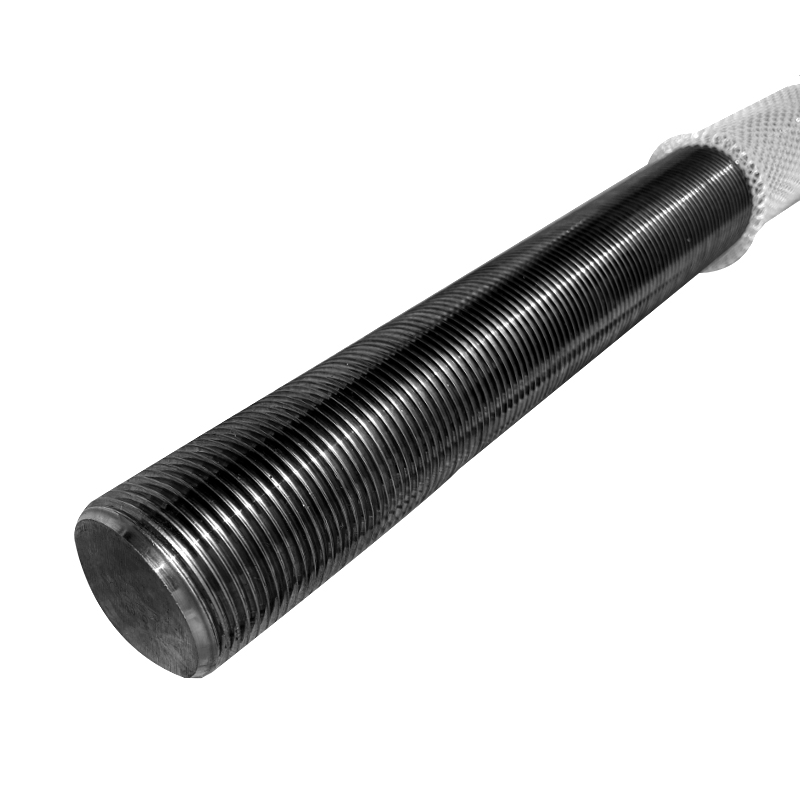 M27*300 PTFE Blue / Dacromet Coated ASTM A320 L7 Fully Threaded Rods
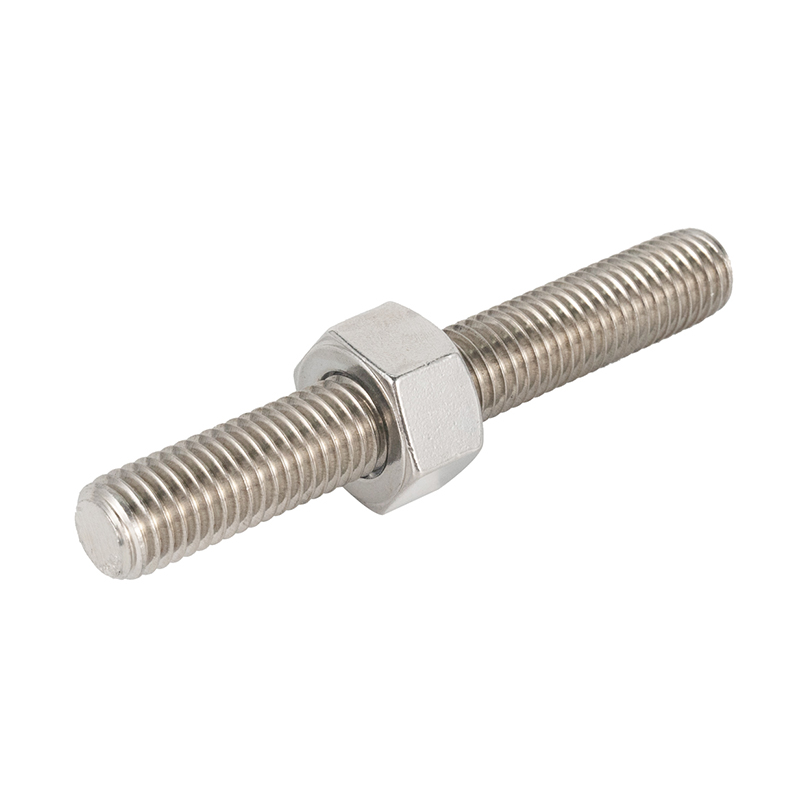 M10×300 Carbon Steel Grade 8.8 Galvanized Fully Threaded Rods
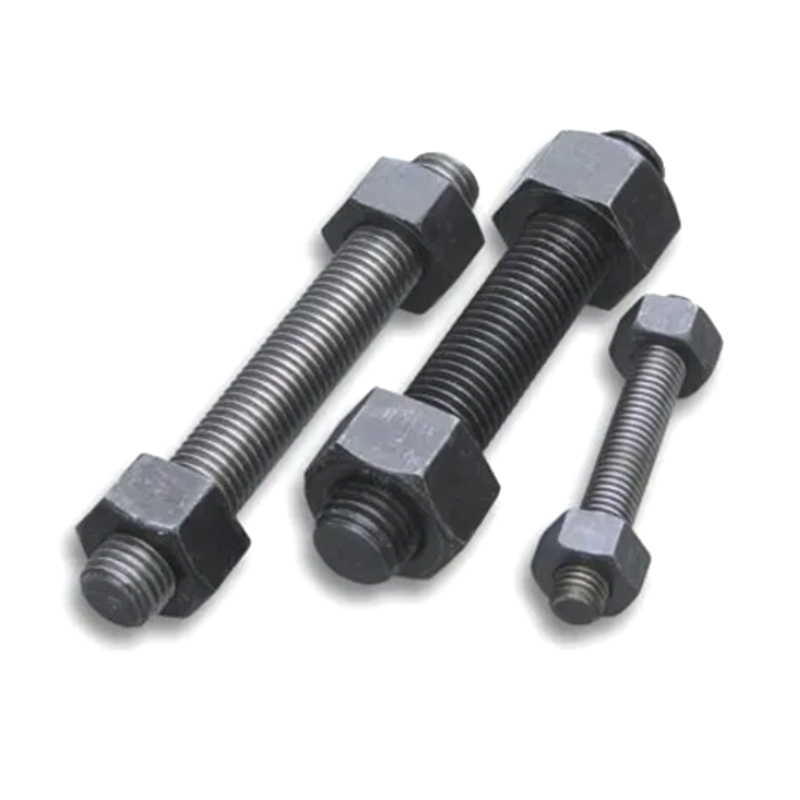 M16*300 Carbon Steel Grade 8.8 PTFE Blue Coated Fully Threaded Studs
1-8 UNC *5" Alloy Steel ASTM A193 B7 Threaded Rods
M16*300 Carbon Steel Grade 8.8 PTFE Blue Coated Fully Threaded Studs
1-8 UNC *5" Alloy Steel ASTM A193 B7 Threaded Rods
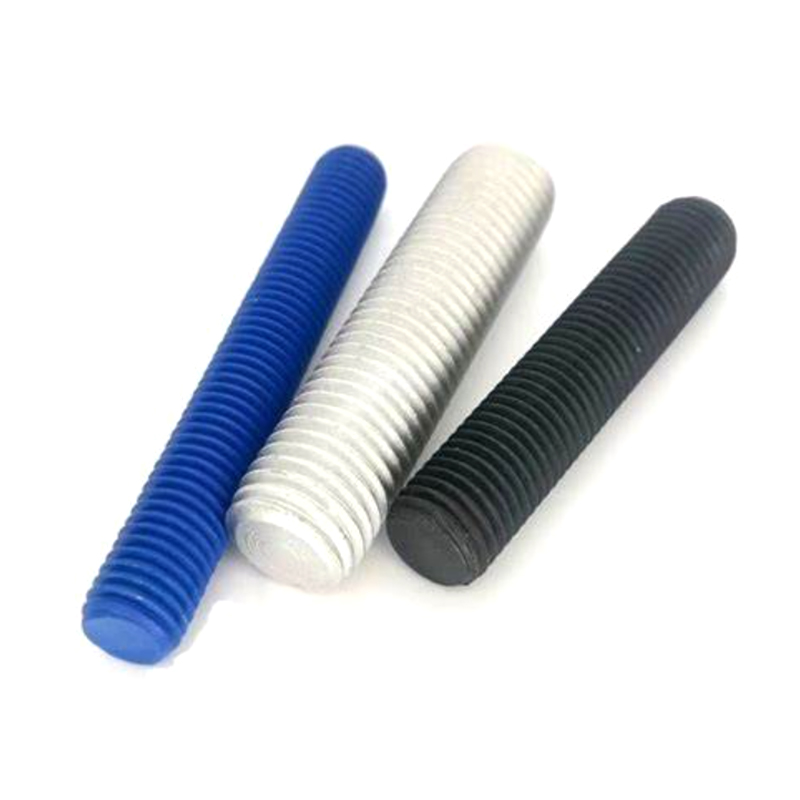 3/4*10" Zinc Plated / Black Oxide / Hot Dip Galvanized B7 Threaded Rods
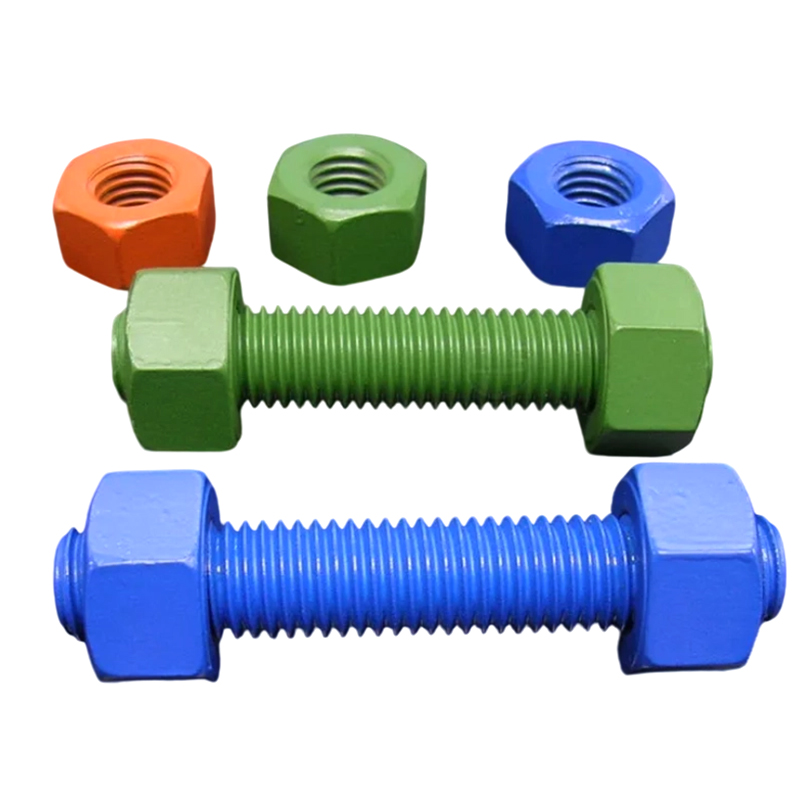 Alloy Steel M27*300 PTFE / Dacromet Coating B7 Threaded Rods Studs
 Contact Information
 Address



 中文简体
中文简体 Português
 Español
 Deutsch
 русский
 عربى
عربى